
Have you ever wondered what sets hard anodized cookware apart from the rest? You’re not alone.
Many people find themselves staring at kitchen aisles, puzzled by the array of cookware choices. Hard anodized cookware stands out, promising durability and excellent cooking performance. But what does it really mean, and why should you care? Imagine having cookware that not only lasts longer but also enhances your culinary creations with ease.
By understanding what hard anodized cookware offers, you can make informed choices that elevate your cooking experience. Get ready to uncover the secrets behind this popular kitchen staple and discover how it can transform your time in the kitchen.
Hard Anodized Cookware Basics
Have you ever wondered why your favorite chefs rave about hard anodized cookware? It’s not just a fancy term. This type of cookware offers durability, efficiency, and a sleek look that appeals to both amateur cooks and culinary experts. Understanding the basics of hard anodized cookware can help you make informed choices in the kitchen and elevate your cooking game.
Definition And Process
Hard anodized cookware starts with aluminum, a material known for its excellent heat conductivity. Through an electrochemical process, the aluminum is transformed into a tough, non-reactive surface. This process involves immersing the aluminum in an acid solution and passing an electric current through it.
This treatment hardens the surface significantly, making it resistant to scratches and dents. The result? A robust piece of cookware that combines the strength of stainless steel with the lightweight advantages of aluminum.
Materials Used
Aluminum is the cornerstone of hard anodized cookware due to its ability to conduct heat evenly. But it’s not just any aluminum—it’s high-grade, ensuring longevity and performance. The anodizing process also allows the cookware to be non-stick without the need for chemical coatings.
Some hard anodized cookware incorporates additional materials, like stainless steel bases or handles, to enhance durability and aesthetics. These added elements can provide better grip and stability when cooking, making your culinary adventures safe and enjoyable.
Imagine cooking with a pan that heats evenly, is easy to clean, and lasts for years. Hard anodized cookware offers all these advantages, making it a favorite choice for cooking enthusiasts. Do you think it’s time to upgrade your kitchen tools?
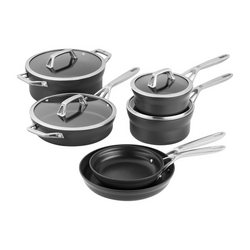
Credit: www.surlatable.com
Benefits Of Hard Anodized Cookware
Choosing the right cookware can transform your cooking experience. Hard anodized cookware stands out for its exceptional benefits that cater to both novice home cooks and seasoned chefs. Let’s delve into what makes hard anodized cookware a smart choice for your kitchen.
Durability And Longevity
One of the standout features of hard anodized cookware is its durability. It’s crafted through an electrochemical process that hardens aluminum, making it twice as strong as stainless steel. Imagine investing in cookware that withstands daily use and remains unscathed by scratches, dents, or peeling.
Consider your family’s favorite pans—are they showing wear and tear? Hard anodized cookware might just be the upgrade you need for lasting kitchen tools.
Heat Conductivity
Even cooking is essential for perfecting your favorite recipes. Hard anodized cookware offers excellent heat conductivity, ensuring your food cooks evenly. This means no more worrying about hotspots that can ruin a dish.
Think about the last time you cooked a delicate sauce or a fluffy omelet. With hard anodized cookware, you can achieve consistent results every time, making your cooking process more enjoyable and less stressful.
Nonstick Properties
Who doesn’t love easy cleanup after a meal? Hard anodized cookware boasts nonstick properties that make cooking and cleaning a breeze. Say goodbye to stubborn food residues and lengthy scrubbing sessions.
Have you ever spent more time cleaning than cooking? With hard anodized pans, you can simply wipe them clean, giving you more time to enjoy your meal and less time over the sink.
So, what’s holding you back from trying hard anodized cookware? With its impressive durability, superior heat conductivity, and convenient nonstick features, it’s a valuable addition to any kitchen. Experience it for yourself and elevate your culinary creations.
Comparing Hard Anodized To Other Cookware
Hard anodized cookware means pots and pans treated to make them durable and resistant to scratches. This process creates a non-stick surface without using chemicals. Compared to stainless steel or ceramic, hard anodized options offer superior heat distribution and longevity.
Comparing Hard Anodized to Other Cookware When you’re deciding on the best cookware for your kitchen, understanding the differences can be overwhelming. Hard anodized cookware has been gaining popularity, but how does it stack up against other options like stainless steel, cast iron, and ceramic? Let’s break it down to help you make an informed choice.Stainless Steel
Stainless steel is a kitchen staple for many, known for its durability and resistance to rust and stains. It’s perfect for browning and searing due to its ability to withstand high temperatures without warping. However, unlike hard anodized cookware, it often requires a bit more oil or butter to prevent sticking, which could be a consideration for those watching their fat intake.Cast Iron
Cast iron is loved for its ability to retain heat and add a wonderful, even sear to your meats. It’s incredibly durable and can last generations if cared for properly. On the downside, it’s much heavier than hard anodized cookware and requires regular seasoning to maintain its non-stick properties. Are you ready for the workout that comes with lifting heavy cast iron?Ceramic
Ceramic cookware is praised for its non-toxic, non-stick surface, making it a favorite for health-conscious cooks. It heats evenly and can come in a variety of vibrant colors, adding a splash of style to your kitchen. However, unlike hard anodized options, ceramic can chip or crack over time, especially if not handled with care. Would you trade durability for aesthetics? Choosing the right cookware boils down to your cooking habits and preferences. Each material brings its unique benefits and challenges to the table. What matters most is finding the balance that suits your culinary style and kitchen needs.Maintenance And Care
Hard anodized cookware features a durable surface resistant to scratches. Regular cleaning with mild soap preserves its finish. Avoid using metal utensils to maintain its non-stick properties.
Maintaining and caring for hard anodized cookware ensures its longevity and performance. Proper attention helps preserve its non-stick surface and prevents damage. Let’s dive into some practical tips for cleaning and storing this type of cookware.Cleaning Tips
Hard anodized cookware requires gentle cleaning methods. Avoid using harsh abrasives. These can scratch the surface. Use a soft sponge or cloth. Warm soapy water works best. Rinse thoroughly and dry immediately. This prevents water spots. For stubborn stains, mix baking soda and water. Apply the paste on the stain. Let it sit for a few minutes. Scrub gently with a soft brush. Rinse and dry well.Storage Advice
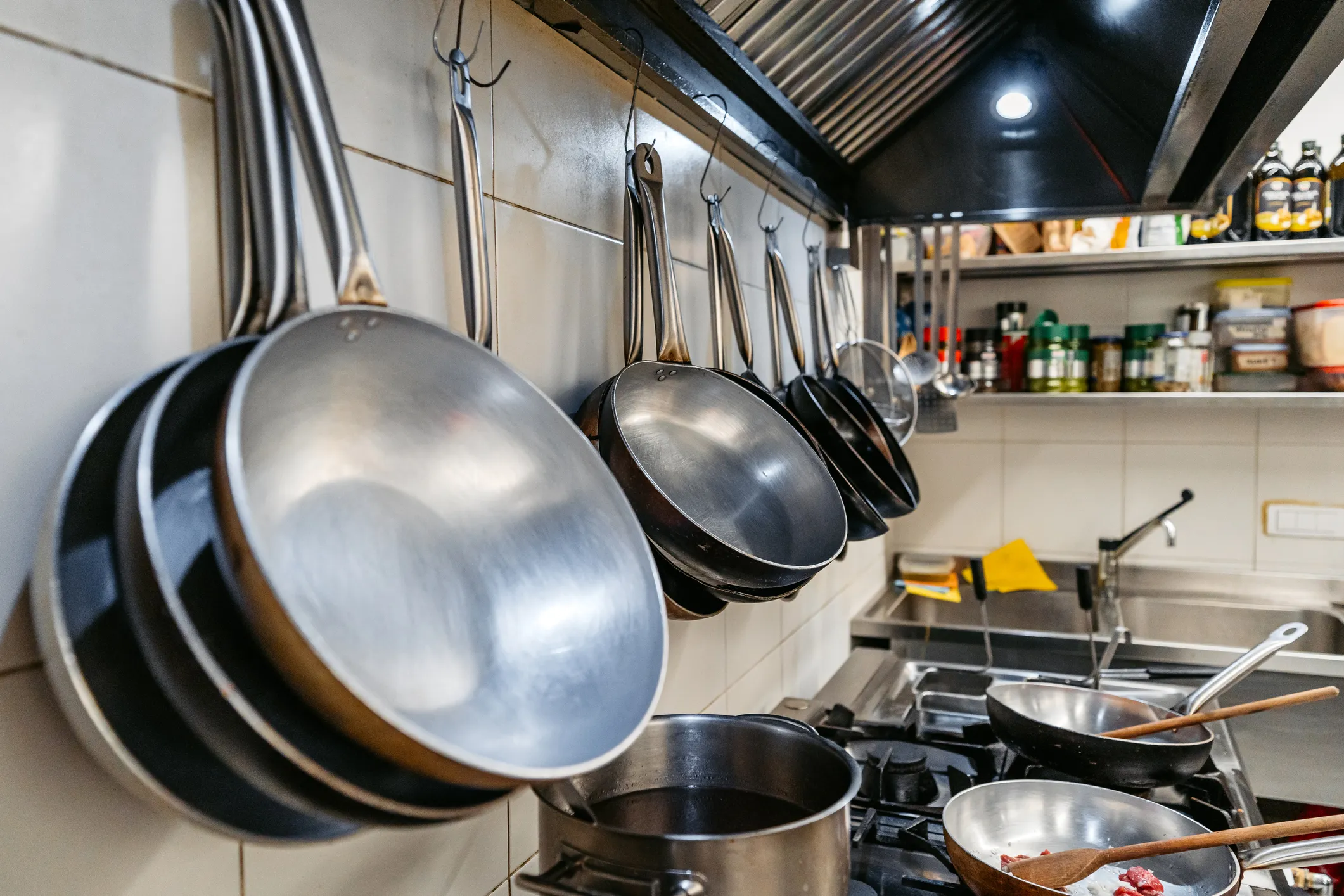
Store hard anodized cookware carefully to avoid scratches. Use pan protectors or soft cloths between items. This prevents direct contact. Hanging pots and pans is a great option. It saves space and prevents stacking damage. Ensure lids are stored separately or upside down. This avoids scratching the cooking surface. Always ensure cookware is completely dry before storing. Moisture can lead to corrosion over time.Safety Considerations
Safety considerations are crucial with hard anodized cookware. Avoid using metal utensils to prevent scratches. Ensure it is PFOA-free for safe cooking.
Safety considerations are crucial when choosing cookware for your kitchen. Hard anodized cookware is a popular choice due to its durability and non-stick properties. But understanding its safety is essential for making informed decisions. This section will explore the health implications and environmental impact of using hard anodized cookware.Health Implications
Hard anodized cookware is made through an electrochemical process. This makes it resistant to corrosion and wear. The anodization creates a smooth, non-reactive surface. This means food doesn’t come into contact with bare aluminum. Thus, it minimizes the risk of aluminum leaching into food. The surface is generally non-stick. This reduces the need for oils or fats when cooking. It can benefit those aiming for healthier meals. However, avoid using metal utensils. They can scratch the surface, affecting its safety and performance.Environmental Impact
Hard anodized cookware has a longer lifespan than traditional pans. Its durability means less frequent replacements. This can lead to reduced waste. The anodization process is also environmentally friendly. It doesn’t produce harmful by-products. Recycling is possible for aluminum-based cookware. This helps in conserving resources. Yet, the anodization process uses electricity, impacting energy consumption. It’s essential to balance durability with environmental responsibility.Choosing The Right Hard Anodized Cookware
Hard anodized cookware is known for its durability and non-stick surface. This cookware undergoes an electrochemical process that makes it more resistant to scratches. Ideal for everyday cooking, it provides even heat distribution and is easy to clean.
Choosing the right hard anodized cookware can transform your cooking experience. With many options available, finding the perfect set requires careful consideration. This guide will walk you through key factors and introduce popular brands to simplify your choice.Factors To Consider
- Durability:Look for cookware that withstands daily use.
- Heat Conductivity:Choose pieces that distribute heat evenly.
- Ease of Cleaning:Opt for cookware with easy-to-clean surfaces.
- Non-Stick Features:Ensure a reliable non-stick coating for hassle-free cooking.
- Weight:Consider the weight for comfortable handling.
- Price Range:Find a balance between quality and affordability.
Popular Brands
- Calphalon:Known for its durable and stylish designs.
- Cuisinart:Offers a variety of versatile cookware options.
- Anolon:Features innovative non-stick technology.
- T-fal:Provides budget-friendly yet reliable cookware.
- Circulon:Known for advanced non-stick systems.
Common Myths And Misconceptions
Hard anodized cookware has gained popularity for its durability and performance. However, there are several myths and misconceptions that might confuse you about its benefits and usage. It’s time to debunk these myths and provide clarity on what hard anodized cookware truly offers.
Nonstick Coating Concerns
One common misconception is that hard anodized cookware automatically comes with a nonstick coating. While many hard anodized pots and pans do offer nonstick surfaces, the anodizing process itself does not create a nonstick layer. Anodizing simply hardens the aluminum, making it more durable. The nonstick layer is often an additional feature. When choosing your cookware, read product descriptions carefully to confirm the presence of a nonstick coating. This knowledge can help you avoid unwanted surprises and ensure you get the features you desire.
Metal Utensils Usage
Another myth suggests that you can’t use metal utensils with hard anodized cookware. This belief stems from concerns over scratching nonstick surfaces. While it’s true that nonstick coatings require careful handling, hard anodized cookware without a nonstick layer is typically tough enough to withstand metal utensils. It’s important to recognize the type of surface your cookware has before deciding on utensil usage. If your pan is nonstick, opt for silicone or wooden tools to extend its life. Understanding these nuances can help you make informed decisions, enhancing your cooking experience.
Credit: schaumburgspecialties.com
Credit: hexclad.com
Frequently Asked Questions
What Is Hard Anodized Cookware?
Hard anodized cookware is made from aluminum treated through an electrochemical process. This makes it durable, non-reactive, and resistant to scratches. It’s ideal for cooking acidic foods and offers even heat distribution. Its non-stick surface allows for healthier cooking with less oil.
How Is Hard Anodized Cookware Different?
Hard anodized cookware is more durable than regular aluminum cookware. It undergoes a special anodizing process, increasing its strength and resistance to corrosion. This makes it less likely to warp or scratch. It also offers better heat conductivity, ensuring even cooking results.
Is Hard Anodized Cookware Safe?
Yes, hard anodized cookware is safe for everyday cooking. The anodizing process locks in the aluminum, preventing it from leaching into food. Its non-reactive surface is suitable for acidic dishes, ensuring your meals are free from unwanted chemical reactions.
Does Hard Anodized Cookware Require Special Care?
Hard anodized cookware needs gentle handling and cleaning. Avoid using metal utensils to prevent scratches. Hand wash with mild detergent for longevity. While dishwasher-safe, hand washing is recommended to preserve its finish. Regular maintenance ensures its durability and cooking efficiency.
Conclusion
Hard anodized cookware offers durability and efficiency in the kitchen. It resists scratches and distributes heat evenly. This type of cookware is easy to clean, making cooking more enjoyable. Many cooks appreciate its long-lasting performance. With its non-stick surface, food doesn’t stick, which makes cooking less stressful.
It’s a great choice for everyday cooking tasks. Hard anodized cookware meets the needs of many home cooks. It’s a valuable addition to any kitchen. Consider it if you seek reliable and sturdy cookware. Enjoy your cooking journey with this dependable option!