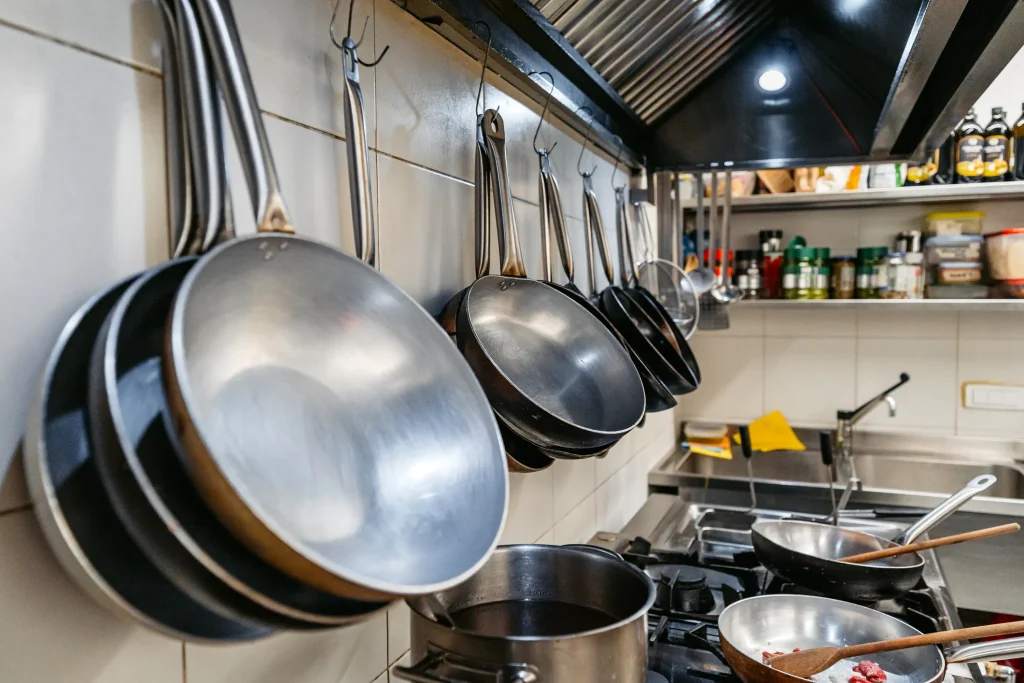
Imagine effortlessly cooking your favorite meals with cookware that’s not only durable but also enhances the flavor and healthiness of your dishes. If you’ve ever wondered about anodized cookware, you’re not alone.
This innovative kitchen gear is making waves, promising you a better cooking experience with its unique qualities. But what does anodized cookware really mean for you and your kitchen? Dive into this article to uncover the secrets behind anodized cookware, its benefits, and why it might be the perfect addition to your culinary arsenal.
Whether you’re a seasoned chef or someone who just loves to whip up quick meals, understanding anodized cookware could transform the way you cook. Get ready to discover the magic behind those sleek, shiny pots and pans that can elevate your cooking game.
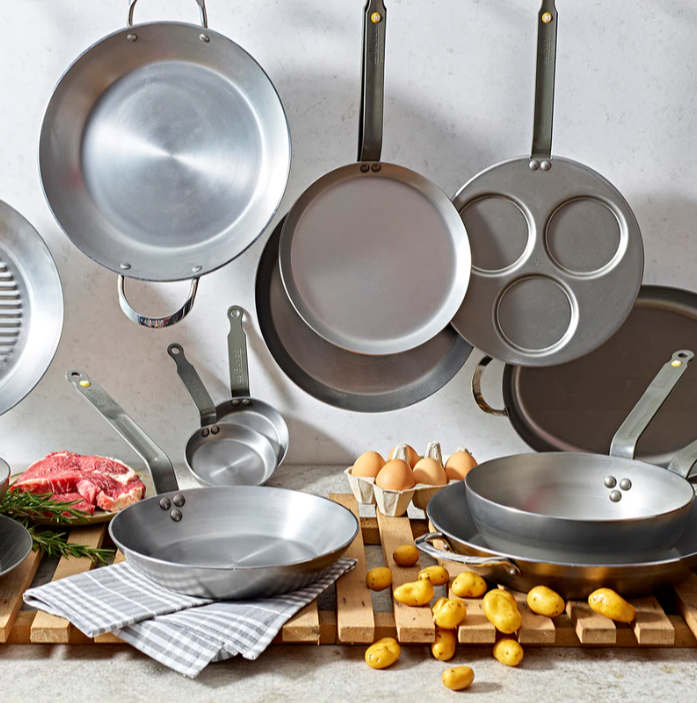
Credit: www.debuyer-usa.com
Anodized Cookware Basics
Anodized cookware is a popular choice in many kitchens, but what exactly does it mean? Understanding the basics of anodized cookware can help you make informed decisions for your cooking needs. Let’s dive into the essentials, starting with how it’s made and what materials are used.
Definition And Process
Anodized cookware refers to pots and pans that have undergone an electrochemical process to harden and protect their surface. This process involves immersing the aluminum in an acid bath and then exposing it to electrical charges. The result is a durable, non-reactive surface that resists scratches and corrosion.
Imagine the anodizing process as a protective armor for your cookware. It not only enhances durability but also ensures your food doesn’t react with the metal. This makes it a great choice for everyday cooking, especially if you want longevity from your kitchenware.
Materials Used
The primary material used in anodized cookware is aluminum. This metal is favored for its excellent heat conductivity, ensuring even cooking. However, untreated aluminum can react with acidic foods, which is where anodizing comes in.
The anodizing process transforms the aluminum surface into a non-stick, non-reactive layer. This layer is harder than regular stainless steel, making it perfect for searing, browning, and deglazing. Have you ever noticed how smoothly an egg slides off an anodized pan? That’s the magic of the anodized surface at work.
So, next time you’re choosing cookware, think about the benefits anodized options bring to your cooking experience. They offer durability, excellent heat distribution, and a safe cooking surface. Wouldn’t you want these advantages in your kitchen?
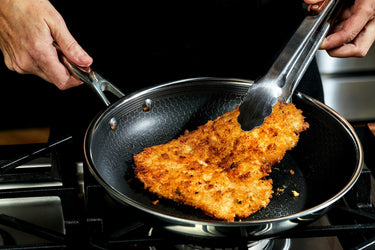
Credit: hexclad.com
Benefits Of Anodized Cookware
Anodized cookware is aluminum treated to be stronger and non-reactive. It offers even heat distribution and durability. The smooth surface makes cleaning easy while resisting scratches and corrosion.
Anodized cookware is gaining popularity in kitchens worldwide, and for good reason. Its unique manufacturing process not only enhances its appearance but also significantly boosts its functionality. If you’re looking to make your cooking experience more enjoyable and efficient, understanding the benefits of anodized cookware is essential. Let’s dive into why this type of cookware deserves a spot in your kitchen.Durability And Strength
Anodized cookware is renowned for its exceptional durability. The anodization process strengthens the metal, making it resistant to scratches and dents. This means your pots and pans will withstand the rigors of daily use without losing their luster or performance. With anodized cookware, you can say goodbye to the frustration of replacing worn-out pans frequently.Non-stick Properties
One of the standout features of anodized cookware is its excellent non-stick properties. Unlike traditional non-stick coatings, anodized surfaces are fused at a molecular level, reducing the need for excess oil or butter. Imagine effortlessly sliding a perfectly cooked omelet onto your plate, or flipping pancakes without them sticking. This feature not only makes cooking easier but also promotes healthier meals.Heat Distribution
Anodized cookware excels in even heat distribution. Its thick, hard surface allows for uniform heating, eliminating hot spots that can burn food. Whether you’re simmering a delicate sauce or searing a steak, anodized cookware ensures consistent results every time. You’ll appreciate how your dishes turn out perfectly cooked throughout, enhancing both flavor and presentation. Incorporating anodized cookware into your kitchen arsenal can transform your cooking experience. Have you considered how this could simplify your culinary adventures?Comparing Anodized To Other Cookware
When choosing cookware, understanding the differences between materials can greatly enhance your cooking experience. Anodized cookware stands out with its unique properties, but how does it compare to other popular options? Let’s dive into a comparison to help you decide which might be the best fit for your kitchen.
Anodized Vs. Stainless Steel
Stainless steel is known for its durability and classic look. It’s often favored for its ability to withstand high heat and is less prone to warping. However, it can be challenging to maintain as food tends to stick, requiring more oil or butter.
Anodized cookware, on the other hand, offers a non-stick surface, making cooking and cleaning easier. It provides even heat distribution, reducing the risk of hotspots and uneven cooking. If you prioritize easy maintenance and non-stick capabilities, anodized might be your go-to.
Anodized Vs. Non-anodized Aluminum
Aluminum cookware is lightweight and conducts heat well, making it an affordable choice. Yet, without anodization, it can react with acidic foods, affecting taste and quality. This might lead to unwanted flavors or discoloration.
Anodized aluminum solves these issues. The anodizing process creates a hard, non-reactive surface that preserves the integrity of your meals. It’s like giving your aluminum cookware a protective shield that enhances its longevity and performance.
Anodized Vs. Ceramic
Ceramic cookware is prized for its eco-friendly nature and aesthetic appeal. Its non-stick surface rivals anodized options, making it a strong contender for health-conscious cooks. However, ceramic can be more fragile and less heat-resistant.
Anodized cookware offers a balance between durability and non-stick performance. It can withstand higher temperatures and is less likely to chip or crack. Consider your cooking style: do you need robustness over aesthetics, or vice versa?
Choosing the right cookware can transform your culinary adventures. What do you value more—durability, non-stick properties, or perhaps ease of cleaning? Your decision will shape your cooking experience, so choose wisely!
Choosing Anodized Cookware
Choosing anodized cookware can be a game-changer for your kitchen, offering durability and non-stick convenience. But with so many options available, how do you pick the right set? Let’s dive into what you should look for when selecting anodized cookware.
Factors To Consider
When you’re on the hunt for anodized cookware, pay attention to the thickness of the material. Thicker pans tend to heat more evenly, reducing the risk of hot spots. Consider the weight as well; heavier pans are often more robust but may be cumbersome to handle.
Look at the handles and lids—are they ergonomic and oven-safe? These small details can make a big difference in your cooking experience. Also, check if the cookware is dishwasher safe for easy cleaning.
Popular Brands And Products
Several brands stand out for their quality anodized cookware. Calphalon is often praised for its durability and sleek designs, while Cuisinart offers great value with versatile sets. If you’re looking for premium options, All-Clad delivers high-performance pots and pans that chefs love.
Read reviews and consider product warranties. A brand with a good track record and customer service can save you headaches down the line. Often, the most popular products come with plenty of user feedback, which can be incredibly helpful.
Budget And Value
Is it worth splurging on anodized cookware? While high-end sets can be pricey, they often provide better longevity and performance. However, you can find excellent mid-range options that balance quality and cost.
Think about how often you cook and what you typically prepare. If you cook daily, investing in a more durable set might be wise. For occasional use, a budget-friendly option could be more practical.
Consider the long-term value. A good set of cookware can last years, potentially saving you money over time. Do you want to make a one-time purchase that lasts, or are you okay with replacing cheaper sets more frequently?
Care And Maintenance Tips
Anodized cookware features a durable, non-stick surface created by electrochemical anodizing. This process enhances corrosion resistance. Gently hand wash with mild detergent and avoid metal utensils to maintain its finish.
Anodized cookware is popular for its durability and even cooking. To keep it in great shape, proper care is essential. This guide will help you maintain its quality and extend its lifespan.Cleaning Guidelines
Cleaning anodized cookware requires gentle methods. Use a soft sponge and mild detergent. Avoid steel wool or abrasive cleaners that can damage the surface. Rinse thoroughly to remove all soap residue. Dry immediately with a soft towel to prevent water spots.Storage Recommendations
Store anodized cookware properly to avoid scratches and dents. Place a soft cloth or paper towel between stacked pots and pans. This prevents them from rubbing against each other. Hang them on a rack if space allows. It keeps them accessible and reduces the risk of damage.Common Mistakes To Avoid
Avoid using high heat settings which can warp anodized cookware. Do not use metal utensils that might scratch the surface. Never put anodized pans in the dishwasher, as harsh detergents can harm the finish. Always allow pans to cool before washing to prevent warping.
Credit: www.surlatable.com
Frequently Asked Questions
What Is Anodized Cookware?
Anodized cookware is aluminum treated to be more durable. This process makes it non-reactive and resistant to corrosion. The resulting cookware is scratch-resistant and often non-stick. It’s a popular choice for its longevity and performance in the kitchen.
Is Anodized Cookware Safe To Use?
Yes, anodized cookware is safe for cooking. The anodization process seals the aluminum, preventing it from leaching into food. This makes it safer than untreated aluminum cookware. Always ensure the cookware is in good condition without chips or damage.
How Do You Clean Anodized Cookware?
Clean anodized cookware with mild detergent and warm water. Avoid using abrasive cleaners or scouring pads. These can damage the surface. Hand washing is recommended to maintain its finish. Dry it thoroughly to prevent water spots.
Does Anodized Cookware Have A Non-stick Surface?
Yes, anodized cookware often has a non-stick surface. This is due to the smooth and sealed finish. It allows for easy cooking and cleaning. However, it’s advisable to use a small amount of oil or butter for best results.
Conclusion
Anodized cookware offers durability and even cooking. It resists scratches and corrosion. This cookware is also easy to clean, making kitchen life simpler. Non-stick properties mean less oil for healthier meals. Safety is assured with no harmful chemicals. Cooking with anodized pans brings peace of mind.
Choosing this cookware benefits both beginners and experts. It’s a smart investment for any kitchen. With proper care, it lasts for years. Enjoy cooking with reliable and efficient tools. Your meals deserve the best. Anodized cookware delivers quality and performance every time.
Consider adding it to your kitchen collection.