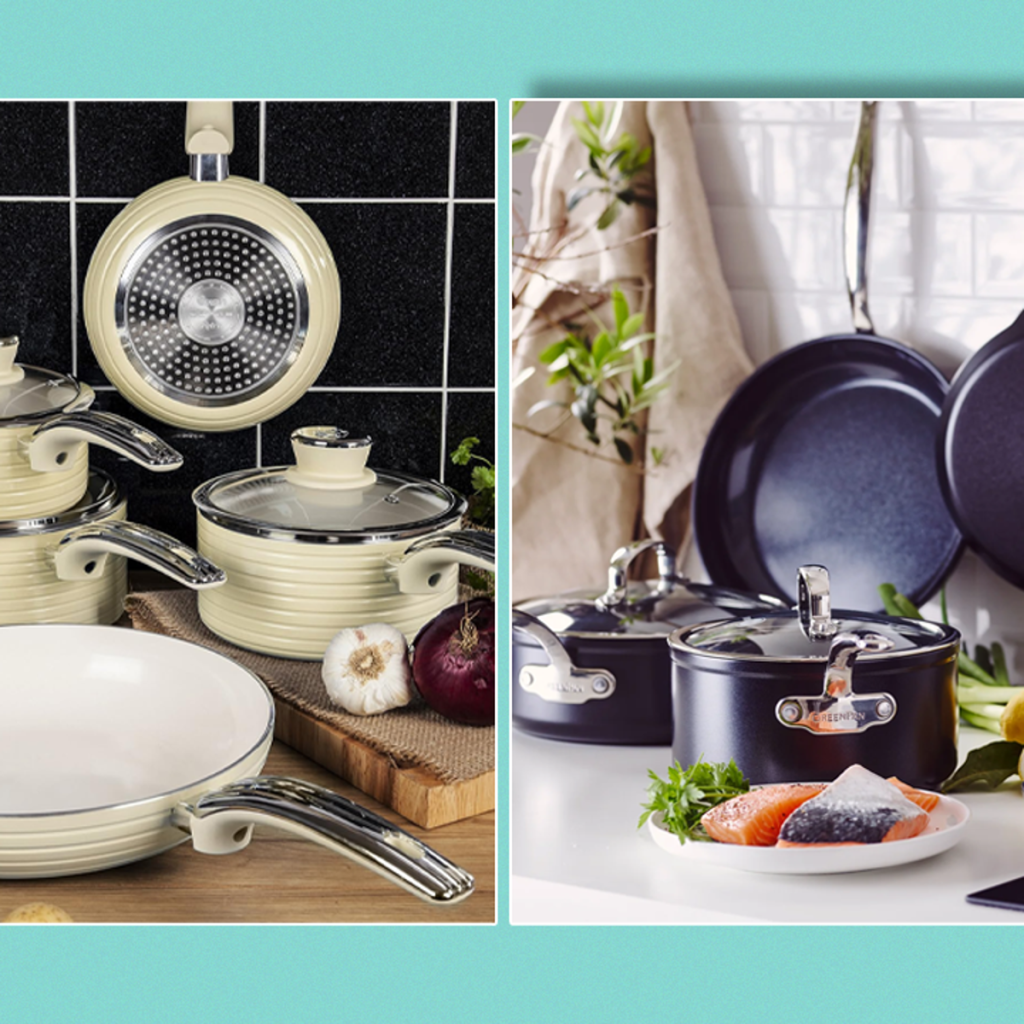
Imagine the perfect meal sizzling on your stove, the aroma wafting through the air, making your mouth water. But wait—are you using the right cookware for your induction cooktop?
If you’ve just invested in an induction stove, or you’re considering making the switch, you might be asking yourself, “What cookware can I use on induction? ” You’re not alone. Many people find themselves confused by the unique requirements of induction cooking.
It can be frustrating to realize that your favorite pots and pans might not work with your new setup. But don’t worry; understanding the best cookware options for induction is easier than you think. In this guide, we’ll unravel the mystery and help you discover the perfect kitchen companions for your induction cooktop. You’ll be cooking with confidence in no time, ensuring that every dish you prepare is cooked to perfection. Keep reading to make sure you’re fully equipped to take advantage of the efficiency and precision that induction cooking offers.

Credit: circulon.uk.com
Induction Cookware Basics
Induction cooktops need compatible cookware to work. Only pots and pans made of magnetic materials like cast iron or stainless steel will function. Check for a flat bottom to ensure proper contact with the cooktop surface.
Induction cooking has revolutionized the way we approach meal preparation, offering a sleek and efficient alternative to traditional gas and electric stoves. But not every pot and pan will work on an induction cooktop. Understanding the basics of induction cookware is essential to make the most out of your culinary adventures. In this section, we’ll explore how induction cooking works and the specific magnetic properties required for your cookware.How Induction Cooking Works
Induction cooking uses electromagnetic fields to heat pots and pans directly. Instead of heating the cooktop surface, it generates heat in the cookware itself. This means faster cooking times and less energy loss. Imagine boiling water in just a fraction of the time it takes on a gas stove. The surface of the cooktop remains cool to the touch, reducing burn risks and making cleanup easier. Have you ever forgotten to turn off a burner? With induction, the heat stops as soon as you remove the pan.Magnetic Properties Required
For cookware to be compatible with induction, it must have a magnetic base. Materials like cast iron and stainless steel usually work well. But, if you have copper or glass cookware, they won’t work unless they have an induction-compatible layer. A quick test: grab a magnet from your fridge. If it sticks to the bottom of your pot, you’re good to go. Consider the cookware’s diameter too—too small and it might not activate the induction process. Switching to induction can feel like a big change, but it’s often more about the cookware than the cooktop itself. Have you ever wondered why your favorite pan doesn’t heat up? It might be time to check its magnetic properties.Materials Compatible With Induction
Cookware for induction cooktops must have a magnetic base. Stainless steel, cast iron, and certain non-stick pans work well. Ensure the cookware has a flat bottom for even heat distribution.
Induction cooking is taking kitchens by storm, offering fast, efficient, and precise heat control. Yet, not all cookware is compatible with this modern method. Understanding which materials work with induction can transform your cooking experience. Let’s dive into the materials that make the cut for induction cooktops.Cast Iron Cookware
Cast iron is a powerhouse for induction cooking. Its heavy, magnetic base ensures excellent heat retention and distribution. If you’ve ever cooked with a cast iron skillet, you know its ability to sear meat to perfection. Just be mindful of the weight and handle with care to avoid scratching your cooktop.Stainless Steel Options
Stainless steel is another favored material for induction cooktops. Not all stainless steel is created equal, though. Ensure your pots and pans have a magnetic base. A simple magnet test can reveal if your cookware is induction-friendly. Stainless steel offers durability and a sleek look that complements any kitchen style.Carbon Steel Alternatives
Carbon steel cookware is often overlooked, yet it works wonders on induction cooktops. It’s lighter than cast iron but offers similar heat distribution. Chefs love carbon steel pans for their versatility. Whether you’re sautéing vegetables or making pancakes, these pans adapt beautifully to induction cooking.Enamel-coated Cookware
Enamel-coated cookware combines the best of both worlds: the heat retention of cast iron with a non-stick surface. This makes them perfect for cooking delicate dishes without the hassle of sticking. The vibrant colors of enamel cookware can add a splash of personality to your kitchen, while its magnetic properties keep you cooking efficiently on induction surfaces. So, what’s your go-to cookware for induction cooking? Does it make your culinary adventures easier or more challenging? Choosing the right material could be the game-changer in your cooking journey.Materials To Avoid
Induction cooktops are a modern marvel in many kitchens, offering fast heating and precise temperature control. However, not all cookware is compatible with induction technology. Understanding the materials to avoid is crucial for optimal cooking performance and safety. Let’s explore some common materials that might not make the cut.
Aluminum Limitations
Aluminum cookware is popular due to its lightweight nature and excellent heat conductivity. Yet, its lack of magnetic properties renders it incompatible with induction cooktops. If you’ve ever tried using an aluminum pot on an induction stove, you may have noticed the frustrating lack of response. Aluminum simply doesn’t interact with the electromagnetic field required for induction heating.
While some manufacturers offer aluminum pots with a magnetic base specifically designed for induction, it’s a compromise that might not deliver the expected performance. Consider investing in cookware that naturally works with induction to avoid potential disappointment.
Copper Restrictions
Many chefs adore copper for its superb heat distribution, but like aluminum, copper lacks magnetic properties. This means it won’t work on induction unless paired with a magnetic base. You might find copper pots with layers that include an induction-compatible material, but these can be pricey and don’t always function as hoped.
It might be tempting to use your beautiful copper pots on an induction cooktop, but you’ll quickly find they’re better suited for traditional gas or electric stoves. This limitation can be a frustrating reality for those transitioning to induction cooking.
Glass And Ceramic Challenges
Glass and ceramic cookware offer an aesthetic appeal and even cooking. However, they are generally not suitable for induction because they lack the necessary magnetic properties. You may have experienced moments when your glass or ceramic dish simply sat cold on the induction burner, refusing to heat.
While some ceramic and glass pots come with a magnetic base, they don’t always offer the best results. It’s worth considering other options if you want to make the most of your induction cooktop’s capabilities. Are these cookware choices worth the hassle and expense?
Identifying Induction-friendly Cookware
Identifying induction-friendly cookware is essential for efficient cooking. Choose pots and pans made of magnetic materials like cast iron or stainless steel. Always check for an induction-compatible symbol on the base to ensure suitability.
Cooking with induction is a fantastic way to speed up meal prep and save energy. However, not all cookware is suitable for induction cooktops. If you’ve ever wondered why some of your pots just won’t heat up, it’s likely because they’re not induction-friendly. Let’s dive into how you can identify the right cookware for your induction stove.Checking For Magnetic Base
The simplest way to determine if your cookware is induction-compatible is by checking the base with a magnet. Grab a magnet from your fridge and place it on the bottom of the pot or pan. If the magnet sticks firmly, your cookware is good to go on an induction stove. This method is quick and doesn’t require any special tools. It’s a trick I learned after an embarrassing moment trying to cook pasta in a pot that wasn’t induction-friendly. Always keep a small magnet handy in your kitchen for this reason. Some cookware might have a slightly magnetic base, causing the magnet to slip off easily. These pieces might not perform well on an induction cooktop, so it’s best to look for a stronger connection.Induction Compatibility Symbols
Another way to identify induction-friendly cookware is by looking for specific symbols on the packaging or the bottom of the cookware. Most manufacturers include an induction symbol—usually a coil-like image—to indicate compatibility. Before buying new pots or pans, check for this symbol. It’s a straightforward way to ensure you’re investing in the right equipment. In my experience, overlooking this detail once led to the purchase of a beautiful, yet incompatible, cookware set. Some brands even include the word “induction” in their product descriptions or labels. This makes it easier to make quick decisions, especially if you’re in a store. If shopping online, carefully read the product details to confirm its suitability for induction cooktops. By being mindful of these indicators, you can avoid any cooking mishaps and ensure a seamless cooking experience with your induction stove. Have you checked your cookware recently?Choosing The Right Cookware
Choosing the right cookware for your induction cooktop is essential. Not every pan or pot will work effectively. Induction cooking relies on magnetic energy. This means your cookware needs to have a magnetic base. Without it, your induction cooktop won’t heat the cookware. Selecting the right cookware involves considering budget, durability, and performance.
Budget Considerations
First, think about your budget. Induction-friendly cookware comes in various price ranges. You can find affordable options that still perform well. Brands offer budget-friendly sets that include basic pieces. Consider individual needs. Only buy what you will use. Investing wisely saves money in the long run.
Durability And Longevity
Next, focus on durability and longevity. High-quality materials can last for years. Stainless steel is a popular choice. It offers durability and resists rust. Cast iron is another durable option. It retains heat well and can be used in ovens. Look for cookware with a solid build. Thicker bases are more durable.
Performance And Heat Distribution
Performance and heat distribution are key in choosing cookware. Good cookware heats evenly. This ensures food cooks properly and prevents hot spots. Look for cookware with a flat, smooth bottom. This helps maintain contact with the cooktop. Multi-layer bases enhance heat distribution. They combine different metals for better performance.

Credit: www.omichef.com
Maintaining Induction Cookware
Induction cookware needs a magnetic base to work efficiently. Stainless steel and cast iron pots are ideal choices. Avoid using aluminum and copper unless they have a magnetic layer.
Maintaining induction cookware is essential for ensuring its longevity and performance. Proper care keeps your pots and pans in top condition. Follow these guidelines to maintain your cookware effectively.Cleaning Tips
Regular cleaning prevents buildup and stains. Use a soft sponge with mild soap. Avoid abrasive cleaners which can scratch surfaces. Rinse thoroughly to remove soap residue. Dry with a soft cloth to prevent water spots. For stubborn stains, use a mixture of baking soda and water. Apply gently with a cloth.Storage Recommendations
Store cookware in a cool, dry place. Avoid stacking heavy pots on lighter pans. Use pan protectors or towels between items to avoid scratches. Hanging racks can save space and prevent damage. Ensure handles are secure and lids are stored separately.Avoiding Damage
Avoid high heat to prevent warping. Use utensils made of wood or silicone. Metal utensils can scratch non-stick surfaces. Do not drop or bang cookware. Carefully inspect for any signs of damage. Address issues immediately to prevent further harm.Popular Brands And Products
Choosing the right cookware for induction cooking is essential. Popular brands offer a wide range of products that cater to different needs. From budget-friendly to luxury options, the market is rich with choices. Let’s explore some of the top-rated induction cookware available today.
Top-rated Induction Cookware
Some brands consistently receive praise for their induction-compatible products. T-fal is known for its durable and efficient cookware. Their pans heat evenly and offer great performance. Cuisinart also delivers high-quality options. Their stainless steel sets are both stylish and functional. These brands focus on durability and efficiency. They make cooking easier and more enjoyable.
Budget-friendly Options
Not everyone wants to spend a fortune on cookware. Thankfully, there are affordable choices that work well with induction. The AmazonBasics line provides reliable options without breaking the bank. Their non-stick pans are perfect for everyday cooking. Another great choice is the GreenLife brand. They offer ceramic cookware that’s both affordable and eco-friendly. These options prove that good cookware doesn’t have to be expensive.
Luxury Cookware Choices
For those seeking premium cookware, luxury brands offer top-tier products. Le Creuset is famous for its colorful cast iron pots. These pots are perfect for slow-cooking and look stunning on any stove. All-Clad is another high-end choice. Their stainless steel cookware is crafted with precision and care. Investing in luxury cookware ensures exceptional performance and longevity. It enhances the cooking experience and brings joy to the kitchen.

Credit: www.independent.co.uk
Frequently Asked Questions
What Cookware Is Best For Induction Cooking?
Induction cooktops require cookware with magnetic properties. Cast iron and stainless steel are ideal choices. They efficiently transfer heat, ensuring even cooking. Avoid aluminum or copper unless they have a magnetic base. Always check for an induction-compatible label to ensure optimal performance.
Can Non-stick Pans Be Used On Induction?
Yes, non-stick pans can be used if they have a magnetic base. Check for induction compatibility before use. Ensure the pan is flat-bottomed for efficient energy transfer. Non-stick surfaces should be treated gently to avoid damage when cooking with induction.
How To Test Cookware For Induction Compatibility?
Place a magnet at the base of the cookware. If it sticks firmly, it’s induction compatible. This method is quick and effective. Ensure the magnet doesn’t slide off easily. A strong connection indicates suitable cookware for induction cooktops.
Are Ceramic Pots Suitable For Induction Stoves?
Ceramic pots typically don’t work on induction stoves. They lack magnetic properties necessary for induction heating. Some ceramic pots have magnetic bases, check the label for compatibility. Always verify before use to prevent inefficient cooking.
Conclusion
Choosing the right cookware for induction is crucial. Not all pots and pans work well. Magnetic cookware is essential for induction cooking. Stainless steel and cast iron are great choices. Ensure your cookware has a flat bottom. This improves heat distribution.
Avoid non-magnetic options like aluminum. They won’t heat properly. Testing cookware with a magnet helps. If it sticks, it works. Keep these tips in mind. Your cooking experience will be smooth and efficient. Enjoy delicious meals with the right tools.
Happy cooking!