Imagine the ease of cooking where your meals are prepared swiftly and efficiently. If you have an induction cooktop or are considering one, you’re already on the path to a smarter kitchen.
But there’s one crucial detail to get right: your cookware. Not all pots and pans are compatible with induction cooktops, and choosing the wrong ones can lead to frustration. You might be wondering, “What cookware can I use with my induction cooktop?
” This is where we come in, ready to guide you through the maze of cookware options. By the end of this article, you’ll know exactly what works and what doesn’t, ensuring seamless cooking sessions every time. Stay with us as we unravel the secrets to perfect cookware compatibility with your induction cooktop. Your culinary adventures are about to get a whole lot easier!
Induction Cooktop Basics
Induction cooktops are gaining popularity in modern kitchens. They offer efficiency, safety, and precise cooking control. Understanding their basics can help you choose the right cookware. Induction cooking uses a unique technology. It heats pots and pans directly, rather than heating the cooktop.
How Induction Cooking Works
Induction cooktops use electromagnetic fields. These fields generate heat in compatible cookware. The cooktop remains cool to the touch. Only the cookware itself gets hot. This is different from traditional methods that heat the cooking surface. Induction cooking requires cookware with a magnetic base. Steel or iron pans work best. If a magnet sticks to the base, it’s suitable for induction.
Advantages Of Induction Cooktops
Induction cooktops are energy-efficient. They heat cookware quickly, reducing cooking time. This saves electricity and lowers bills. They also offer precise temperature control. The heat adjusts instantly. This prevents food from burning or overcooking. Induction surfaces are safer. They cool down fast after cooking. Accidental burns are less likely. Cleaning is easy too. Spills don’t bake onto the surface. A simple wipe removes any mess.
Compatible Cookware Materials
Induction cooktops are efficient and fast. They require specific cookware materials to work correctly. Not all pots and pans are suitable for induction. The cookware must have a magnetic base. Below are some materials that are compatible with induction cooktops.
Stainless Steel Options
Stainless steel is a popular choice for induction cooking. It is durable and resistant to rust. Ensure the base is magnetic for induction compatibility. Not all stainless steel cookware works with induction. Look for labels or test with a magnet. High-quality stainless steel offers even heating, ideal for various dishes.
Cast Iron Benefits
Cast iron is naturally magnetic and works well on induction cooktops. It retains heat efficiently and provides steady cooking temperatures. Cast iron is perfect for slow-cooked meals. It may require seasoning to prevent sticking. Heavy-duty and long-lasting, cast iron is an excellent choice for induction cooking.
Carbon Steel Features
Carbon steel is similar to cast iron but lighter. It heats up quickly and evenly on induction cooktops. Carbon steel is ideal for frying and searing. It requires seasoning for best results. The magnetic base makes it induction-friendly. Carbon steel offers versatility and ease of use in the kitchen.
Non-compatible Cookware
Induction cooktops require magnetic cookware to work. Cast iron and stainless steel are ideal choices. Avoid using glass, copper, or aluminum unless they have a magnetic base. Always check for compatibility to ensure efficient cooking and safety.
Induction cooktops have revolutionized the way we think about cooking, offering efficiency and precision that traditional methods can’t match. However, not all cookware is created equal when it comes to induction compatibility. Understanding which materials won’t work is crucial in avoiding unnecessary frustration and ensuring you make the most of your kitchen technology. Let’s delve into the types of cookware that are non-compatible with induction cooktops and why they fall short.Aluminum Limitations
Pure aluminum cookware is a common choice due to its affordability and excellent heat distribution. Yet, it fails to work with induction cooktops because it lacks magnetic properties. You might have a beloved aluminum pan that’s served you well over the years. Unfortunately, without a stainless steel or iron base, it won’t heat up on an induction surface. If you have aluminum cookware and still want to use it, consider investing in an induction disk that acts as an intermediary between the cooktop and your pan.Copper Restrictions
Copper pots and pans are prized for their stunning appearance and superior heat conductivity. However, much like aluminum, copper is not magnetic. Imagine trying to whip up your favorite dish, only to find your copper cookware doesn’t respond to your induction cooktop. It’s a frustrating realization that many face. To continue using copper, look for options with a magnetic base, or explore hybrid models that incorporate induction-friendly materials.Glass And Ceramic Issues
Glass and ceramic cookware, known for their elegance and non-reactive properties, also fall short on induction surfaces. These materials simply don’t have the magnetic characteristics needed to generate heat. Ever tried to heat a glass or ceramic pot on an induction cooktop? You’ll find it remains stubbornly cold, leaving your meal prep plans in the lurch. If aesthetics are important to you, consider using induction-compatible pots with a glass lid, marrying form with function. Understanding these limitations can save you time and frustration. Have you ever encountered a cookware dilemma in your kitchen? Share your experiences and solutions in the comments below!
Credit: food52.com
Testing Cookware For Induction
Testing cookware for induction compatibility is crucial for efficient cooking. Induction cooktops require specific cookware to function effectively. Not all pots and pans are suitable for induction use. It’s essential to know how to test your cookware. Two simple tests can help determine if your cookware is induction-ready.
Magnet Test Method
The magnet test is straightforward. Grab a small magnet from your fridge. Place the magnet against the bottom of your pot or pan. If the magnet sticks firmly, your cookware is induction-compatible. This means the cookware contains ferrous metal. If the magnet does not stick, it’s not suitable for induction cooking.
This test is quick and can be done with any magnet. No need for special equipment or tools. It’s a reliable way to check your cookware.
Induction Symbol Indicators
Check for induction symbols on your cookware. Many manufacturers mark their products for induction use. Look for a zigzag coil symbol. This symbol indicates compatibility with induction cooktops. It’s usually found on the bottom or packaging of the cookware.
These symbols are a straightforward indicator. They help buyers choose the right cookware. If you see the symbol, the cookware is ready for induction cooking. Always check for these indicators before purchasing new cookware.
Specialty Cookware Considerations
Induction cooktops offer efficient and quick cooking. They require specific cookware designed to work with their magnetic fields. Specialty cookware considerations are important for optimal performance. Some types need particular attention to ensure compatibility.
Enamel-coated Varieties
Enamel-coated cookware can work well with induction cooktops. Check the base of the pan for magnetic properties. Use a magnet to test it. If the magnet sticks, it is compatible. The enamel coating provides durability and easy cleaning.
Not all enamel-coated pans work. Ensure they have a ferrous base. This ensures proper heat transfer. They come in various designs and colors. Choose ones designed for induction cooking.
Non-stick Cookware Compatibility
Non-stick cookware is popular for easy food release. Its compatibility with induction cooktops depends on the base material. Most non-stick pans have aluminum bases. Aluminum alone does not work with induction.
Look for non-stick pans with a magnetic stainless steel base. These ensure induction compatibility. The coating remains intact during cooking. It is crucial to follow the manufacturer’s guidelines. This prevents damage to the non-stick surface.
Non-stick induction cookware is available from many brands. They offer various sizes and styles. Choose quality products for safe and efficient cooking.
Cookware Maintenance Tips
Stainless steel and cast iron are ideal for induction cooktops. They ensure efficient heat transfer and durability. Always check for a flat base and magnetic properties before using any cookware.
Maintaining your induction cookware is crucial for preserving its quality and ensuring it remains efficient on your cooktop. Whether you’ve invested in a high-end brand or picked up a budget-friendly option, proper care can significantly extend the lifespan of your pots and pans. Let’s dive into essential maintenance tips that will keep your cookware looking and performing like new.Cleaning And Care Guidelines
Cleaning your induction cookware correctly is the first step in maintaining its condition. Avoid using abrasive sponges or harsh chemicals that can damage the surface. Instead, opt for a soft sponge and mild dish soap to gently clean your pots and pans. After washing, ensure you dry your cookware thoroughly to prevent water spots or rusting, especially if your cookware is made of cast iron. Storing them while still damp can lead to unwanted stains or even corrosion over time. Consider hanging your cookware or using a rack to allow air circulation.Prolonging Cookware Lifespan
To ensure your cookware lasts, be mindful of your cooking habits. Always use the correct size burner for the pan to avoid uneven heating and potential warping. Overheating an empty pan can cause damage to its surface, so always add your ingredients before turning on the heat. Consider using wooden or silicone utensils to prevent scratching the cooking surface. Metal utensils might seem convenient, but they can leave permanent marks. Finally, when stacking your cookware, place a soft cloth or paper towel between each piece to avoid scratches. Ask yourself, are you giving your cookware the care it deserves? A little attention can go a long way in preserving your investment and enhancing your culinary experience.Shopping For Induction Cookware
Shopping for induction cookware can be both exciting and overwhelming. Induction cooktops require specific cookware for optimal performance. To make the right choice, consider both brand reputation and essential features. Investing in the right cookware ensures efficient cooking and long-lasting satisfaction.
Top Brands To Consider
Several brands excel in producing high-quality induction cookware. Here are some to explore:
- All-Clad:Known for durability and even heat distribution.
- Cuisinart:Offers a range of affordable, reliable options.
- Le Creuset:Famous for their enameled cast iron collection.
- T-fal:Popular for non-stick and budget-friendly choices.
- Calphalon:Provides hard-anodized options for robust use.
Key Features To Look For
When selecting induction cookware, focus on these key features:
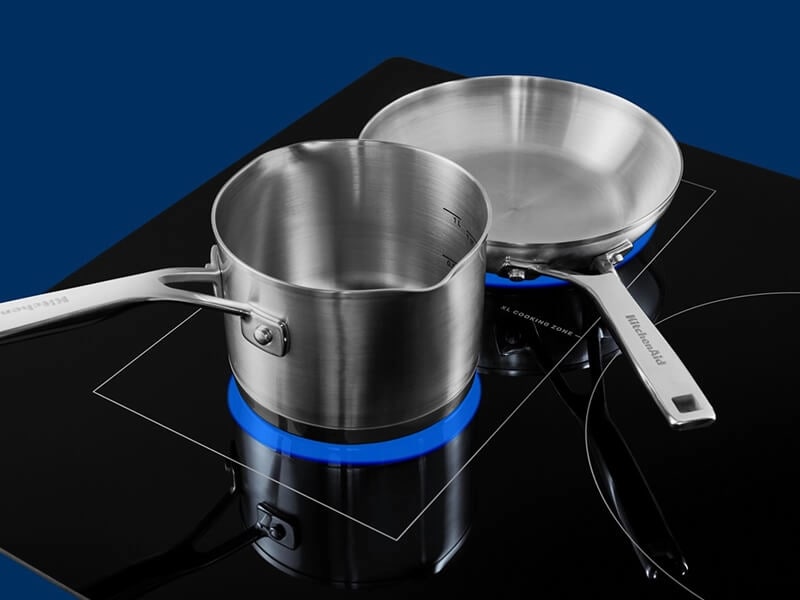
- Magnetic Base:Essential for induction compatibility.
- Material:Stainless steel, cast iron, or enameled iron work best.
- Flat Bottom:Ensures proper contact and efficient heating.
- Oven Safe:Look for versatility in cooking methods.
- Durability:Opt for long-lasting and easy-to-maintain cookware.
Credit: www.maytag.com

Credit: circulon.uk.com
Frequently Asked Questions
What Cookware Works On Induction Cooktops?
Induction cooktops require cookware with a magnetic base. Cast iron, stainless steel, and certain multi-layered cookware work well. Ensure the cookware is labeled as induction-compatible. If a magnet sticks to the bottom, it should be suitable for induction cooking. Avoid using glass, copper, or aluminum unless specifically designed for induction.
Can I Use Nonstick Pans On Induction?
Yes, you can use nonstick pans if they have a magnetic base. Check if the pan is labeled induction-compatible before using it. Nonstick pans are convenient for easy food release and cleaning. Ensure the pan’s base is flat for optimal contact with the induction surface.
Is Stainless Steel Induction Compatible?
Not all stainless steel is induction compatible. It must have a magnetic layer at the base. High-quality stainless steel cookware often includes this feature. Check for an induction symbol or use a magnet to test compatibility. If a magnet sticks, it should work on an induction cooktop.
Do Ceramic Pots Work On Induction Cooktops?
Ceramic pots generally do not work on induction cooktops. They lack the necessary magnetic properties. However, some ceramic cookware is designed with an induction-compatible base. Always check the manufacturer’s specifications. For induction cooking, use pots with a magnetically responsive base.
Conclusion
Choosing the right cookware for your induction cooktop is crucial. Stainless steel and cast iron work best. They ensure efficient heating and cooking. Avoid glass, copper, and aluminum. These materials don’t work with induction. Always check for compatibility before buying new cookware.
Look for the induction symbol on the packaging. This ensures it will work. Proper cookware improves cooking efficiency. It also saves energy. Investing in suitable cookware enhances your cooking experience. Enjoy hassle-free cooking on your induction cooktop. Happy cooking!