
Have you ever found yourself in the middle of cooking, searching frantically for a utensil or spice? You’re not alone.
The secret to a smooth cooking experience often lies in how your kitchen is organized. Imagine having everything in its rightful place, easily accessible when you need it most. This harmony in your kitchen revolves around one crucial element: storage units.
But what exactly are these storage units called? And how can they transform your kitchen into a haven of efficiency and style? You’ll discover the names and functions of different storage units in a kitchen. By understanding these, you can create a space that not only meets your practical needs but also enhances your cooking experience. So, let’s dive into the world of kitchen storage units and unlock the potential of your culinary workspace!

Credit: www.designcafe.com
Cabinets
Kitchen storage units are commonly called cabinets. These essential fixtures help organize utensils, cookware, and pantry items. Efficient design maximizes space, providing easy access and enhancing kitchen functionality.
Cabinets are the heart of kitchen storage. They keep your space organized, making it easier to find what you need when you need it. Whether you’re a culinary enthusiast or someone who enjoys a clutter-free environment, understanding the different types of kitchen cabinets is key to optimizing your space.Base Cabinets
Base cabinets are the foundation of your kitchen’s layout. These are the workhorses that support countertops and house essential items like pots, pans, and utensils. Imagine the ease of pulling out a drawer to find your favorite skillet right at your fingertips. Many base cabinets offer pull-out trays or lazy Susans, adding convenience to storage. Consider the height and depth that best fit your cooking style and kitchen activities.Wall Cabinets
Wall cabinets are mounted on the wall, above the countertops. They offer handy storage for everyday dishes, glasses, and pantry items. Think about the convenience of reaching for a cereal box without bending down. They save floor space and can make your kitchen feel more open. Choose cabinet heights that suit your reach and maximize your space.Tall Cabinets
Tall cabinets, often referred to as pantry cabinets, provide vertical storage solutions. These cabinets are ideal for storing bulk items and non-perishables, like canned goods and cereal boxes. Picture having a dedicated spot for all your baking supplies, neatly organized and easy to access. They’re perfect for kitchens with less horizontal space, offering a smart way to keep everything in one place. Would a tall cabinet help you keep your kitchen clutter-free?Pantry
Kitchen storage units are often called pantries. They help organize food, utensils, and kitchen supplies. Pantries can be cabinets or shelves, designed to maximize space and accessibility.
The pantry is a kitchen staple that serves as your secret weapon for organization and efficiency. It’s the dedicated space where you store your dry goods, canned items, and often those extra supplies that just don’t fit in the main kitchen cabinets. A well-arranged pantry can transform your cooking experience, making it easier to find ingredients and maintain a clutter-free kitchen. But how do you choose the right type of pantry for your kitchen needs?Freestanding Pantries
Freestanding pantries offer flexibility and style. They come in various sizes and designs, allowing you to move them around or even take them with you if you move house. Imagine having a sleek wooden cabinet that matches your kitchen decor, adding charm and functionality without the commitment of a built-in structure. These units are perfect for those who rent or prefer a dynamic kitchen space. Plus, you can easily rearrange your kitchen layout if you decide to shake things up.Built-in Pantries
Built-in pantries bring a custom feel to your kitchen. They are integrated into the kitchen design, often providing a seamless look and maximizing space efficiency. Consider the convenience of having your pantry tucked away behind an elegant door, making it an unobtrusive part of your kitchen aesthetic. While they require a bit more planning and possibly renovation, the result is a permanent solution that can significantly increase your kitchen’s storage capacity. So, which pantry suits your lifestyle? Do you prefer the flexibility of freestanding units or the streamlined look of built-ins?Drawers
When organizing your kitchen, drawers play a crucial role in maintaining order and efficiency. They’re the hidden heroes of storage, keeping your essentials tucked away yet easily accessible. Imagine the ease of finding your favorite spatula or the perfect ladle without rummaging through cluttered spaces. Let’s dive into the world of kitchen drawers and discover their unique functionalities.
Cutlery Drawers
Your cutlery drawer is more than just a storage space; it’s a mini arsenal for your culinary adventures. You want it organized so that grabbing a spoon doesn’t feel like a treasure hunt. Consider using dividers or trays to keep forks, knives, and spoons neatly aligned. This setup not only saves time but also adds a touch of elegance to your kitchen routine.
Have you ever noticed how a well-organized cutlery drawer can lift your mood? It’s like having a perfectly sharpened knife at your disposal—ready to make meal prep a breeze. Evaluate your current setup. Could it benefit from a bit more structure?
Deep Drawers
Deep drawers are the powerhouse of kitchen storage, offering ample space for pots, pans, and bulkier items. Their design allows for stacking without sacrificing accessibility. When everything has a designated spot, you can avoid the chaos of misplaced cookware.
Consider the versatility of deep drawers. They can accommodate tall containers or even small appliances. How can you maximize their potential? Think about using adjustable dividers or tiered organizers to keep everything within reach without overcrowding.
Reflect on your kitchen layout. Are your deep drawers serving you well, or are they underutilized? Sometimes a simple rearrangement can transform them from cluttered corners to functional spaces.
Shelving
Shelving units in a kitchen are commonly referred to as cabinets. They store dishes, utensils, and food items efficiently. Organizing these spaces maximizes kitchen functionality and keeps essentials easily accessible.
Shelving in a kitchen can transform your space both aesthetically and functionally. It allows you to showcase beautiful dishware and store essentials within easy reach. Imagine walking into your kitchen and instantly spotting your favorite mugs or spice jars displayed neatly. Shelving makes this possible, offering a blend of accessibility and style.Open Shelves
Open shelves offer a versatile way to organize your kitchen items. They break the monotony of closed cabinets and add a touch of openness to the space. You can arrange your frequently used items like plates, bowls, and cups for quick access. Consider placing some greenery or art pieces alongside your kitchen essentials. This not only enhances the look but also personalizes your kitchen, making it more inviting. Have you ever thought about displaying your favorite cookbooks on open shelves? They’re not just functional but can inspire creativity in your cooking endeavors.Floating Shelves
Floating shelves provide a sleek and modern look to any kitchen. Unlike traditional shelves, they appear to be suspended in mid-air, giving a minimalist vibe. These shelves are perfect for showcasing decorative items or small kitchen gadgets. Think about the visual impact of a series of floating shelves lined with neatly arranged jars or elegant glassware. Floating shelves can be installed at varying heights, creating a dynamic layout that draws the eye. What’s your favorite way to personalize these spaces? You might find that integrating unique textures or colors enhances your kitchen’s overall appeal.Islands
Kitchen storage units are often called islands. They provide extra counter space and storage. Positioned centrally, they enhance functionality and style.
Islands in a kitchen are more than just a modern design element; they are a functional powerhouse that can transform your cooking space. Imagine having an extra counter for meal prep, a spot for casual dining, and additional storage, all rolled into one. These versatile structures can redefine your kitchen’s efficiency and style.Storage Islands
A storage island is your best friend when you need more space to stash kitchen essentials. Imagine opening drawers filled with neatly stacked pots and pans, or a cabinet that holds all your baking supplies in one convenient location. Most storage islands come with a combination of drawers, shelves, and cabinets. This variety lets you organize items based on usage. Have you ever struggled to find a particular utensil in a cluttered drawer? Storage islands can solve this by designating specific spots for each item.Utility Islands
Utility islands take functionality a step further, often incorporating appliances and sinks. Picture cooking pasta while chatting with your guests, with a cooktop right in front of you on the island. It’s like having a mini-kitchen within your kitchen. Some utility islands come with built-in wine racks, allowing you to store and display your favorite bottles stylishly. Others might feature a dishwasher or a small fridge, reducing the need to move back and forth across the kitchen. Is a utility island the right choice for your kitchen? Consider how you use your space daily. If multitasking is your thing, a utility island might just be your kitchen’s best upgrade.Appliance Garages
In modern kitchens, clutter can be a challenge. Appliance garages offer a smart solution. They keep your kitchen tidy and organized. These storage units hide small appliances like toasters and blenders. With appliance garages, your kitchen looks neat while keeping gadgets accessible.
Benefits Of Appliance Garages
Appliance garages save countertop space. They reduce visual clutter, making kitchens look clean. Easy access to gadgets is another benefit. Just open the door, and your appliance is ready to use.
Design Options For Appliance Garages
There are various design choices. Roll-up doors add a sleek look. Flip-up doors are convenient for quick access. Some models have sliding doors. Choose one that fits your kitchen style.
Placement Ideas For Appliance Garages
Position appliance garages near power outlets. This makes plugging in devices easy. Consider placing them in corners. Corners are often underused spaces in kitchens.
Materials Used In Appliance Garages
Materials vary by preference and budget. Wood offers a classic look. Stainless steel suits modern designs. Glass fronts can add a touch of elegance.
Installation Tips For Appliance Garages
Measure your space before buying. Ensure the garage fits your appliances. Consider hiring a professional for installation. Proper setup ensures functionality and aesthetics.
Pull-outs
Pull-outs in a kitchen are storage units like drawers or shelves that slide out. They help organize and access items easily.
Pull-outs in the kitchen offer a fantastic way to utilize space effectively while keeping your essentials within easy reach. These clever storage solutions are hidden behind cabinet doors and glide out smoothly, providing quick access to items that might otherwise be hard to reach. Imagine no more bending or stretching to get that spice jar from the back of the cabinet or rummaging through trash bins under the sink.Spice Racks
Spice racks are one of the most popular pull-out features in modern kitchens. They provide a tidy and accessible home for your collection of spices. Instead of shuffling through a disorganized shelf, a pull-out spice rack displays everything at a glance, allowing you to grab what you need without any hassle. Consider how much easier meal prep becomes when you don’t have to hunt for oregano or paprika. With a pull-out spice rack, you can arrange your spices alphabetically or by frequency of use, tailoring the setup to fit your cooking style. Do you often find yourself reaching for the same spices? A pull-out rack ensures they’re always right at your fingertips.Trash Bins
Another game-changing pull-out is the trash bin. Gone are the days of awkwardly balancing waste while trying to open a lid or cabinet door. With a pull-out trash bin, you can seamlessly dispose of scraps and garbage, keeping your kitchen clean and efficient. These bins are typically hidden within a cabinet, maintaining the aesthetic appeal of your kitchen while offering practical functionality. Many people appreciate the dual-bin setup, allowing for easy separation of recyclables and waste. Have you ever considered how much smoother cleanup can be when your trash bin is just a slide away? Pull-outs transform kitchen storage into a more organized and user-friendly experience. They cater to your needs, making everyday tasks easier and more enjoyable.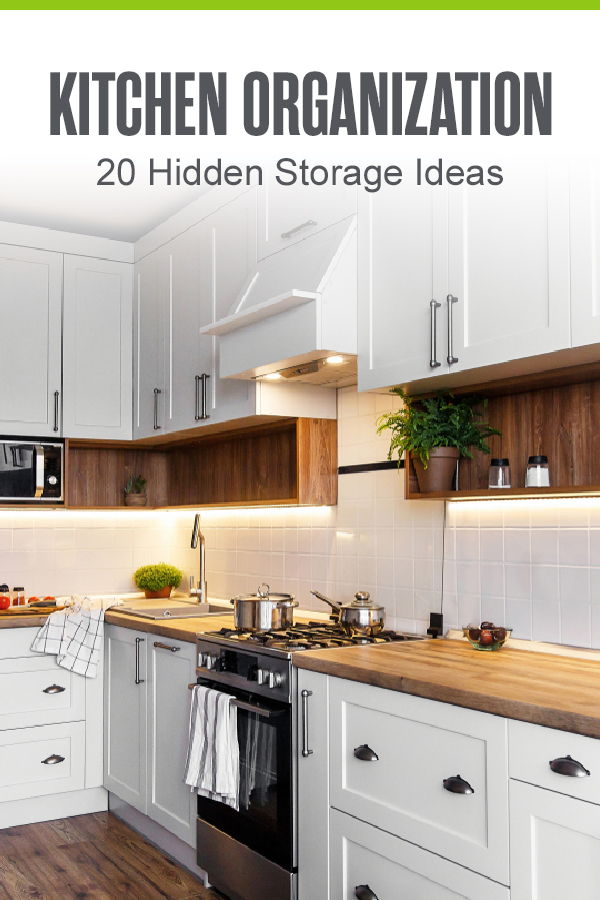
Credit: www.extraspace.com
Wine Racks
Wine racks are essential storage units in kitchens, designed to organize and display wine bottles efficiently. They save space and enhance the kitchen’s aesthetics while keeping bottles accessible.
Wine racks are more than just storage solutions for your favorite bottles; they are a statement of style and sophistication in your kitchen. Whether you have a small space or a grand kitchen, wine racks can be a charming addition that reflects your taste. They keep your wine collection organized and easily accessible for when you want to enjoy a glass with your meal.Why Wine Racks Matter
Wine racks serve a purpose beyond storage. They help maintain the quality of your wine by keeping the bottles in a horizontal position, ensuring the cork stays moist. This prevents air from seeping into the bottle and spoiling the wine. Having a wine rack also adds a touch of elegance to your kitchen, transforming it into a space that feels more like a personal wine cellar.Types Of Wine Racks
There are several types of wine racks to choose from, each catering to different needs and styles.- Wall-Mounted Racks:Ideal for small kitchens, these racks save counter space and display your wine like art.
- Countertop Racks:These are perfect for those who enjoy showcasing a few select bottles and can be a conversation starter.
- Floor Racks:Best for larger collections, they can store numerous bottles and often come with additional shelving for glasses or other accessories.
Choosing The Right Wine Rack
When selecting a wine rack, consider the size of your kitchen and the number of bottles you typically store. If you’re a casual collector, a small countertop rack may be sufficient. For avid wine enthusiasts, a larger floor rack or a custom-built wall rack might be more appropriate. Think about how the design and material of the wine rack will complement your kitchen’s decor.Installation Tips
Installing a wine rack can be a fun DIY project. Ensure that the rack is securely mounted, especially if it’s wall-mounted, to prevent accidents. Check the weight capacity and make sure it’s placed in a temperature-controlled area away from direct sunlight. For those less inclined to DIY, hiring a professional ensures that your wine rack not only looks great but is safe and functional.Enhancing Your Kitchen With Wine Racks
Imagine hosting a dinner and effortlessly reaching for a bottle from your beautifully displayed wine rack. It adds a level of sophistication and practicality. Your guests will appreciate the elegance and functionality it brings to the space. Consider adding a wine rack to your kitchen to elevate its style and make it truly yours. How will you incorporate this elegant storage solution into your kitchen?Lazy Susans
Lazy Susans are rotating storage units in kitchens. They help organize and easily access items on shelves. Perfect for maximizing space in corner cabinets.
Lazy Susans are one of the most inventive storage solutions for your kitchen. These rotating trays or shelves allow easy access to items stored in corner cabinets, often difficult to reach. Whether you’re reaching for spices or canned goods, a Lazy Susan can transform how you interact with your kitchen space.What Is A Lazy Susan?
A Lazy Susan is essentially a circular shelf that rotates. It’s commonly used in kitchen cabinets to help you access items that might otherwise be hidden in the back. Imagine spinning the shelf to find your favorite spice without rummaging through other bottles. It’s like having an assistant who knows exactly where everything is.How To Choose The Right Lazy Susan
When selecting a Lazy Susan, consider the size of your cabinet and the items you plan to store. Larger models are perfect for storing pots and pans, while smaller versions can organize spices and condiments. Materials vary from plastic to wood to metal, each offering different durability and aesthetic appeal. Think about what complements your kitchen’s style.Installation Tips For Lazy Susans
Installing a Lazy Susan might seem daunting, but it’s easier than you think. Measure your cabinet carefully to ensure a proper fit. Most Lazy Susans come with installation guides; follow them closely for a hassle-free setup. You can even find video tutorials online for visual guidance. A little effort can make a big difference in your kitchen’s functionality.Maintaining Your Lazy Susan
Keeping your Lazy Susan clean and functional is straightforward. Regularly wipe it down to remove dust and spills. Ensure the rotating mechanism remains smooth by occasionally checking for obstructions or wear. A well-maintained Lazy Susan can serve you for years, making your kitchen tasks more enjoyable and efficient. Lazy Susans can truly revolutionize your kitchen organization. Have you tried using one yet? Share your experiences or thoughts in the comments below!
Credit: www.designcafe.com
Frequently Asked Questions
What Are Kitchen Storage Units Called?
Kitchen storage units are commonly referred to as cabinets. They are essential for organizing kitchen essentials. Cabinets help in storing utensils, cookware, and food items. They come in various designs and materials to suit different kitchen styles. Properly organized cabinets enhance kitchen efficiency and aesthetics.
How Do Kitchen Cupboards Differ From Cabinets?
Kitchen cupboards are a type of cabinet. They specifically store food and dishware. Cabinets, however, can include drawers and other storage types. Both serve as essential storage units in a kitchen. Choosing the right type depends on storage needs and kitchen design preferences.
What Materials Are Used For Kitchen Cabinets?
Kitchen cabinets are made from various materials. Common options include wood, stainless steel, and laminate. Each material offers unique benefits. Wood provides a classic look, while stainless steel is modern and durable. Laminate offers a budget-friendly and versatile option.
Why Is Kitchen Cabinet Organization Important?
Organizing kitchen cabinets improves efficiency and accessibility. It ensures that essentials are easy to find and use. Proper organization maximizes space and reduces clutter. It also enhances the kitchen’s overall appearance. An organized kitchen contributes to a more enjoyable cooking experience.
Conclusion
Kitchen storage units simplify organization and enhance efficiency. Cabinets, shelves, and drawers are common types. They help maintain order and accessibility. Choosing the right units depends on space and needs. Consider size, style, and materials. Functionality is key; it impacts daily kitchen tasks.
Proper storage reduces clutter and saves time. It keeps essentials within reach. Explore options to find what fits best. Well-chosen units improve kitchen experience. They make cooking and cleaning easier. Invest in practical storage to enjoy a neat kitchen. Remember, a tidy kitchen boosts creativity and enjoyment.