Are you worried about what your pots and pans could be doing to your health? You’re not alone.
Many people are asking the same question: “What are the safest cookware to use? ” As you prepare meals for yourself and your loved ones, you want to ensure that your cookware is not only efficient but also safe. Some materials can leach harmful substances into your food, affecting your well-being over time.
But don’t worry; you’re about to discover the safest options available. Imagine cooking with confidence, knowing your health isn’t compromised. Stay with us, and you’ll learn how to make informed choices that protect you and your family, all while enhancing your cooking experience. Your kitchen could become a place of safety and satisfaction, and it starts with the right information. Let’s explore the safest cookware options together.

Credit: therationalkitchen.com
Non-toxic Materials
Choosing cookware made from non-toxic materials is crucial for maintaining a healthy kitchen. You want to ensure that the pans and pots you use daily do not release harmful chemicals into your food. Let’s explore some of the safest options available today, so you can cook with peace of mind.
Ceramic Cookware
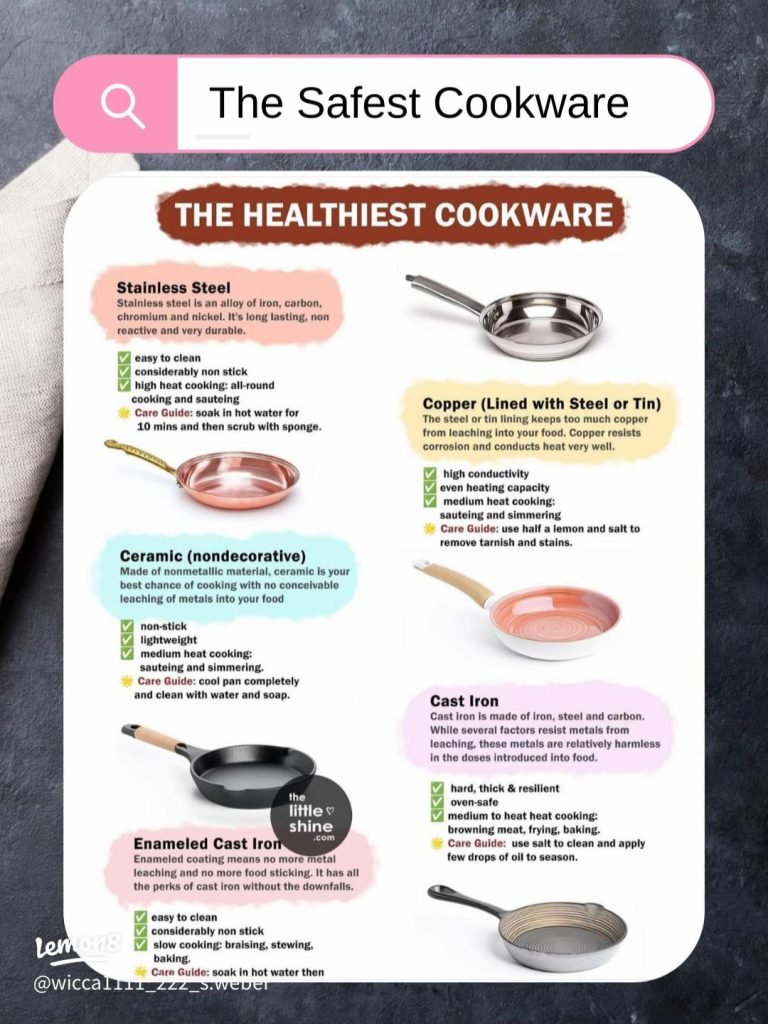
Ceramic cookware is a popular choice for health-conscious cooks. It is made from natural materials and often free from harmful chemicals like PFOA and PTFE. The smooth, non-stick surface makes cooking and cleaning a breeze, but it’s essential to avoid sudden temperature changes to prevent cracking.
I remember switching to ceramic pans and noticing an immediate improvement in how my food tasted. Have you ever tried frying an egg on a ceramic pan? It slides right off without any oil!
Stainless Steel
Stainless steel is another excellent option for non-toxic cookware. It’s durable, resistant to rust, and doesn’t react with acidic foods. Plus, it’s oven-safe and often dishwasher-friendly, which adds to its practicality.
Many professional chefs swear by stainless steel for its even heat distribution. If you’re thinking about an upgrade, consider trying a stainless steel skillet to see the difference in your cooking results.
Cast Iron
Cast iron cookware has been a kitchen staple for centuries. It’s naturally non-toxic and, with proper seasoning, becomes non-stick over time. The added bonus? A bit of iron leaches into your food, which can be beneficial for your health.
Using my grandmother’s cast iron skillet feels like a connection to the past. It’s perfect for getting a crispy crust on homemade bread. How do you feel about incorporating a piece of history into your everyday cooking?
By choosing cookware made from these non-toxic materials, you can create delicious meals without compromising your health. Which of these options will you try first in your kitchen?
Credit: www.lemon8-app.com
Avoiding Harmful Chemicals
Choosing safe cookware is crucial for health. Many pots and pans contain harmful chemicals. These chemicals can leach into food during cooking. Knowing what to avoid can protect you and your family.
Understanding Teflon Risks
Teflon is popular for its non-stick surface. It contains a chemical called PTFE. At high temperatures, PTFE can release toxic fumes. These fumes might cause flu-like symptoms. Avoid using Teflon on high heat. Consider alternatives like stainless steel or cast iron.
Identifying Harmful Coatings
Some cookware has harmful coatings. They might contain PFOA, lead, or cadmium. These can pose health risks. Scratched or damaged pans are more dangerous. Always check labels for safety certifications. Opt for ceramic or glass for peace of mind. These materials are free from harmful chemicals.
Eco-friendly Options
Choosing eco-friendly cookware is a smart way to protect both your health and the planet. As consumers become more conscious of environmental impacts, the demand for sustainable kitchenware has grown. But how do you ensure your choices are truly eco-friendly?
Sustainable Choices
When you think of sustainable cookware, materials like cast iron, stainless steel, and ceramic often come to mind. These materials are not only durable but also have a lower environmental footprint. For instance, cast iron can last a lifetime if cared for properly, reducing the need for replacements.
Stainless steel is another excellent choice, known for its longevity and recyclability. Ceramic is celebrated for being free from harmful chemicals, ensuring your meals are as clean as your conscience. Have you considered the origin of your cookware materials and their environmental impact?
Recyclable Cookware
The lifecycle of your cookware doesn’t end when you’re done with it. Opting for recyclable options ensures that your kitchenware can have a new life, minimizing waste. Aluminum, for example, is highly recyclable and can be reprocessed without losing quality.
Brands are increasingly offering cookware made from recycled materials, further reducing the environmental impact. By choosing products that can be recycled, you’re contributing to a circular economy. Isn’t it satisfying to know that your choices can lead to a cleaner planet?
- Look for brands that prioritize sustainability in their production processes.
- Check for certifications that indicate eco-friendly practices.
- Consider the end-of-life options for your cookware.
Your kitchen can be a place of innovation and sustainability. With a few mindful choices, you can create a healthier environment for yourself and the planet.
Durability And Safety
Choosing the right cookware is vital for health and longevity. Durability and safety are key factors. Durable cookware saves money in the long run. Safe cookware protects health by preventing toxins from leaching into food.
Long-lasting Materials
Stainless steel is known for its strength. It resists dents and scratches. Cast iron is another durable option. It can last for generations with proper care. Anodized aluminum is also reliable. It offers a non-stick surface and resists corrosion.
Safety Features To Look For
Ensure your cookware has non-toxic coatings. Avoid Teflon and other chemicals. Look for handles that stay cool. This prevents burns while cooking. Lids should fit tightly to retain heat. This ensures even cooking and saves energy.
Maintenance Tips
Choosing safe cookware is essential for health. Opt for stainless steel or cast iron for durability. Avoid non-stick coatings that may release harmful chemicals.
Maintaining your cookware is crucial to ensure its longevity and safety. Without proper care, even the safest cookware can become compromised. Whether you’re using stainless steel, cast iron, or ceramic, each type demands specific attention. By investing a little time in maintenance, you protect your health and enhance your cooking experience. Let’s dive into how you can effectively clean, store, and care for your cookware.Proper Cleaning Techniques
Cleaning your cookware correctly is the first step in maintenance. Always allow your pots and pans to cool before washing to prevent warping. For stainless steel, use warm soapy water and a non-abrasive sponge to avoid scratches. Cast iron requires a gentle approach; a simple wipe with a damp cloth usually suffices. If food sticks, use coarse salt as a scrub. Ceramic cookware benefits from mild detergents and soft sponges to keep its surface intact. Remember, harsh chemicals can degrade non-stick surfaces.Storage And Care
Storing your cookware properly is just as important as cleaning it. Hanging pots and pans can prevent scratches and preserve their surface. If space is limited, consider stacking with a soft cloth between each piece. Cast iron needs a dry environment to avoid rust; a light coat of oil before storing can help. For ceramic, ensure it is completely dry before placing it away to maintain its glaze. How you store your cookware can significantly impact its lifespan. Think about how these maintenance habits can streamline your kitchen routines. Are there small tweaks you can make today? By adopting these practices, you not only extend the life of your cookware but also enhance your culinary adventures.Cost Vs. Quality
Choosing safe cookware often involves a cost vs. quality debate. While budget plays a crucial role, safety should never be compromised. Many consumers struggle to find the perfect balance between affordability and high-quality materials. Understanding this balance can lead to healthier cooking and a better investment in the long run.
Balancing Budget And Safety
Many feel tempted to choose cheaper cookware. Yet, low-cost options might compromise safety. Some budget cookware contains harmful chemicals. These can leach into food during cooking. Consider materials like stainless steel or cast iron. They offer durability and safety without breaking the bank. Reading labels helps too. Look for products labeled as non-toxic or PFOA-free.
Investing In Quality Cookware
High-quality cookware often lasts longer. It provides safety and better cooking results. Stainless steel, ceramic, and cast iron are excellent choices. They may cost more upfront, but they save money over time. Fewer replacements mean less expense in the future. Quality materials also distribute heat more evenly. This results in better-cooked meals and less energy use.

Credit: www.facebook.com
Frequently Asked Questions
What Is The Safest Cookware Material?
Stainless steel is often considered the safest cookware material. It’s non-reactive, durable, and resistant to scratching. It doesn’t leach harmful chemicals into food. Additionally, it provides even heat distribution. It’s also easy to clean and maintain. For healthier cooking, stainless steel is a reliable choice.
Is Ceramic Cookware Safe For Everyday Use?
Yes, ceramic cookware is safe for everyday use. It’s non-toxic and free from harmful chemicals. Ceramic provides a non-stick surface without the use of PTFE or PFOA. It can withstand high temperatures without releasing toxins. Always ensure your ceramic cookware is from a reputable brand.
Are Non-stick Pans Harmful To Health?
Non-stick pans can be harmful if overheated. They often contain a coating called PTFE. When heated above 500°F, PTFE can release toxic fumes. These fumes are potentially harmful when inhaled. To ensure safety, use non-stick pans on low to medium heat.
Avoid using metal utensils to prevent scratching.
Can Cast Iron Cookware Be Safe For Cooking?
Yes, cast iron cookware is safe for cooking. It’s a natural non-stick surface when seasoned properly. Cast iron can leach iron into food, which is beneficial. It’s free from harmful chemicals and durable. It retains heat well, making it ideal for various cooking methods.
Conclusion
Choosing safe cookware protects your health and enhances cooking enjoyment. Stainless steel, cast iron, and glass offer excellent options. These materials are durable and free from harmful chemicals. Ceramic cookware provides a non-toxic cooking surface. Always check for quality and avoid scratched surfaces.
Research before buying ensures you make smart choices. Remember, safe cookware leads to healthier meals. Invest in quality to cook with confidence and peace of mind. Prioritize safety and enjoy cooking without worry. Your kitchen deserves the best, and so do you.