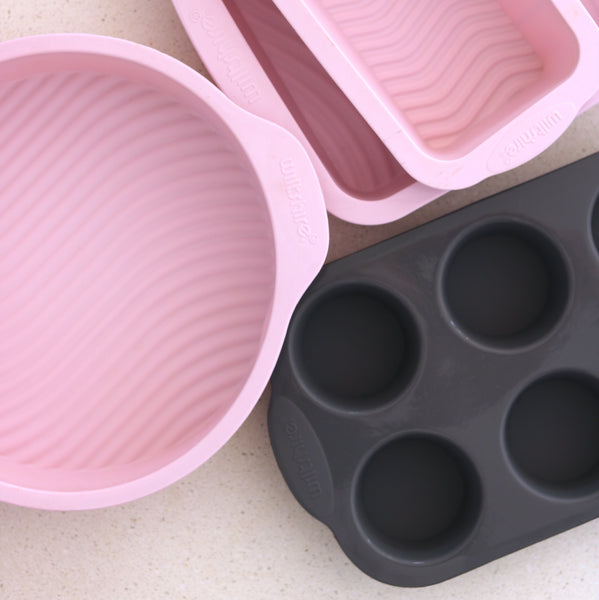
Silicone bakeware has taken the kitchen world by storm, offering a colorful and flexible alternative to traditional metal and glass cookware. Its non-stick surface and vibrant designs might have caught your eye, tempting you to give it a try.
But is silicone bakeware really the perfect solution for your culinary needs? Before you fill your kitchen with these bouncy baking companions, it’s essential to know what you might be getting into. We’ll explore the potential disadvantages of silicone bakeware that manufacturers might not highlight.
Understanding these drawbacks will help you make informed decisions, ensuring that your baking adventures remain smooth and successful. Dive in to discover if silicone bakeware is truly a match for your kitchen or if it might leave you in a sticky situation.
Health Concerns
Silicone bakeware has become popular for its convenience and flexibility. Yet, there are health concerns that users should be aware of. This section will delve into potential risks that might affect your well-being and food quality.
Chemical Leaching Risks
Silicone bakeware can release chemicals when heated. Some studies suggest that certain chemicals might leach into food. This can happen, especially at high temperatures. The impact of these chemicals on health remains uncertain. Concerns focus on substances like siloxanes, found in silicone products. Long-term exposure to these chemicals may pose health risks. Users should consider this when choosing bakeware for their kitchen.
Impact On Food Quality
Silicone bakeware can alter the taste of food. Food may absorb odors from the silicone. This happens more with repeated use. The quality of the bakeware affects this issue. Lower-quality silicone can have more pronounced effects. It’s essential to monitor any changes in taste or smell. This ensures your food remains delicious and safe to eat.
Durability Issues
Silicone bakeware can be less durable, often warping or losing shape with frequent use. Its flexibility may lead to unsteady handling, causing spills. Some users report that it retains odors and stains over time.
Silicone bakeware is popular for its flexibility and non-stick properties. Yet, it may not last as long as other materials. Durability issues can arise, affecting its performance in the kitchen. Understanding these limitations helps in making informed decisions.Resistance To High Temperatures
Silicone bakeware can withstand high temperatures up to a point. Exposing it to temperatures beyond its limit may cause warping. Extreme heat can also affect its non-stick surface. This results in uneven baking and potential damage. Silicone’s heat resistance can vary, depending on its quality and thickness.Wear And Tear Over Time
Silicone bakeware is prone to wear and tear. Frequent use can lead to scratches and fading. Silicone can absorb oils and odors from food, leading to stains. These issues affect its appearance and performance. Regular cleaning and careful handling may mitigate some of these effects.Performance Challenges
Silicone bakeware can sometimes lead to uneven baking results. It may not provide the best heat distribution. Over time, it might lose its shape or develop an odor.
Silicone bakeware has gained popularity due to its flexibility, non-stick properties, and vibrant colors. However, every rose has its thorn, and silicone bakeware is no exception. When it comes to performance, there are several challenges that can impact your baking experience.Heat Distribution Problems
One of the main concerns with silicone bakeware is uneven heat distribution. Unlike metal pans that conduct heat effectively, silicone tends to heat unevenly. This can lead to certain areas of your baked goods being undercooked while others are overcooked. Have you ever baked a cake in a silicone mold only to find the edges perfectly browned but the center still gooey? This is a common issue and can be quite frustrating. The lack of consistent heat distribution can make baking a hit-or-miss experience.Impact On Baking Results
The inconsistent heat distribution can directly affect the quality of your baked goods. You might notice that your cookies spread unevenly or your muffins rise lopsided. These results are not just about aesthetics; they affect the texture and flavor too. Imagine serving a batch of cupcakes at a party, only to find some are too dense while others are just right. It can be disappointing, especially when you’ve put in the effort to create something special. It makes you wonder, is silicone really worth the convenience if it compromises the outcome? Despite these challenges, some bakers swear by silicone for specific recipes. Could it be that certain types of baked goods are better suited for silicone bakeware? It’s a question worth considering as you decide whether to reach for that brightly colored mold or stick to your trusty metal pans.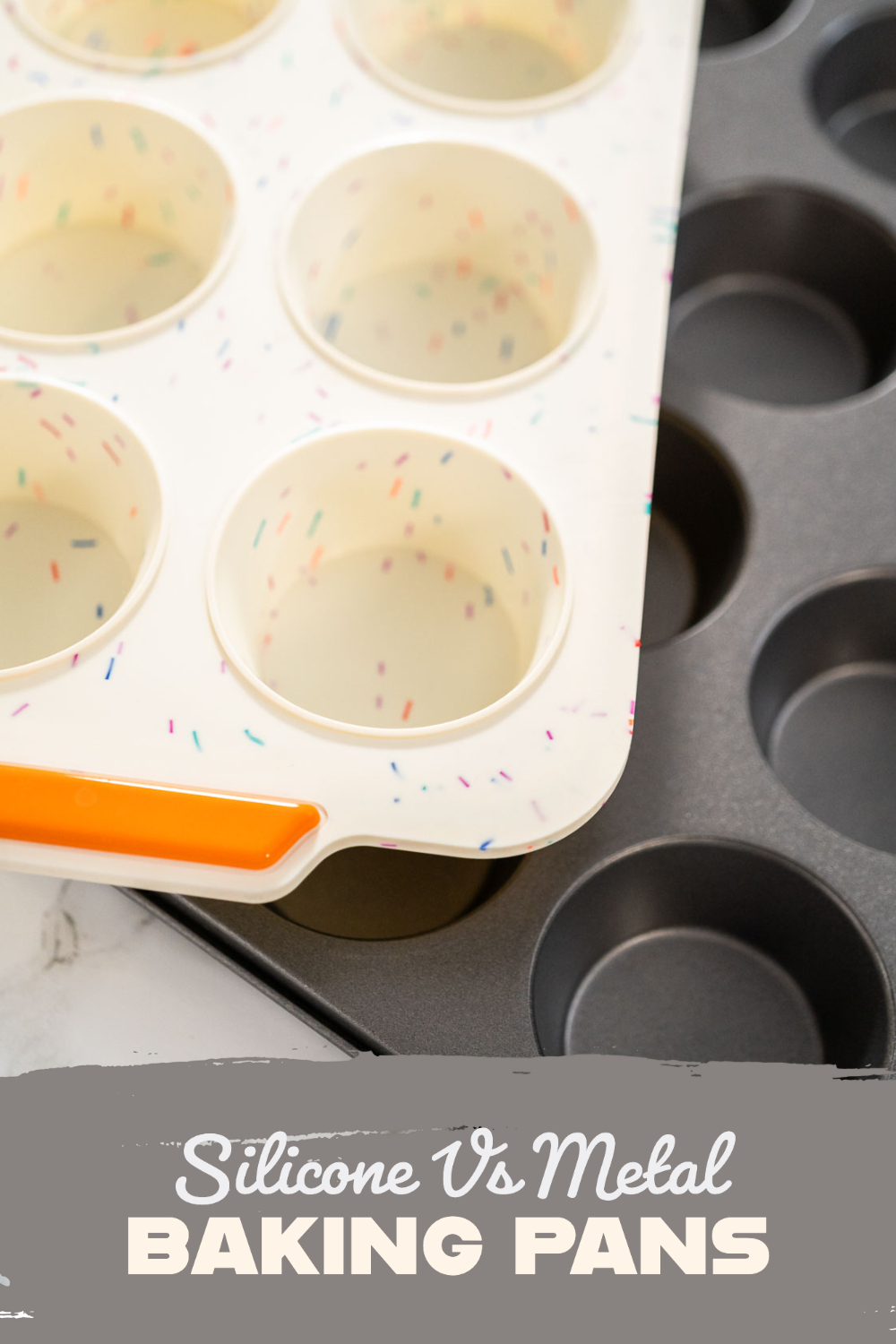
Credit: arinaphotography.com
Environmental Impact
Silicone bakeware has gained popularity for its convenience and flexibility. Yet, its environmental impact raises concerns. This bakeware is durable, but its eco-friendliness is questionable. Let’s explore the environmental drawbacks of silicone bakeware.
Non-biodegradable Material
Silicone is a synthetic polymer. It doesn’t break down easily. Unlike natural materials, it is non-biodegradable. Once discarded, it lingers in landfills for many years. This contributes to waste and pollution.
Recycling Challenges
Recycling silicone isn’t simple. Many facilities don’t accept it. Specialized processes are needed to recycle silicone properly. This makes it less recyclable than other materials. As a result, much of it ends up as waste.
Cost Implications
Silicone bakeware has gained popularity for its flexibility and non-stick properties, but not everything about it is sweet as a pie. One crucial aspect to consider is the cost implications. While silicone bakeware might seem like a savvy kitchen investment, the financial details can be more complex than they appear at first glance.
Higher Initial Investment
Silicone bakeware often comes with a higher price tag compared to traditional options like metal or glass. This can be a dealbreaker if you’re just starting to stock your kitchen. Why spend more when there are cheaper alternatives that get the job done?
You might think you’re paying for quality, but you could be paying for the novelty. Silicone’s flexible nature doesn’t always justify the cost, especially if you’re not baking frequently. Before splurging, ask yourself if the convenience is worth the extra dollars.
Lack Of Longevity
While silicone bakeware might seem like a durable choice, it doesn’t always stand the test of time. Frequent exposure to high temperatures can cause it to lose shape and effectiveness. Over time, this can lead to replacing your bakeware sooner than expected.
This can mean spending more in the long run, negating any initial savings. If you’ve ever had a silicone pan warp after a few uses, you know the frustration. It’s worth considering if you’d rather invest in something more durable.
Does the promise of convenience and flexibility outweigh the potential need for replacements? Weigh these factors carefully as you make your decision. Your wallet—and your kitchen—might thank you later.
Credit: consumersiliconeproducts.com
Credit: arinaphotography.com
Frequently Asked Questions
Is Silicone Bakeware Safe For Baking?
Silicone bakeware is generally safe for baking. It’s heat-resistant and doesn’t release harmful chemicals. However, low-quality silicone might not withstand high temperatures, causing it to warp or melt. Always check the manufacturer’s guidelines on temperature limits to ensure safety and maintain the integrity of your bakeware.
Does Silicone Affect Baking Results?
Silicone bakeware can affect baking results by altering heat distribution. It may cause uneven baking or browning. Silicone’s flexibility can make removing baked goods easier, but its insulating properties might require adjusting baking times. Proper usage and understanding these characteristics can help achieve desired baking outcomes.
Are There Health Risks With Silicone Bakeware?
Quality silicone bakeware is typically free from health risks. It’s made from food-grade materials that are non-toxic. However, low-quality versions might contain fillers that could release harmful substances. Ensure your silicone bakeware is FDA-approved to minimize any potential health risks and guarantee safe use in your kitchen.
Why Does Silicone Bakeware Smell?
Silicone bakeware might emit a smell due to trapped oils or food particles. This is common in low-quality silicone, especially when exposed to high temperatures. Regular cleaning with warm water and baking soda can help eliminate odors. Opting for high-quality silicone can reduce the likelihood of persistent smells.
Conclusion
Silicone bakeware offers some convenience but has its drawbacks. Safety concerns arise with heat and chemicals. Not all pieces are durable, which might lead to wear. Some users find silicone affects baking results, like uneven cooking. Cleanup can be tricky with sticky residues.
Storage requires careful handling, avoiding sharp objects. Silicone bakeware isn’t always compatible with high temperatures. It can warp or melt under extreme heat. Some options are costly compared to traditional bakeware. Consider these factors before choosing silicone for your kitchen.
Evaluate your needs and preferences to make the best decision.