Have you ever wondered how long you can safely store cold food in your commercial kitchen? Maintaining the freshness and safety of food is crucial, especially when you’re serving it to customers.
Understanding the optimal date range for cold food storage isn’t just about avoiding spoilage; it’s about ensuring the health and satisfaction of everyone who walks through your doors. We’ll unlock the secrets to extending the shelf life of your cold-stored items, helping you optimize your kitchen operations and minimize waste.
Get ready to discover practical tips that will help you safeguard your ingredients and keep your kitchen running smoothly. Don’t miss out on learning how to make your food storage practices more efficient and effective. Dive in to find out how you can elevate your commercial kitchen’s food storage game!
Cold Food Storage Basics
Understanding date ranges for cold food storage in commercial kitchens is essential for safety. Different foods have varied storage durations, ensuring freshness and preventing spoilage. Proper labeling and regular checks help maintain optimal conditions and extend the life of ingredients.
Cold food storage in a commercial kitchen is an essential practice that ensures food safety and quality. Understanding the basics can help you maintain the integrity of your ingredients and reduce food waste. Let’s explore some foundational concepts that will help you master cold food storage.Understanding Temperature Settings
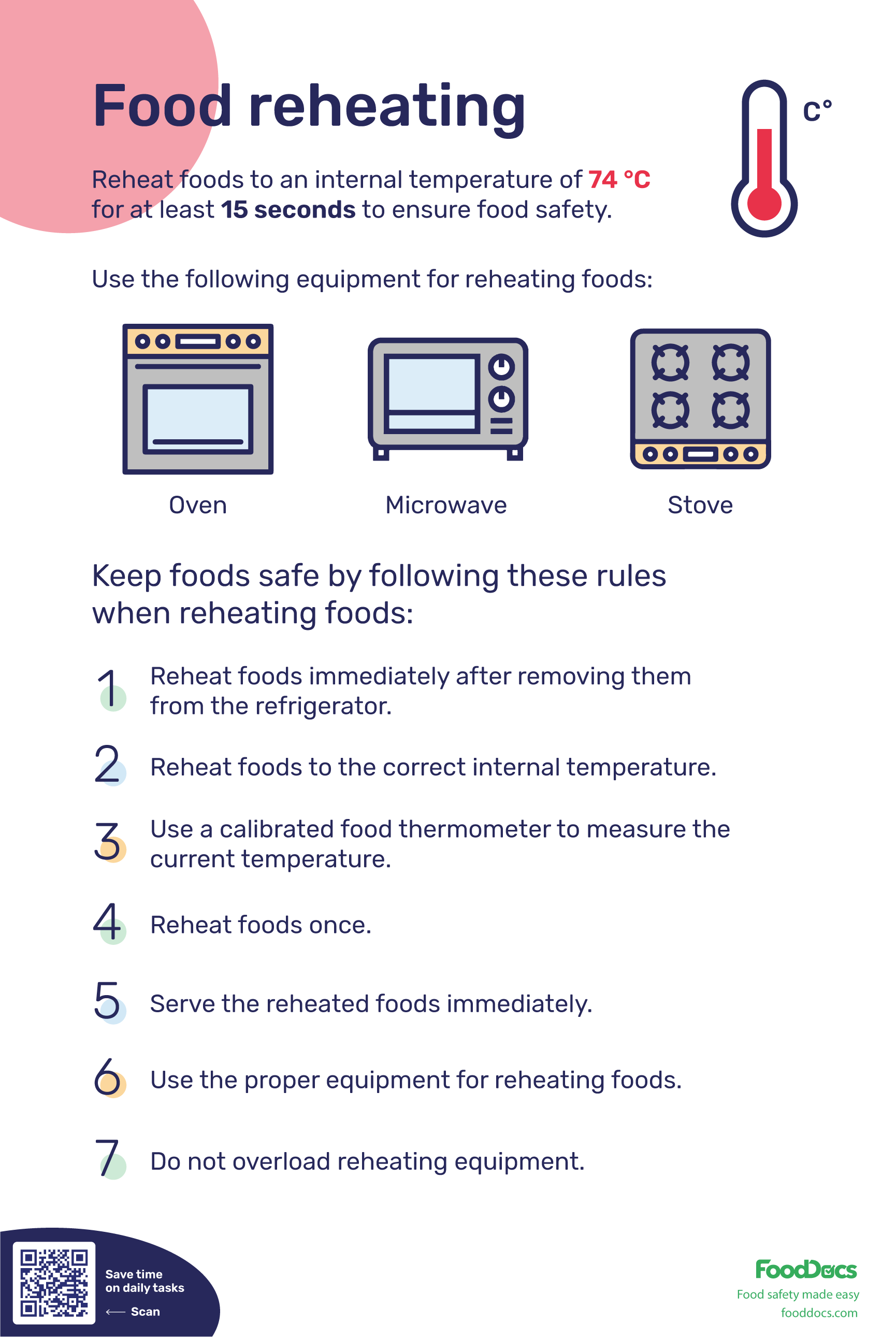
Maintaining the correct temperature is crucial for cold food storage. Set your refrigerators between 34°F and 40°F (1°C and 4°C) to prevent bacterial growth. Freezers should be kept at 0°F (-18°C) or lower to preserve food for longer periods.Organizing Your Storage Space
Proper organization can make a big difference in food safety. Store raw meats on the bottom shelves to prevent drips from contaminating other foods. Keep ready-to-eat items and perishables at eye level to ensure they’re used before their expiration dates.Labeling And Dating
Implement a labeling system to track your food’s freshness. Use clear labels with the date of storage for every item. This practice helps in maintaining a first-in, first-out system, ensuring older items are used before newer ones.Regular Inventory Checks
Conduct regular inventory checks to manage your stock efficiently. Weekly inspections can help identify items nearing their expiration or improperly stored. This proactive approach minimizes food waste and maximizes efficiency.Addressing Common Storage Mistakes
Avoid common mistakes like overloading your fridge, which hinders air circulation. Ensure that food containers are sealed tightly to prevent moisture loss and odor transfer. Pay attention to cleaning schedules to keep your storage areas sanitary. Cold food storage is more than just keeping food cold; it’s about ensuring safety and quality. Are you ready to apply these fundamentals in your commercial kitchen?Understanding Temperature Control
Cold food storage in commercial kitchens requires strict temperature control. Foods like dairy, meats, and seafood should be kept between 32°F and 40°F. This ensures freshness and prevents bacteria growth. Proper monitoring during storage is crucial for food safety.
Understanding temperature control in cold food storage is crucial for commercial kitchens. It ensures food safety and extends the shelf life of ingredients. Proper temperature management reduces the risk of spoilage and contamination. It is essential for maintaining the quality of food served to customers. Let’s delve into the specifics of temperature control.Ideal Temperature Settings
For cold food storage, maintain temperatures between 32°F and 40°F. This range prevents bacterial growth and keeps food fresh. Freezers should be set at 0°F or lower. This ensures items remain frozen and safe for use. Regularly check and calibrate thermometers for accuracy. This helps in maintaining the ideal temperature.Importance Of Consistency
Consistent temperatures prevent fluctuations that lead to spoilage. Sudden changes can cause condensation and affect food quality. Reliable refrigeration systems are crucial for maintaining steady temperatures. Regular maintenance checks help in identifying issues early. Ensure staff is trained to monitor and adjust settings as needed.Storage Duration Guidelines
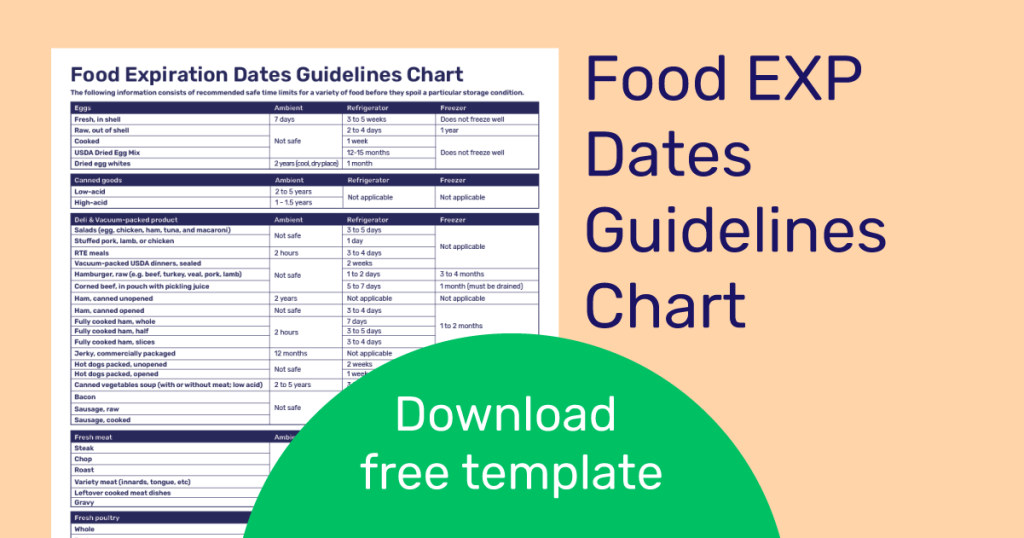
Understanding the storage duration guidelines for cold food storage in commercial kitchens is crucial for maintaining food quality and safety. Proper storage not only extends the shelf life but also ensures that the food remains safe for consumption. As a chef, you might have encountered a situation where you had to throw away food due to improper storage. Knowing the precise storage times can help you avoid waste and save on costs. Let’s dive into the specifics of refrigerator and freezer storage times, so you can keep your kitchen running efficiently.
Refrigerator Storage Times
The refrigerator is your best friend when it comes to short-term storage. It helps preserve freshness and flavor. Here are some guidelines:
- Poultry and Meat:Store for 1-2 days to maintain optimal quality.
- Fish:Keep for no more than 1-2 days to ensure freshness.
- Dairy Products:Use within 1 week for best taste and texture.
- Cooked Leftovers:Store for up to 3-4 days to avoid spoilage.
Have you ever wondered why some foods spoil faster than others? The answer often lies in the storage duration. Being aware of these timelines can save you from unpleasant surprises.
Freezer Storage Times
Freezing is ideal for long-term storage. It helps maintain food quality for extended periods. Here’s how long you can store various items:
- Meat and Poultry:Freeze for up to 6 months to maintain flavor.
- Fish:Store for 2-3 months for best quality.
- Vegetables:Keep for up to 8-12 months to preserve nutrients.
- Baked Goods:Freeze for 2-3 months to maintain freshness.
Have you ever tried to defrost a piece of meat only to find it freezer-burned? Sticking to these storage times can help prevent such mishaps.
By following these storage guidelines, you can ensure that your commercial kitchen operates smoothly and efficiently, minimizing waste and maximizing quality. Which foods do you find challenging to store in your kitchen?
Credit: www.fooddocs.com
Common Food Categories
Cold food storage in commercial kitchens requires attention to date ranges to ensure freshness and safety. Typically, refrigerators keep food between 32°F and 40°F, extending shelf life. Regular checks help maintain optimal conditions and prevent spoilage.
In a bustling commercial kitchen, storing food properly is crucial for maintaining quality and safety. Understanding the date range for cold food storage helps prevent waste and ensure your dishes are consistently top-notch. While each food category has its unique requirements, there are general guidelines you can follow to optimize storage times and conditions.Dairy Products
Dairy products like milk, cheese, and yogurt require precise storage conditions. Milk stays fresh for about 5-7 days in the fridge, but always check for off smells or curdling. Cheese varies with types; soft cheeses should be consumed within 1-2 weeks, while hard cheeses can last for a month or more when properly wrapped. Yogurt usually maintains its quality for up to two weeks. Have you ever wondered why cheese seems to last longer than milk?Meat And Poultry
Meat and poultry are sensitive to temperature and storage duration. Raw poultry should be cooked within 1-2 days, while beef can last 3-5 days in the fridge. Freezing extends their life dramatically, up to several months. Organizing your fridge to keep these items in the coldest section can make a big difference. Do you keep track of these timelines to prevent spoilage and ensure safety?Fruits And Vegetables
Fruits and vegetables have varying storage needs, often dependent on their ripeness. Berries and leafy greens should be consumed within a few days, while root vegetables can last weeks. Some fruits, like apples, are best kept in cold storage to extend their shelf life. Be mindful of ethylene-producing fruits like bananas that can hasten the ripening of nearby produce. How do you manage your produce storage to keep it fresh and vibrant? By understanding these common food categories, you can streamline your kitchen operations, reduce waste, and deliver high-quality meals to your customers. Are you ready to refine your storage practices and make the most of your commercial kitchen’s cold storage?Safety Practices
Proper cold food storage ensures safety in commercial kitchens. Keep raw poultry refrigerated for up to two days, while cooked meat can last up to four days. Dairy products are safe for up to one week when stored correctly.
Ensuring the safety of cold food storage in a commercial kitchen is crucial for maintaining food quality and preventing foodborne illnesses. Safety practices are not just guidelines; they are essential habits that protect both your customers and your reputation. Implementing these practices effectively can make a significant difference in how your kitchen operates.Avoiding Cross-contamination
Cross-contamination is a silent saboteur in any kitchen. To prevent it, always store raw foods separate from cooked or ready-to-eat items. Designate specific areas in your refrigerator for different types of food. Use color-coded containers or labels to distinguish between food categories. This simple step ensures that raw chicken, for instance, doesn’t drip onto fresh vegetables. Have you ever thought about how often this common mistake happens? Regularly clean and sanitize your storage areas and utensils. A clean kitchen is a safe kitchen, and this habit helps in reducing the risk of cross-contamination.Proper Packaging Techniques
Proper packaging is like a shield that protects your food from external contaminants. Use airtight containers to store food. This prevents air exposure, which can lead to spoilage and freezer burn. Vacuum sealing is another excellent option for preserving freshness. It extends the shelf life of foods significantly by removing excess air. Labeling is also crucial. Mark your packages with dates to monitor freshness and rotation. Ever found an unmarked container in the back of the fridge? Knowing exactly what’s inside and when it was stored can save you from potential hazards. These practices not only enhance food safety but also improve efficiency in your kitchen.
Credit: www.bostonglobe.com
Signs Of Spoilage
Cold food storage in commercial kitchens requires careful monitoring of date ranges. Spoiled food can occur if stored past recommended time limits. Always check labels and rotate stock to maintain freshness.
Understanding the signs of spoilage is crucial in a commercial kitchen. Fresh ingredients ensure the best taste and safety. Recognizing spoilage helps maintain quality and prevent foodborne illnesses. Let’s explore the common signs of spoilage in cold food storage.Visual Indicators
Look for changes in color. Fresh produce should have vibrant hues. Dull or faded colors might indicate spoilage. Mold is another clear sign. It appears as fuzzy or discolored spots. Check for any unusual liquid or slime on the surface. This often means the food is decomposing. Always inspect the packaging for any bulging or damage. It could mean the food is not safe.Odor And Texture Changes
Spoiled food often has a strong, unpleasant smell. Trust your nose. If it smells off, it probably is. The texture may also change. Fresh food is firm and crisp. Spoiled food can become mushy or slimy. With meat, feel for stickiness. It’s a key sign of spoilage. Always wash your hands after checking. This prevents contamination.Extending Shelf Life
Understanding the date range for cold food storage is crucial in commercial kitchens. Proper storage temperatures can extend shelf life, ensuring food safety and quality. Regularly check and rotate stock to maintain freshness and prevent waste.
Extending the shelf life of cold food storage in a commercial kitchen is vital for maintaining quality and minimizing waste. With the right strategies, you can preserve freshness and save costs. It’s not just about keeping food cold; it’s about using smart methods to ensure longevity. Let’s dive into some practical ways to extend the life of your ingredients.Effective Preservation Methods
Keeping food fresh isn’t just about temperature. It’s also about how you store and handle it. Vacuum sealing can significantly extend the shelf life by removing air and reducing oxidation. Proper labeling is another crucial step. Clearly marked dates help ensure that older items are used first, reducing spoilage. Consider portion control when storing. Smaller batches are easier to monitor and use up quickly, avoiding unnecessary waste.Using Technology For Monitoring
Technology can be your best friend in maintaining optimal storage conditions. Smart sensors can track temperature and humidity levels continuously. You can set up alerts to notify you if conditions fall outside the safe range, allowing for immediate action. Data logging can help identify patterns or issues, giving you insights into improving your storage practices. Have you ever noticed how a simple alert can save a whole batch of ingredients? Implementing these technologies not only boosts efficiency but also ensures food safety. By integrating these methods and technologies, you enhance your kitchen’s capability to keep food fresh longer, ensuring customer satisfaction and reducing unnecessary costs.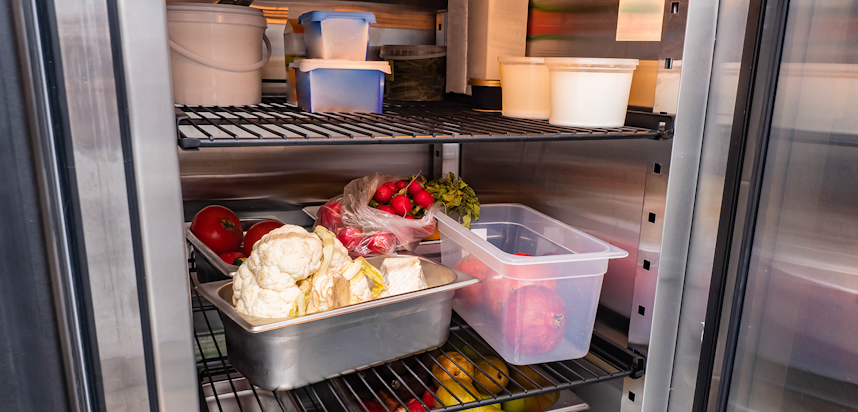
Credit: erudus.com
Environmental Impact
Cold food storage in commercial kitchens impacts the environment by increasing energy consumption. Proper date range management can reduce waste and promote sustainability. Efficient storage practices help minimize the carbon footprint associated with refrigeration.
Reducing food waste and conserving energy are crucial aspects of managing a commercial kitchen. The environmental impact of cold food storage is significant, as it involves energy consumption and potential food wastage. By adopting sustainable practices, you can minimize your kitchen’s carbon footprint and contribute positively to the environment.Reducing Food Waste
Reducing food waste in your kitchen starts with understanding the optimal date range for storing different foods. Proper storage conditions can extend the freshness of your produce, dairy, and meats, ensuring they are consumed rather than discarded. Consider organizing your storage based on first-in, first-out (FIFO) principles. This method helps in using older stock before new stock, reducing the chance of spoilage. Engage your staff in regular inventory checks to maintain this system effectively. How often do you find yourself throwing out expired food? By keeping a keen eye on storage dates, you can drastically cut down on waste and save costs.Energy Efficient Storage Solutions
Energy-efficient storage solutions are not just good for the environment—they’re good for your bottom line too. Investing in modern refrigeration equipment that meets Energy Star standards can reduce energy consumption significantly. Routine maintenance is key to ensuring that your cold storage units operate at peak efficiency. Simple actions like regular cleaning of condenser coils and ensuring door seals are intact can lead to substantial energy savings. Have you considered upgrading to energy-efficient models? They might come with a higher initial cost, but the long-term savings on energy bills can be substantial. Adopting these practices not only lessens your environmental impact but also enhances the sustainability of your business.Frequently Asked Questions
What Is The Ideal Cold Food Storage Temperature?
The ideal temperature for cold food storage in commercial kitchens is between 32°F and 40°F. This range helps maintain food safety by preventing bacterial growth. Regularly monitoring and maintaining this temperature is crucial for ensuring the freshness and safety of stored food products.
How Long Can You Store Cooked Meat?
Cooked meat can be stored in a commercial refrigerator for 3 to 4 days. Ensure it’s stored in airtight containers or wrapped tightly with plastic wrap or aluminum foil. Proper storage helps prevent bacterial growth and maintains the quality of the meat.
What Is The Shelf Life Of Dairy Products?
Dairy products, like milk and yogurt, can typically be stored for 1 to 2 weeks. Cheese can last longer, up to several weeks, depending on the type. Always check expiration dates and store dairy in the coldest part of the refrigerator to preserve freshness.
How Often Should You Check Fridge Temperatures?
Check fridge temperatures at least twice a day to ensure they remain between 32°F and 40°F. Regular checks help maintain consistent temperatures, preventing food spoilage and ensuring safety. Implementing a log system for recording temperatures can enhance accountability.
Conclusion
Understanding cold food storage is crucial for kitchen safety. Proper storage extends food freshness. It reduces waste and saves money. Always check your storage temperatures regularly. Follow food safety guidelines strictly. This ensures your customers’ health. Keep track of storage dates for best results.
Use labels for easy monitoring. This makes your kitchen efficient and organized. Implement these practices consistently. Your kitchen will run smoothly and safely. Remember, food safety is a top priority. It builds trust with your customers. Reliable storage practices protect your business reputation.
Stay informed and committed to excellence.