Have you ever wondered if silicone bakeware is safe to use in your kitchen? As you prepare delicious meals and desserts for your loved ones, it’s essential to know whether the tools you’re using are safe and reliable.
You might have seen silicone pans and baking mats gaining popularity for their non-stick properties and vibrant colors, but are they truly safe for your health and well-being? We’ll uncover the truths about silicone bakeware, addressing your concerns and offering insights that will empower you in making informed decisions.
Whether you’re a seasoned baker or someone who enjoys the occasional baking adventure, understanding the safety of your bakeware is crucial. Let’s dive into the facts that matter, ensuring you can bake with confidence and peace of mind.
What Is Silicone Bakeware?
Silicone bakeware has become popular in kitchens worldwide. Its flexibility and durability make it a favorite among bakers. But what exactly is silicone bakeware? Understanding its composition and benefits can help you decide if it’s right for your baking needs.
Silicone bakeware is made from a rubber-like material. This material is a combination of silicon and oxygen. It’s known for being non-stick and heat-resistant. Silicone can withstand high temperatures, making it ideal for baking.
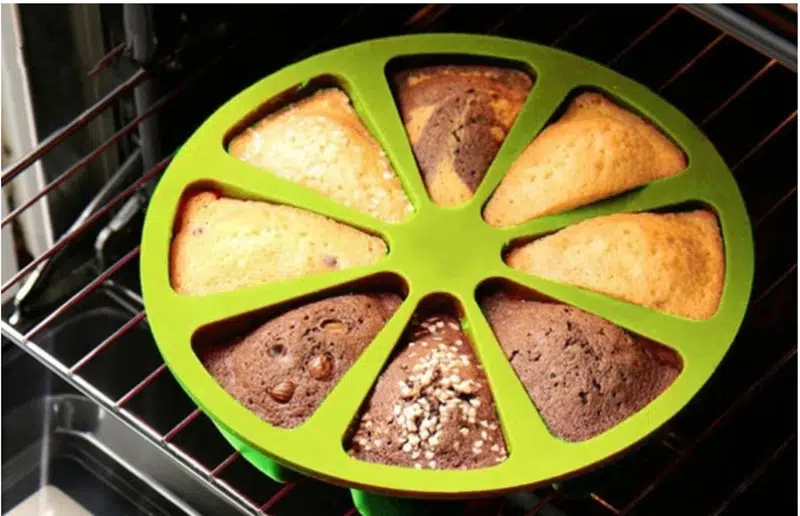
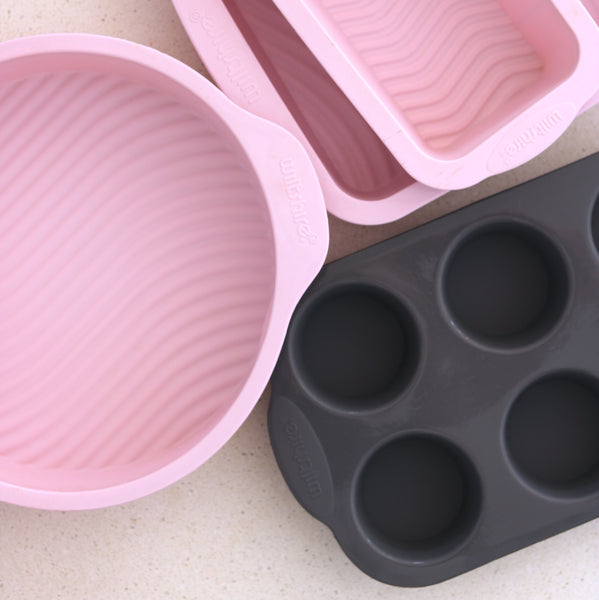
Many types of bakeware are available, including muffin pans, cake molds, and baking mats. These products come in various shapes and sizes. They are often brightly colored, adding a fun touch to your kitchen.
- Flexible and easy to store
- Non-stick, reducing the need for greasing
- Dishwasher-safe for easy cleaning
Common Uses Of Silicone Bakeware
Silicone bakeware is versatile. Use it for baking cakes, muffins, and bread. It’s also great for making candies and chocolates. Some people use it for freezing food too. Its flexibility makes it easy to remove baked goods.
Safety Concerns With Silicone Bakeware
Some worry about its safety at high temperatures. Research suggests silicone is safe for baking. Always check the manufacturer’s guidelines for temperature limits. Ensure it’s food-grade silicone for best results.
How Silicone Bakeware Is Made
Silicone bakeware is crafted by combining silicone polymers with oxygen. The process creates flexible and non-stick molds. It’s typically safe, as silicone withstands high temperatures and doesn’t leach harmful chemicals into food.
Silicone bakeware has become a staple in many kitchens, thanks to its flexibility, non-stick properties, and vibrant colors. But have you ever wondered how these handy baking tools are crafted? Understanding the manufacturing process can give you confidence in their safety and functionality. Let’s dive into the fascinating world of silicone bakeware production.Raw Materials Used
Silicone bakeware begins with a combination of silicon, carbon, hydrogen, and oxygen. These elements are derived from silica, typically found in sand. This mix forms a synthetic rubber-like material known for its heat resistance and durability.Mixing And Molding
Once the raw materials are gathered, they are mixed thoroughly to ensure consistency. The mixture is then poured into molds that define the shape of the bakeware, such as muffin trays or cake pans. After molding, the silicone is cured at high temperatures to solidify its form.Quality Testing
Before reaching your kitchen, silicone bakeware undergoes rigorous testing. Manufacturers check for heat resistance, flexibility, and non-stick properties. These tests ensure that the bakeware can withstand the rigors of baking without losing its shape or safety features.Color And Design Addition
One of the appealing aspects of silicone bakeware is its bright colors and unique designs. During production, dyes are added to the silicone mix, allowing for endless color possibilities. Designs are often embossed or printed on the bakeware during the molding process, adding an aesthetic touch. Have you noticed any unique designs on your silicone bakeware?Benefits Of Silicone Bakeware
Silicone bakeware has gained a reputation for being a kitchen marvel, offering a multitude of benefits that appeal to both amateur and professional bakers alike. But what exactly makes silicone bakeware a popular choice? Let’s explore some of its standout features that might just convince you to give it a try.
Non-stick Properties
Have you ever struggled to remove a cake from a pan, only to have it crumble in your hands? Silicone bakeware solves this problem with its naturally non-stick surface. This means your baked goods easily pop out without leaving a crumb behind.
This property not only saves time but also reduces the need for additional oil or butter, promoting healthier cooking. Say goodbye to stubborn cake bits and hello to flawless presentations!
Temperature Resistance
Silicone bakeware is remarkably versatile when it comes to temperature. It can withstand both high heat and freezing temperatures, making it suitable for a variety of recipes.
You can effortlessly transfer your silicone molds from the oven to the freezer without any risk of damage. This flexibility opens up a world of culinary possibilities, from baking cakes to molding ice creams.
Ease Of Cleaning
Cleaning up after baking can be a daunting task, but silicone bakeware makes it a breeze. Its smooth surface prevents food from sticking, so a simple rinse usually does the trick.
For those extra stubborn spots, a quick wash with soap and water is all you need. Plus, most silicone bakeware is dishwasher safe, saving you even more time and effort.
With these incredible benefits, it’s no wonder silicone bakeware is becoming a staple in kitchens everywhere. Have you tried it yet? If not, what’s holding you back? Embrace the ease and efficiency that silicone bakeware brings, and elevate your baking experience.

Credit: www.instagram.com
Potential Health Concerns
Silicone bakeware has become a popular choice in many kitchens for its convenience and versatility. However, some people have raised concerns about its safety. It’s essential to understand the potential health risks associated with using silicone bakeware to make informed decisions in your cooking endeavors.
Chemical Composition
Silicone is a synthetic polymer made from silicon, oxygen, carbon, and hydrogen. These elements come together to form a flexible and heat-resistant material. The concern arises from the possibility of chemical additives used during manufacturing.
Have you ever wondered what’s actually in your silicone muffin tin? While pure silicone is considered safe, the potential for additional fillers can be worrisome. These fillers may not always be disclosed on the packaging, leaving you in the dark about what you’re really using.
Leaching Risks
Leaching is a process where substances from the bakeware can transfer into the food. This is more likely to happen at high temperatures. If you’re baking at temperatures above 200°C (392°F), it’s worth considering this risk.
Does your cupcake smell like chemicals? That’s a sign that something might be leaching into your food. It’s a good idea to test new silicone bakeware at lower temperatures first to see if there’s any noticeable odor.
Food Safety Regulations
In many countries, silicone bakeware must meet specific standards to be deemed safe for food use. These regulations are in place to ensure that the material does not release harmful chemicals. However, not all products are equally regulated.
When was the last time you checked for safety certifications? Look for bakeware labeled with FDA or LFGB certifications. These labels indicate that the product has been tested and meets the necessary safety standards.
Ultimately, understanding the potential health concerns allows you to make smarter choices. By being informed, you can enjoy the benefits of silicone bakeware without compromising your health.
Comparing Silicone To Other Materials
When choosing bakeware, safety and performance are important. Silicone bakeware is popular for its flexibility and ease of use. How does it compare to other common materials?
Silicone Vs. Metal
Metal bakeware is known for even heat distribution. It often results in crispy edges. Silicone, on the other hand, is flexible and non-stick. Removing baked goods from silicone is easier. Metal can rust over time. Silicone is durable and doesn’t rust. Safety wise, both are generally safe. Avoid using silicone at high temperatures. Metal can withstand higher heat but watch for scratches.
Silicone Vs. Glass
Glass bakeware is heavy and offers clear visibility. It retains heat well, which helps with even baking. Silicone is lightweight and easy to store. Glass can break if dropped. Silicone is less likely to crack. Glass is perfect for recipes requiring long baking times. Silicone is ideal for quick, easy recipes. Both materials are safe, but glass can shatter.
Silicone Vs. Plastic
Plastic bakeware is less common due to heat limitations. It can melt or warp at high temperatures. Silicone is more heat-resistant than plastic. It can be used in ovens safely. Plastic is often used for storage, not baking. Silicone’s flexibility is unmatched. It’s safer than plastic for baking. Both materials are light, but silicone is better for cooking.
Credit: bakeclub.com.au
Tips For Safe Use
Silicone bakeware has revolutionized the world of baking with its flexibility and non-stick properties. However, ensuring its safe use is crucial for both your culinary success and health. By considering a few practical tips, you can maximize your baking experience and keep your kitchen safe.
Choosing Quality Bakeware
Your bakeware choice can impact both the quality of your baked goods and your safety. Opt for well-known brands that have positive reviews and a reputation for high-quality silicone products. Look for bakeware that is BPA-free and food-grade, ensuring it’s free from harmful chemicals. Checking for certifications can also provide peace of mind.
Proper Cleaning Methods
Maintaining your silicone bakeware involves more than just rinsing it off. Use mild dish soap and warm water to clean thoroughly, ensuring no residue remains. Avoid abrasive scrubbers, which can damage the surface and compromise its non-stick feature. A thorough rinse and dry are essential to prevent mold and lingering odors.
Safe Temperature Limits
Silicone bakeware is known for its ability to withstand high temperatures, but it’s crucial to stay within safe limits. Most silicone bakeware can handle temperatures up to 428°F (220°C). Always check the manufacturer’s instructions for specific temperature guidelines. Pushing beyond these limits can lead to warping or release of chemicals. Isn’t it better to play it safe than risk ruining your favorite cake?
By focusing on quality, cleaning, and temperature, you ensure your silicone bakeware remains a reliable kitchen companion. Have you made any adjustments to your baking routine recently? Share your thoughts below!
Consumer Reviews And Experiences
Silicone bakeware is gaining popularity due to its convenience and versatility. Many consumers find it safe for baking, but some express concerns about chemical leaching. Reviews reveal mixed experiences, highlighting the importance of quality and proper usage to ensure safety in the kitchen.
Consumer reviews and experiences play a crucial role in understanding silicone bakeware’s safety. Feedback from everyday users provides real-world insights. This helps potential buyers make informed decisions.Positive Feedback
Many users praise silicone bakeware for its non-stick properties. Baked goods slide out effortlessly. This feature reduces the need for added fats or oils. Cleaning is also a breeze, saving time and effort. Users appreciate its flexibility. Silicone bakeware easily bends without breaking. This makes storage simple and efficient.Common Complaints
Some users report a lingering odor with new silicone bakeware. This can affect the taste of baked goods. Others mention uneven baking results. Certain items may not cook evenly in silicone molds. Durability concerns also arise. Some users find that silicone can tear with frequent use.Expert Opinions
Many experts agree that silicone bakeware is generally safe for cooking. It withstands high temperatures without releasing harmful chemicals. It’s essential to use quality products to ensure safety and performance.
When considering the safety of silicone bakeware, expert opinions hold significant weight. Many consumers seek clarity on potential health risks. Experts offer insights based on scientific research and health guidelines. This section delves into findings and statements from reputable sources.Research Findings
Scientific studies explore silicone’s safety in cooking. Most research shows silicone does not release harmful substances at typical baking temperatures. It remains stable up to 428°F (220°C). Some studies even test silicone at higher temperatures with no harmful effects. Researchers conclude silicone is generally safe for cooking and baking.Statements From Health Organizations
Health organizations provide guidelines on kitchenware safety. The Food and Drug Administration (FDA) considers silicone bakeware safe for regular use. They approve silicone products for food contact under specific conditions. The European Food Safety Authority (EFSA) also supports silicone’s safety. Both organizations base their approval on rigorous testing. Their statements reassure consumers about using silicone bakeware.Future Of Silicone Bakeware
Silicone bakeware is safe for everyday baking. It withstands high temperatures without releasing harmful chemicals. Easy to clean and durable, it’s a favorite in many kitchens.
The future of silicone bakeware is an exciting topic for both seasoned bakers and newcomers to the kitchen. As its popularity grows, so does the innovation behind it. Silicone bakeware is known for its flexibility and durability, but what does the future hold for this kitchen staple? Whether it’s new designs or emerging trends, there’s much to anticipate.Innovations In Design
Silicone bakeware is undergoing a design renaissance. Manufacturers are experimenting with vibrant colors and unique shapes that enhance both aesthetics and functionality. Imagine a muffin tray that not only makes baking easy but adds a pop of color to your kitchen. Consider silicone molds that double as serving dishes. This dual purpose saves you time and reduces clutter. Have you ever wished for bakeware that stores easily? New foldable designs cater to small kitchens and make storage a breeze.Trends In Kitchenware
The kitchenware market is increasingly leaning towards eco-friendly products, and silicone bakeware fits right in. It’s reusable and often made from food-grade materials, meeting the demand for sustainable options. Are you looking to reduce your carbon footprint? Silicone might just be the answer. Another trend is the integration of technology. Smart bakeware with sensors to monitor baking times and temperatures is no longer a distant dream. Imagine getting a notification on your phone that your cake is perfectly baked. As you explore these trends and innovations, consider how they align with your baking style and kitchen needs. The future of silicone bakeware is not just about convenience; it’s about transforming your baking experience into something extraordinary.
Credit: www.instagram.com
Frequently Asked Questions
Is Silicone Bakeware Safe For Baking?
Yes, silicone bakeware is generally safe for baking. It’s made from food-grade silicone, which is non-toxic and heat-resistant. Ensure it’s from a reputable brand to avoid low-quality materials. Always check for any manufacturer’s guidelines on temperature limits to maintain safety.
Can Silicone Bakeware Withstand High Temperatures?
Silicone bakeware can typically withstand temperatures up to 428°F (220°C). However, it’s always best to check specific product guidelines. Avoid placing silicone bakeware near direct heat sources like broilers or open flames to prevent damage.
Does Silicone Bakeware Affect Food Taste?
Silicone bakeware does not affect food taste. It is non-reactive, ensuring no flavors or odors are transferred during baking. Make sure to clean it thoroughly after each use to prevent any lingering scents from previous bakes.
How Do You Clean Silicone Bakeware Properly?
Clean silicone bakeware with warm, soapy water and a soft sponge. Avoid abrasive cleaners that can damage the surface. Rinse thoroughly to remove soap residue. If stubborn stains persist, a baking soda paste can help remove them effectively.
Conclusion
Silicone bakeware proves to be a safe kitchen choice. Its non-stick surface makes baking and cleaning easy. Safety concerns often arise, but silicone withstands heat without releasing toxins. Choose high-quality products for added peace of mind. Check for FDA-approved labels to ensure safety.
Silicone’s flexibility and durability make it a favorite for many bakers. It’s lightweight, easy to store, and long-lasting. Always follow manufacturer guidelines for best use. Enjoy baking with silicone, knowing it’s a practical and safe option. Make informed choices in your kitchen for better cooking experiences.