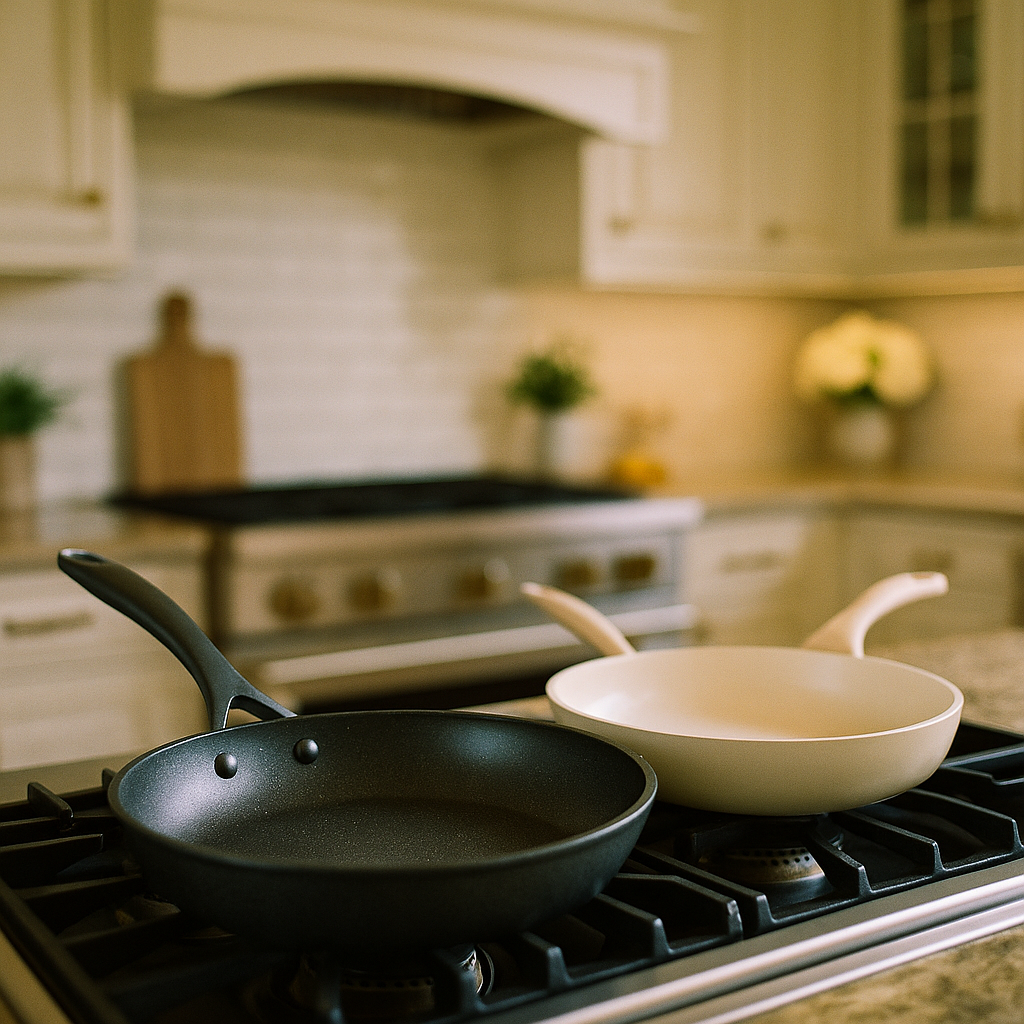
Have you ever wondered if your non-stick ceramic cookware is safe for your health? You’re not alone.
Many people are concerned about the materials used in their pots and pans, especially when it comes to what might be lurking beneath that smooth surface. With so much information floating around, it can be hard to know what to believe.
But understanding the safety of your cookware is crucial, not just for peace of mind, but for your well-being. Imagine cooking a delicious meal for your loved ones, and knowing it’s not just tasty, but safe too. By the end of this article, you’ll have a clear answer about non-stick ceramic cookware, helping you make informed choices in your kitchen. Dive in to discover the truth behind those sleek pans and pots that promise easy cooking and effortless cleanup.

Credit: www.amazon.com
Ceramic Cookware Basics
Understanding the basics of ceramic cookware is essential if you’re considering adding it to your kitchen arsenal. Ceramic cookware is often touted for its non-stick properties, aesthetic appeal, and purported safety benefits. But what exactly is ceramic cookware, and what makes it different from other types?
Material Composition
Ceramic cookware typically starts with a metal base, often aluminum, which provides excellent heat conduction. This base is then coated with a layer of ceramic. The ceramic layer is made from natural minerals and sand that are kiln-fired into a solid, glass-like surface.
This composition is free from harmful chemicals found in some non-stick coatings, such as PTFE and PFOA, making it appealing to those prioritizing health. However, the actual ceramic layer’s thickness and quality can vary across brands.
Manufacturing Process
The manufacturing process of ceramic cookware involves applying multiple layers of ceramic coating to the metal base. Each layer is fired in an oven at high temperatures, forming a durable surface.
This firing process not only ensures the non-stick quality but also enhances the cookware’s heat resistance. Some brands may add extra steps for durability, making their products more robust against scratches and wear.
Have you ever wondered why some ceramic cookware lasts longer than others? The answer often lies in the precision of these manufacturing steps. Paying attention to the brand’s manufacturing promises can provide insight into the potential longevity of your purchase.
Health Concerns
Non-stick ceramic cookware has become a popular choice in many kitchens due to its convenience and ease of cleaning. However, as you delve into the world of kitchenware, you might find yourself asking: Is non-stick ceramic cookware safe for your health? Understanding the health concerns can help you make informed decisions about the cookware you use daily.
Chemical Exposure
One of the main attractions of ceramic cookware is its chemical-free nature. Unlike traditional non-stick pans that use Teflon, ceramic coatings do not contain harmful chemicals like PTFE or PFOA. This means you’re less likely to ingest toxic substances, especially when cooking at high temperatures.
However, it’s essential to consider the manufacturing process. Not all ceramic cookware is created equally. Some may still have traces of heavy metals like lead or cadmium if not properly regulated. Always opt for reputable brands that guarantee their products are free from these harmful elements.
Heat Resistance
Heat resistance is another critical factor when assessing the safety of ceramic cookware. Unlike some other non-stick options, ceramic coatings can withstand higher temperatures without releasing fumes or degrading. This makes them a safer choice for high-heat cooking methods.
Yet, there’s a limit to everything. Overheating can lead to faster wear and tear of the ceramic coating, potentially compromising its safety and effectiveness. It’s crucial to follow manufacturer guidelines on maximum temperature settings. Do you know the ideal heat limit for your cookware?
Ensuring your cookware is both safe and durable requires understanding these nuances. By choosing wisely and caring for your ceramic pots and pans, you can enjoy cooking without compromising health or safety.
Comparing With Traditional Non-stick
When you’re shopping for cookware, you might wonder about the safety and performance of non-stick ceramic compared to traditional non-stick options. Both have their merits, but understanding the differences can help you make a more informed choice. Let’s dive into the key differences between ceramic and traditional non-stick surfaces.
Teflon Vs. Ceramic
Traditional non-stick pans often use a coating known as Teflon. This material is prized for its slick surface, making cooking and cleaning a breeze. However, Teflon has been scrutinized for safety concerns, especially when overheated.
On the other hand, ceramic coatings are made from natural materials and are free from PTFE and PFOA, chemicals associated with Teflon. This makes ceramic cookware a popular choice for those seeking a more eco-friendly option.
You might appreciate ceramic’s peace of mind when cooking at high temperatures, knowing it won’t release harmful fumes. Have you ever questioned what happens to your cookware when you accidentally leave it on the stove for too long?
Durability Differences
Durability is another factor where ceramic and traditional non-stick differ significantly. Teflon-coated pans often show wear and tear faster, especially if metal utensils are used. Scratches can compromise the non-stick surface, leading to uneven cooking.
Ceramic cookware, while generally more resistant to scratches, isn’t immune to wear. However, it tends to maintain its integrity longer, especially if you use silicone or wooden utensils. Can you recall the frustration of your favorite pan losing its non-stick capabilities?
While ceramic cookware might seem like a safer bet for durability, it requires gentle care to ensure longevity. Have you considered the long-term investment when choosing your cookware?
Environmental Impact
Non-stick ceramic cookware is popular for its convenience and health benefits. But what about its impact on the environment? Understanding the environmental footprint of ceramic cookware is crucial. It involves looking at production, recycling, and disposal.
Eco-friendly Production
Many ceramic cookware brands focus on eco-friendly production. They often use natural materials in their products. This reduces the use of harmful chemicals found in traditional non-stick cookware. Energy-efficient manufacturing processes are also a priority. These processes aim to lower carbon emissions and save resources. By choosing brands that prioritize sustainability, consumers can help reduce environmental harm.
Recycling And Disposal
Ceramic cookware offers better recycling options. Unlike some non-stick coatings, ceramic is more recyclable. This makes it easier to dispose of responsibly. Some recycling centers accept ceramic materials, turning them into new products. Proper disposal is important to avoid environmental pollution. Consumers should check local recycling guidelines for ceramic disposal. This helps ensure that the cookware does not end up in landfills.
Tips For Safe Usage
Ensure ceramic cookware remains safe by using low to medium heat. Avoid metal utensils to prevent scratching. Regularly inspect for chips or cracks to maintain safety.
Using non-stick ceramic cookware can be a fantastic addition to your kitchen, but ensuring safe usage is crucial. Many people wonder about the safety aspects, and while the cookware itself is generally considered safe, how you use it makes a big difference. Here are some practical tips that will help you enjoy cooking with non-stick ceramic pans while keeping safety in mind.Proper Cooking Techniques
Always use low to medium heat with ceramic cookware. High temperatures can damage the coating and reduce its non-stick properties. Avoid using metal utensils. Opt for wooden, silicone, or nylon utensils to prevent scratches. Let your pan heat gradually. Placing it on a hot stove immediately can lead to thermal shock, causing cracks or damage.Cleaning And Maintenance
Allow your cookware to cool before washing. Sudden temperature changes can harm the ceramic surface. Use mild dish soap and soft sponges. Abrasive cleaners or steel wool can scratch the surface. If food sticks, soak the pan in warm soapy water for a few minutes. This will loosen debris without the need for harsh scrubbing. By following these guidelines, you’ll not only extend the life of your cookware but also ensure your meals are cooked safely. Have you been cleaning your non-stick cookware correctly, or is there room for improvement in your current routine?Consumer Experiences
Non-stick ceramic cookware is considered safe for everyday cooking. It does not release harmful chemicals when heated. This makes it a popular choice among health-conscious consumers.
Consumer experiences with non-stick ceramic cookware vary widely. Many people appreciate the ease and convenience it offers. Others share concerns and frustrations. Understanding these experiences can help make informed decisions.User Reviews
Many users praise non-stick ceramic cookware. They love its easy cleaning feature. Food slides off effortlessly, saving time in the kitchen. Some reviewers mention healthier cooking. Less oil is needed due to the smooth surface. Families enjoy meals without added fats. Users also appreciate the stylish designs. The cookware looks modern and matches kitchen decor. Durability is another highlight. Many report years of use without significant wear.Common Complaints
Despite positive reviews, some users report issues. A common complaint is chipping. Over time, the ceramic coating may wear off. This affects the non-stick quality. Another concern is overheating. High temperatures can damage the coating. This leads to reduced performance. Some users find the cookware heavy. Handling can be challenging for some people. Price is a frequent topic. Non-stick ceramic cookware is often expensive. This can be a barrier for budget-conscious shoppers.Expert Opinions
Experts discuss the safety of non-stick ceramic cookware, highlighting concerns about coatings and potential chemical leaching. Their opinions emphasize selecting high-quality brands that prioritize user safety, ensuring a healthier cooking experience.
In the world of cookware, safety is crucial. Non-stick ceramic cookware has gained popularity due to its modern appeal. Yet, many wonder about its safety. Experts have weighed in on this issue, providing valuable insights.Research Studies
Studies explore the safety of non-stick ceramic cookware. Scientists examine its chemical makeup. They focus on potential health risks. Recent research suggests ceramic coatings are free from harmful chemicals like PTFE and PFOA. These chemicals are often linked to health concerns. Many studies find ceramic coatings to be safe for daily cooking. They resist scratching and leaching, maintaining food integrity.Chef Recommendations
Chefs frequently use non-stick ceramic cookware. They praise its ease of use and cleanability. Many chefs recommend it for home cooking. They appreciate the even heat distribution. It enhances cooking precision. Experienced chefs advise proper care. Avoid using metal utensils to prolong the lifespan of the cookware. They suggest using wooden or silicone tools instead. Chefs also recommend cooking at moderate temperatures. This practice helps preserve the non-stick surface.
Credit: www.amazon.com

Credit: www.amazon.com
Frequently Asked Questions
Is Ceramic Cookware Really Non-stick?
Ceramic cookware is designed to be non-stick by using a ceramic coating. This coating is free from harmful chemicals like PTFE and PFOA. However, its non-stick properties can diminish over time with frequent use and exposure to high heat.
Are Non-stick Ceramic Pans Safe For Health?
Yes, non-stick ceramic pans are safe for health as they don’t contain toxic chemicals. Unlike traditional non-stick pans, they are free from PTFE and PFOA. Proper usage and avoiding overheating can maintain their safety and effectiveness.
Can Ceramic Cookware Be Used On High Heat?
While ceramic cookware can withstand moderate heat, it’s best to avoid high temperatures. Excessive heat can damage the non-stick coating and reduce its lifespan. Using medium heat ensures optimal cooking and preserves the cookware’s quality.
How Long Does Ceramic Non-stick Last?
Ceramic non-stick cookware generally lasts between one to five years with proper care. Regular use and high temperatures can shorten its lifespan. To extend its durability, avoid metal utensils and harsh cleaning methods.
Conclusion
Non-stick ceramic cookware offers many benefits. It’s lightweight and easy to clean. Safety concerns exist, but choosing high-quality products helps. Avoid using metal utensils. They can scratch the surface. Opt for silicone or wooden tools instead. Cook at low to medium heat.
This prevents damage and keeps food safe. Always follow manufacturer’s instructions. Research before purchasing to ensure quality. Consider your cooking needs and preferences. Ceramic cookware can be a safe choice. It’s important to maintain it properly. Make informed decisions to enjoy hassle-free cooking.