Are you standing in the kitchen, pondering over your bakeware choices? You might be wondering if your trusty natural aluminum bakeware is safe for whipping up your favorite treats.
You’re not alone. Many home bakers and culinary enthusiasts question the safety of natural aluminum bakeware. It’s a concern that touches on both health and the quality of baked goods. This article promises to unravel the truth, providing you with clear, actionable insights.
Imagine baking without any worries, knowing exactly what goes into your food and how your tools affect it. Dive in, and let’s explore whether your natural aluminum bakeware is a friend or foe in the kitchen.
What Is Natural Aluminum Bakeware
Natural aluminum bakeware is a popular choice for baking enthusiasts. It is known for its durability and excellent heat conductivity. This type of bakeware is often favored for its ability to bake evenly. With natural aluminum, you can achieve perfect results every time.
What Is Natural Aluminum Bakeware?
Natural aluminum bakeware is made from pure aluminum. It’s one of the most common materials used in kitchens. This material is lightweight, making it easy to handle. Natural aluminum provides even heat distribution, reducing the chance of burning.
Many bakers prefer it for its reliability. It heats up quickly, cutting down on baking time. This means your cookies or cakes are ready sooner. Natural aluminum is also resistant to rust. This ensures long-term use without deterioration.
The surface of natural aluminum bakeware is smooth. This helps with easy food release and cleanup. It is also non-toxic, making it safe for food contact. With proper care, this bakeware lasts for years.
Benefits Of Using Natural Aluminum Bakeware
Natural aluminum bakeware has several advantages. Here are some key benefits:
- Excellent heat distribution for even baking.
- Rust-resistant and durable material.
- Lightweight and easy to handle.
- Non-toxic and safe for food use.
How To Care For Natural Aluminum Bakeware
Proper care extends the life of your bakeware. Here are some tips:
- Wash with mild soap and warm water.
- Avoid using abrasive scrubbers.
- Dry thoroughly to prevent spots.
Following these steps maintains the quality of your bakeware.
Health Concerns
Aluminum bakeware has been a staple in kitchens for generations due to its affordability and heat conductivity. However, questions about its safety have emerged, particularly concerning potential health risks. While it may be convenient, understanding the health implications is crucial for making informed decisions.
Link To Alzheimer’s Disease
Aluminum has been scrutinized for its alleged link to Alzheimer’s disease. Some studies suggest that high levels of aluminum in the brain might contribute to the development of this condition. It’s important to note that the research is not conclusive. You might wonder if using aluminum bakeware could increase your risk. Currently, health experts argue that the amount of aluminum exposure from cookware is minimal compared to other sources, such as food additives and medications.
Impact On Digestive Health
The digestive system is another area where aluminum exposure is considered. Cooking acidic foods like tomatoes in aluminum bakeware can cause the metal to leach into the food. This leaching might lead to digestive discomfort for some individuals. If you’ve ever felt a metallic taste after eating certain dishes, it might be worth considering alternative cookware options. Using anodized aluminum or lining your bakeware with parchment paper could be simple solutions to minimize contact.
Aluminum Leaching
Aluminum bakeware is a popular choice for its affordability and excellent heat conductivity. But, there’s a concern that using it might lead to aluminum leaching into food. This leaching can occur when acidic or salty foods interact with the metal. While the amount of aluminum that ends up in your meals is typically minimal, understanding the factors that affect leaching can help you make informed choices about your kitchenware.
Factors Affecting Leaching
Several elements can influence the degree of aluminum leaching from your bakeware:
- Type of Food:Acidic foods like tomatoes or citrus can cause higher leaching. If you often bake or cook these items, consider using alternative materials.
- Cooking Temperature:Higher temperatures can increase the rate of leaching. Be mindful of this when preheating your oven for baking.
- Duration of Cooking:Longer cooking times can lead to more aluminum being released. If you’re simmering sauces or slow-cooking meats, keep this in mind.
Have you noticed any difference in taste when cooking acidic dishes in aluminum pans compared to other materials? This subtle change could be a hint of aluminum leaching.
Comparison With Other Materials
When choosing bakeware, you might wonder how aluminum stacks up against other materials like stainless steel, glass, or ceramic.
- Stainless Steel:Known for its durability and resistance to leaching, stainless steel is a safe alternative. It might not conduct heat as efficiently as aluminum, but it provides peace of mind.
- Glass:Offering a non-reactive surface, glass bakeware is excellent for acidic dishes. However, it’s more prone to breaking and doesn’t heat as evenly.
- Ceramic:Ceramic is another safe option with even heat distribution. It can be heavier and more expensive, but it’s worth considering for frequent bakers.
Which bakeware material do you trust most for your culinary creations? Considering these comparisons, you can decide what best suits your kitchen needs.

Credit: www.amazon.com
Safety Measures
When considering the safety of natural aluminum bakeware, understanding the right safety measures can make all the difference. It’s not just about choosing the right tools but also knowing how to use and care for them effectively. With proper usage and maintenance, you can ensure your aluminum bakeware remains a reliable part of your kitchen arsenal.
Proper Usage
Knowing how to use your aluminum bakeware is crucial for safety. Always preheat your oven to the recommended temperature before placing your bakeware inside. This helps prevent thermal shock, which can warp or damage your pans.
When baking, consider lining your bakeware with parchment paper. This simple step can minimize direct contact between acidic foods and the aluminum, reducing any potential leaching.
Be mindful of the types of food you cook. Avoid storing food in aluminum bakeware, especially if it’s acidic, as prolonged contact can cause aluminum to leach into your food.
Maintenance Tips
Maintaining your bakeware properly ensures its longevity and safety. After each use, wash your aluminum bakeware with warm water and mild soap. Avoid abrasive cleaners that can scratch and damage the surface.
If you notice any discoloration, a simple mixture of baking soda and water can help restore its shine. Apply the paste, let it sit for a few minutes, and then rinse thoroughly.
Store your bakeware in a dry place to prevent moisture build-up, which can lead to corrosion. Keeping it in good condition means it will serve you well for years to come.
Expert Opinions
Natural aluminum bakeware is generally considered safe by experts. Concerns arise only if the surface is scratched, which may lead to aluminum leaching into food. Frequent use and proper care minimize risks, making it a popular choice in many kitchens.
When it comes to assessing the safety of natural aluminum bakeware, expert opinions offer a wealth of information. Specialists in various fields have weighed in, sharing insights backed by research and professional experience. These opinions can guide you in making informed decisions for your kitchen.Research Findings
Recent studies have delved into the potential health risks associated with using aluminum bakeware. Research indicates that while aluminum can leach into food during cooking, the amounts are typically minimal and within safe limits. This is especially true when the bakeware is used correctly, such as avoiding acidic foods which can increase leaching. In one study, scientists found that the human body efficiently excretes small amounts of aluminum, minimizing potential harm. This reassures many who use aluminum bakeware regularly. However, ongoing research continues to explore long-term exposure effects, ensuring safety recommendations remain up-to-date.Insights From Health Professionals
Health professionals, including nutritionists and doctors, often provide practical advice on using aluminum bakeware safely. Many suggest using anodized aluminum, which has a protective layer that reduces leaching. This option is widely recommended for those concerned about aluminum exposure. From a medical perspective, the consensus is that for most people, occasional use of aluminum bakeware poses no significant health risk. However, individuals with certain health conditions, like kidney problems, may need to exercise caution and consult with their healthcare provider. Have you ever considered switching bakeware materials based on health advice? It’s worth discussing such changes with a professional who understands your health background. Their insights can help balance safety with the convenience and cooking benefits that aluminum bakeware offers.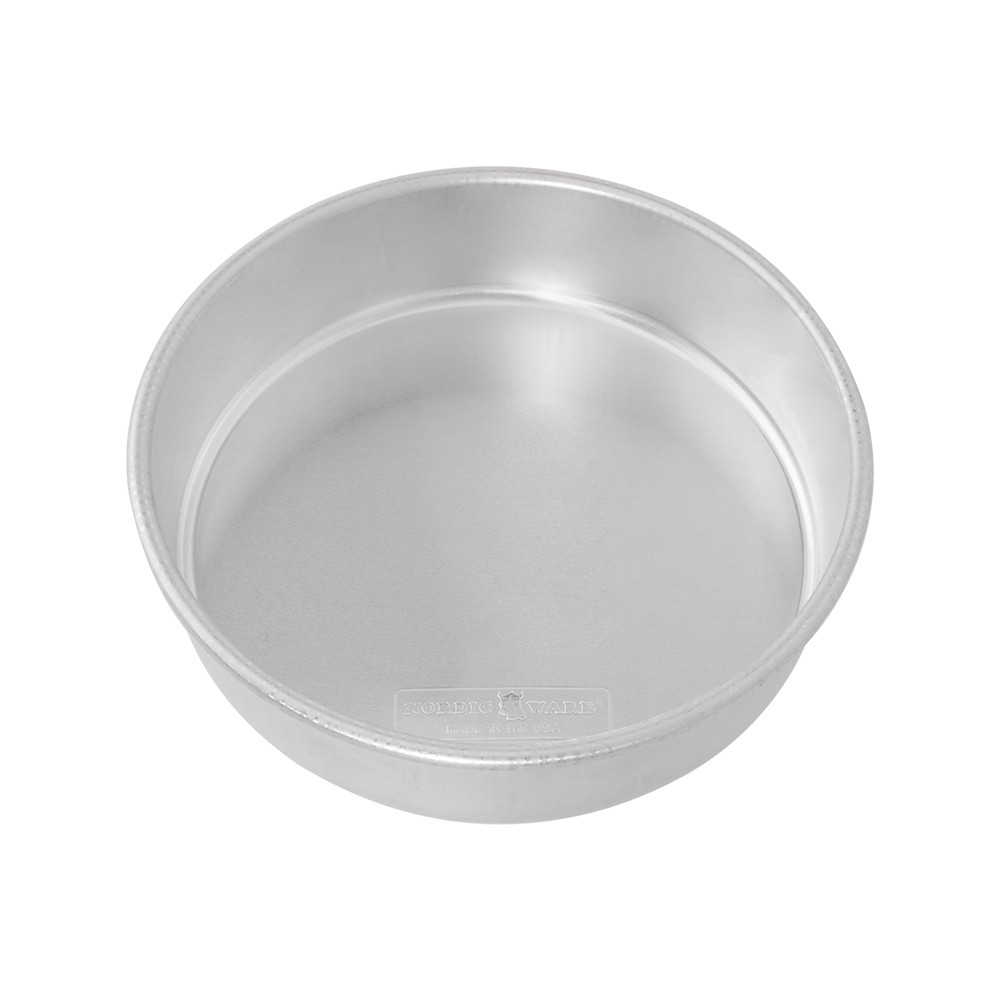
Credit: www.nordicware.com
Alternative Bakeware Options
Natural aluminum bakeware is safe for cooking, offering even heat distribution. Its lightweight design makes handling easy. Avoid high-acid foods to prevent reactions.
If you’ve been wondering about the safety of natural aluminum bakeware, you might be considering alternatives for your kitchen. Many home bakers are exploring different materials that provide peace of mind while still delivering great results. Let’s delve into some popular options that you can consider for your baking needs.Stainless Steel
Stainless steel is a reliable choice for those looking for a durable and non-reactive baking material. It doesn’t leach chemicals into your food, making it a safe option. One of its best qualities is its resistance to scratches and dents. Even after years of use, stainless steel retains its sleek appearance. Consider investing in a quality stainless steel set that distributes heat evenly, helping you achieve perfectly baked goods every time.Ceramic And Glass
Ceramic and glass bakeware are popular for their aesthetic appeal and safety. They are non-toxic and do not interact with acidic ingredients, ensuring a pure taste. Glass bakeware allows you to see your baked goods as they cook, which helps in monitoring the baking process. On the other hand, ceramic is excellent for even heat distribution, making it ideal for casseroles and pies. Have you ever used a ceramic dish and noticed how evenly your lasagna cooked? That’s ceramic magic at work! These materials can be heavier and more prone to breaking, so handle them with care. Choosing the right bakeware can greatly enhance your baking experience. What materials do you trust in your kitchen?Making An Informed Choice
Exploring the safety of natural aluminum bakeware often raises questions. Some research suggests potential risks from aluminum exposure. Choosing bakeware with proper coatings can mitigate concerns, offering safer cooking experiences.
Making an informed choice about natural aluminum bakeware involves careful consideration. People often wonder about its safety and environmental impact. Understanding the key factors can guide you to a smart decision.Assessing Personal Needs
Everyone has unique cooking preferences. Some need lightweight bakeware for easy handling. Others prefer durable options for frequent use. Understand what suits your lifestyle best. Consider how often you bake. Think about the types of dishes you prepare. These aspects can influence your choice.Considering Environmental Impact
Aluminum bakeware often has a long lifespan. This helps reduce waste. Recycling aluminum is easy, making it eco-friendly. When considering environmental factors, think about the production process. Consider how the bakeware is made. Choose options with minimal environmental harm. Your choice can support sustainability efforts.
Credit: www.facebook.com
Frequently Asked Questions
Is Aluminum Bakeware Safe For Cooking?
Yes, natural aluminum bakeware is safe for cooking. It conducts heat efficiently, ensuring even baking. It’s non-toxic when used properly, but avoid using acidic foods to prevent aluminum leaching. Regular maintenance and proper usage ensure safety and longevity of aluminum bakeware.
Does Aluminum Bakeware Leach Chemicals?
Aluminum bakeware can leach small amounts when cooking acidic foods. This is generally considered safe, but using parchment paper or silicone liners can minimize exposure. For everyday cooking, aluminum bakeware is regarded as safe and reliable.
How To Care For Aluminum Bakeware?
Proper care involves hand washing with mild soap and avoiding metal utensils to prevent scratches. Dry thoroughly to prevent discoloration. Regular maintenance keeps aluminum bakeware in optimal condition, ensuring safe cooking for years.
Can Aluminum Bakeware Cause Health Issues?
Using aluminum bakeware responsibly poses minimal health risks. Concerns arise with excessive consumption of aluminum, not typical cooking practices. It’s safe for regular use when maintained and used correctly, making it a popular choice among home cooks.
Conclusion
Natural aluminum bakeware offers both safety and convenience. It heats evenly and is affordable. Many cooks prefer it for everyday use. Proper care is important. Always avoid acidic foods in it. Consider lining with parchment paper for baking. This prevents food reactions.
Regular cleaning keeps it safe. Check for scratches or damage often. Replacing worn bakeware is wise. Choose quality brands for peace of mind. Your kitchen deserves the best. Safe cooking brings joy and health. Happy baking with confidence!