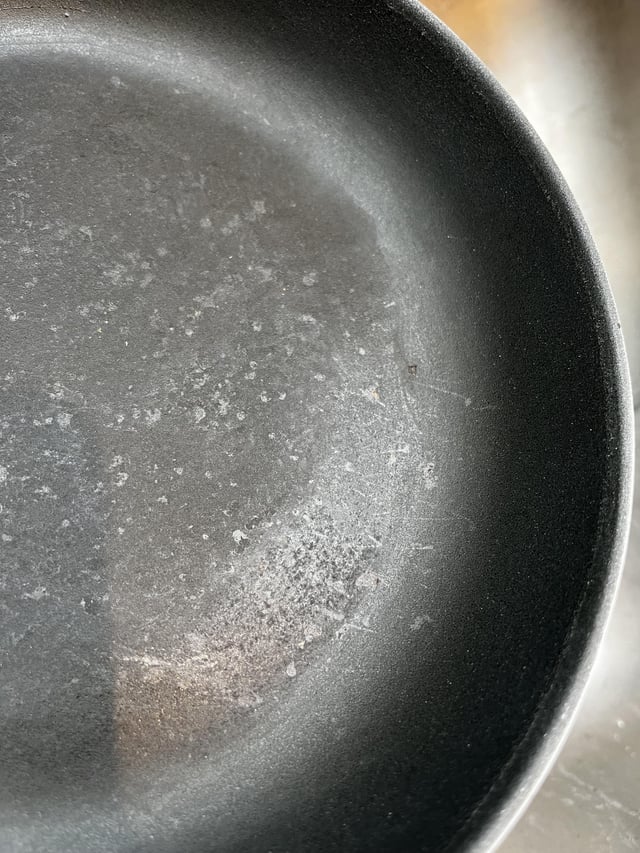
Are you standing in your kitchen, staring at your iron skillet, and wondering if it’s really safe to use? You’re not alone.
Many people just like you are asking the same question: “Is iron cookware safe? ” You’ve heard whispers about health benefits, but also about risks. You’re about to uncover the truths that will dispel the myths and give you clarity.
Imagine cooking your favorite meal with confidence, knowing you’re making a healthy choice for yourself and your family. But, is iron cookware really the hero of your kitchen story, or is it hiding a secret you need to know? Keep reading to discover the facts that will transform the way you cook forever.

Credit: www.reddit.com
Benefits Of Iron Cookware
Is Iron Cookware Safe Iron cookware is safe and offers numerous benefits. It naturally boosts iron intake, which is essential for health. Durable and long-lasting, it evenly distributes heat, enhancing cooking efficiency. Regular use can improve your meals and contribute to dietary needs.
Iron cookware has been a staple in kitchens worldwide, cherished for its remarkable benefits that elevate the cooking experience. Not only does it offer health advantages by fortifying food with iron, but its practical features make it a favorite among both home cooks and professional chefs. Let’s dive into the key benefits that make iron cookware a must-have in your kitchen.Durability And Longevity
Iron cookware is renowned for its incredible durability. Unlike non-stick pans that wear out over time, a well-cared-for iron skillet can last a lifetime, and even be passed down to future generations. Imagine using the same pan your grandparents used, each meal seasoned with years of family memories. This durability also means you’ll save money in the long run. Instead of frequently replacing cheaper cookware, investing in iron means a one-time purchase that pays off over decades. Have you ever considered the environmental impact of constantly replacing your kitchen tools? Opting for iron is not only good for your wallet but also for the planet.Heat Retention And Distribution
Iron cookware excels in heat retention and even distribution. This means your food cooks evenly, reducing the risk of cold spots and ensuring perfect results every time. Think about how frustrating it can be to have part of your steak perfectly seared while the other half remains undercooked. With iron, that worry is a thing of the past. This excellent heat retention also means you can keep food warm longer without additional energy. Whether you’re hosting a dinner party or simply cooking for the family, keeping dishes hot and ready to serve is effortless. Have you ever found yourself reheating dishes multiple times during a gathering? Iron cookware eliminates that hassle, keeping your food at the perfect temperature. Incorporate iron cookware into your kitchen and enjoy these benefits, transforming your cooking experience with every meal.Potential Health Concerns
Iron cookware has been cherished for its durability and ability to enhance the taste of food. Yet, concerns arise about its safety, particularly regarding health implications. Understanding these potential health concerns can help you make informed choices about using iron cookware.
Iron Leaching Into Food
When cooking with iron cookware, small amounts of iron can leach into your food. This process varies depending on factors like acidity and cooking time. Tomato-based sauces or dishes with vinegar might absorb more iron, offering a nutritional boost for those needing extra iron. However, too much iron can be problematic, especially if you already have high iron levels.
Impact On Iron Levels In The Body
Iron is essential for health, but balance is key. Using iron cookware regularly can increase your dietary iron intake. For those with iron deficiencies, this might be beneficial. But for people with conditions like hemochromatosis, where iron accumulates excessively, it could pose a risk. Checking your iron levels periodically can ensure you’re not surpassing safe limits.
Have you ever considered how much iron you’re actually consuming through your cookware? It’s a subtle yet significant factor that could affect your overall health. Understanding the interplay between your cookware and diet can guide you in maintaining a healthy iron balance.
Scientific Studies On Iron Cookware
Iron cookware has been a staple in kitchens around the world for centuries. But, is it truly safe to use? Numerous scientific studies have explored its effects on nutrient retention and iron absorption. Let’s dive into the findings to understand how cooking with iron cookware can influence your meals and health.
Research On Nutrient Retention
One of the benefits often touted about iron cookware is its ability to retain nutrients. Studies suggest that cooking with iron pots may help preserve vitamins and minerals. This is because iron conducts heat evenly, reducing the need for prolonged cooking, which can destroy nutrients.
Think about the last time you enjoyed a perfectly cooked vegetable dish. The vibrant colors and flavors are often a sign that key nutrients are intact. Iron cookware might be your ally in achieving that wholesome meal.
Yet, one question remains: does iron cookware really make a difference in nutrient retention compared to other materials? The answer may depend on the cooking method and the type of food. Are you willing to experiment in your kitchen to find out?
Analysis Of Iron Absorption
Iron cookware doesn’t just help with nutrient retention; it can also affect the iron content of your food. Research indicates that cooking with iron pots and pans can increase the iron levels in your meals. This can be particularly beneficial if you’re looking to boost your dietary iron intake.
However, iron absorption from cookware might not be the same for everyone. Factors such as acidity and cooking duration can influence how much iron is transferred to your food. Have you ever noticed a change in taste or color when using iron pans? That could be the iron interacting with your meal.
While increasing iron intake can be beneficial, especially for those with deficiencies, it’s essential to monitor your levels to prevent overconsumption. Could your cooking habits be inadvertently impacting your iron intake? It’s a thought worth considering as you plan your meals.

Credit: www.reddit.com
Comparison With Other Cookware Materials
Iron cookware offers a safe and durable cooking option compared to non-stick and aluminum alternatives. It provides excellent heat retention and adds iron to food, which can be beneficial for health. Regular seasoning helps maintain its non-stick surface.
In the world of cookware, choosing the right material can significantly impact your cooking experience and health. While iron cookware has its fans, it’s essential to weigh it against other popular options. Each material brings its own set of benefits and drawbacks. Let’s dive into how iron compares to non-stick and stainless steel cookware.Non-stick Vs. Iron
Non-stick pans are a go-to for their convenience. They require minimal oil, making them perfect for health-conscious cooking. However, they can release harmful chemicals if overheated. Iron cookware, on the other hand, is free from synthetic coatings. It can withstand high temperatures without releasing toxins. While it requires more maintenance, the trade-off is a healthier cooking surface.Stainless Steel Vs. Iron
Stainless steel is prized for its durability and resistance to rust. It’s an excellent choice for searing and browning due to its ability to handle high heat. Iron cookware, while not as resistant to rust, offers superior heat retention. This means once it’s hot, it stays hot, making it ideal for slow-cooked meals. But, it does require seasoning to maintain its non-stick properties. When you cook with stainless steel, you might notice food sticking if the pan isn’t properly heated. Iron requires a bit of patience with seasoning, but it rewards you with a naturally non-stick surface over time. So, which cookware material aligns best with your cooking habits? Consider your priorities: ease of use, health, or culinary versatility. Each option offers a unique cooking experience.Tips For Safe Usage
Ensure iron cookware is dry to prevent rust. Use gentle cleaning tools to maintain its surface. Apply a thin coat of oil after washing to preserve its seasoning and non-stick qualities.
Iron cookware is beloved for its durability and ability to enhance flavors, but ensuring safe usage is essential to maximize its benefits. Proper care can prevent unwanted iron leaching and ensure your meals are both delicious and safe. Here are some practical tips for using iron cookware safely.Seasoning And Maintenance
Seasoning your iron cookware is crucial. A well-seasoned pan creates a natural, non-stick surface, reducing the amount of iron that leaches into your food. To season, apply a thin layer of oil to your pan and heat it until it smokes slightly. This process should be repeated periodically, especially after cooking acidic foods. Maintaining your iron cookware involves regular cleaning and re-seasoning. Avoid using soap, as it can strip away the seasoning. Instead, use hot water and a brush to clean, then dry thoroughly to prevent rusting.Cooking Techniques To Minimize Leaching
The way you cook can affect how much iron leaches into your food. Cooking at lower temperatures can help reduce leaching. High heat can increase iron release, so keep it moderate unless necessary for specific recipes. Consider the type of food you’re preparing. Acidic foods like tomatoes can increase iron leaching. If you love cooking with tomatoes or vinegar, try adding them later in the cooking process to minimize contact with the iron surface. Are you mindful of how much iron your body needs? Iron is essential, but too much can be harmful. Adjust your cooking methods and seasoning routine to balance your iron intake naturally. By following these tips, you can enjoy the benefits of iron cookware while ensuring your meals remain safe and healthy.Environmental Impact
Iron cookware is a staple in many kitchens, loved for its durability and cooking performance. But have you ever thought about its environmental impact? Understanding how iron production and disposal affect our planet can help you make informed choices that align with your values.
Sustainability Of Iron Production
Iron is one of the most abundant elements on Earth, making its production relatively sustainable. However, mining and smelting processes can have significant environmental repercussions. They often involve energy-intensive operations and can lead to pollution and habitat destruction. Consider opting for brands that prioritize eco-friendly practices and use cleaner production methods. Your choices can encourage more sustainable practices in the industry.
Recyclability Of Iron Cookware
One of the greatest advantages of iron cookware is its recyclability. Unlike some other kitchen materials, iron can be melted down and reused, reducing the need for new raw materials. This makes iron cookware a more environmentally friendly option. When your iron pan has served its time, recycling it helps minimize waste. Have you considered how recycling can play a part in reducing your carbon footprint?
By choosing iron cookware, you contribute to a cycle of sustainability. Every small action counts towards a healthier planet. Imagine the impact if everyone made these conscious choices in their kitchens!
Consumer Opinions And Experiences
Iron cookware has been a staple in kitchens for centuries. Many consumers praise its durability and even heat distribution. Yet, concerns about safety arise due to potential iron leaching, especially in acidic foods.
Consumer opinions and experiences play a significant role in shaping our understanding of iron cookware’s safety. Many people turn to online reviews and personal testimonials to gauge the effectiveness and safety of these kitchen essentials. By exploring firsthand accounts, we can gain insight into the benefits and challenges of using iron cookware.Testimonials From Users
Many home cooks swear by their iron cookware, praising its durability and ability to enhance flavors. One user mentioned how her grandmother’s cast iron skillet, passed down through generations, still performs excellently, producing perfectly seared steaks and crispy cornbread. Another user highlighted the health benefits, noting how iron cookware naturally adds a small amount of iron to meals, which can be beneficial for those with iron deficiencies. The satisfaction of using a tool that also contributes to health is a recurring theme among users.Common Concerns And Feedback
Despite the praises, some users express concerns about the maintenance of iron cookware. The fear of rusting and the need for regular seasoning often intimidate new users. One user shared a story of her skillet developing rust spots, leading her to abandon it temporarily until she learned the proper care techniques. Others worry about the weight of iron cookware, as it can be cumbersome to handle, especially for those with limited strength or arthritis. This raises the question: Is the cookware’s robustness worth the physical effort required to use it? Understanding these common concerns can help potential buyers make informed decisions, balancing the pros and cons based on personal preferences and kitchen habits.
Credit: timesofindia.indiatimes.com
Frequently Asked Questions
Is Iron Cookware Safe For Health?
Iron cookware is generally safe for health when used properly. It can even add beneficial iron to your diet. However, excessive iron intake can be harmful. Ensure you maintain and use the cookware correctly to avoid rust and other health concerns.
Can Iron Cookware Rust Easily?
Yes, iron cookware can rust if not maintained properly. To prevent rust, dry your cookware thoroughly after washing. Season it regularly with oil to create a protective layer. Proper care ensures longevity and safety of your iron cookware.
Does Iron Leach Into Food?
Iron can leach into food, particularly acidic dishes like tomato sauce. This can be beneficial, adding dietary iron. However, excessive iron leaching may occur if the cookware is not seasoned well. Regular seasoning can minimize unwanted iron leaching.
How To Maintain Iron Cookware Safely?
To maintain iron cookware, wash it gently and dry immediately to prevent rust. Season with oil to create a protective non-stick layer. Avoid soaking in water for extended periods, as this can cause rust and damage to the cookware’s surface.
Conclusion
Iron cookware offers a durable option for home cooks. It’s safe when used correctly. Regular seasoning prevents rust and improves cooking. Iron pans can add small amounts of iron to your meals. This is beneficial for many, but not all.
People with certain health conditions should consult a doctor. Proper care ensures long-lasting performance. Always check for any damage or wear. Store in a dry place to avoid rust. Iron cookware remains a popular choice for many kitchens. Safe and reliable for everyday use.