Choosing the right cookware can make a big difference in your kitchen experience. You might have heard about ceramic and Teflon cookware and wondered which is better for your cooking needs.
If you are looking for answers, you’re in the right place. Imagine cooking your favorite meals with ease, without worrying about sticking, safety, or durability. We’ll dive into the world of ceramic and Teflon cookware. You’ll discover how each option affects your cooking, health, and kitchen budget.
Get ready to find out which one truly deserves a spot in your kitchen and why. Stay with us, as you might uncover surprising facts that could change the way you cook forever.
Ceramic Cookware Basics
Ceramic cookware is gaining popularity among home cooks for its appealing aesthetics and promising features. Unlike traditional options, ceramic cookware offers a unique set of benefits that might just make you reconsider your kitchen essentials. But what exactly sets it apart from Teflon? Let’s dive into the basics to understand its core advantages.
Material Composition
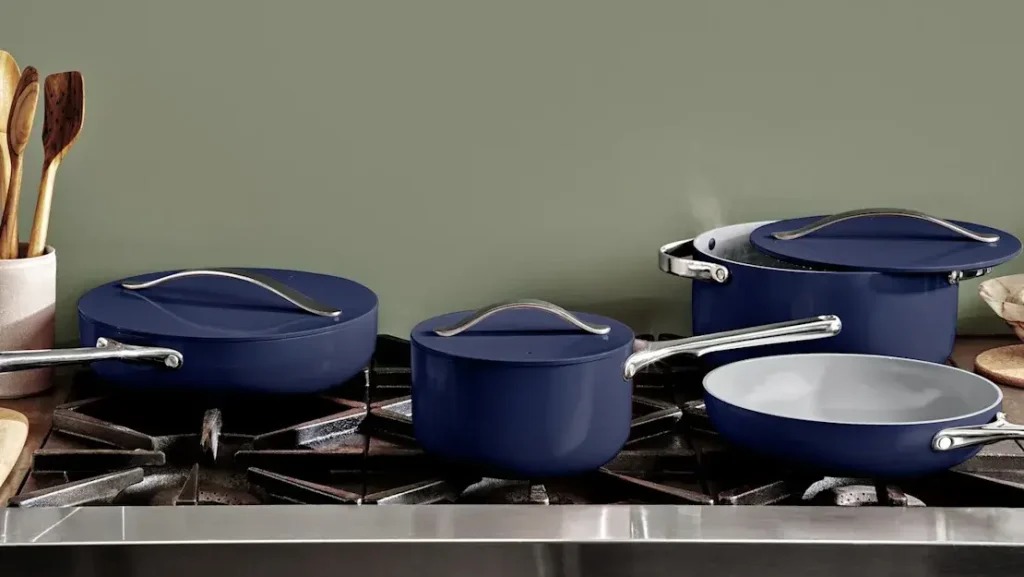
Ceramic cookware is crafted from natural minerals and clay, which are kiln-fired to achieve a smooth, solid surface. This organic composition ensures that your cooking surface is free from synthetic chemicals. Many users appreciate this aspect, as it aligns with a desire for more eco-friendly kitchenware. If you’re someone who prefers materials closer to nature, ceramic might be your go-to choice.
Heat Resistance
One of the standout features of ceramic cookware is its ability to withstand high temperatures. Unlike Teflon, which has a maximum heat threshold, ceramic can comfortably handle the heat, making it ideal for tasks like searing meat or achieving a perfect stir-fry. This resilience can lead to improved cooking performance and more consistent results. Ever wondered why your seared steak never turns out quite right with Teflon? Ceramic could be the answer.
Safety Features
Safety is paramount in the kitchen, and ceramic cookware excels in this area. It is free from PTFE and PFOA, chemicals often found in Teflon coatings that can release harmful fumes at high temperatures. Ceramic’s non-stick surface is naturally derived, reducing the risk of chemical exposure. If you prioritize health and safety in your cooking routine, ceramic cookware presents a compelling case.

Credit: www.instagram.com
Teflon Cookware Fundamentals
Teflon cookware has been a staple in kitchens worldwide, known for its convenience and ease of use. But what exactly makes it so popular? Understanding the fundamentals of Teflon cookware can help you decide if it’s the right choice for your culinary adventures.
Non-stick Properties
The allure of Teflon lies in its non-stick coating, which makes cooking and cleaning effortless. Imagine flipping a pancake without worrying about it sticking or burning. No more scraping off burnt residues or soaking pans overnight. You simply enjoy the cooking experience and focus on the flavors.
Yet, do these properties come at a cost? Over time, the non-stick layer can wear down, especially if scratched by metal utensils. To prolong its life, use silicone or wooden tools and avoid abrasive cleaners.
Heat Tolerance
Teflon cookware performs best at moderate temperatures. While it can handle everyday cooking, it’s not ideal for high-heat searing or broiling. If you’re someone who loves to cook on high heat, Teflon might not meet your needs.
Exceeding recommended temperatures can degrade the coating, releasing potentially harmful fumes. Ask yourself: is a quick cleanup worth compromising your culinary style?
Health Concerns
The safety of Teflon has been debated, especially when overheated. Some worry about the chemicals released at high temperatures, potentially affecting indoor air quality. Research suggests using it within safe limits poses little risk.
Would you rather play it safe with ceramics, known for their natural composition? Consider how much you value peace of mind in your kitchen. If health concerns are paramount, exploring alternatives might be worthwhile.
Durability And Longevity
Ceramic cookware offers greater durability and longevity compared to Teflon. Its surface resists scratches and withstands high temperatures. Ideal for frequent use in the kitchen.
Ceramic cookware and Teflon have unique characteristics impacting their durability and longevity. Understanding these differences helps in choosing the right cookware for your kitchen. Ceramic cookware is often praised for its robust nature and resistance to scratches. Teflon, known for its non-stick properties, requires careful handling to maintain its surface. Let’s dive deeper into the durability aspects of both materials.Wear And Tear Comparison
Ceramic cookware boasts a solid surface that withstands scratches and abrasions. Its hard coating resists damage from metal utensils. Over time, ceramic surfaces maintain their integrity, offering consistent performance. Teflon, on the other hand, is more prone to scratching. Metal utensils can wear down its non-stick layer. Scratches can affect its cooking performance. Proper care is essential to keep Teflon functional.Maintenance Requirements
Ceramic cookware requires minimal maintenance. Its surface is easy to clean with soap and water. Occasional deep cleaning keeps it pristine. Teflon demands careful handling. Avoid high heat to preserve its non-stick abilities. Use soft sponges to prevent surface damage. Regular checks ensure it remains in good condition. Proper storage extends its life.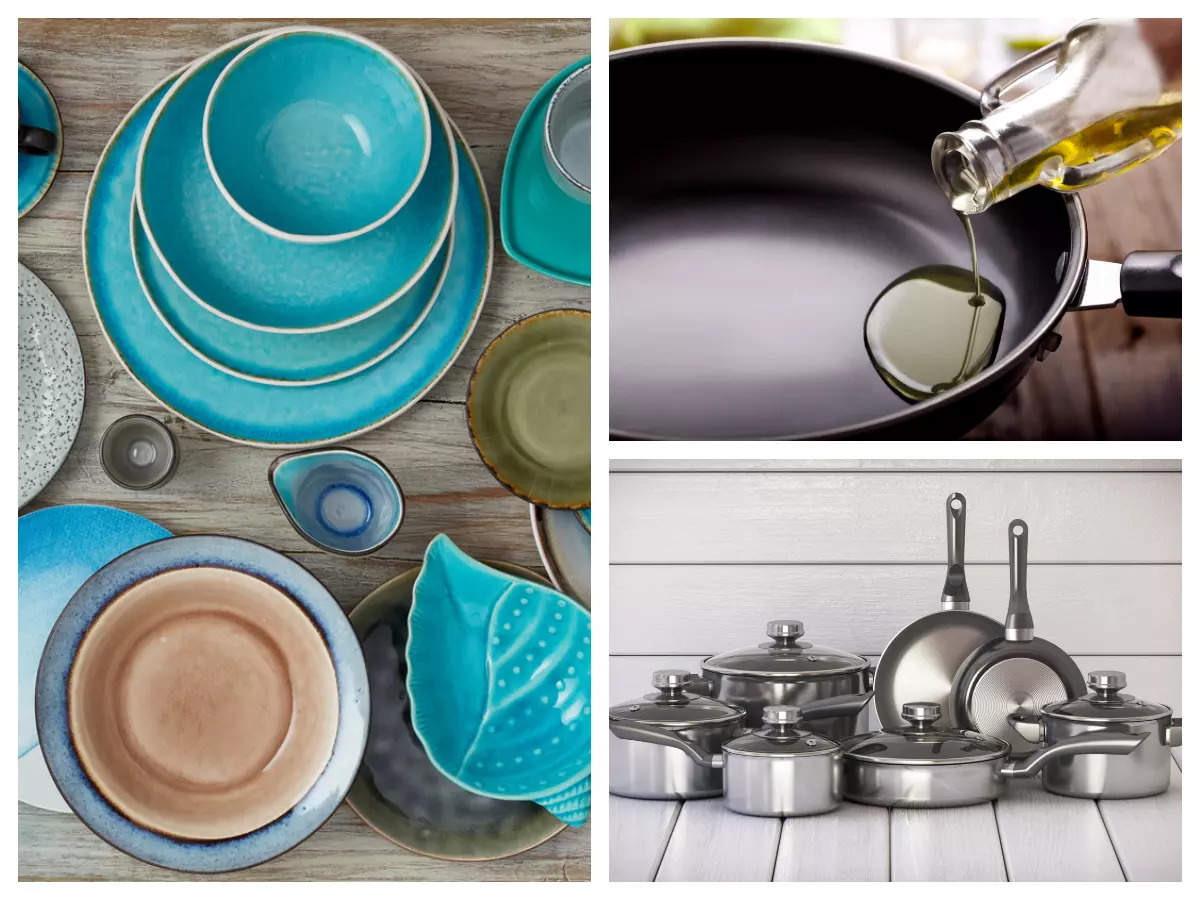
Credit: timesofindia.indiatimes.com
Performance In Cooking
Choosing between ceramic and Teflon cookware often boils down to performance in cooking. Both materials have distinct qualities that affect how well they cook food. Let’s explore how they compare in key areas.
Heat Distribution
Ceramic cookware excels in heat distribution. The surface heats evenly, preventing hot spots. This ensures that your food cooks uniformly. Teflon, on the other hand, might have uneven heat distribution. Its coating can wear out over time, affecting performance.
Cooking Versatility
Ceramic cookware is versatile. It can go from stovetop to oven without issues. This makes it ideal for recipes that require different cooking methods. Teflon is less versatile. It can only handle low to medium heat. High temperatures can damage the coating, limiting its use.
Ease Of Cleaning
Cleaning ceramic cookware is straightforward. Food rarely sticks, making cleanup easy. A simple wipe is often enough. Teflon is also known for easy cleaning. Its non-stick surface releases food effortlessly. Both types make kitchen cleanup less of a chore.
Environmental Impact
Ceramic cookware offers an eco-friendly alternative to Teflon. It avoids harmful chemicals and reduces environmental pollution. Choose ceramic for a safer, greener kitchen experience.
Ceramic and Teflon cookware have different environmental impacts. Understanding these differences can help you make informed choices. Explore how each affects our planet through manufacturing and disposal.Manufacturing Process
Ceramic cookware is made from natural materials. This includes clay and water. The production process emits fewer toxins. Teflon, on the other hand, involves chemicals. Some chemicals harm the environment during production. Factories making Teflon may release greenhouse gases. This contributes to air pollution. Ceramic processes are generally cleaner.Recycling And Disposal
Ceramic cookware is more eco-friendly. It lasts longer and breaks down naturally. It can be recycled and reused. Teflon is less recyclable. Disposing of Teflon can be tricky. It doesn’t decompose easily. This adds to landfill waste. Recycling Teflon requires special facilities. Ceramic is better for reducing waste.Cost Considerations
Choosing between ceramic and Teflon cookware involves considering costs. Both types offer unique features and benefits. However, understanding the financial aspects can help make an informed decision. This section explores the cost considerations, helping you decide which option is more economical.
Initial Investment
Ceramic cookware often requires a higher upfront cost. The materials and manufacturing process contribute to this. Many people view ceramic as a premium product. Teflon cookware tends to be more affordable. It’s a popular choice for budget-conscious buyers. The lower price point appeals to many households.
Long-term Value
Despite the initial cost, ceramic cookware may offer better long-term value. It’s known for durability and longevity. The non-stick surface lasts longer with proper care. Teflon cookware may need replacing sooner. Frequent use can wear out the coating. Over time, costs can add up with Teflon.
Consider your cooking habits and budget. Ceramic might be worth the investment for frequent cooks. Teflon may suit those who cook less often. Understanding these factors ensures a smart purchase.
User Preferences And Experiences
Ceramic cookware offers a non-stick surface without harmful chemicals, appealing to health-conscious cooks. In contrast, Teflon provides durability and ease of cleaning, favored by those prioritizing convenience. Personal preferences shape the choice between these two popular options, reflecting individual cooking styles and safety concerns.
User Preferences and Experiences The debate over ceramic and Teflon cookware often centers on user preferences. Both have their fans and critics. Some users praise ceramic for its natural composition. Others prefer Teflon for its non-stick ease. Personal experiences shape these preferences. Let’s explore what consumers and chefs say.Consumer Reviews
Consumers often share their cookware experiences online. Many ceramic users highlight the eco-friendly aspect. They appreciate the absence of synthetic chemicals. Ceramic’s vibrant colors also appeal to them. Some mention its resistance to scratches. Teflon users frequently emphasize convenience. They enjoy the effortless food release. Cleaning takes less time and effort. Yet, some express concerns about high heat. Overheating Teflon can release fumes.Chef Opinions
Chefs have distinct opinions on cookware. Some chefs prefer ceramic for its heat distribution. They find it works well for delicate dishes. Its durability in professional kitchens is valued. On the other hand, some chefs favor Teflon. They appreciate its consistent non-stick performance. It’s ideal for quick cooking and frying. They note the importance of using medium heat. Both types have their place in culinary arts.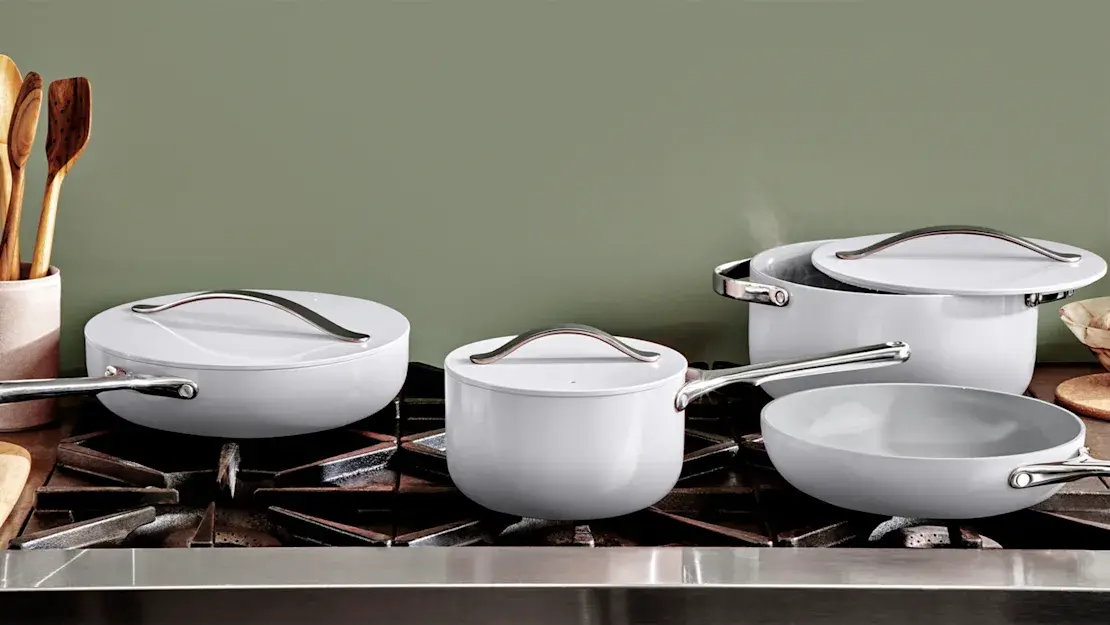
Credit: www.carawayhome.com
Making The Right Choice
Choosing between ceramic and Teflon cookware involves considering your lifestyle and cooking habits. Each option has its unique benefits and drawbacks. Understanding these can help you make an informed choice that suits your needs.
Lifestyle Factors
Your daily routine can influence your cookware choice. Ceramic cookware appeals to those valuing eco-friendly options. It often contains no harmful chemicals. This makes it a safer choice for health-conscious individuals. Teflon cookware, on the other hand, is known for its non-stick properties. It’s ideal for people who want quick and easy clean-ups. Consider your time constraints and cleaning preferences when choosing.
Cooking Habits
How you cook impacts your cookware selection. Ceramic cookware distributes heat evenly. This is perfect for slow-cooked meals. It’s excellent for recipes that require precise temperature control. Teflon is best for frying and sautéing. Its non-stick surface uses less oil, making it great for low-fat cooking. Think about your favorite dishes and cooking style before deciding.
Frequently Asked Questions
Is Ceramic Cookware Safer Than Teflon?
Ceramic cookware is generally considered safer than Teflon. It is free from harmful chemicals like PFOA and PTFE. Ceramic coatings are made from natural materials, making them non-toxic. Teflon, when overheated, can release toxic fumes. Always follow manufacturer instructions for safe use.
Does Ceramic Cookware Last Longer Than Teflon?
Ceramic cookware typically has a shorter lifespan than Teflon. Ceramic coatings can wear off faster with frequent use. Proper care can extend their life. Teflon, on the other hand, tends to last longer with careful handling. Regular maintenance and avoiding high heat can preserve both.
Which Heats Up Faster: Ceramic Or Teflon?
Teflon cookware generally heats up faster than ceramic. Its non-stick surface conducts heat efficiently, reducing cooking time. Ceramic takes slightly longer to heat due to its thicker coating. However, it provides even heat distribution. Both types of cookware offer distinct benefits depending on your cooking needs.
Can Ceramic Cookware Withstand High Temperatures?
Yes, ceramic cookware can withstand high temperatures. It is oven-safe, often up to 500°F or more. This makes it suitable for various cooking methods. Teflon, however, should not be used at temperatures above 500°F. Always check the manufacturer’s guidelines for specific temperature limits.
Conclusion
Choosing between ceramic and Teflon cookware depends on your needs. Ceramic offers a non-toxic surface. Safer for health. Teflon provides easy cleaning and better non-stick. Both have pros and cons. Ceramic can chip if not cared for. Teflon may scratch, releasing chemicals.
Think about your cooking habits. Consider budget and durability. Evaluate the environmental impact. It’s essential to make an informed decision. Choose what fits your lifestyle best. Both options can serve you well. The right choice will enhance your cooking experience.
Enjoy delicious meals with your preferred cookware.