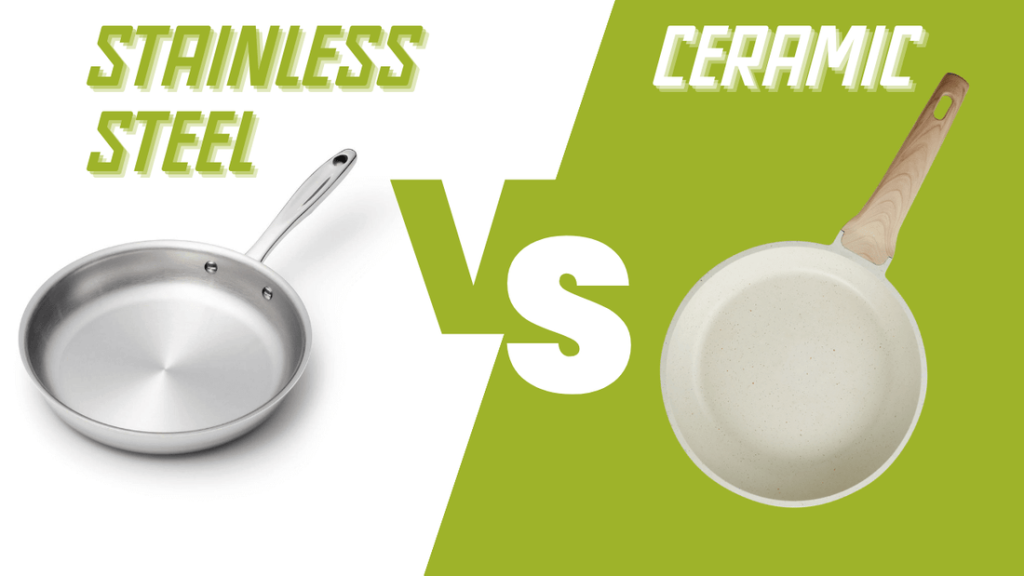
Are you tired of cooking with pots and pans that leave your meals less than perfect? You’re not alone.
Choosing the right cookware can make all the difference in your culinary adventures. You might be wondering whether ceramic cookware holds the secret to better cooking compared to stainless steel. Imagine the joy of cooking with ease, achieving perfect flavors, and cleaning up without a hassle.
This article holds the key to transforming your kitchen experience. Discover which cookware truly enhances your culinary creations, and unlock the secrets that could elevate your cooking game forever. Dive in and find out which option is the best fit for you!

Credit: www.instagram.com
Ceramic Cookware Basics
Ceramic cookware has gained popularity among home cooks and professional chefs alike. Its sleek design and colorful options make it a stylish choice for any kitchen. But beyond aesthetics, what makes ceramic cookware stand out? Let’s dive into the basics and discover if it truly deserves a place in your culinary arsenal.
Composition And Manufacturing
Ceramic cookware is made primarily from clay, which undergoes a firing process in a kiln. This process hardens the material, giving it durability. A glaze is then applied, creating a non-stick surface. Unlike traditional non-stick coatings, ceramic does not contain harmful chemicals like PTFE or PFOA.
Manufacturing techniques can vary, but most ceramic cookware is created using natural materials. This eco-friendly approach is appealing if you are conscious about environmental impacts. Moreover, some brands incorporate minerals into the glaze for enhanced heat resistance.
Common Features
One of the standout features of ceramic cookware is its ability to distribute heat evenly. This ensures that your food cooks uniformly, preventing hotspots that can burn your meals. Additionally, ceramic surfaces are naturally non-stick, reducing the need for excessive oil or butter.
Ceramic cookware is also known for its ease of cleaning. A quick wipe with a sponge usually does the trick, even for stubborn residues. However, remember that ceramic can be sensitive to sudden temperature changes, so avoid transferring it directly from stove to cold water.
With its vibrant colors and modern designs, ceramic cookware can add a touch of flair to your kitchen. But does it perform better than stainless steel? That depends on your cooking habits and preferences. Are you willing to trade durability for style? Or do you value the health benefits of a chemical-free surface more? The choice is yours.
Stainless Steel Cookware Essentials
Stainless steel cookware is a staple in many kitchens worldwide. Its durability and sleek appearance make it a favorite among chefs and home cooks. Understanding what makes stainless steel cookware essential can help in making informed choices.
Material And Construction
Stainless steel cookware is known for its robust construction. It often features multiple layers. These layers typically include a core of aluminum or copper. This core ensures even heat distribution. The outer layer is usually stainless steel. It provides a shiny, rust-resistant surface.
High-quality stainless steel is non-reactive. This means it won’t alter food flavors. It is also easy to clean. Many pieces are dishwasher safe, making cleanup a breeze.
Typical Characteristics
Stainless steel cookware offers several key characteristics. It is highly durable. This cookware can withstand high heat. It is ideal for browning and searing meats. Stainless steel has a modern, professional look. This makes it attractive in any kitchen.
It is versatile, suitable for various cooking methods. It is oven-safe, allowing seamless transition from stovetop to oven. Stainless steel is often used in professional kitchens. Its reliability and performance are unmatched.
Choosing stainless steel cookware means investing in quality. It provides a long-term solution for everyday cooking needs. Its enduring popularity speaks volumes about its effectiveness and appeal.
Heat Conductivity And Distribution
Understanding heat conductivity and distribution is crucial in cookware selection. These factors affect cooking efficiency and food quality. Different materials have unique thermal properties. Let’s compare ceramic and stainless steel cookware for heat performance.
Ceramic Heat Performance
Ceramic cookware provides even heat distribution. It heats uniformly across the surface. This prevents hot spots and ensures consistent cooking. Ceramic retains heat well, which means steady temperatures during cooking. This helps in maintaining flavors and textures. It is perfect for slow cooking and simmering.
Stainless Steel Heat Efficiency
Stainless steel is known for its durability. It does not conduct heat as effectively as ceramic. Many stainless steel pans have aluminum or copper cores. These cores improve heat distribution. They offer quicker heating and precise temperature control. Stainless steel is ideal for frying and browning. It can handle high heat and rapid temperature changes.
Durability And Longevity
Choosing the right cookware depends heavily on durability and longevity. These factors determine how long your cookware lasts. They also affect how well it stands up to daily use. Let’s explore the differences between ceramic and stainless steel cookware.
Ceramic Wear And Tear
Ceramic cookware is visually appealing. Its surface is often non-stick. But, it is prone to chipping and cracking. Dropping it can lead to damage. It also wears down with metal utensils. Use wooden or silicone tools for better longevity. High heat can cause the ceramic coating to degrade. With care, ceramic can last for several years.
Stainless Steel Resilience
Stainless steel is known for its strength. It resists scratches and dents. This makes it ideal for rough use. It can handle metal utensils without damage. Stainless steel is also heat-resistant. High temperatures do not affect its quality. It often lasts for decades with proper care. Regular polishing keeps it looking new.
Health And Safety Factors
Choosing the right cookware is not just about aesthetics or durability; it’s also about ensuring your family’s health and safety. Ceramic and stainless steel are two popular choices, but how do they measure up in terms of health factors? Let’s dive into the specifics to help you make an informed choice.
Toxicity And Coatings
When you cook, the materials in your cookware can interact with your food. Ceramic cookware often boasts a non-stick coating that’s free from toxins like PTFE and PFOA, which are commonly found in other non-stick surfaces. This means you can enjoy cooking without worrying about harmful chemicals leaching into your meals.
Stainless steel, on the other hand, doesn’t have the same concerns with coatings, but it might not offer the same ease of cooking as ceramic. While ceramic’s coating provides a smooth cooking experience, stainless steel requires more oil or fat to prevent sticking, which could affect your health if not managed well.
Reactivity With Food
The interaction between cookware and food is crucial. Ceramic cookware is generally non-reactive, meaning it won’t change the taste or nutritional value of your food. This makes it ideal for cooking acidic foods like tomatoes or citrus.
Stainless steel, although durable, can react with certain acidic foods, potentially altering their taste and nutritional profile. However, high-quality stainless steel cookware often includes a layer of aluminum or copper, minimizing reactivity. Think about your cooking habits—do you often prepare acidic dishes? If so, ceramic might be your safer bet.
Ultimately, the choice between ceramic and stainless steel depends on what you prioritize. Do you value non-toxicity over durability? Is ease of cleaning more important than reactivity with food? Considering these questions can lead you to cookware that best suits your lifestyle and health needs.

Credit: razab.com
Cleaning And Maintenance
Ceramic cookware shines with easy cleaning and non-stick properties, while stainless steel boasts durability and heat distribution. Each has its unique benefits, catering to different cooking styles and maintenance preferences. Choosing between them depends on your cooking habits and how you prioritize ease versus performance.
Cleaning and maintaining your cookware is essential for ensuring its longevity and performance. Whether you’re a fan of ceramic or stainless steel, understanding how to care for each type can make your cooking experience more enjoyable and efficient. Let’s dive into the cleaning and maintenance requirements of ceramic and stainless steel cookware.Ceramic Care Techniques
Ceramic cookware is known for its non-stick surface, which makes it relatively easy to clean. However, it’s important to handle it with care to avoid damaging the coating. Use a soft sponge or cloth with mild dish soap to clean the surface. Harsh scrubbers can scratch the ceramic, affecting its non-stick properties. Always allow the cookware to cool down before washing. Rapid temperature changes can cause ceramic to crack. If food is stuck on, soak the cookware in warm water for a few minutes before gently scrubbing. Avoid using metal utensils with ceramic cookware. They can chip the surface, reducing its effectiveness. Instead, opt for wooden or silicone utensils to keep your cookware in top shape.Stainless Steel Cleaning Tips
Stainless steel cookware is celebrated for its durability but can be tricky to keep sparkling. To maintain its shine, use a mixture of water and white vinegar for regular cleaning. This will help remove any streaks and water spots. If you encounter stubborn stains or burnt-on food, create a paste using baking soda and water. Apply it to the affected area and let it sit for a few minutes before scrubbing with a soft sponge. To prevent discoloration or pitting, dry your stainless steel cookware immediately after washing. Leaving it wet can lead to water spots or mineral deposits forming on the surface. Are you giving your cookware the care it deserves? With these tips, you can ensure both your ceramic and stainless steel cookware remain reliable kitchen companions for years to come.Cost And Value Considerations
When choosing between ceramic and stainless steel cookware, cost and value are crucial factors to consider. Both types have their own pricing structures and long-term benefits, which can significantly influence your decision. Let’s dive into these considerations to help you make an informed choice for your kitchen.
Price Comparisons
At first glance, ceramic cookware might seem more affordable than stainless steel. You’ll often find ceramic pans at a lower price point, especially in budget-friendly sets. This can be appealing if you’re looking to revamp your kitchen without breaking the bank.
However, stainless steel cookware comes in a wide range of prices. High-end stainless steel sets can be expensive, but they offer superior durability and performance. There are also economical options available that still provide excellent value.
Consider how often you cook and the types of meals you prepare. If you frequently cook with high heat, investing in quality stainless steel might be worth the higher initial cost.
Long-term Investment
When evaluating long-term value, stainless steel often comes out on top. Its durability means it can last for years, even decades, if properly cared for. Over time, this can save you money, as you won’t need to replace your cookware frequently.
Ceramic cookware, on the other hand, tends to wear out faster. The non-stick coating can degrade, leading to the need for replacement. This might be a consideration if you prefer to update your kitchen tools regularly.
Think about what you value more: a lower upfront cost or longevity. How does each option align with your cooking habits and lifestyle?

Credit: www.facebook.com
Environmental Impact
Choosing cookware involves more than just cooking performance. The environmental impact is crucial. Understanding how ceramic and stainless steel affect the environment helps make informed choices.
Sustainability Of Ceramic
Ceramic cookware is crafted from natural materials like clay. The production process often uses lower temperatures, reducing energy consumption. This results in a smaller carbon footprint. Ceramic is also biodegradable. It doesn’t linger in landfills for centuries. When disposed, it breaks down naturally, returning to the earth.
Many ceramic cookware brands focus on sustainable practices. They use eco-friendly packaging and ethical production methods. This commitment enhances their environmental benefits. Choosing ceramic supports sustainability and reduces ecological harm.
Eco-friendliness Of Stainless Steel
Stainless steel is highly durable. It can last for decades with proper care. This longevity reduces the need for frequent replacements. Less waste ends up in landfills. Stainless steel is also recyclable. It can be melted down and reused in new products. This recycling process conserves resources and energy.
Despite its durability, the production of stainless steel is energy-intensive. Extracting and processing raw materials requires significant resources. Some manufacturers are adopting greener methods. They aim to reduce emissions and energy use during production. Opting for stainless steel from these sources lessens the environmental impact.
User Preferences And Feedback
Understanding user preferences and feedback is crucial in choosing cookware. Many people share strong opinions about ceramic and stainless steel. Feedback from chefs and home cooks provides valuable insights.
Chef Opinions
Chefs often prefer stainless steel for its durability. It withstands high heat and frequent use. Many chefs appreciate its even heat distribution. This quality helps in cooking dishes consistently. Some chefs also value the non-reactive nature of stainless steel. It doesn’t alter food flavors. On the other hand, ceramic cookware appeals to chefs who favor non-stick surfaces. They find it easy to clean and suitable for delicate dishes. Yet, concerns exist about its longevity in professional kitchens.
Home Cook Experiences
Home cooks have varied opinions on cookware. Some enjoy ceramic for its non-stick properties. They like how easy it is to clean. It’s also lighter than stainless steel, which many find beneficial. Yet, others prefer stainless steel for its robustness. They trust its long-lasting nature. Many appreciate that stainless steel can handle metal utensils without damage. Feedback often highlights ceramic’s need for careful handling. This is to avoid chipping or cracking. Each option has its fans, based on individual needs and habits.
Frequently Asked Questions
What Are The Benefits Of Ceramic Cookware?
Ceramic cookware is known for its non-stick surface, making cooking and cleaning easier. It is free from harmful chemicals like PFOA and PTFE. Ceramic retains heat well, offering even cooking. Its stylish design adds aesthetic appeal to kitchens. This makes it a popular choice for health-conscious cooks.
Is Stainless Steel Cookware Durable?
Yes, stainless steel cookware is highly durable and resistant to rust and corrosion. It can withstand high temperatures, making it ideal for various cooking methods. Stainless steel is also scratch-resistant and maintains its appearance over time. It is a reliable choice for long-term kitchen use.
Does Ceramic Cookware Require Special Maintenance?
Ceramic cookware requires gentle care to maintain its non-stick surface. Avoid using metal utensils and abrasive cleaners. Hand washing is recommended, though some are dishwasher safe. Regular maintenance ensures longevity and optimal performance. Proper care keeps ceramic cookware looking new and functioning effectively.
Can Stainless Steel Cookware Affect Food Taste?
Stainless steel cookware does not react with food, preserving its natural taste. Its non-reactive nature makes it suitable for acidic ingredients. Food flavors remain unchanged, ensuring authentic taste. Stainless steel is a preferred choice for chefs who value food quality.
It offers reliable and consistent cooking results.
Conclusion
Choosing between ceramic and stainless steel cookware depends on needs. Ceramic cookware offers non-stick benefits. It’s great for easy cleaning. Stainless steel is durable and versatile. It handles high heat well. Both types have pros and cons. Consider cooking habits and budget.
Some prefer ceramic’s ease. Others value stainless steel’s longevity. Assess kitchen needs carefully. The best choice aligns with personal preferences. Happy cooking with the cookware you select!