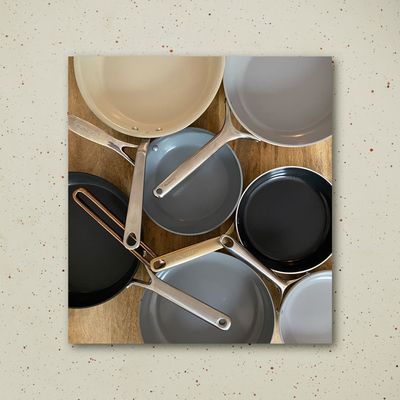
Imagine cooking your favorite meal without the worry of food sticking to the pan or harmful chemicals leaching into your dishes. You might have heard about ceramic coated cookware and wondered if it’s the right choice for your kitchen.
As you navigate the endless options of pots and pans, you want to ensure your investment is not only safe but also enhances your cooking experience. Is ceramic coated cookware good? This question has likely crossed your mind, especially when you think about the health and environmental aspects of what you use to prepare your food.
You’ll discover the benefits and potential drawbacks of ceramic coated cookware, helping you make an informed decision that aligns with your cooking needs and lifestyle. Keep reading to find out if this popular choice is the perfect fit for you and your culinary adventures.
Ceramic Coating Basics
Ceramic coated cookware offers a non-stick surface that is easy to clean and maintain. It heats evenly, reducing the risk of burning food. Free from harmful chemicals, ceramic coatings provide a safer cooking option compared to traditional non-stick pans.
Ceramic Coating Basics Cooking with ceramic-coated cookware has become popular. But why? Understanding ceramic coating basics helps clarify its benefits. It’s a modern take on cookware that blends style with function.What Is Ceramic Coating?
Ceramic coating is a non-stick layer. It’s made from inorganic minerals. Unlike traditional non-stick, it doesn’t use synthetic chemicals. This coating is applied to metal pots and pans. It gives them a slick surface for cooking. No more sticking food or tough cleaning. Ceramic coatings are often derived from sand. This makes them environmentally friendly. They provide a smooth finish and vibrant colors. It’s a healthier choice for those avoiding synthetic materials.How It Differs From Traditional Cookware
Traditional cookware often uses Teflon. Ceramic coating offers a natural alternative. It’s free from PTFE and PFOA. These are chemicals found in many non-stick surfaces. Ceramic cookware doesn’t release fumes when heated. The coating is more durable and scratch-resistant. It can handle higher cooking temperatures. Traditional non-stick might degrade over time. Ceramic maintains its integrity longer. The weight also differs. Ceramic-coated pans are lighter. This makes them easier to handle. The sleek design adds a modern touch to kitchens. In summary, ceramic-coated cookware is a safe, stylish choice. It offers a natural, non-toxic cooking surface. Perfect for those wanting healthy, easy cooking.Health Benefits
Ceramic coated cookware offers a healthier cooking option by reducing the need for oils and fats. Its non-stick surface allows for easy cleaning, while being free from harmful chemicals found in some other types of cookware.
Ceramic coated cookware has gained popularity due to its health benefits. Many people are considering it for a healthier lifestyle. This type of cookware provides a safe cooking surface. It helps reduce the need for excess oil and fat. Let’s explore how ceramic coated cookware can improve your cooking habits.Non-toxic Cooking Surface
Ceramic coated cookware offers a non-toxic surface. It doesn’t leach harmful chemicals into food. Unlike traditional non-stick pans, it doesn’t contain PTFE or PFOA. These chemicals can release toxins at high temperatures. Ceramic coating ensures your meals remain free from unwanted substances. It provides peace of mind for health-conscious cooks.Reduced Oil And Fat Use
The smooth surface of ceramic coated cookware allows cooking with less oil. Food slides easily, preventing sticking. This reduces the need for extra fats or oils. You can enjoy healthier meals without sacrificing taste. Less oil means lower calorie intake, supporting weight management goals. This cookware helps you create nutritious dishes effortlessly.Cooking Performance
Ceramic coated cookware offers a smooth and non-stick surface, making cooking and cleaning easier. Its heat distribution ensures even cooking, reducing the risk of burning food. This type of cookware is also free from harmful chemicals, providing a safer option for everyday meals.
Cooking performance is a crucial aspect to consider when evaluating ceramic coated cookware. This type of cookware offers unique benefits that can enhance your culinary experience. Whether you’re a seasoned chef or a home cook, understanding how ceramic coated cookware performs can help you make informed decisions in the kitchen.Heat Distribution And Retention
Ceramic coated cookware is renowned for its excellent heat distribution. This means your food cooks evenly without hot spots, which is essential for preparing dishes that require precise temperature control. Have you ever tried making pancakes, only to find them burnt in one spot and undercooked in another? With ceramic coated pans, this common issue is significantly minimized. Moreover, ceramic coatings help in retaining heat effectively. This feature ensures your meals stay warm longer after cooking. Imagine serving a perfectly cooked steak that remains hot and juicy even after resting on the table for several minutes.Non-stick Properties
One of the standout qualities of ceramic coated cookware is its non-stick surface. This makes cooking and cleaning incredibly easy. Have you struggled with food sticking to the pan, leading to frustrating cleanup? With ceramic coating, food slides off effortlessly, reducing the need for excessive oil or butter. This non-stick feature also allows for healthier cooking. You can prepare meals using less fat, which is a great advantage if you’re watching your calorie intake. Plus, the time saved on scrubbing pans can be spent enjoying your delicious creations. Why not consider trying ceramic coated cookware for your next meal? It might just make cooking a more enjoyable and efficient process.:max_bytes(150000):strip_icc()/ses-product-carote-granite-10-piece-nonstick-cookware-set-13-rkilgore-934-2a92a8cf8ae040799aa498dc574b2a3a.jpeg)
Credit: www.thespruceeats.com
Durability And Longevity
Ceramic coated cookware offers durability and longevity, making it a popular choice for many kitchens. Its tough surface resists scratches, helping it maintain its appearance over time. Easy to clean and often lightweight, it provides a reliable cooking experience without compromising on quality.
Ceramic-coated cookware is gaining popularity for its durability and longevity. Many home cooks seek reliable and long-lasting kitchen tools. Ceramic coating offers a sturdy surface that withstands daily cooking challenges. Its robust nature ensures cookware retains its quality over time. This makes it a smart investment for any kitchen.Resistance To Scratches
Ceramic-coated cookware excels in resisting scratches. The ceramic layer acts as a protective shield. It minimizes damage from utensils or accidental drops. This feature keeps cookware looking new, even with frequent use. Scratches can compromise the coating and affect cooking results. Ceramic coating offers a solution by reducing such risks.Maintenance And Care Tips
Proper care extends the life of ceramic-coated cookware. Follow simple maintenance tips for best results. Use gentle cleaning tools like soft sponges. Avoid abrasive scrubbers that might harm the coating. Clean with mild soap and warm water. This prevents residue buildup and maintains surface integrity. Store cookware carefully to prevent scratches. Stack with padding or hang to avoid damage. Regular checks ensure the cookware remains in optimal condition.Environmental Impact
Ceramic coated cookware is gaining attention for its potential environmental benefits. Many people are concerned about the impact of cookware on the planet. Understanding the environmental impact of ceramic coated cookware can help make informed choices.
Eco-friendly Materials
Ceramic coated cookware is made from natural materials. The coating is often derived from sand and minerals. These materials are abundant and renewable. This makes ceramic cookware an eco-friendly choice. Unlike traditional non-stick pans, ceramic coatings do not contain harmful chemicals like PTFE or PFOA.
Sustainability Considerations
Ceramic coated cookware is also known for its durability. High-quality ceramic coatings can last for years. This reduces the need for frequent replacements. Less waste ends up in landfills as a result. Some manufacturers use sustainable practices in production. They focus on reducing energy consumption and minimizing waste.
Comparing To Other Cookware
When choosing cookware, the material is crucial to your cooking experience and results. Ceramic coated cookware has gained popularity, but how does it stack up against other options? Let’s take a closer look at how ceramic compares to Teflon and stainless steel, two common alternatives in kitchens worldwide.
Ceramic Vs. Teflon
Both ceramic and Teflon offer non-stick properties, but they achieve this in different ways. Ceramic coatings are free from PTFE and PFOA, chemicals often found in Teflon that can release harmful fumes at high temperatures. This makes ceramic a safer choice for health-conscious cooks.
However, Teflon often provides a slicker surface, making it easier to cook delicate foods like eggs. While Teflon’s non-stick surface may last longer, it requires careful handling to prevent scratches. Ceramic, on the other hand, might wear down quicker but is usually more environmentally friendly.
Ceramic Vs. Stainless Steel
Stainless steel cookware is renowned for its durability and ability to withstand high heat. It’s perfect for browning and deglazing, offering a cooking experience that ceramic can’t match. Stainless steel also doesn’t react with acidic foods, maintaining the taste and quality of your dishes.
Yet, ceramic cookware provides a non-stick surface without the need for much oil, making it a healthier option. It’s also easier to clean, saving you time and effort after a meal. Ask yourself, do you prefer the robust, all-purpose nature of stainless steel or the convenience of ceramic’s easy clean-up?
Choosing between ceramic, Teflon, and stainless steel depends on your cooking style and priorities. Consider your needs and how each material aligns with them for the best culinary experience.
Consumer Considerations
Ceramic coated cookware is popular for its non-stick properties and ease of cleaning. Many choose it for its ability to cook with less oil. Consider durability and heat distribution when selecting this cookware.
When choosing ceramic coated cookware, consumers have several factors to consider. These include price, user feedback, and overall value for money. Making an informed decision ensures satisfaction and practicality in your kitchen.Price And Affordability
Ceramic coated cookware comes in a range of prices. Budget-friendly options are available for those watching their spending. Premium brands offer higher quality and durability. It’s crucial to balance cost and quality. Consider your cooking habits and frequency. Investing in a pricier set might save money in the long run.User Reviews And Feedback
User reviews provide valuable insights into ceramic cookware performance. Many users praise its non-stick properties and easy cleaning. Some reviews mention uneven heat distribution. Reading multiple reviews helps form a balanced view. Feedback can highlight common issues and benefits. It assists in making a well-rounded purchase decision.
Credit: ichefpower.com
Potential Drawbacks
Ceramic coated cookware has gained popularity for its non-stick properties and appealing aesthetics. However, it’s important to consider the potential drawbacks before investing in a complete set. While these pans can be a great addition to your kitchen, understanding their limitations will help you make an informed decision.
Limitations In High-heat Cooking
Ceramic coated cookware is not ideal for high-heat cooking. The coating can degrade when exposed to extreme temperatures, impacting its non-stick capabilities. If you enjoy searing steaks or stir-frying at high heat, you might find ceramic pans less effective than stainless steel or cast iron alternatives.
Some manufacturers advise against using ceramic pans over 450°F (232°C). This limitation can be a deal-breaker for those who frequently cook at high temperatures. Consider your cooking habits and whether this constraint will affect your culinary adventures.
Wear And Tear Over Time
While ceramic coatings are initially impressive, they can wear down with regular use. Over time, the non-stick surface might lose its efficiency, leading to food sticking and uneven cooking. This is especially true if the cookware is not properly maintained or if metal utensils are used.
It’s crucial to handle ceramic pans with care, opting for silicone or wooden utensils to prolong their lifespan. Regularly inspecting the coating for chips or scratches can also help maintain their performance. Remember, investing in quality cookware often means investing in proper care and maintenance.
Have you experienced these drawbacks with your ceramic cookware? Share your thoughts and tips in the comments below!

Credit: www.amazon.com
Frequently Asked Questions
Is Ceramic Coated Cookware Safe To Use?
Ceramic coated cookware is generally safe for cooking. It doesn’t release harmful chemicals like PTFE and PFOA. The coating provides a non-stick surface, reducing the need for excessive oil. However, avoid using metal utensils to prevent scratches. Always follow the manufacturer’s care instructions to maintain its safety and longevity.
How Durable Is Ceramic Coated Cookware?
Ceramic coated cookware is durable but requires proper care. Its longevity depends on usage and maintenance. Avoid high heat to prevent damage. Using wooden or silicone utensils helps maintain the coating. Hand washing is recommended over dishwashing to preserve the surface.
With care, it can last for several years.
Does Ceramic Coating Affect Food Flavor?
Ceramic coating generally doesn’t affect food flavor. It provides a non-reactive surface, preventing metallic tastes. The coating ensures even heat distribution, enhancing cooking results. This makes it ideal for diverse cuisines. Always maintain the coating’s integrity to ensure consistent cooking performance.
Proper care ensures that your meals taste as intended.
Is Ceramic Coated Cookware Eco-friendly?
Ceramic coated cookware is considered eco-friendly. Its manufacturing process avoids harmful chemicals like PTFE and PFOA. The non-stick surface reduces oil usage, promoting healthier cooking. Additionally, it often requires less energy for heating. Opting for brands with eco-friendly certifications ensures a more sustainable choice for environmentally-conscious consumers.
Conclusion
Ceramic coated cookware offers many benefits for your kitchen. It provides a non-stick surface, making cooking and cleaning easier. Its attractive design enhances your kitchen’s look. These pans are free from harmful chemicals, ensuring safer meals. While they may not last as long as other options, their pros often outweigh the cons.
Consider your needs and budget before buying. With proper care, ceramic cookware can be a valuable addition. Always read reviews and check warranties before making a choice. Happy cooking with healthier options!