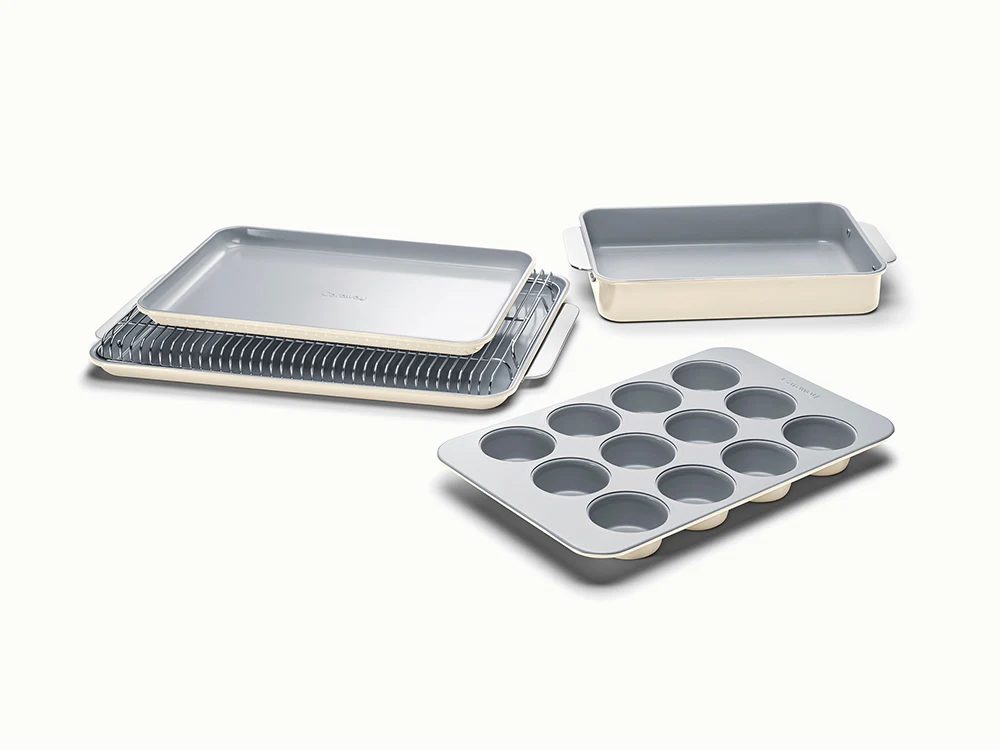
Have you ever wondered about the safety of the bakeware you use in your kitchen? You might have heard that ceramic bakeware is a healthier choice, but is it truly non-toxic?
As you prepare those delicious meals for your loved ones, the last thing you want is to worry about harmful substances sneaking into your food. Imagine the peace of mind you’ll feel knowing that your bakeware is safe. We’ll delve into the truth about ceramic bakeware and whether it’s the best option for your kitchen.
Whether you’re a seasoned chef or a cooking enthusiast, understanding the materials you use is crucial. Let’s uncover the facts together!
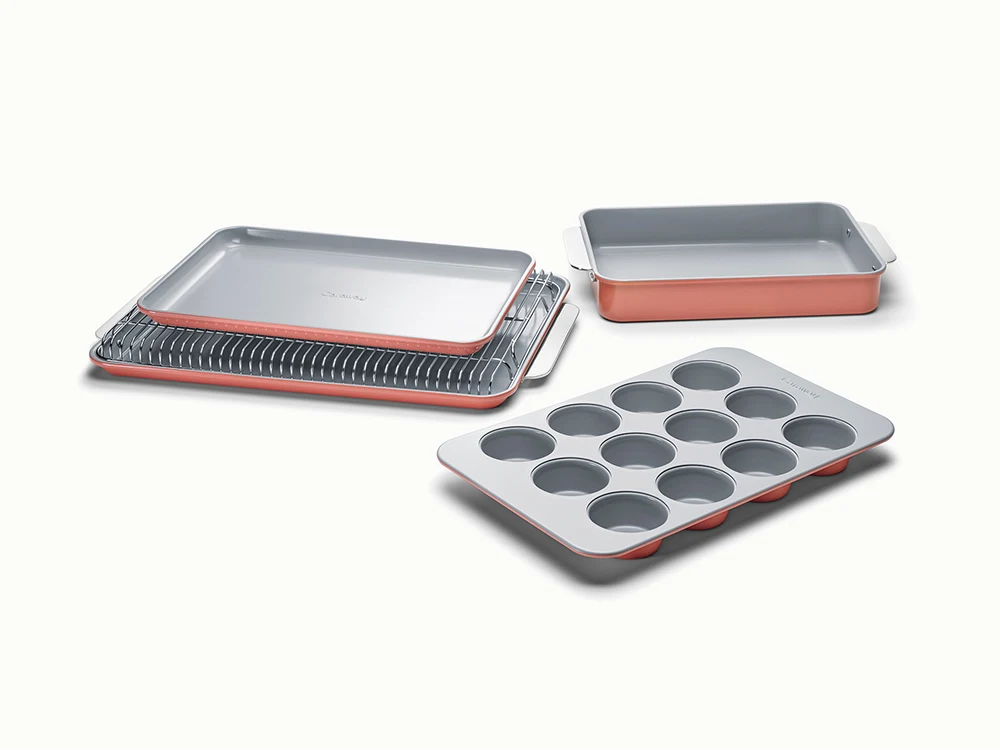
Credit: www.carawayhome.com
Ceramic Bakeware Basics
Ceramic bakeware is a popular choice for home cooks. It offers a non-toxic cooking option with a unique composition. Understanding its basics can help in making informed decisions.
Composition Of Ceramic Bakeware
Ceramic bakeware is made from natural materials. These include clay, kaolin, and quartz. The materials are mixed to create a durable product. This blend is free from harmful chemicals. It ensures a safe cooking environment.
Manufacturing Process
The manufacturing process involves several steps. First, raw materials are mixed into a paste. The paste is then shaped into bakeware pieces. After shaping, the items are dried carefully. This prevents cracks during firing.
Next, the pieces are baked at high temperatures. This step hardens the bakeware and enhances durability. A glaze is often applied before the final firing. This glaze gives the bakeware a smooth finish. It also adds a layer of protection.
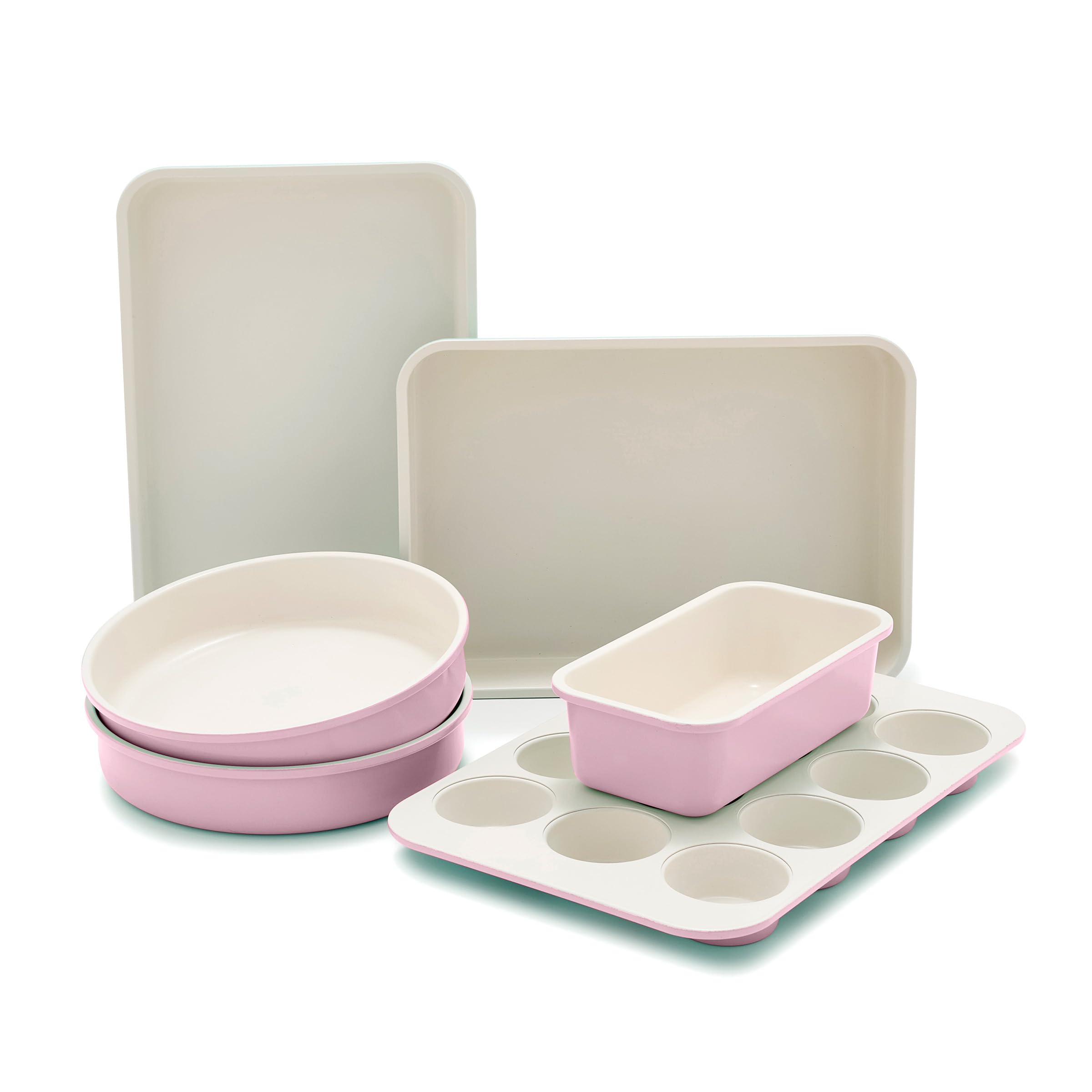
Credit: www.amazon.com
Safety Features
Ceramic bakeware is generally non-toxic and safe for cooking. It is free from harmful chemicals like PTFE and PFOA. This makes it a healthy choice for your kitchen.
Ceramic bakeware offers impressive safety features. Its design focuses on providing a non-toxic cooking experience. People often choose ceramic for its health benefits. Let’s delve into some key safety aspects.Non-toxic Materials
Ceramic bakeware uses natural materials. These materials are free from harmful chemicals. Unlike some metal pans, ceramic does not leach toxins. It ensures a healthier choice for families. The smooth surface prevents food from sticking. This reduces the need for excessive oils or sprays. Cooking with ceramic helps maintain food’s natural flavors. It is also resistant to scratches. This means fewer chances of contaminants entering the food.Lead-free Certification
Many ceramic bakeware brands boast lead-free certifications. This certification guarantees no lead in the glaze. Lead exposure is a serious health risk. Choosing lead-free products ensures peace of mind. Testing by third-party labs confirms the absence of lead. Certified products undergo rigorous checks. This ensures they meet safety standards. Consumers can trust these certifications. They make an informed choice for their kitchens.Benefits Of Using Ceramic Bakeware
Ceramic bakeware is non-toxic and safe for cooking. It offers even heat distribution for perfect baking. This material is free from harmful chemicals, making it a healthy choice for your kitchen.
Ceramic bakeware is gaining popularity for its non-toxic properties. It offers several benefits that make it a preferred choice for baking enthusiasts. Its unique features ensure safe cooking and enhance the baking experience.Even Heat Distribution
Ceramic bakeware distributes heat evenly across the surface. This prevents hot spots and ensures food cooks uniformly. Baked goods turn out perfectly every time. No more burnt edges or undercooked centers. This feature makes ceramic bakeware ideal for delicate recipes.Durability And Longevity
Ceramic bakeware is known for its durability. It can withstand high oven temperatures without cracking. Its sturdy construction extends its lifespan. Investing in ceramic bakeware means fewer replacements over time. This durability also ensures consistent performance in the kitchen. Using ceramic bakeware offers a healthier and more reliable baking experience. Its benefits make it a valuable addition to any kitchen.Potential Risks
Ceramic bakeware is generally considered non-toxic, but risks can arise from coatings or glazes containing harmful chemicals. Poor quality products might leach lead or cadmium, posing health hazards. Always choose reputable brands to ensure safety in the kitchen.
Ceramic bakeware is often praised for its non-toxic properties and charming aesthetics. However, understanding the potential risks associated with its use is crucial for safe and enjoyable cooking. While ceramic bakeware generally offers a safer alternative to non-stick options with chemical coatings, certain factors could pose concerns. Let’s dive into these potential risks and understand how they might affect your kitchen experience.Glaze Concerns
Many ceramic bakeware pieces are coated with a glaze to enhance durability and appearance. This glaze can sometimes contain lead or cadmium, especially in older or imported items. These elements can leach into food, posing health risks. It’s wise to verify that your ceramic bakeware is labeled as lead-free. Check for certifications or seek products from reputable brands that adhere to safety standards. If you have doubts about older ceramic items, it might be time to upgrade.Temperature Limits
Ceramic bakeware is known for its excellent heat retention and even cooking. However, it has temperature limits that, if exceeded, could lead to cracking or breakage. This is especially true if you move the bakeware directly from a hot oven to a cold surface. Always check the manufacturer’s temperature guidelines before use. Ensure you preheat your oven with the ceramic dish inside to avoid thermal shock. If you often cook at high temperatures, consider using ceramic items specifically designed for that purpose. Have you ever experienced unexpected cracking with your ceramic bakeware? Understanding these risks can help you make informed choices, ensuring your kitchen remains both safe and stylish.Choosing Safe Ceramic Bakeware
Choosing ceramic bakeware can be safe and non-toxic. Opt for high-quality ceramic that doesn’t contain harmful chemicals. Ensure it is free from lead and cadmium for peace of mind.
Choosing safe ceramic bakeware is essential for health-conscious cooks. Ceramic bakeware offers a non-toxic alternative to traditional non-stick options. It is crucial to select the right type to ensure safety and quality. The choice can impact cooking results and personal health. Below are key factors to consider when selecting safe ceramic bakeware.Trusted Brands
Choosing bakeware from trusted brands ensures quality and safety. Reputable companies follow strict safety standards. They often have certifications for non-toxicity. These brands use high-quality materials. This reduces the risk of harmful chemicals. Trusted brands often offer warranties. This is a sign of confidence in their products.Quality Indicators
Look for specific quality indicators when selecting ceramic bakeware. Check for lead-free and cadmium-free labels. These ensure the bakeware is safe for food contact. Opt for products with a smooth, even glaze. This prevents food from sticking and ensures even heating. Consider the thickness of the ceramic. Thicker bakeware often provides better heat distribution. Always read customer reviews. They can offer insights into the durability and performance of the product.Care And Maintenance
Ceramic bakeware, made from natural materials, is generally considered non-toxic and safe for cooking. Proper care and maintenance, such as avoiding drastic temperature changes, help prolong its life and ensure safety. Regular cleaning with mild soap preserves its non-toxic properties and maintains its quality.
Caring for ceramic bakeware ensures its longevity and safety. Proper maintenance keeps it non-toxic and functional. Simple cleaning and storage steps can make a big difference. Let’s explore some tips to keep your ceramic bakeware in top shape.Cleaning Techniques
Ceramic bakeware requires gentle cleaning. Use a soft sponge and mild detergent. Avoid abrasive cleaners that can scratch the surface. For stubborn stains, soak the bakeware in warm, soapy water. Let it sit for a few hours. This will loosen any baked-on residue. Gently scrub with a soft brush or cloth. Rinse thoroughly and dry with a soft towel. Ensure no soap residue is left. This keeps the bakeware ready for its next use.Storage Tips
Store ceramic bakeware carefully to prevent chips and cracks. Place a soft cloth or paper towel between stacked pieces. This prevents direct contact and potential damage. Keep bakeware in a cool, dry place. Avoid stacking too high to reduce pressure on lower pieces. Ensure each piece is completely dry before storing. Moisture can lead to mold or mildew. Proper storage keeps your bakeware safe and ready for use.Comparing Ceramic To Other Materials
Ceramic bakeware offers a non-toxic option compared to metal or plastic. It is free from harmful chemicals. Ideal for healthy cooking, ceramic ensures food safety and flavor retention.
Comparing ceramic bakeware to other materials helps understand its safety and benefits. Each material has unique qualities. Some offer non-toxic cooking experiences.Ceramic Vs. Metal Bakeware
Ceramic bakeware provides a non-stick surface naturally. No need for added chemicals. Metal bakeware often contains coatings. These coatings can release toxins when heated. Ceramic retains heat evenly. This ensures thorough cooking. Metal can heat unevenly, leading to hot spots. Ceramic is also aesthetically pleasing. It can go from oven to table directly. Metal bakeware lacks this versatility.Ceramic Vs. Glass Bakeware
Both ceramic and glass are non-toxic. They do not leach harmful substances into food. Ceramic is more durable than glass. It withstands higher temperatures without cracking. Glass bakeware can shatter under sudden temperature changes. Ceramic offers better heat retention. This keeps food warm longer after cooking. Glass bakeware cools quickly. Ceramic comes in varied designs and colors. Glass bakeware usually has a transparent look.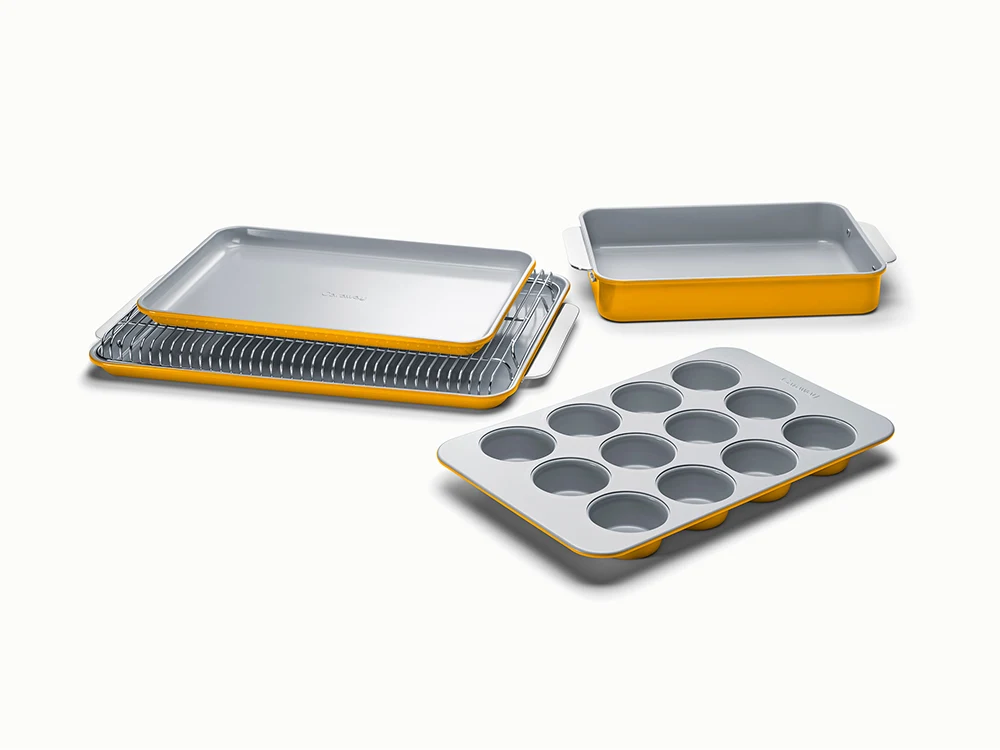
Credit: www.carawayhome.com
Frequently Asked Questions
Is Ceramic Bakeware Safe For Cooking?
Ceramic bakeware is generally safe for cooking. It is made from natural clay and often free from harmful chemicals. Always check the label to ensure it is lead-free. Proper usage and care enhance safety. Avoid sudden temperature changes to prevent cracking.
Does Ceramic Bakeware Release Toxic Fumes?
Ceramic bakeware does not typically release toxic fumes. It is made from natural materials like clay. Ensure your ceramic is high-quality and lead-free to avoid health risks. Always follow the manufacturer’s instructions for safe use.
How Durable Is Ceramic Bakeware?
Ceramic bakeware is durable and long-lasting. It resists scratching and staining, maintaining its appearance over time. Avoid sudden temperature changes to prevent cracking. Proper care ensures it remains a reliable kitchen staple for years.
Can Ceramic Bakeware Withstand High Temperatures?
Ceramic bakeware can withstand high temperatures. It is ideal for baking and roasting. Always check the manufacturer’s guidelines for maximum heat tolerance. Avoid direct flame exposure to preserve its quality and lifespan.
Conclusion
Ceramic bakeware is a safe choice for your kitchen. It’s free from harmful chemicals. This makes it a healthier option for cooking. It’s durable, easy to clean, and looks great. These qualities make it a favorite for many. Always check for quality brands.
This ensures you get the best. Safe for both you and your family. Enjoy baking with peace of mind. Choose wisely and cook safely. Your kitchen deserves the best. Ceramic bakeware offers this in spades. It’s a reliable, non-toxic option for delicious meals.