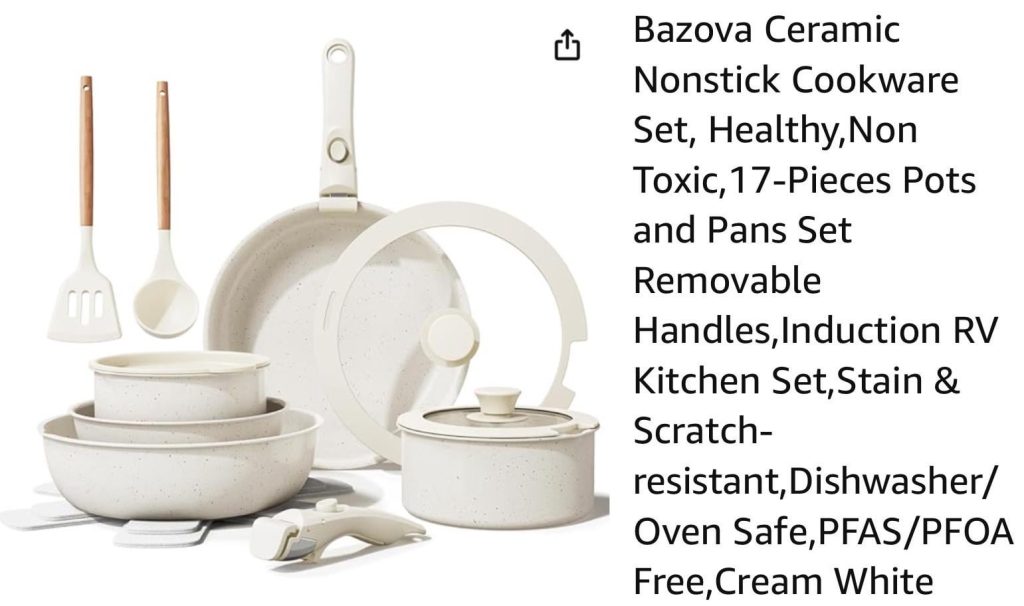
Have you ever wondered if ceramic aluminum cookware is safe for your kitchen? With so many options available, choosing the right cookware can feel overwhelming.
You might have heard mixed opinions about ceramic aluminum cookware, leaving you unsure about whether it’s the best choice for you and your family. Imagine cooking your favorite meals with peace of mind, knowing that you’re making a healthy decision.
We’ll dive into the facts and myths surrounding ceramic aluminum cookware, so you can confidently decide if it’s the right fit for your culinary adventures. Stay with us as we uncover the truth and help you make an informed choice that aligns with your lifestyle and health priorities.
Credit: schaumburgspecialties.com
Ceramic Aluminum Cookware Basics
Ceramic aluminum cookware has gained popularity in kitchens around the globe for its sleek design and impressive cooking performance. But how well do you know what’s behind that smooth surface? Understanding the basics of ceramic aluminum cookware can help you make informed choices for your kitchen. Let’s dive into its materials, composition, and manufacturing process to see why it might be a suitable choice for you.
Materials And Composition
At its core, ceramic aluminum cookware combines the best of both worlds: the durability of aluminum and the non-stick benefits of ceramic. The base is typically made from aluminum, chosen for its excellent heat conduction properties. This ensures your meals cook evenly, reducing the chances of burnt spots or undercooked sections.
The ceramic coating is where the magic happens. This layer, often made from inorganic minerals, provides a non-stick surface without the need for synthetic chemicals like PFOA or PTFE. This means you can cook with less oil, making meals healthier.
Manufacturing Process
The manufacturing process of ceramic aluminum cookware is both fascinating and meticulous. It begins with shaping the aluminum base to the desired cookware form. This is usually done through a process called die-casting, which ensures uniform thickness and weight.
Once the base is ready, the ceramic coating is applied. This can be done through a process known as sol-gel technology, which involves spraying or dipping the aluminum in a ceramic solution. This step is crucial as it determines the non-stick quality and durability of the cookware.
After the coating is applied, the cookware is baked at high temperatures to cure the ceramic layer. This step locks in the non-stick properties and ensures the coating adheres properly to the aluminum base. The result is a piece of cookware that combines functionality with aesthetic appeal.
Have you ever thought about what goes into making your cookware? Understanding these steps might just change the way you view your cooking tools. Next time you prepare a meal, appreciate the craftsmanship that goes into each piece of ceramic aluminum cookware in your kitchen.
Health Considerations
Ceramic aluminum cookware is gaining popularity due to its non-stick properties. Health considerations are crucial for those using these kitchen essentials. Understanding the safety aspects helps in making informed choices.
Chemical Leaching Risks
Some cookware materials can leach chemicals into food during cooking. Ceramic aluminum cookware generally avoids this issue. It lacks harmful substances like PFOA and PTFE. These chemicals are known for potential health risks. Ceramic coatings provide a safer cooking surface.
Non-toxic Coatings
Ceramic aluminum cookware uses non-toxic coatings. They offer a safer alternative to traditional non-stick pans. The ceramic layer is free from harmful chemicals. It ensures that food remains uncontaminated. This makes it a healthier choice for everyday cooking.
Safety Features
Ceramic aluminum cookware has become increasingly popular for its non-stick properties and stylish design. But beyond aesthetics and convenience, how safe is this type of cookware? Understanding the safety features can help you make informed decisions about what ends up in your kitchen. Let’s delve into two crucial aspects of ceramic aluminum cookware safety: heat resistance and scratch and chip resistance.
Heat Resistance
One of the standout features of ceramic aluminum cookware is its ability to withstand high temperatures. Unlike traditional non-stick pans, which can release harmful chemicals when overheated, ceramic coatings are designed to be stable and safe at high heat levels. This means you can sauté, fry, and bake without worrying about releasing toxic fumes into your kitchen.
Have you ever accidentally left a pan on the stove only to find it smoking when you returned? With ceramic aluminum cookware, you can avoid those unnerving moments. The robust heat resistance ensures that even if you crank up the heat, your cookware remains a safe tool in your culinary adventures.
Scratch And Chip Resistance
Ceramic aluminum cookware is not just about heat; it’s also about durability. The ceramic coating is highly resistant to scratches and chips, meaning you don’t have to treat your cookware like it’s made of glass. You can use metal utensils without fear of damaging the surface, preserving the cookware’s longevity.
Think about the times you’ve hesitated to use a spatula on your favorite frying pan, fearing it might scratch the surface. With ceramic aluminum cookware, those concerns are minimized. The scratch-resistant quality allows you to cook with confidence, knowing your cookware will stay intact and safe for future use.
So, how does your current cookware stack up? Do you find yourself constantly worrying about overheating or damaging your pans? Consider upgrading to ceramic aluminum cookware for a worry-free cooking experience that prioritizes safety without sacrificing style or performance.

Credit: www.instagram.com
Performance And Durability
When considering ceramic aluminum cookware, performance and durability are key factors that determine if it’s the right choice for your kitchen. This type of cookware is praised for its non-stick properties and stylish appearance. But how does it perform under the demands of daily cooking, and how long can it last?
Heat Distribution
One of the standout features of ceramic aluminum cookware is its ability to distribute heat evenly. This ensures that your food cooks uniformly, preventing hotspots that can burn food. Imagine making a delicate sauce that requires precision — the even heat allows for consistent results every time.
Next time you cook pancakes, notice how each one turns out the same golden brown. This consistency can make all the difference in your culinary creations. It can transform your cooking experience from frustrating to pleasurable.
Longevity Of Use
Ceramic aluminum cookware is known for its durability, but how long can it really last? With proper care, it can serve you well for years. Hand washing and avoiding metal utensils can extend its lifespan significantly.
I’ve had my ceramic pan for over three years, and it still looks almost new. This longevity not only saves you money but also reduces waste. Are you ready to invest in cookware that stands the test of time?
Comparative Analysis
Evaluating safety concerns, ceramic aluminum cookware is generally considered safe for cooking. It is free from harmful chemicals like PFOA and PTFE. Always ensure proper usage to avoid damage and maintain its non-stick properties.
Comparative Analysis Choosing the right cookware for your kitchen isn’t just about style or brand—it’s about safety and performance. When considering ceramic aluminum cookware, it’s essential to compare it with other popular types to understand its benefits and drawbacks. This comparison will help you make an informed decision that aligns with your cooking needs and safety concerns.Ceramic Vs. Nonstick Cookware
Ceramic cookware is often touted for its natural nonstick properties without using synthetic chemicals like PTFE or PFOA. This can be a great choice if you’re cautious about chemical exposure. However, nonstick cookware typically offers superior nonstick performance, making it easier to clean. But, the downside is the potential release of harmful fumes if overheated. Have you ever wondered how often you might unintentionally overheat a pan? Ceramic cookware generally withstands higher temperatures, reducing this risk. While both options are convenient, consider how often you prioritize safety over ease of use.Ceramic Vs. Stainless Steel Cookware
Stainless steel cookware is renowned for its durability and excellent heat conductivity. But, it often requires more oil or butter to prevent food from sticking. On the other hand, ceramic aluminum cookware offers a naturally slick surface, minimizing the need for extra fats. Have you ever struggled with cleaning stubborn food residue off stainless steel pans? Ceramic options might save you time and effort in cleaning. However, stainless steel is typically more resilient to scratches and dents, making it a long-lasting choice. If you value longevity over convenience, stainless steel might be your go-to. Ultimately, both types have their merits; it depends on what you prioritize in your cooking routine.Maintenance And Care
Maintaining ceramic aluminum cookware ensures its longevity and safety. Proper care prevents damage and enhances performance. It also keeps your cookware looking new. Understanding the right maintenance techniques is crucial for every kitchen enthusiast.
Cleaning Techniques
Clean ceramic aluminum cookware gently to prevent scratches. Use a soft sponge or cloth. Avoid abrasive pads that can damage the surface. Warm, soapy water is effective for most cleaning tasks. For stubborn stains, a mixture of baking soda and water helps. Let the paste sit for a few minutes, then wipe it off. Always rinse thoroughly to remove soap residue.
Storage Tips
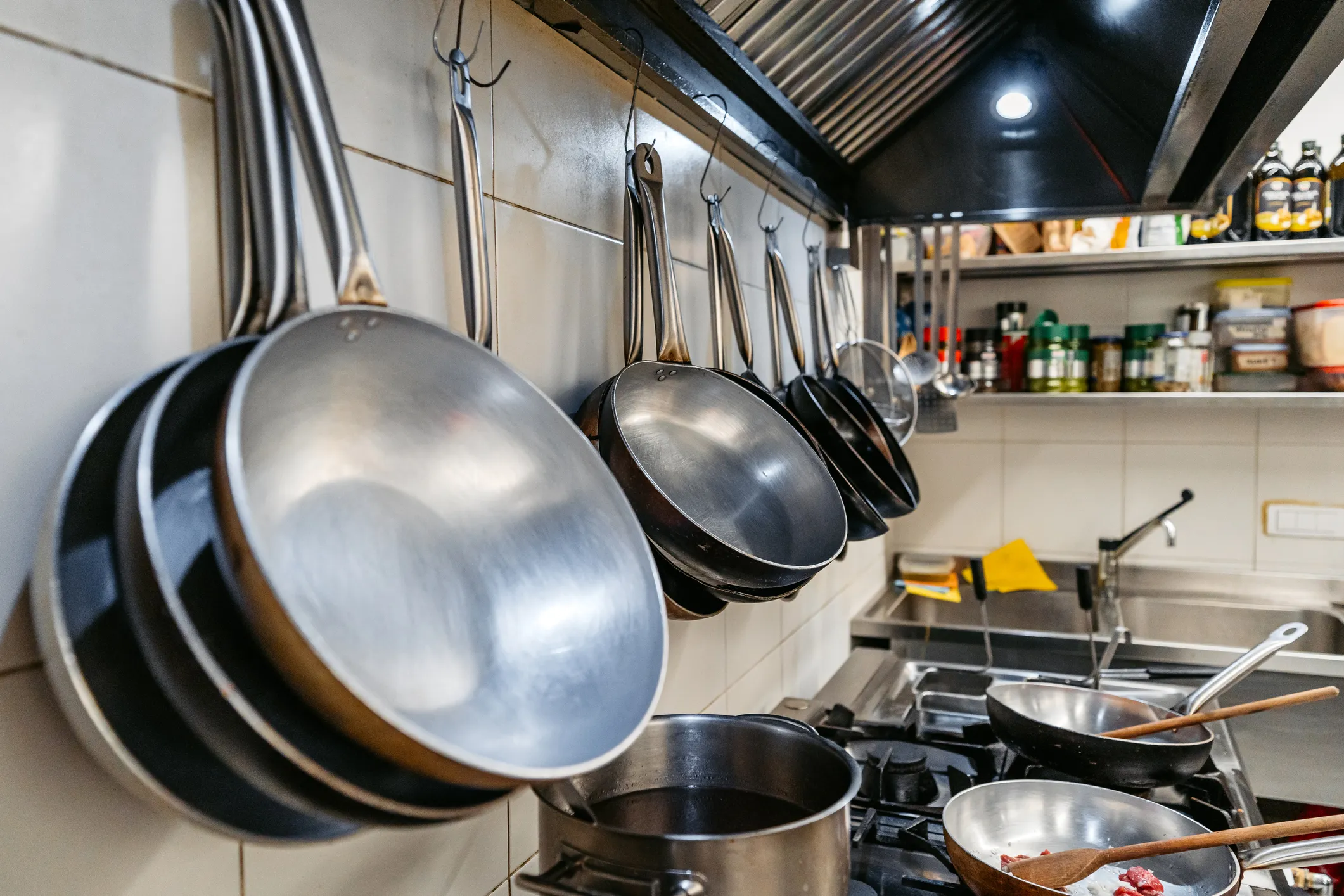
Store your cookware properly to avoid scratches and chips. Use pan protectors between stacked items. This prevents direct contact and potential damage. Hanging pots and pans is also a good option if space allows. Ensure the storage area is dry to prevent moisture damage. Avoid placing heavy items on top of ceramic cookware.
Consumer Reviews And Feedback
Consumer reviews often highlight the safety of ceramic aluminum cookware. Many users appreciate its non-stick surface and easy cleaning. Concerns about chemicals are frequently addressed, with most feedback reassuring its safety for everyday cooking.
Consumer reviews and feedback offer valuable insights into the safety and performance of ceramic aluminum cookware. Real-life experiences from users can help you make informed decisions. Whether you’re a seasoned chef or a home cook, understanding what others have encountered can be a guiding light in your purchase journey.User Experiences
Many users praise ceramic aluminum cookware for its non-stick properties. Imagine making an omelet that slides effortlessly out of the pan. Users often highlight how easy it is to clean, reducing the hassle of scrubbing after a meal. However, the experiences aren’t universally positive. Some users mention that the non-stick coating wears off over time. This raises the question: is the initial convenience worth the potential decline in performance?Common Complaints
A frequent complaint is the cookware’s durability. Several reviews point out issues like chipping or the coating peeling after prolonged use. This can be frustrating, especially if you invested in a high-quality set expecting longevity. Another common concern is the cookware’s reaction to high heat. Some users report warping or discoloration when exposed to high temperatures. If you’re someone who loves to sear at high heat, this is something to consider. Ultimately, consumer reviews and feedback offer a mixed bag of insights. They highlight both the benefits and potential drawbacks of ceramic aluminum cookware. What have been your experiences with this type of cookware?Regulatory Standards
When you’re contemplating the safety of ceramic aluminum cookware, understanding regulatory standards is crucial. These standards help ensure that the products you use in your kitchen are safe and reliable. But how do these standards actually work, and what should you look for when choosing your cookware?
Industry Guidelines
Industry guidelines are the backbone of cookware safety. They set the benchmarks for manufacturers, dictating what materials can be used and how they should be processed. For instance, guidelines often specify the allowable levels of heavy metals like lead and cadmium, ensuring they don’t leach into your food during cooking.
These guidelines also cover the durability and heat resistance of cookware. You want your pots and pans to withstand high temperatures without degrading. So, next time you’re shopping for cookware, check if the brand adheres to these crucial industry standards.
Safety Certifications
Safety certifications are your best friend when assessing the safety of ceramic aluminum cookware. Certifications from reputable organizations like the FDA or NSF signify that the product has undergone rigorous testing. They ensure that the cookware meets high safety standards and won’t pose any health risks.
Look for labels or logos on the packaging that indicate certification. It’s a straightforward way to verify that the cookware you’re buying is safe for your family. Have you ever noticed these labels and wondered what they mean? Now you know they’re not just decorative—they’re essential.

Credit: www.facebook.com
Frequently Asked Questions
Is Ceramic Aluminum Cookware Safe For Cooking?
Yes, ceramic aluminum cookware is generally safe for cooking. It combines aluminum’s heat conductivity with a non-toxic ceramic coating. The ceramic surface is free from harmful chemicals like PFOA and PTFE. This makes it a healthy choice for non-stick cooking, provided you follow care instructions.
Can Ceramic Aluminum Cookware Withstand High Heat?
Ceramic aluminum cookware can handle moderate to high heat levels. However, excessive heat can damage the ceramic coating. It’s best to use medium heat for cooking. This helps prolong the lifespan of the cookware. Avoid preheating empty pans and always follow the manufacturer’s heat recommendations.
Does Ceramic Aluminum Cookware Release Toxins?
Ceramic aluminum cookware is designed to be toxin-free. The ceramic coating is free from harmful chemicals, unlike some traditional non-stick surfaces. It doesn’t release toxins at normal cooking temperatures. Always ensure the coating is intact to maintain its safety and effectiveness.
Is Ceramic Aluminum Cookware Durable?
Ceramic aluminum cookware is durable but requires proper care. The aluminum core provides strength and heat conductivity. However, the ceramic coating can chip or scratch if not handled carefully. Use wooden or silicone utensils, and avoid metal tools to maintain its durability.
Conclusion
Ceramic aluminum cookware offers a safer cooking choice. It provides even heat distribution. No harmful chemicals leach into food. Many people enjoy its non-stick surface. Easy to clean, too. Remember to use low to medium heat. This extends the cookware’s life.
Always follow the manufacturer’s care instructions. Choosing quality brands ensures safety and durability. Keep your family safe by selecting the right cookware. Enjoy your cooking experience with peace of mind. Investing in good cookware is wise. Health should always come first in the kitchen.