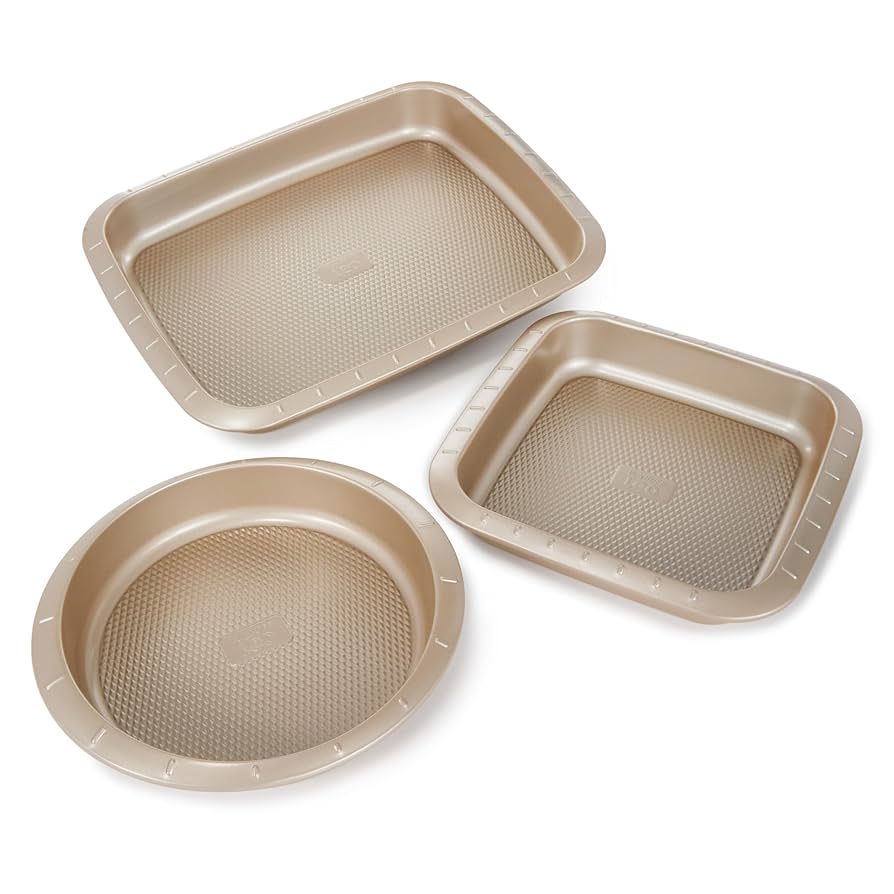
Have you ever wondered if your choice of bakeware is affecting the safety of your delicious creations? When it comes to baking, the materials you use can make a big difference, not only in the outcome of your recipes but also in your health.
Carbon steel bakeware is popular for its durability and heat conduction, but is it safe for you and your family? Understanding the ins and outs of your kitchen tools can transform the way you cook and bring peace of mind.
We will uncover the truth about carbon steel bakeware, addressing your concerns and providing you with the knowledge you need to make informed decisions. Stay with us to discover whether your bakeware is truly a friend or foe in your culinary adventures.
Understanding Carbon Steel
Carbon steel bakeware is safe for baking when properly seasoned and maintained. It offers excellent heat distribution, ensuring evenly cooked dishes. Avoid using harsh chemicals to clean, as this may damage the surface.
Understanding Carbon Steel Carbon steel is a popular material in the kitchen. It combines durability with versatility. Many chefs and home cooks value its unique properties. But what exactly is carbon steel? Let’s explore its composition and characteristics.Composition And Characteristics
Carbon steel consists mainly of iron and carbon. The carbon content usually ranges from 0.5% to 2.0%. This combination gives it strength and hardness. Carbon steel is less brittle than other materials. It also conducts heat well, which is important for cooking. It has a natural non-stick surface after seasoning. This makes it ideal for baking and frying. Its lightweight nature makes it easy to handle. It is also more affordable compared to stainless steel.Common Uses In Cookware
Carbon steel is common in various types of cookware. You often see it in skillets and frying pans. These are perfect for searing and browning food. Carbon steel baking sheets are also popular. They provide even heat distribution for baking. Roasting pans and woks often use carbon steel too. Its ability to withstand high heat makes it ideal for these uses. Cast iron alternatives can be heavier, making carbon steel a preferred choice for some. Overall, carbon steel is a valuable addition to any kitchen. Its benefits make it a favorite among many cooking enthusiasts.
Credit: www.boroughkitchen.com
Safety Concerns With Bakeware
Baking is a beloved activity in many homes. Choosing the right bakeware is crucial. Not all materials are equally safe. Concerns about potential health risks arise often. Carbon steel bakeware, like others, demands attention. Understanding these risks is essential.
Potential Health Risks
Carbon steel is known for durability. Yet, questions about its safety persist. Some fear toxins may leach during cooking. This could lead to health issues over time. Ensuring bakeware safety is vital for peace of mind.
Chemical Leaching
Chemical leaching is a common worry. High temperatures may cause substances to seep into food. This is a concern with many types of bakeware. Carbon steel is no exception. Protecting your family means understanding these risks.
Advantages Of Carbon Steel Bakeware
Carbon steel bakeware is popular among cooking enthusiasts. It offers several benefits that make it a preferred choice in many kitchens. From its durability to its ability to distribute heat evenly, carbon steel bakeware stands out in the world of kitchen tools. Below are some notable advantages of using carbon steel bakeware.
Durability And Longevity
Carbon steel bakeware is known for its strength. It can withstand high temperatures without warping. This makes it perfect for baking tasks that require precision. Its robust nature ensures it lasts for years, even with frequent use. Many chefs and home cooks appreciate its long-lasting performance. Investing in carbon steel means fewer replacements over time.
Heat Distribution Benefits
Even heat distribution is crucial for baking. Carbon steel excels in this area. It allows for uniform cooking, reducing the risk of hot spots. This ensures your baked goods come out evenly cooked every time. The material heats up quickly, saving time in the kitchen. Its efficient heat transfer helps achieve perfect results with less effort.
Comparing Carbon Steel To Other Materials
When choosing bakeware, the material matters. Each type offers unique benefits. Comparing carbon steel to others helps in making informed decisions. Let’s explore aluminum and stainless steel bakeware.
Aluminum Bakeware
Aluminum is lightweight and heats quickly. It distributes heat evenly for consistent baking. However, it can react with acidic foods. This may alter flavors and appearance. It’s generally affordable and easy to find. But, it may not last as long as other materials. Anodized aluminum options resist scratching and discoloration.
Stainless Steel Options
Stainless steel is durable and resists rust. It offers a sleek, modern look. This material is heavier than aluminum, providing sturdiness. Heat distribution is less even, requiring careful attention during baking. Stainless steel is non-reactive, ideal for acidic ingredients. It often comes at a higher price point. Yet, it ensures long-term use with proper care.
Proper Care And Maintenance
Carbon steel bakeware is safe when properly cared for. Regular cleaning and drying prevent rust. Use oil to maintain its non-stick surface.
Proper care and maintenance of carbon steel bakeware not only extends its life but also ensures safe cooking. Many home bakers often overlook this crucial aspect, leading to rust and other issues that compromise both the bakeware’s performance and safety. By following a few simple steps, you can keep your bakeware in top condition, ensuring every bake is a success.Preventing Rust
Rust is the arch-nemesis of carbon steel bakeware. It can form quickly if the bakeware is not dried properly. After washing, thoroughly dry your bakeware with a towel and then let it air dry completely. Store in a cool, dry place to prevent moisture build-up. If you notice any rust spots, gently scrub them with a mixture of baking soda and water. Keeping your bakeware dry and clean is your best defense against rust.Seasoning Techniques
Seasoning adds a protective layer that prevents sticking and rust. Lightly coat your bakeware with a thin layer of vegetable oil. Place it in the oven at 400°F for about an hour. Allow it to cool completely before storing. This process not only protects the bakeware but also improves its non-stick properties. Regular seasoning ensures your bakeware remains a trusty kitchen companion. Have you ever tried seasoning your bakeware? You might be surprised at the difference it makes in your baking experience.Expert Opinions And Studies
Carbon steel bakeware is generally considered safe by experts. Studies show it doesn’t release harmful chemicals during baking. Proper maintenance ensures durability and safety for everyday use.
Understanding whether carbon steel bakeware is safe involves diving into expert opinions and scientific studies. This section will explore findings from scientific research and insights from industry experts. By the end, you’ll have a clearer perspective on the safety of using carbon steel in your kitchen.Scientific Research
Scientific research plays a pivotal role in determining the safety of materials used in bakeware. Studies have shown that carbon steel, which is primarily composed of iron and carbon, is generally safe for food contact. One study found that carbon steel bakeware, when used under normal baking conditions, does not leach harmful substances into food. However, it’s essential to note that improper use, such as exposure to acidic foods or neglecting proper maintenance, might lead to rusting, which can affect food safety.Industry Expert Insights
Industry experts provide valuable insights into the practical use of carbon steel bakeware. Many chefs and bakers prefer carbon steel for its excellent heat conduction and durability. They often highlight the importance of seasoning the bakeware to enhance its non-stick properties and prevent rust. Experts also advise on regular maintenance, such as thorough drying after washing, to extend the lifespan of carbon steel bakeware. Have you ever wondered why your grandmother’s old baking pan still works like a charm? It’s likely because of consistent care over the years. Taking these insights and scientific findings into account can help you make informed decisions about using carbon steel bakeware safely in your kitchen.Consumer Experiences
Consumer experiences with carbon steel bakeware offer a wealth of insights into its safety and reliability. While some users rave about its durability and performance, others share concerns that highlight its potential drawbacks. By exploring user reviews and common issues, you can make an informed decision about whether carbon steel bakeware is right for your kitchen.
User Reviews
Many users appreciate the robustness of carbon steel bakeware. Its ability to withstand high temperatures and its longevity often earn positive feedback. A home baker mentioned how her carbon steel baking sheets have lasted for years, withstanding countless baking sessions without warping.
However, not all reviews are glowing. Some users report challenges with cleaning and maintenance. One user pointed out that while the bakeware performs well, it requires thorough drying to prevent rust. This highlights a common trade-off: excellent heat distribution versus potential maintenance hassle.
Common Issues
A frequent issue reported by consumers is rust. Carbon steel is prone to rust if not properly cared for, which can be a dealbreaker for some. It’s crucial to dry your bakeware completely after washing to avoid this problem.
Another common complaint is the necessity for seasoning. Unlike non-stick options, carbon steel requires regular seasoning to maintain its surface and prevent food from sticking. This additional step might be bothersome for those who prefer low-maintenance kitchen tools.
Considering these experiences, what matters most to you in bakeware? Are you willing to invest time in maintenance for durability, or do you prefer convenience? Your answer will guide you in choosing bakeware that best suits your lifestyle.

Credit: www.amazon.com
Making An Informed Choice
Understanding the safety of carbon steel bakeware is crucial for making informed kitchen choices. Carbon steel is durable and often safe when used correctly. Proper care, like seasoning and avoiding acidic foods, ensures longevity and safety in cooking.
Making an Informed Choice Choosing the right bakeware for your kitchen is more than just picking a material. It’s about understanding how each option aligns with your cooking style and health concerns. Carbon steel bakeware, known for its durability and even heat distribution, is a popular choice, but how do you decide if it’s the right one for you?Factors To Consider
Safety is often a top priority. Carbon steel is generally considered safe, as it doesn’t leach harmful chemicals into your food. However, it can rust if not properly cared for, which might affect food quality. Maintenance is another factor. Carbon steel requires seasoning to maintain its non-stick properties, much like cast iron. This can be a deal-breaker if you’re looking for low-maintenance options. Cost is also important. Carbon steel is usually more affordable than stainless steel or copper, making it a budget-friendly option without compromising on quality.Personal Preferences
Your cooking habits play a role. If you frequently bake bread or roast meats, carbon steel’s heat retention and distribution can enhance your results. Yet, if you prefer baking delicate items like cookies, you might need to adjust baking times to prevent over-browning. Consider your aesthetic tastes. Carbon steel develops a natural patina over time, which some find charming while others prefer a consistently shiny appearance. Think about your commitment to upkeep. If you enjoy the ritual of maintaining your cookware, carbon steel can be satisfying. But if you prefer to keep things simple, non-stick or silicone might be better suited to your needs. Ultimately, the decision to use carbon steel bakeware hinges on weighing these factors against your personal cooking style and preferences. What does your ideal baking experience look like?
Credit: www.amazon.com
Frequently Asked Questions
Is Carbon Steel Bakeware Toxic?
Carbon steel bakeware is generally considered safe for cooking. It doesn’t contain harmful chemicals or coatings like some non-stick bakeware. Proper care, such as seasoning and avoiding acidic foods, ensures its safety. Always buy from reputable manufacturers to ensure quality and safety standards.
How To Care For Carbon Steel Bakeware?
To maintain carbon steel bakeware, season it regularly to prevent rust and enhance non-stick properties. Clean with warm water and mild soap, avoiding abrasive scrubbers. Dry thoroughly to prevent moisture buildup. Store in a dry place to maintain its condition and longevity.
Does Carbon Steel Bakeware Rust Easily?
Carbon steel can rust if not properly maintained. Regular seasoning creates a protective layer that prevents rust. After washing, dry it completely before storing. Avoid soaking or leaving moisture on the surface. Proper care ensures long-lasting use without rust issues.
Are There Health Risks With Carbon Steel Bakeware?
Carbon steel bakeware poses minimal health risks when used correctly. It is free from harmful coatings found in some bakeware. Ensure regular seasoning to prevent rust. Avoid cooking acidic foods that can react with the material. Choose high-quality bakeware for safe and healthy cooking.
Conclusion
Carbon steel bakeware offers durability and even heat distribution. It’s generally safe for baking. Proper care ensures safety and longevity. Avoid using harsh chemicals on it. Always dry thoroughly to prevent rust. Many bakers trust carbon steel for its reliability.
It’s a solid choice for everyday baking needs. Remember, safety lies in usage and maintenance. Keep your bakeware clean and dry. Enjoy baking with confidence. Your favorite recipes will thank you. Choose wisely for the best baking results.