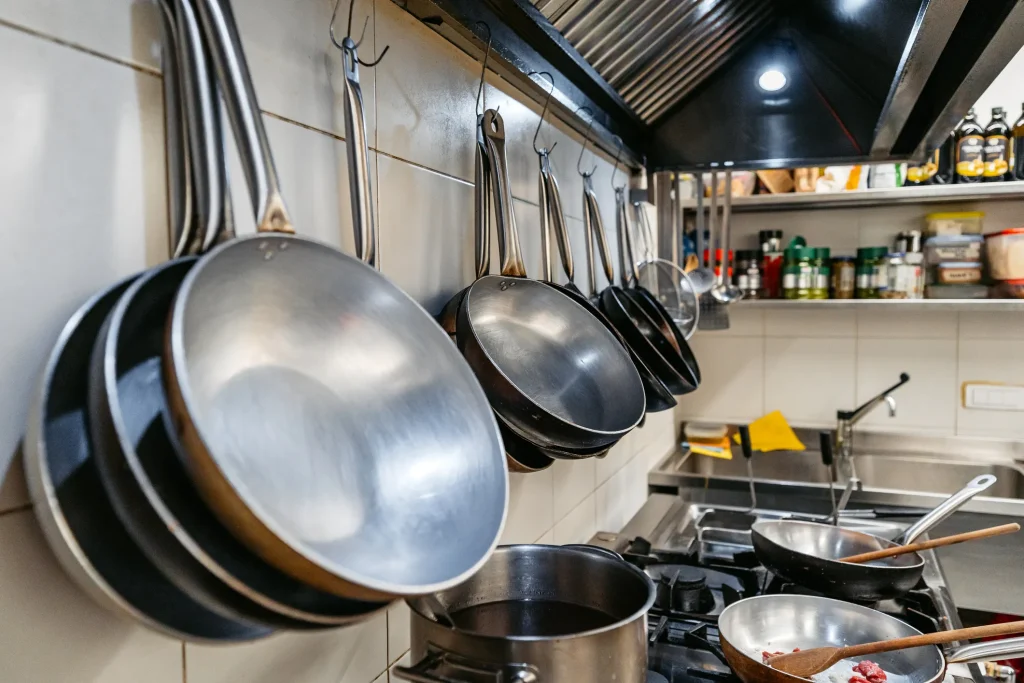
Have you ever paused in the kitchen, holding your favorite aluminum baking pan, and wondered, “Is aluminum bakeware safe?” You’re not alone.
With so many choices available today, it’s easy to feel overwhelmed by conflicting information. You want the best for your family, and choosing the right bakeware is a part of that commitment. This article is here to provide clarity and peace of mind.
We’ll dive into the facts about aluminum bakeware, separating myths from reality, and helping you make informed choices. Stay with us as we uncover everything you need to know to ensure your baking endeavors are both safe and delightful.
Aluminum Bakeware Basics
Aluminum bakeware is considered safe for baking and cooking. It heats evenly, ensuring well-cooked dishes. Always use non-stick or lined options to prevent food reactions.
Aluminum bakeware has long been a staple in kitchens around the world. It’s known for its excellent heat conductivity, which ensures your dishes cook evenly and efficiently. But as you reach for that aluminum pan, you might wonder about its safety. Understanding the basics can help you make informed decisions in your kitchen.Understanding Aluminum’s Heat Conductivity
Aluminum is prized for its ability to heat up quickly and distribute that heat evenly. This means fewer hot spots in your baking, resulting in perfectly cooked cakes and cookies. Have you ever baked a cake that was burnt on the edges but raw in the middle? Aluminum bakeware can help prevent such mishaps.Non-stick Vs. Traditional Aluminum
Choosing between non-stick and traditional aluminum bakeware is a common dilemma. Non-stick surfaces offer easy cleaning and effortless food release, reducing the need for excessive oils or butter. On the other hand, traditional aluminum bakeware can provide a natural patina over time, enhancing its cooking performance. Which one aligns with your baking style?Maintenance And Longevity
Proper care can extend the life of your aluminum bakeware. Avoid using abrasive cleaners or metal utensils to maintain its surface. Regular maintenance ensures you continue enjoying its benefits without compromising its functionality. How do you care for your bakeware to keep it in top shape?Health Considerations
Concerns about aluminum leaching into food can be mitigated with proper usage. Using parchment paper or silicone liners can act as a barrier, minimizing direct contact with food. Additionally, avoid cooking acidic foods directly in aluminum pans, as this can increase leaching. Are these practices part of your baking routine?Cost-effectiveness
Aluminum bakeware is often more affordable than other materials like stainless steel or copper. This makes it an attractive option for both amateur bakers and seasoned chefs. Investing in quality aluminum bakeware can offer great value without breaking the bank. Is cost a deciding factor in your choice of bakeware?Common Myths
When it comes to choosing bakeware, aluminum often raises eyebrows. It’s lightweight, conducts heat evenly, and is cost-effective. Yet, despite its advantages, aluminum bakeware is often surrounded by myths and misconceptions. Let’s unravel these myths and discover the truth.
Myth: Aluminum Bakeware Causes Alzheimer’s Disease
One common myth is that using aluminum bakeware can lead to Alzheimer’s disease. This belief stems from old studies suggesting a link between aluminum and Alzheimer’s. However, extensive research has shown no significant evidence to support this claim. Aluminum is everywhere—in the air, food, and water. You likely consume it daily without realizing it. So, using aluminum bakeware isn’t a direct ticket to health issues.
Myth: Aluminum Bakeware Is Unsafe At High Temperatures
Another myth is that aluminum bakeware releases harmful toxins at high temperatures. But here’s the truth: aluminum melts at around 1,221°F, far beyond any temperature your oven could reach. While it’s true that acidic or salty foods can cause aluminum to leach, this process is minimal and not harmful. You can safely bake your favorite recipes without worrying about toxins escaping from your bakeware.
Myth: Aluminum Changes The Taste Of Food
Some say aluminum affects the taste of your food, leaving a metallic aftertaste. This myth likely arises from using bare aluminum pans, which can react with acidic ingredients. However, most aluminum bakeware today is coated or anodized, preventing any reaction with food. If you’ve experienced a strange taste, it might be time to upgrade your bakeware to a coated version.
Myth: All Aluminum Bakeware Is Created Equal
It’s easy to assume all aluminum bakeware is the same, but that’s far from true. Quality varies significantly. Cheaper options may warp or discolor over time, while high-grade, anodized aluminum retains its shape and appearance. Investing in quality bakeware can improve your baking experience and ensure longevity. What do you value more, saving a few bucks now or enjoying consistent baking results?
These myths often cloud our judgment, leading to unnecessary concerns. By understanding the facts, you can make informed choices about your bakeware. Next time you’re tempted to believe a myth, remember to dig a little deeper and seek the truth. Your kitchen deserves the best, and so do you!
Scientific Insights
Scientific insights explore if aluminum bakeware is safe for cooking. Experts suggest using it with care to avoid health risks. Always use liners or parchment paper to reduce aluminum exposure.
Understanding the safety of aluminum bakeware involves more than just surface impressions. Recent scientific studies have provided insights into its potential health impacts, leading to informed decisions in the kitchen. Let’s delve into these findings to uncover the truth about aluminum bakeware.What Science Says About Aluminum Exposure
Research has shown that aluminum can leach into food under certain conditions, especially with acidic or salty dishes. However, the levels typically remain within the safety limits set by health organizations. Cooking with aluminum bakeware occasionally is unlikely to cause harm, but using it for every meal might not be the best choice.Health Implications Of Aluminum
The human body naturally contains aluminum and manages small amounts efficiently. Yet, excessive exposure could potentially be linked to health issues. It’s crucial to balance its use with other materials to minimize any long-term risks.Comparing Aluminum To Other Materials
Aluminum is lightweight and heats evenly, making it a popular choice. However, alternatives like stainless steel or glass offer similar benefits without the risk of leaching. It’s worth considering these options, especially for regular baking.Practical Tips For Safe Use
Using parchment paper or silicone baking mats can help reduce direct contact. Opt for anodized aluminum bakeware, which is treated to prevent leaching. These small adjustments can enhance safety without compromising your baking results. How often do you find yourself reaching for aluminum bakeware? By understanding the science, you can make safer choices without sacrificing your love for baking.
Credit: kitchendance.com
Health Implications
Aluminum bakeware is common in kitchens. Its safety raises concerns about aluminum’s potential to leach into food. Studies suggest limited exposure, but using coated or anodized aluminum can reduce risks.
Aluminum bakeware is a staple in many kitchens due to its affordability and excellent heat conductivity. However, its safety has been a topic of debate, particularly concerning potential health risks. Understanding the health implications of using aluminum bakeware can help you make informed decisions for your kitchen.Potential Risks
Aluminum is a reactive metal, meaning it can leach into food, especially when cooking acidic foods like tomatoes or citrus. This can raise concerns, as high levels of aluminum in the body have been linked to health issues such as neurotoxicity. However, it’s essential to note that everyday exposure to aluminum through cookware is generally low. The World Health Organization suggests that the average adult’s exposure to aluminum from all sources is unlikely to reach harmful levels.Safe Usage Guidelines
To minimize any potential risks, consider using anodized aluminum bakeware. Anodizing creates a non-reactive layer on the surface, preventing aluminum from leaching into food. Always avoid using aluminum bakeware with acidic foods or opt for a glass or stainless-steel alternative when cooking such dishes. Ensure your bakeware is in good condition, without any scratches or damage, as these can compromise the protective layer. Do you know what’s in your kitchen? Taking small steps can make a significant difference in ensuring your cooking practices are safe for you and your family.Comparing Materials
Aluminum bakeware is lightweight and conducts heat well, making it popular among bakers. Concerns about safety arise when acidic foods contact aluminum, potentially leading to leaching. Consider using anodized aluminum or lining with parchment paper to minimize risks.
Comparing bakeware materials can be a tricky task. Each material has its unique features. These features can affect how your baked goods turn out. Let’s delve into how aluminum stacks up against other popular materials.Aluminum Vs. Stainless Steel
Aluminum is light and conducts heat well. This makes it a popular choice for baking. It heats up quickly and cools down fast. This can be beneficial for certain recipes. Stainless steel is heavier and more durable. It doesn’t conduct heat as evenly as aluminum. This can result in hot spots and uneven baking. But, it’s resistant to rust and corrosion. It also doesn’t react with acidic foods. This makes it a good choice for long-lasting bakeware.Aluminum Vs. Non-stick
Non-stick bakeware has a coating to prevent sticking. This makes cleaning easier. It requires less oil or butter for greasing. Aluminum, on the other hand, may need greasing to prevent sticking. Non-stick coatings can wear off over time. This may expose the base material. Aluminum does not have this issue. It remains consistent in performance over time. But, aluminum can react with acidic foods. This may alter the taste of your baked goods. Non-stick coatings protect against this reaction. Both materials have their pros and cons. Your choice depends on your baking needs and preferences.Consumer Tips
Aluminum bakeware is generally safe if not scratched or worn. Avoid cooking acidic foods to prevent leaching. Proper care ensures safety and longevity in your kitchen.
When considering the safety of aluminum bakeware, informed choices are crucial. Understanding tips for selecting and caring for bakeware ensures safe and enjoyable baking experiences. Below, you will find practical advice under key subheadings.Choosing Quality Bakeware
Invest in bakeware from reputable brands. Trusted brands ensure quality and safety standards. Check for labels indicating food-safe materials. Look for non-reactive coatings to prevent food reactions. Opt for thicker aluminum pans to enhance durability. Thicker pans distribute heat evenly, reducing food burns. Avoid bakeware with scratched or damaged surfaces. Damages may expose food to raw aluminum.Maintenance And Care
Proper care extends the lifespan of your bakeware. Hand wash aluminum bakeware with mild soap. Avoid abrasive cleaners which can scratch surfaces. Dry bakeware thoroughly to prevent rust or water spots. Store bakeware in a dry place to maintain its condition. Regularly inspect for dents or wear and replace as needed.Expert Opinions
Concerns about aluminum bakeware focus on potential health risks. Experts suggest using anodized or coated options to minimize exposure. Regular monitoring of bakeware condition can ensure safety in the kitchen.
Aluminum bakeware has sparked debate among health experts. Many wonder about its safety. Experts provide diverse opinions. Some praise its affordability and lightweight nature. Others express concern about potential health risks. Understanding these perspectives can help in making informed choices.What Health Professionals Say
Some health professionals argue aluminum is generally safe. They highlight its widespread use in kitchens. According to them, the risk of aluminum leaching into food is minimal. This occurs mainly when cooking acidic foods. Yet, they recommend using anodized aluminum. It offers a protective layer, reducing leaching risks.Insights From Nutritionists
Nutritionists often focus on diet balance. They acknowledge the role of cookware in health. Some caution against high aluminum exposure. They suggest using a variety of cookware materials. This limits any potential risks. Non-aluminum options include glass and stainless steel.Views From Environmental Scientists
Environmental scientists consider aluminum’s impact on health and the planet. They note its recyclability, making it eco-friendly. However, they also recognize that overuse can lead to environmental harm. Their advice includes mindful use and proper recycling.Consumer Safety Organizations’ Perspective
Consumer safety organizations often conduct studies on cookware safety. Many organizations find aluminum bakeware safe for general use. They stress the importance of following manufacturer guidelines. Proper use ensures safety and longevity of cookware. These expert opinions provide a balanced view. They help consumers make informed decisions about aluminum bakeware.
Credit: www.facebook.com
Future Of Bakeware
The bakeware industry is constantly evolving, driven by consumer demands for safer, more efficient, and sustainable options. As people become more conscious of health and environmental impacts, manufacturers are innovating to meet these needs. The future of bakeware promises exciting advancements that could change the way you bake forever.
Advancements In Material Technology
Imagine bakeware that conducts heat evenly, lasts longer, and is completely recyclable. New materials like reinforced silicone and ceramic composites are becoming popular. These materials not only provide better baking results but are also easier to clean and maintain. With technological advancements, you may soon find bakeware that eliminates the risk of harmful chemicals leaching into your food.
Smart Bakeware
Ever wished your bakeware could tell you when your cake is perfectly baked? Smart bakeware might be the answer. Embedded sensors and connectivity features can help monitor baking conditions in real-time. Imagine receiving alerts on your phone about temperature fluctuations or bake time adjustments. This technology could revolutionize your baking experience, making it more precise and hassle-free.
Sustainable Bakeware Options
Eco-conscious choices are gaining traction in the bakeware industry. Manufacturers are focusing on creating products from recycled materials and designing items that are fully recyclable. Have you considered how your baking habits impact the environment? Opting for sustainable bakeware can reduce your carbon footprint and contribute to a greener planet.
What do you think about the future of bakeware? With the ongoing innovations, there’s a lot to look forward to. Whether it’s smarter technology or eco-friendly materials, it’s clear that your baking experience is about to get a whole lot better.
Credit: kitchendance.com
Frequently Asked Questions
Is Aluminum Bakeware Safe To Use Daily?
Yes, aluminum bakeware is generally safe for daily use. It conducts heat well, ensuring even cooking. Most modern aluminum bakeware is treated or coated to prevent leaching. To enhance safety, avoid using scratched or damaged bakeware and opt for anodized or non-stick versions for added protection.
Does Aluminum Leach Into Food?
Aluminum can leach into food, especially with acidic items like tomatoes. Modern bakeware often has a protective layer to reduce leaching. Choose anodized aluminum for safer cooking. Avoid storing food in aluminum containers for long periods to minimize potential exposure.
How To Care For Aluminum Bakeware?
To care for aluminum bakeware, wash it gently with mild detergent and avoid abrasive scrubbers. Dry thoroughly to prevent corrosion. If possible, hand wash to maintain its coating. Regularly inspect for scratches or damage, and replace bakeware that shows signs of wear.
Are Aluminum Baking Pans Better Than Steel?
Aluminum baking pans conduct heat better than steel, offering even cooking. They are lighter and often more affordable. However, steel is more durable and resistant to scratches. Choosing between them depends on personal preference and baking needs. Consider anodized aluminum for improved durability and safety.
Conclusion
Aluminum bakeware can be safe if used properly. Choose good quality products. Avoid scratches and dents on your pans. These can cause harmful reactions. Use parchment paper or silicone mats when baking. This adds a layer of safety. Keep bakeware clean and dry.
Avoid storing food in aluminum pans. This reduces exposure to metals. Always follow cooking guidelines. Temperature matters in baking safety. Consider alternatives if you have concerns. Glass and stainless steel are great options. Your health is important. Make informed choices for safer baking.