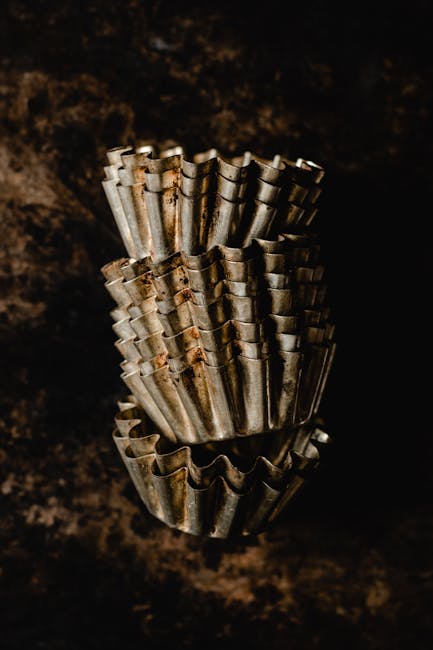
When it comes to choosing the best bakeware for your kitchen, your health and safety are likely top priorities. You want to create delicious meals and treats without worrying about any hidden dangers.
But with so many materials available, how do you know which is the safest? Aluminum bakeware is a popular choice due to its affordability and excellent heat conduction, but you might be wondering, is it non-toxic? Your kitchen is a place of creativity and comfort, and ensuring that every tool you use supports your well-being is essential.
Dive into this article to uncover the truth about aluminum bakeware and how it affects your health, so you can bake with peace of mind. Your family’s health is precious; let’s make sure you’re making the best choices for it.
Aluminum Bakeware Basics
Aluminum bakeware is a staple in many kitchens. Its lightweight nature and heat conductivity make it popular among bakers. But is it non-toxic? Understanding its basics is essential.
Composition And Characteristics
Aluminum is a natural element found in the earth’s crust. It is lightweight and conducts heat efficiently. These properties make it ideal for baking tasks. Many bakeware items are made from this metal. Anodized aluminum is even more durable. This process strengthens the surface, making it scratch-resistant.
Aluminum reacts with acidic foods. This can lead to a metallic taste. To counter this, many aluminum bakeware pieces have non-stick coatings. These coatings prevent food from sticking and reacting with the metal.
Common Uses In Baking
Bakers use aluminum bakeware for various tasks. It includes baking cakes, cookies, and bread. Its even heat distribution ensures consistent results. The lightweight nature makes it easy to handle.
Aluminum baking sheets are perfect for roasting vegetables. Muffin tins crafted from aluminum help in creating perfect muffins. Many professional bakers prefer aluminum for its reliability.
Health Concerns
Aluminum bakeware is popular for its lightweight and affordability. Yet, concerns about its safety often arise. People worry about aluminum exposure and potential health risks. Understanding these concerns can help make informed decisions.
Potential Risks Of Aluminum Exposure
Aluminum is a metal found in many everyday items. It’s present in food packaging, cookware, and even some medications. Concerns about aluminum exposure focus on its accumulation in the body. High levels can be harmful over time. Some worry it may affect brain health. Others fear it might contribute to conditions like Alzheimer’s disease.
Scientific Studies And Findings
Research on aluminum’s effects on health is ongoing. Some studies suggest a link to neurological disorders. Yet, many experts say typical exposure is low and safe. The body can process small amounts of aluminum. Studies show that cooking with aluminum bakeware doesn’t pose a major risk. Proper use and care can further minimize exposure.
Safety Measures
Understanding the safety of aluminum bakeware is essential. Aluminum bakeware is generally non-toxic when used correctly. Ensure no acidic foods are cooked in it to prevent reactions.
Safety measures are crucial when using aluminum bakeware. Understanding these can help prevent potential health risks. Aluminum is popular in kitchens due to its heat conductivity. Yet, concerns about its safety have arisen. Knowing how to use it properly and considering alternatives can ensure safe cooking experiences.Proper Usage Of Aluminum Bakeware
Using aluminum bakeware requires careful handling. Do not cook acidic foods like tomatoes or vinegar-based dishes in them. These foods can react with aluminum and cause leaching. Use parchment paper or silicone mats to create a barrier between food and aluminum. Avoid using metal utensils that can scratch the surface. Scratches may lead to food contamination. Handwashing aluminum bakeware extends its lifespan and maintains safety. Dry it thoroughly to prevent rust and other damage.Alternatives To Aluminum
There are many safe alternatives to aluminum bakeware. Consider stainless steel for its durability and non-reactive nature. It offers even cooking without health risks. Ceramic bakeware is another great option, providing non-toxic cooking. It is ideal for baking and roasting. Glass bakeware is excellent for oven use. It doesn’t react with food and allows easy monitoring of cooking progress. Each of these materials offers a safe and effective cooking experience. Choose the one that best suits your needs and preferences.
Credit: www.facebook.com
Environmental Impact
Aluminum bakeware is popular for its durability and heat conductivity. Yet, its environmental impact is a growing concern. Understanding how aluminum production, recycling, and disposal affect the environment is essential for conscious baking enthusiasts.
Sustainability Of Aluminum Production
Aluminum production requires significant energy. Mining and refining bauxite, the primary ore, are resource-intensive. The process impacts landscapes and ecosystems. Efforts to reduce energy use focus on new technologies. Smelting innovations aim to minimize emissions. Sustainable production practices are vital for reducing environmental harm.
Recycling And Disposal
Aluminum is highly recyclable. Recycling uses less energy than primary production. It reduces mining needs and conserves resources. Many bakeware pieces are made from recycled aluminum. Proper disposal is crucial. Non-recycled aluminum can end up in landfills. Recycling programs help manage waste effectively. Choose bakeware from recycled materials for eco-friendly kitchens.
Consumer Tips
Aluminum bakeware is generally considered safe for cooking. It doesn’t leach harmful chemicals into food. Using well-coated aluminum can further ensure non-toxicity in your baking.
When choosing bakeware, safety is a top concern. Consumers want to ensure their kitchen tools do not release harmful substances during cooking. With the popularity of aluminum bakeware, many wonder about its safety. Knowing what to look for can ease these concerns. Here are some tips to help you choose and care for your bakeware safely.Choosing Safe Bakeware
Select bakeware with a coating. This prevents aluminum from leaching into food. Look for products labeled as anodized. Anodized aluminum is treated to make it more durable and safer. Check for certifications or safety standards on the packaging. This ensures the product meets health guidelines. Read reviews from other users. Their experiences can provide insights into the product’s safety.Care And Maintenance
Proper care extends the life of your bakeware. Hand wash aluminum bakeware to prevent damage from harsh dishwasher detergents. Use mild soap and a soft sponge to clean. Avoid using metal utensils. They can scratch the surface, leading to potential leaching. Dry thoroughly after washing to prevent rust and damage. Store in a dry place to maintain its condition. Regular inspection for wear and tear is vital. Replace any bakeware that appears damaged or worn. This ensures continued safe use in your kitchen.
Credit: www.instagram.com
Credit: www.carawayhome.com
Frequently Asked Questions
Is Aluminum Bakeware Safe For Cooking?
Aluminum bakeware is generally safe for cooking. It conducts heat efficiently, allowing for even cooking. However, avoid using it for acidic foods, as it can lead to a metallic taste. For peace of mind, opt for anodized aluminum bakeware, which is less reactive and more durable.
Does Aluminum Leach Into Food When Baking?
Aluminum can leach into food, especially when cooking acidic items. This occurs more with uncoated bakeware. Anodized or coated aluminum bakeware minimizes the risk. Using parchment paper or silicone mats can further reduce the chance of leaching during baking.
How Can I Make Aluminum Bakeware Non-toxic?
To ensure aluminum bakeware is non-toxic, choose anodized or coated options. These are less reactive and more resistant to leaching. Avoid cooking acidic foods directly on aluminum surfaces. Use parchment paper or silicone mats as a barrier between food and bakeware.
Are Anodized Aluminum Pans Safer Than Regular Ones?
Yes, anodized aluminum pans are safer than regular ones. The anodizing process creates a non-reactive surface, reducing leaching risk. They are more durable and resistant to scratches. Anodized pans are ideal for non-toxic cooking, offering peace of mind and longevity.
Conclusion
Aluminum bakeware is generally safe for everyday use. Choosing high-quality pieces can help. Avoid scratches and dents to maintain safety. Using liners or parchment paper adds extra protection. Proper care extends the life of your bakeware. Many people enjoy aluminum for its lightweight and even heat distribution.
Always trust your instincts and preferences. Consider your specific needs when selecting bakeware. This ensures a safe and enjoyable baking experience. Remember, knowledge empowers better choices in the kitchen. Your safety and health should always come first when cooking or baking.
Happy baking!