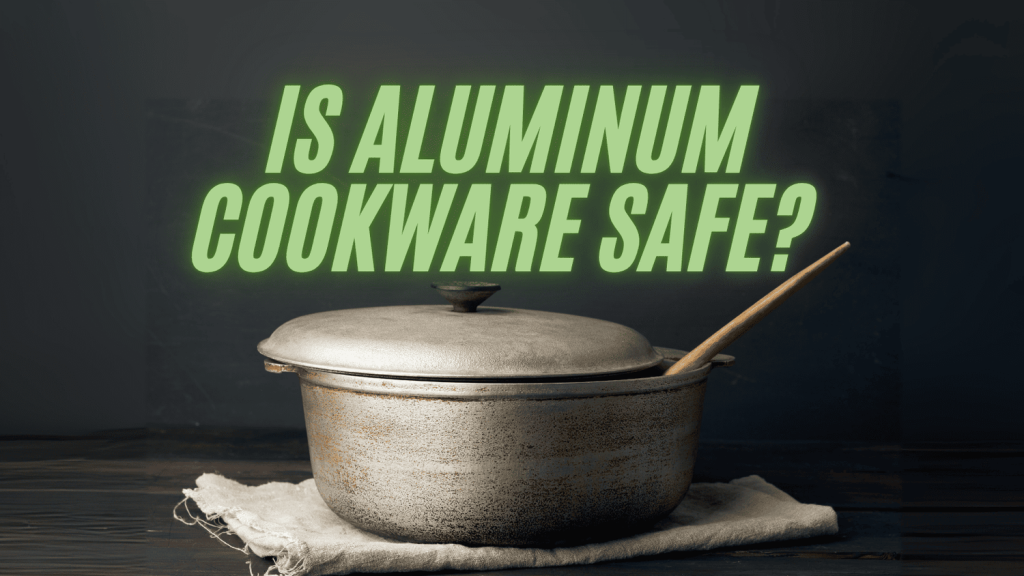
Have you ever wondered about the safety of the cookware you use every day? If aluminium pots and pans fill your kitchen cabinets, this question might have crossed your mind more than once.
You want to ensure that your cooking methods keep your family healthy, yet conflicting information can make it difficult to know what’s best. This article will reveal the truth about aluminium cookware, unraveling myths and facts, so you can confidently make decisions that benefit your loved ones.
Get ready to dive into the world of kitchen safety, where your peace of mind is the top priority.
Aluminium In Everyday Life
Aluminium cookware is popular due to its affordability and heat conduction. Concerns about safety arise with prolonged use. Proper care, like avoiding high-acid foods and using coated options, can minimize risks.
Aluminium is a part of daily life. It is found in many products. Its lightweight and durability make it popular. From foil to cans, aluminium is everywhere. People often use it in kitchens. It is in pots and pans. But is it safe for cooking?Aluminium’s Role In Modern Kitchens
Aluminium cookware is common. It is affordable and heats quickly. Many prefer it for cooking. It helps food cook evenly. Some worry about safety. Studies show minimal risk. Experts say it is generally safe.Advantages Of Aluminium Cookware
Aluminium cookware is light. This makes it easy to handle. It is also cost-effective. People save money using it. It distributes heat well. This makes cooking faster. Chefs appreciate its efficiency.Concerns About Aluminium Exposure
Some worry about aluminium in food. Cooking with acidic foods can cause leaching. This means aluminium can mix with food. High exposure may be harmful. Everyday use is unlikely to cause issues. Experts suggest using coated pans.Reducing Aluminium Risks In Cooking
Using coated pans can reduce risks. Non-stick surfaces are safer. Avoid cooking acidic foods in plain aluminium. Lemon and tomato can increase leaching. Choose anodized aluminium cookware. It is treated to prevent leaching. Always follow cooking safety tips.
Credit: www.facebook.com
How Aluminium Cookware Is Made
Understanding how aluminium cookware is made reveals its safety. Aluminium sheets are pressed into shape, then treated to prevent reactions with food. This process ensures the cookware’s safety, making it a popular choice for many kitchens.
Aluminium cookware is a staple in many kitchens due to its durability and affordability. Understanding how it’s made can help you appreciate its quality and craftsmanship. The process begins with extracting aluminium from bauxite ore. This involves crushing the ore, mixing it with caustic soda, and heating it to separate the aluminium oxide.Extraction Of Aluminium
The extraction process starts with bauxite mining. Bauxite is refined using the Bayer process to produce aluminium oxide. This involves crushing the ore and treating it with caustic soda. The mixture is then heated, dissolving the aluminium oxide. Impurities are removed, and the remaining solution is cooled to form crystals.Smelting Process
Aluminium oxide is subjected to electrolysis. This process separates aluminium from oxygen. Large electrical currents pass through the aluminium oxide, breaking it down. Pure aluminium collects at the bottom of the smelting pot. This liquid aluminium is then poured into molds.Forming And Shaping
The liquid aluminium is cast into ingots. These ingots are then rolled into sheets or pressed into various shapes. Rolling reduces thickness and enhances strength. Shaping involves cutting, bending, and forming into cookware pieces.Finishing Touches
Aluminium cookware undergoes surface treatment. This includes polishing for a smooth finish. Some pieces are anodized to increase durability. Anodizing involves an electrochemical process that thickens the natural oxide layer. This improves resistance to corrosion.Quality Testing
Cookware pieces are tested for quality. Tests include checking for uniform thickness and strength. Manufacturers ensure the cookware meets safety standards. This guarantees its reliability in everyday cooking.Potential Health Risks
Aluminium cookware is popular in many kitchens. But, some worry about health risks. Understanding these risks is important for safe cooking choices. Let’s explore how aluminium affects human health and the nervous system.
Aluminium And Human Health
Aluminium exposure can occur through cookware. When cooking, some aluminium can leach into food. This raises concerns about long-term health effects. Studies suggest high aluminium levels may impact bone health. It can also affect kidney function. But, more research is needed to confirm these effects.
Impact On The Nervous System
There are concerns about aluminium’s impact on the nervous system. Some research links high aluminium exposure to brain disorders. Alzheimer’s disease is one such disorder. The link is not yet clear. But, it’s wise to be cautious. Reducing aluminium exposure can be a smart choice for brain health.
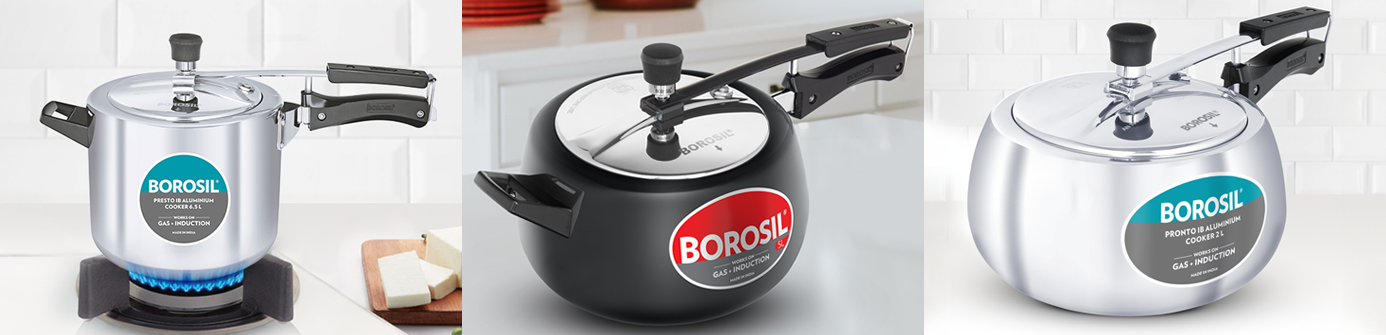
Credit: myborosil.com
Benefits Of Aluminium Cookware
Aluminium cookware is lightweight, conducts heat well, and is cost-effective. Modern options come with safe, non-stick coatings that reduce concerns about direct contact with food. It’s a practical choice for everyday cooking needs.
Aluminium cookware offers a range of benefits, making it a popular choice. It excels in heat distribution, ensuring even cooking. This material is versatile and used in various cooking methods. Its affordability and lightweight nature further enhance its appeal. Let’s explore the advantages in more detail.Lightweight And Durable
Aluminium cookware is surprisingly light. This makes handling it easy for everyone. Despite its weight, it is also durable. It withstands daily kitchen use without damage. This resilience extends its lifespan significantly. Many cooks appreciate this combination of lightness and strength. It reduces fatigue during long cooking sessions.Cost-effective Cooking Solution
Aluminium cookware is budget-friendly. It is often less expensive than other materials. This makes it accessible for many households. Its cost does not compromise quality. It offers excellent performance for its price. This makes it a smart choice for cost-conscious cooks. Buying aluminium cookware doesn’t break the bank.Safety Measures And Best Practices
Cooking with aluminium cookware can be a convenient and efficient choice, but ensuring safety involves adopting certain measures and best practices. While aluminium is generally safe, it can react with certain foods and deteriorate over time if not properly maintained. Implementing these practices can help you enjoy your cookware without compromising your health.
Avoiding High Acid Foods
Aluminium reacts with acidic foods, which can lead to undesirable changes in taste and safety concerns. It’s best to avoid cooking highly acidic dishes, such as tomato sauces or citrus-based recipes, in aluminium pots. These reactions can cause the metal to leach into the food, potentially altering its flavor and nutritional quality. Instead, opt for cookware made from stainless steel or glass when preparing these meals.
Proper Cleaning Techniques
Maintaining your aluminium cookware’s integrity requires proper cleaning techniques. Avoid abrasive materials that can scratch the surface, and instead use soft sponges or cloths. After each use, wash the cookware with mild soap and warm water to prevent residue build-up. Additionally, drying your cookware immediately after washing can prevent oxidation and preserve its appearance and functionality.
Have you ever noticed discoloration in your aluminium pot after cleaning it? This usually indicates improper cleaning methods. By adopting gentle, thorough cleaning practices, you can extend the lifespan of your cookware and ensure it remains safe for cooking.
Comparing Cookware Materials
When choosing cookware, understanding different materials can make a big difference in your cooking experience. Each material offers unique benefits and drawbacks, influencing taste, safety, and convenience. Let’s dive into how aluminium compares to other popular cookware materials.
Aluminium Vs. Stainless Steel
Aluminium cookware is lightweight and heats up quickly, which is great for fast cooking. However, it can react with acidic foods, affecting flavor and appearance. On the other hand, stainless steel is sturdy and resistant to corrosion, making it a long-lasting choice. It doesn’t react with foods, preserving the taste and quality of your dishes. But, it can be heavier and takes longer to heat. Which do you prefer for your culinary adventures?
Non-stick Options
Non-stick cookware offers a convenient cooking experience with easy cleanup. Aluminium is often used for non-stick pans due to its heat conduction properties. However, the non-stick coating can wear over time, requiring careful maintenance. Stainless steel pans, while not naturally non-stick, can be seasoned to improve their non-stick capabilities. They provide durability and can withstand higher heat, making them versatile for various cooking techniques. Have you found the perfect non-stick solution for your kitchen yet?
Expert Opinions
Experts weigh in on the safety of aluminum cookware. Some believe it’s safe for regular use, while others caution against potential health risks. Proper usage and care are essential to minimize any concerns.
When it comes to the safety of aluminium cookware, expert opinions can provide valuable insights. Many professionals in the field of nutrition, health, and culinary arts have weighed in on this topic. Their perspectives can help you make informed decisions about your kitchen choices.What Do Health Experts Say?
Many health experts agree that aluminium cookware is safe for everyday use. They point out that the amount of aluminium leached into food is minimal. Your body’s natural ability to eliminate aluminium ensures that these small amounts do not accumulate to harmful levels.Culinary Professionals Weigh In
Chefs and culinary professionals often prefer aluminium cookware for its excellent heat conductivity. This property ensures even cooking, which is crucial for achieving desired results. They also emphasize proper maintenance, such as avoiding cooking highly acidic foods, to minimize aluminium exposure.Insights From Nutritionists
Nutritionists often advise focusing on a balanced diet rather than worrying about cookware materials. The nutrients you gain from a variety of foods far outweigh the negligible aluminium intake from cookware. If you’re still concerned, they suggest using a barrier like parchment paper when cooking.Scientific Research Findings
Research studies provide reassuring data about the safety of aluminium cookware. Studies show that aluminium intake from cookware is significantly lower than the safe daily intake level set by health authorities. This evidence supports the notion that regular use of aluminium pots and pans poses little to no risk.Personal Anecdotes From Home Cooks
Many home cooks share their positive experiences with aluminium cookware. They appreciate its affordability and ease of use. These personal stories often highlight a long history of safe use, passing down aluminium pots from generation to generation. Would you consider switching to aluminium cookware based on these expert opinions, or do you have your reservations?Consumer Perspectives
Aluminium cookware has sparked a myriad of opinions among consumers. While some cherish its lightweight and heat-conducting properties, others are concerned about potential health risks. As you navigate through these perspectives, it’s essential to weigh user experiences and market trends to make informed decisions.
User Experiences
Many users appreciate aluminium cookware for its affordability and quick heat distribution. A friend once mentioned how her aluminium pan perfectly seared steak without a long wait. The ease of handling and cleaning is often highlighted in reviews. However, concerns arise when discussing the potential leaching of aluminium into food. Some users have switched to alternative materials like stainless steel or cast iron, citing health worries.
Have you noticed any changes in taste or texture with aluminium cookware? It’s intriguing to hear diverse experiences that shape consumer choices.
Market Trends
Aluminium cookware remains popular due to its cost-effectiveness and versatility. Manufacturers have innovated with anodized aluminium to address safety concerns, making products more durable and less reactive. Yet, the market has seen a rise in demand for ceramic-coated and stainless steel options, reflecting shifting consumer preferences.
Are you seeing more brands promoting safer alternatives? The evolving trends in cookware materials suggest a growing awareness and prioritization of health among consumers.
Credit: schaumburgspecialties.com
Frequently Asked Questions
Is Aluminium Cookware Safe For Health?
Aluminium cookware is generally safe for health when used properly. It’s lightweight and conducts heat well. Avoid using it with acidic foods to prevent leaching. Anodized aluminium is a safer option as it is more resistant to corrosion and leaching, making it a preferred choice for health-conscious cooks.
Does Aluminium Leach Into Food?
Aluminium can leach into food, especially when cooking acidic foods. This leaching is minimal and usually not harmful. Using anodized aluminium cookware can reduce this risk. It’s always advisable to replace old, worn-out cookware to minimize any potential health risks associated with aluminium exposure.
How To Minimize Aluminium Exposure In Cooking?
To minimize aluminium exposure, use anodized aluminium cookware or opt for alternatives like stainless steel. Avoid cooking acidic foods in aluminium pots. Ensure that the cookware is not scratched or damaged. Regularly replace old cookware to avoid excessive aluminium leaching into your food.
Is Anodized Aluminium Cookware Safer?
Anodized aluminium cookware is safer as it has a protective layer that prevents leaching. This process makes the cookware more resistant to corrosion and wear. It’s a popular choice for health-conscious individuals. Anodized aluminium provides the benefits of regular aluminium without the associated health risks.
Conclusion
Aluminium cookware can be safe if used properly. It’s lightweight and affordable. Many people use it daily without issues. Use non-stick options to minimize risk. Avoid cooking acidic foods in it. Acid can cause metal leaching. Always follow manufacturer instructions.
This keeps your cookware safe and long-lasting. Consider your health needs and preferences. Other cookware options exist. Stainless steel and cast iron are great alternatives. Choose what’s best for your kitchen. Stay informed about cookware materials. This helps you make the best choice.
Safe cooking leads to healthier meals and peace of mind.