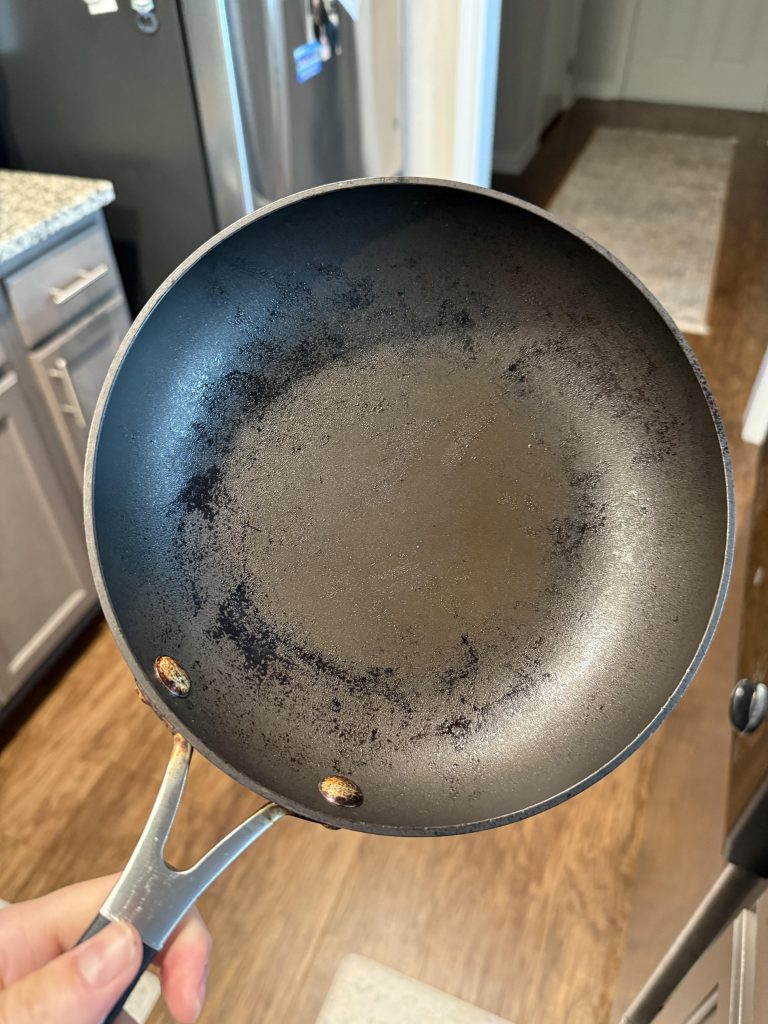
Imagine reaching for your favorite non-stick pan, only to find that food is sticking and it’s no longer performing as it once did. Frustrating, right?
You know how essential non-stick cookware is in your kitchen. It’s your go-to for easy cooking and quick clean-up. But when it starts to fail, cooking becomes a hassle instead of a joy. You might be wondering if there’s a way to breathe new life into your worn-out pans without breaking the bank on replacements.
The good news? There are simple, effective techniques to restore your non-stick cookware, helping it perform almost like new again. This guide will walk you through practical steps to revive your cookware, saving you money and frustration. You’ll learn about everyday items that can help, and discover tips to maintain that non-stick magic over time. Dive in, and let’s bring your cookware back to its best condition.

Credit: www.facebook.com
Cleaning Non-stick Cookware
Restoring non-stick cookware involves gentle cleaning and proper maintenance. Use a soft sponge with warm, soapy water. Avoid abrasive cleaners to protect the surface.
Cleaning non-stick cookware can extend its lifespan and ensure safe cooking. Regular maintenance is key, but sometimes residues stick stubbornly, making you wonder if your cookware is beyond saving. Fear not! With the right techniques and products, you can bring back the gleaming surface of your non-stick pans and pots. Here’s how to effectively clean them.Removing Stubborn Residues
Even with the most careful use, non-stick cookware can develop residues that seem impossible to remove. Start by soaking the pan in warm, soapy water for about 30 minutes. This helps loosen up the hardened food bits. If soaking doesn’t do the trick, use a soft sponge or cloth to gently scrub the surface. Avoid abrasive pads as they can damage the non-stick coating. If needed, add a sprinkle of baking soda for its mild abrasive properties. It’s amazing how a simple kitchen staple can enhance your cleaning efforts!Using Safe Cleaning Agents
Choosing the right cleaning agents is crucial to maintain the integrity of your non-stick cookware. Opt for mild dish soap and avoid harsh chemicals or bleach. These can degrade the coating over time. If you prefer eco-friendly options, consider using white vinegar. Mix equal parts of vinegar and water and let it simmer in the pan for a few minutes. It not only cleans but also deodorizes, leaving your cookware fresh and ready for the next use. Always rinse thoroughly after cleaning to ensure no residue remains. Dry with a soft towel to prevent water spots. You’ll be surprised at how these simple steps can make your non-stick cookware look as good as new. Do you have your own tried-and-true methods for keeping non-stick cookware spotless? Share them in the comments!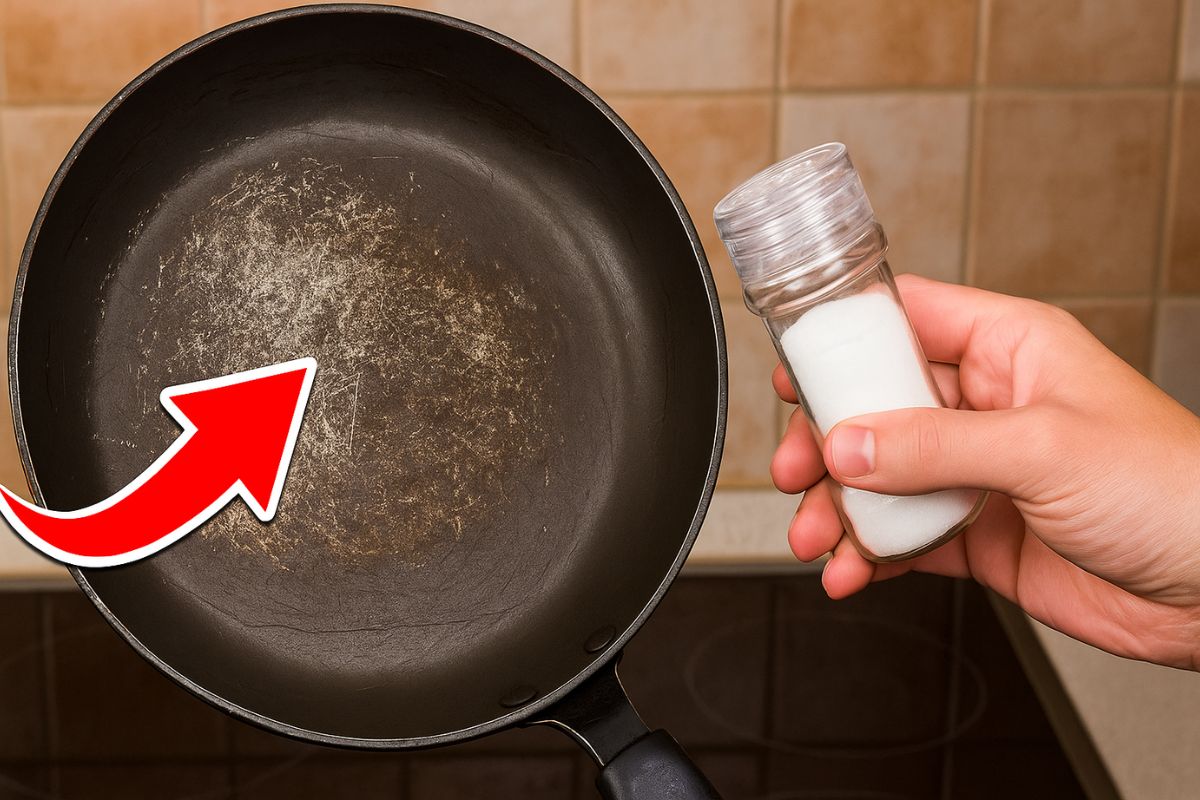
Credit: en.clickpetroleoegas.com.br
Reviving Non-stick Coating
Reviving non-stick cookware involves simple steps to restore its coating. Clean the pan thoroughly and apply a thin layer of vegetable oil. Heat it on low for a few minutes to enhance the coating’s effectiveness.
Reviving Non-Stick Coating Has your favorite non-stick pan lost its magic? You’re not alone. Many home cooks face the frustration of sticky surfaces that once effortlessly released scrambled eggs and pancakes. The good news is, with a little care, you can breathe life back into your cookware.Assessing Damage
Before jumping into solutions, check the extent of the damage. Is the coating scratched or just worn out? A few gentle scratches might be easier to fix than a surface that’s extensively damaged. Sometimes, minor wear can be revived with a good cleaning and seasoning routine. Look for discoloration, peeling, or deep scratches. These are signs that might require more intensive care or replacement.Reapplying Coating Solutions
If cleaning doesn’t cut it, consider reapplying a non-stick coating. There are DIY kits available that can restore your pan’s slippery surface. Apply the solution evenly, following the manufacturer’s instructions. It’s a simple process that can extend the life of your cookware. Have you ever tried a DIY solution, or do you prefer buying new cookware? Your experience could help others in this sticky situation. Remember, regular maintenance can keep your pan in top shape and prevent future damage.Preventing Future Damage
Regular cleaning keeps non-stick cookware in good shape. Use gentle sponges and mild dish soap to prevent scratches. Avoid high heat to maintain its slick surface for longer-lasting use.
Restoring non-stick cookware is only half the battle; preventing future damage is the real game-changer. Imagine cooking a perfect pancake without the fear of sticking or scrubbing afterward. Sounds dreamy, right? By adopting proper care techniques, you can extend the life of your non-stick pans and keep them in top-notch condition. Let’s dive into some actionable tips for maintaining your cookware.Proper Cooking Techniques
Using the right utensils is key. Opt for wooden or silicone spatulas that won’t scratch the surface. Avoid high heat settings. Non-stick coatings are sensitive to extreme temperatures, which can degrade them quickly. Consider using a small amount of oil or butter to enhance the cooking process and protect the pan.Safe Storage Practices
Stacking pans can lead to scratches and damage. Store them with a soft cloth or paper towel between each pan. Hang your cookware if possible. This method eliminates the risk of damage entirely. Think about the pan’s location. Keep them away from items that can fall or cause scratches. Are you taking these steps to ensure the longevity of your cookware? A little effort now can save you from replacing pans too often.
Credit: food52.com
Choosing The Right Tools
Selecting suitable tools can restore non-stick cookware effectively. Use soft sponges to avoid scratches and gentle cleaners for safe maintenance. Regular care ensures longevity and optimal performance of your kitchen essentials.
Choosing the Right Tools Restoring non-stick cookware requires careful tool selection. The wrong tools can damage the surface. Knowing which tools to use can prolong the life of your cookware.Avoiding Metal Utensils
Metal utensils can scratch the non-stick surface. Scratches lead to peeling and flaking. Always opt for softer materials. Wooden or silicone tools are ideal choices. They are gentle on the coating.Selecting Non-abrasive Options
Non-abrasive options protect the delicate surface. Avoid harsh scrubbing pads. Use soft sponges or cloths. They remove food residues without damage. Consider using gentle cleansers. Choose products specifically designed for non-stick surfaces.Maintaining Cookware Longevity
Restoring non-stick cookware involves gentle cleaning and seasoning. Use mild dish soap and a soft sponge to clean. Apply a light layer of oil to enhance the coating’s effectiveness.
Maintaining cookware longevity is essential for every kitchen. Non-stick cookware can last for years with proper care. This section focuses on keeping your cookware in good condition. Follow these simple tips to ensure your cookware stays functional.Regular Maintenance Tips
Regular cleaning is crucial. Use mild soap and warm water after each use. Avoid harsh scrubbing pads to prevent surface damage. A soft sponge works best. Dry the cookware thoroughly to avoid water spots. Store properly to prevent scratches. Use a cloth or paper towel between stacked pans. Cooking at low to medium heat prolongs the non-stick surface. High heat can damage the coating. Use wooden or silicone utensils to prevent scratches. Metal utensils can ruin the non-stick surface.Signs Of Wear And Replacement
Watch for signs of wear. Look for scratches, peeling, or discoloration. These indicate the non-stick surface is wearing out. Food sticking more than usual is another sign. It’s time to replace the cookware if these issues persist. A damaged non-stick surface affects cooking quality. It may also release harmful particles into food. Regular inspection helps identify these signs early. Investing in new cookware ensures safe and efficient cooking.Eco-friendly Restoration
Restore non-stick cookware by using baking soda and water to gently scrub away residue. Rinse thoroughly and dry completely to maintain the cookware’s non-stick surface. Regular care helps extend the life of your pans in an eco-friendly way.
Restoring your non-stick cookware doesn’t have to be a process that’s harmful to the environment. Embracing eco-friendly restoration methods allows you to extend the life of your cookware while being kind to the planet. Imagine the satisfaction of seeing your favorite pan gleam again, knowing you’ve done it sustainably.Natural Cleaning Alternatives
Consider turning to your pantry for natural cleaning solutions. Baking soda and vinegar can work wonders on a stubborn non-stick surface. Sprinkle baking soda on the pan, add a bit of vinegar, and let the fizzing action loosen any residue. For a gentle scrub, use a soft sponge or a cloth, avoiding abrasive materials that can damage the coating. Lemon juice is another powerful ally. Its acidity helps cut through grease without harsh chemicals. Don’t underestimate the power of simple soap and warm water. Often, a good soak can lift the toughest grime. Reflect on whether these natural methods can replace more toxic cleaners in other parts of your home too.Sustainable Cookware Choices
When your non-stick cookware is beyond repair, it’s time to consider sustainable alternatives. Cast iron or stainless steel offer durability and can last a lifetime with proper care. Brands are increasingly producing eco-friendly non-stick options. Look for those free from harmful chemicals like PFOA or PFAS. Consider second-hand options. A well-maintained piece from a thrift store can be both economical and sustainable. What choices can you make today to ensure your kitchen is as eco-friendly as possible? Choosing sustainable cookware is not just about the material but also how you maintain it. Regular care increases longevity, reducing the need for frequent replacements. How can you integrate these sustainable habits into your daily routine?Frequently Asked Questions
How Do You Clean Non-stick Cookware Safely?
To clean non-stick cookware, use warm water and mild dish soap. Avoid abrasive scrubbers that can damage the surface. A soft sponge or cloth works best. For stubborn residue, soak the pan in warm water before cleaning.
Can You Restore The Non-stick Surface?
Yes, you can restore the non-stick surface by using a mixture of baking soda and water. Apply it gently and rinse off. Regular maintenance helps in retaining the non-stick properties.
Why Does Non-stick Cookware Lose Its Coating?
Non-stick cookware can lose its coating due to high heat or abrasive cleaning. Use medium heat for cooking and avoid metal utensils. Proper usage and care extend the life of the coating.
Is Seasoning Non-stick Pans Necessary?
Seasoning non-stick pans is not usually necessary but can help maintain their surface. Apply a thin layer of oil and heat gently. This can enhance the non-stick properties over time.
Conclusion
Restoring non stick cookware is simple with the right steps. Follow these tips, and your pans will last longer. Always clean gently to avoid damage. Season your cookware regularly for a better non-stick surface. Use appropriate utensils to prevent scratches.
Proper care keeps your kitchen tools in top shape. A little effort goes a long way in maintenance. Enjoy cooking with your renewed pans. They will serve you well with proper attention. Happy cooking and delicious meals await you! Remember, care today means savings tomorrow.
Your kitchen tools will thank you.