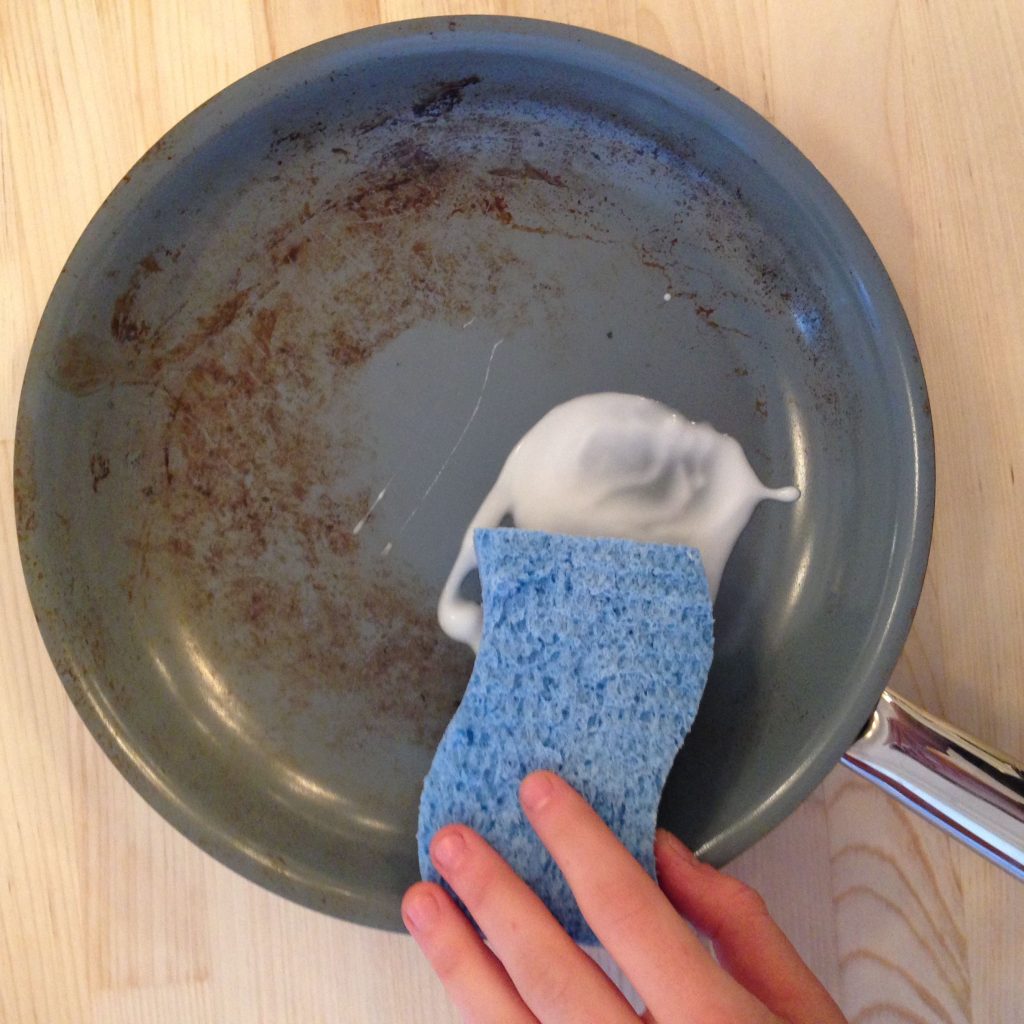
Are you tired of seeing stubborn stains ruining the pristine look of your enamel cookware? You’re not alone.
Many of us cherish our enamel pots and pans for their durability and beautiful finish, but those unsightly marks can be frustrating. Imagine serving a delicious meal in cookware that looks as good as new; it would undoubtedly add an extra charm to your culinary presentation.
In this guide, you’ll discover simple, effective methods to restore your enamel cookware to its former glory, ensuring it’s always ready for your next cooking adventure. Keep reading to unlock the secrets to stain-free enamel, and transform your kitchen experience today!

Credit: dwellingonthepast.ca
Common Stains On Enamel Cookware
Removing stains from enamel cookware can be simple with the right approach. Use baking soda and water to create a paste. Gently scrub the stained area, then rinse with warm water.
Enamel cookware is a kitchen favorite due to its durability and vibrant appearance. Yet, it’s not immune to stains that can mar its beauty. Understanding the common stains that plague enamel cookware is the first step in maintaining its pristine condition. Let’s dive into some of these common culprits and how to tackle them effectively.Food Residue
Food residue can cling stubbornly to enamel surfaces, especially after cooking sticky or starchy dishes. Have you ever noticed a thin film of leftover sauce that just won’t budge? This residue can become a breeding ground for bacteria if left untreated. To remove it, start by soaking the cookware in warm, soapy water for about 15 minutes. Use a soft sponge or cloth to gently scrub away the residue. Avoid using abrasive materials as they can scratch the enamel surface.Burn Marks
Burn marks are a common sight on enamel cookware, especially if you’ve ever left a pot on the stove for too long. These unsightly marks can seem impossible to remove at first glance. However, there’s a simple trick to tackle them. Create a paste using baking soda and water, then apply it to the burn marks. Let it sit for at least 30 minutes. Gently scrub the area with a non-abrasive sponge. Rinse thoroughly and admire the renewed shine.Water Spots
Water spots can appear on enamel cookware after washing, leaving annoying streaks. They often result from hard water drying on the surface. You might wonder if they’ll ever disappear. The key to eliminating water spots is vinegar. Wipe the cookware with a cloth soaked in white vinegar, then rinse with warm water. Dry immediately with a soft towel to prevent new spots from forming. By addressing these common stains promptly, you can extend the lifespan of your enamel cookware and keep it looking as good as new. Which stain challenges have you encountered? Share your experiences and solutions in the comments!Necessary Supplies For Cleaning
Removing stains from enamel cookware is easy with essential cleaning supplies. Use baking soda and a soft sponge to scrub gently. Warm soapy water helps loosen tough stains, restoring your cookware’s shine.
Cleaning enamel cookware can seem challenging. With the right supplies, removing stains becomes easier. Knowing what to use is crucial. Using the wrong product might damage the enamel. Below are essential supplies that help in cleaning enamel cookware.Natural Cleaners
Natural cleaners are gentle on enamel. They remove stains without harsh chemicals. Here are some common options:- Baking Soda:Mix with water to form a paste. Apply to the stain.
- Vinegar:Effective for removing stubborn stains. Use diluted vinegar for best results.
- Lemon Juice:Natural acidity helps break down stains. Rub directly onto the stain.
Commercial Products
Commercial products are designed for tough stains. They provide effective cleaning solutions. Consider these options:- Enamel Cleaner:Specifically made for enamel cookware. Follow the instructions on the label.
- Non-Abrasive Cream Cleaner:Safe for enamel surfaces. Apply with a soft cloth.
- Dish Soap:Use a strong formula. It helps lift everyday stains.
Cleaning Tools
Using the right tools prevents damage. They ensure thorough cleaning. Consider these essential tools:- Soft Cloth:Use for wiping stains. Avoid rough materials that scratch.
- Non-Scratch Sponge:Perfect for scrubbing tough spots without damage.
- Brush:Use a soft-bristled brush. It helps clean corners and edges.
Step-by-step Cleaning Process
Begin by soaking the stained enamel cookware in warm, soapy water for 30 minutes. Scrub gently with a non-abrasive sponge to remove loosened stains. For persistent marks, create a paste using baking soda and water, apply it, and let it sit for 15 minutes before rinsing thoroughly.
Cleaning enamel cookware can seem daunting, but with the right approach, it’s a breeze. By following a structured step-by-step cleaning process, you can restore your cookware to its pristine condition. Let’s dive into the details of how you can achieve this.Preparation
Before you start, gather all necessary supplies. You’ll need a mild dish soap, baking soda, a non-abrasive sponge, and white vinegar. Ensure your cookware is cool to the touch to prevent any burns or damage. Empty any leftover food and rinse the cookware with warm water to remove loose debris.Applying Cleaning Solution
Mix a paste of baking soda and water for effective stain removal. Spread this paste generously over the stained areas. Alternatively, you can fill the cookware with warm water and add a few tablespoons of white vinegar, allowing it to soak for about 15 minutes.Scrubbing Techniques
Use a non-abrasive sponge to scrub the stains gently. Circular motions often yield the best results. For stubborn stains, sprinkle some baking soda directly onto the sponge and continue scrubbing. Remember, patience is key, and using excessive force might damage the enamel.Rinsing And Drying
Once satisfied with the scrubbing, rinse the cookware thoroughly under warm water. Make sure all cleaning residues are gone. Dry the cookware completely with a soft cloth to prevent any water spots. Store it in a dry place to maintain its longevity. Have you ever found yourself frustrated with stubborn stains that simply won’t budge? With this method, you’re now equipped to tackle even the toughest stains. Embrace these techniques and enjoy the renewed sparkle of your enamel cookware.Preventive Measures
Preventive Measures Gently scrub enamel cookware with baking soda and water to avoid scratches. Dry thoroughly to prevent rust and stains. Regular cleaning helps maintain the cookware’s appearance and durability.
Preventive measures are crucial in keeping your enamel cookware pristine and free from stains. By adopting a few simple habits, you can extend the lifespan of your favorite kitchen tools and maintain their aesthetic appeal. Let’s dive into some practical strategies to prevent those pesky stains from ever appearing.Proper Cooking Practices
Cooking with enamel cookware requires a gentle touch. Always use low to medium heat to avoid scorching the surface. High heat can lead to discoloration and stubborn stains. Ensure your pots and pans are fully heated before adding oil or food. This prevents sticking and reduces the risk of burnt residues. Opt for wooden or silicone utensils to stir your food. Metal tools can scratch and damage the enamel surface over time, leading to more stain-prone areas.Regular Maintenance
Regular cleaning is key to preventing stains. After each use, wash your enamel cookware with warm soapy water. Avoid harsh scouring pads that can damage the surface. For tough spots, a paste of baking soda and water can work wonders. Gently scrub the area and rinse thoroughly to keep your enamel looking bright. Consider setting aside time for a monthly deep clean. This can involve soaking the cookware in a vinegar solution to remove any mineral deposits.Storage Tips
Proper storage can significantly reduce the risk of scratches and stains. Always ensure your cookware is completely dry before storing to prevent moisture buildup and rust. Stacking enamel cookware can lead to scratches. Use protective layers like dish towels or pot protectors between each item. Consider storing lids separately to avoid chipping or cracking the enamel surface. A dedicated space for lids can also help you organize your kitchen more efficiently. Taking these preventive steps can save you time and effort in the long run. How do you plan to incorporate these tips into your daily routine?When To Seek Professional Help
Seek professional help if DIY methods fail to remove stains from enamel cookware. Persistent stains might require expert cleaning solutions.
When dealing with stubborn stains on your enamel cookware, you might find yourself at a crossroads. You’ve tried every cleaning hack in the book, but those pesky marks just won’t budge. Sometimes, the stains are more than just a cosmetic issue. They could indicate deeper problems with your cookware. So, when is it time to seek professional help? Let’s break it down.Severe Stains
If your enamel cookware has stains that refuse to come off after multiple cleaning attempts, it may be time to call in the experts. These stains could be caused by burnt-on residue or chemical reactions from certain foods. Consider what types of stains persist despite your best efforts. Are they dark and ingrained? Does scrubbing seem to make no difference? Persistent stains might require specialized cleaning techniques that only a professional can offer.Damage Assessment
Before seeking professional help, assess if the enamel itself is damaged. Chips or cracks can cause staining to worsen over time. Look closely at the surface. Is there underlying damage that might be contributing to the stains? If you notice any damage, it’s crucial to address it before it leads to further issues. Professionals can advise whether your cookware is salvageable or if it’s time to invest in new pieces.Professional Services
Professional cleaning services can offer solutions tailored to your specific cookware needs. These experts use advanced cleaning agents and techniques that are safe for enamel surfaces. Research local services that specialize in kitchenware restoration. What do they offer that you can’t do at home? Additionally, consider the cost versus the value of your cookware. Is the sentimental or monetary value worth the investment in professional cleaning? Sometimes, letting the experts handle it is the best way to ensure your cookware is in top shape for years to come.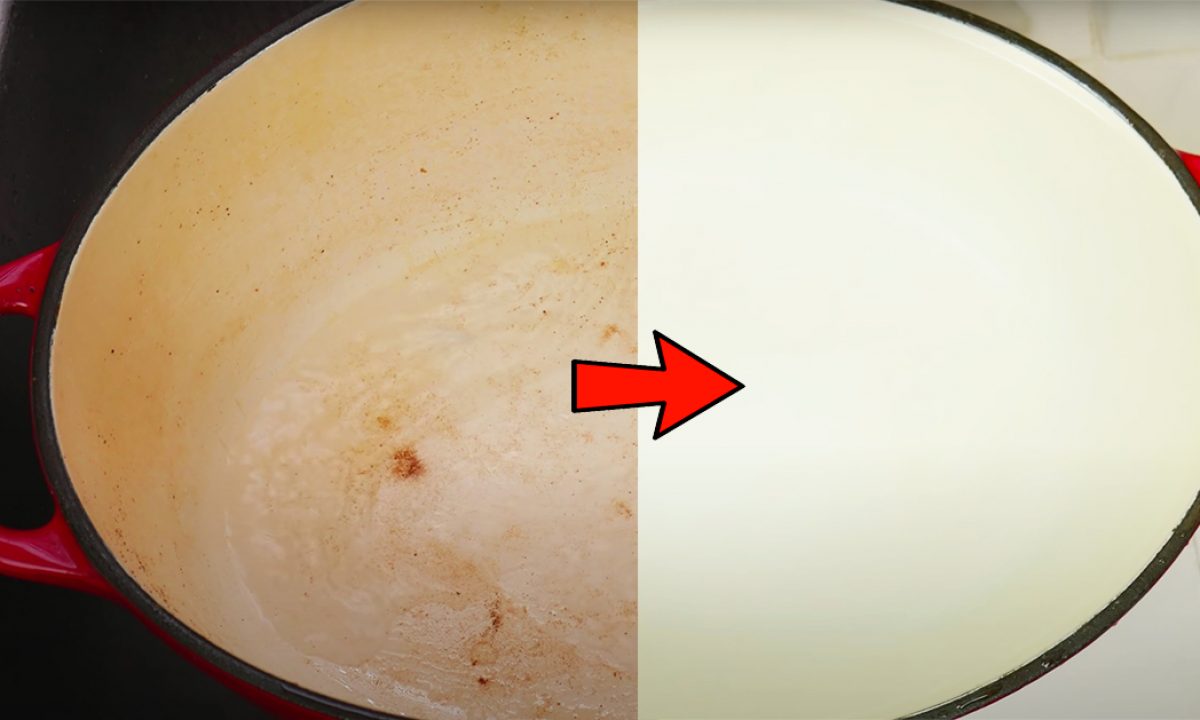
Credit: diyjoy.com

Credit: dwellingonthepast.ca
Frequently Asked Questions
What Causes Stains On Enamel Cookware?
Stains on enamel cookware often result from burnt food, mineral deposits, or acidic ingredients. Over time, these elements can penetrate the enamel surface, leading to discoloration. Using abrasive cleaners can worsen the stains. Regular cleaning and using gentle methods can help maintain the cookware’s appearance.
Can Vinegar Clean Enamel Stains Effectively?
Yes, vinegar can clean enamel stains effectively. Its acidic nature helps break down mineral deposits and food residues. To use, mix equal parts water and vinegar, then scrub the stained area gently. Avoid using pure vinegar directly, as it might damage the enamel surface.
Is Baking Soda Safe For Enamel Cookware?
Baking soda is safe for enamel cookware and acts as a mild abrasive. It helps remove stubborn stains without scratching the surface. Mix baking soda with water to form a paste, apply it to the stain, and scrub gently. This method is effective for cleaning without harming the enamel.
How Often Should I Clean Enamel Cookware?
Clean enamel cookware after each use to prevent stains and maintain its appearance. Regular cleaning stops food residues and mineral deposits from accumulating. For deep cleaning, do it monthly using gentle methods. This routine ensures the cookware stays in top condition and prolongs its lifespan.
Conclusion
Keeping enamel cookware stain-free is simple with the right approach. Use gentle cleaners to protect the surface. Regular cleaning prevents stubborn stains from forming. Always dry your cookware after washing. This helps avoid water spots. Try natural solutions like baking soda for tough stains.
Vinegar can also work wonders. Remember, patience is key with persistent marks. Avoid harsh scrubbers to keep enamel safe. These steps ensure your cookware stays beautiful. Enjoy cooking with sparkling clean pots and pans. Share these tips with friends for cleaner kitchens everywhere.