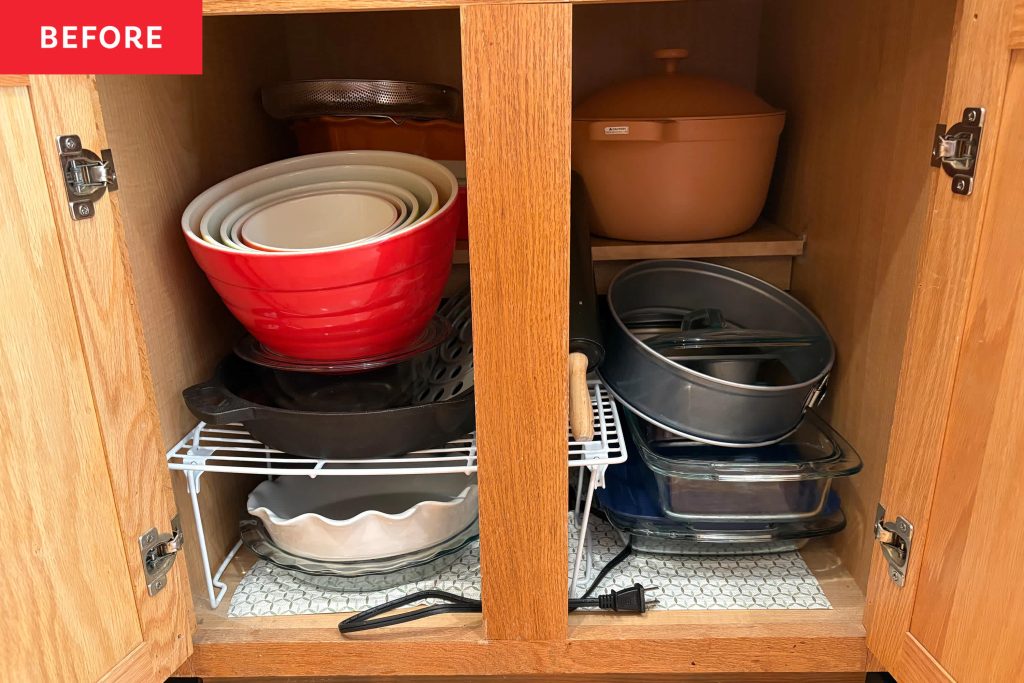
Your kitchen is the heart of your home, but keeping it organized can sometimes feel like a never-ending battle. You might find yourself rummaging through cluttered cabinets or struggling to find that elusive spice jar.
If you’re tired of the chaos and ready for a change, you’re in the right place. Imagine a kitchen where every item has its own spot, and cooking feels seamless. This article is designed to guide you through simple, effective strategies to transform your kitchen into a tidy, efficient space.
With practical tips and tricks, you’ll learn how to streamline your kitchen setup, making meal prep easier and more enjoyable. Get ready to discover the secrets of a well-organized kitchen that saves you time and stress. Dive in, and let’s turn your kitchen into a haven of order and functionality.
Kitchen Layout Optimization
Efficient kitchen layout enhances organization and functionality. Arrange appliances and utensils for easy access. Maximize space by utilizing shelves and drawers smartly.
Optimizing your kitchen layout can significantly enhance how you interact with your space. A well-organized kitchen not only looks appealing but also saves time and effort in meal preparation. By focusing on maximizing space and designing an efficient workflow, you can transform your kitchen into a hub of activity and creativity.Maximize Space Utilization
Think vertically when it comes to storage. Installing shelves or using tall cabinets can free up counter space and make room for essential appliances. Drawer organizers and shelf dividers are your best friends. They keep everything in its place, making it easier to find what you need without rummaging through clutter. Have you ever tried using the inside of cabinet doors for storage? Hooks or small baskets can hold spices, measuring spoons, or even cutting boards, making them easy to grab when needed.Efficient Workflow Design
The classic kitchen triangle—connecting the stove, sink, and refrigerator—is a time-tested method to ensure a smooth workflow. But how does your kitchen measure up? Consider the flow of tasks from food prep to cooking to cleaning. Is there a clear path, or do you find yourself zigzagging across the kitchen? Create dedicated zones for specific tasks. A prep zone near the sink and a cooking zone near the stove can make your kitchen more efficient. Just think about how much time you’ll save when everything you need is within arm’s reach. By focusing on these aspects of kitchen layout optimization, you can create a space that is not only functional but also a pleasure to use. So, what changes will you make to optimize your kitchen today?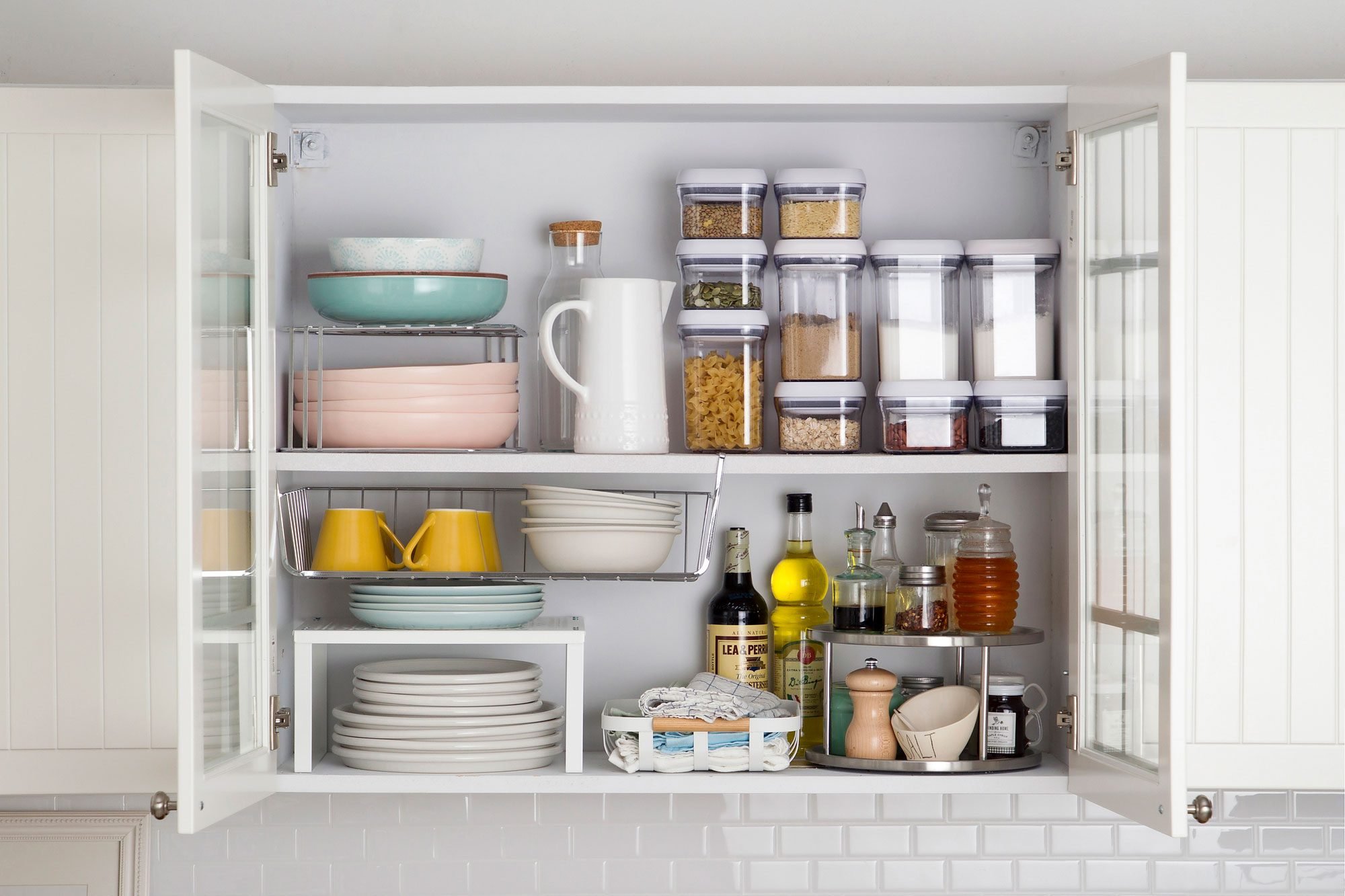
Credit: www.rd.com
Decluttering Strategies
Organizing your kitchen can feel like an overwhelming task, especially when it comes to decluttering. But with the right strategies, you can transform your kitchen into a space that is both functional and inviting. The key is to focus on decluttering, which involves removing unnecessary items and efficiently disposing of them. Let’s dive into some practical strategies to help you streamline your kitchen.
Identifying Unnecessary Items
Start by taking a hard look at what you actually use in your kitchen. Open each cabinet and drawer, and ask yourself if you have used each item in the past six months. Often, we keep gadgets and utensils we think we might need someday, but they end up collecting dust.
- Consider your cooking habits. Do you really need that bread maker if you haven’t baked bread in years?
- Evaluate duplicates. Do you have multiple peelers or spatulas? Keep the best and donate the rest.
- Look at expiry dates. Check your pantry for expired spices or canned goods. It’s time to let them go.
Effective Disposal Techniques
Once you’ve identified unnecessary items, the next step is disposal. The thought of throwing things away can be daunting, but there are effective ways to do it responsibly. Start with donating items that are in good condition. Local charities or thrift stores often welcome kitchenware donations.
- Recycle whenever possible. Many kitchen items, like glass jars or metal utensils, can be recycled.
- Have a garage sale. This can be a fun way to declutter and make a little extra cash.
- Consider upcycling. Get creative and find new uses for items that might otherwise be tossed.
Have you ever wondered how much easier cooking could be with less clutter? Imagine reaching for a pot without knocking over a stack of mismatched lids. By decluttering, you’re not just clearing space—you’re creating a kitchen that supports your culinary adventures. Are you ready to embrace a clutter-free kitchen?
Storage Solutions
Having a well-organized kitchen can make cooking more enjoyable and efficient. Storage solutions are key to maintaining order, and with a few clever strategies, you can maximize the space you have. Let’s explore some smart cabinet organization, innovative shelving ideas, and ways to utilize vertical space, helping you transform your kitchen into a place where everything has its place.
Smart Cabinet Organization
Cabinet chaos often stems from a lack of structured storage. Consider adding dividers to keep pans, lids, and cutting boards neatly stacked. This not only prevents avalanches when you open the doors but also saves you from digging around for the right size.
Lazy Susans and pull-out trays can be game-changers. They bring hidden items to the forefront, making it easier to find spices, sauces, and canned goods. Imagine reaching for a spice without knocking over a dozen others!
Labeling is another effective tool. Use labels to identify various sections like baking, breakfast, or snacks. This simple step can drastically reduce the time you spend searching for items and help everyone in your household find what they need quickly.
Innovative Shelving Ideas
Shelving can add both function and style to your kitchen. Floating shelves can create an airy feel while providing a home for everyday items like mugs and plates. You can also use them to display decorative pieces, adding a personal touch to your space.
Consider adjustable shelves inside cabinets. They allow you to modify the space according to your needs, accommodating taller appliances or stacking items more efficiently.
For an unexpected twist, install hooks under shelves. These can hold mugs or utensils, freeing up drawer space and keeping essentials within arm’s reach.
Utilizing Vertical Space
Most kitchens have untapped vertical space just waiting to be utilized. Wall-mounted racks can hold pots and pans, freeing up cupboard space. This also adds a rustic charm to your kitchen.
Think about the area above the refrigerator. Shelving or cabinets can store infrequently used items or bulk pantry goods. Make sure these are easy to access, so you can rotate items when needed.
Even the inside of cabinet doors offers vertical storage opportunities. Attach narrow racks for storing lids or small containers, turning every inch into a functional space.
How do you ensure your kitchen remains clutter-free? The secret often lies in maximizing every nook and cranny. With these storage solutions, you’re well on your way to a kitchen that works for you, not against you.
Categorization Techniques
Organizing the kitchen involves grouping items by type, frequency of use, and accessibility. Keep cooking essentials within easy reach and sort utensils into designated drawers or containers. Arrange pantry goods by category to streamline meal prep and reduce clutter.
Organizing your kitchen can seem like a daunting task, but categorization techniques can transform this chore into a satisfying project. Imagine opening your pantry to find every item neatly in its place, saving you time and stress. By using smart categorization methods, you can create a space that not only looks better but also functions efficiently. Let’s explore some effective techniques to help you achieve a well-organized kitchen.Grouping Similar Items
Start by grouping similar items together. This simple step can drastically improve your kitchen’s functionality. Consider arranging all your spices in one section, placing canned goods together, and dedicating a specific area for baking supplies. Think about how you use your kitchen daily. Do you often bake? Then, keep flour, sugar, and baking powder in one spot. This approach minimizes the time spent searching for ingredients and keeps your workflow smooth. Grouping extends beyond food items. Apply this to cookware and utensils as well. Store pots and pans near the stove. Keep knives and cutting boards close to where you do most of your prep work. Notice how your cooking routine becomes more intuitive as everything you need is within arm’s reach.Labeling For Easy Access
Labels can be your best friend in the kitchen. They provide clarity and save time by eliminating guesswork. Invest in a label maker or even simple masking tape and a marker. Labeling is especially useful in pantries. Have you ever reached for a bag of flour only to find it’s actually powdered sugar? A quick glance at a label can prevent such mix-ups. Label shelves as well, like “Snacks” or “Cereals”, to keep everything in its designated place. Consider labeling containers too. This is crucial if you use a lot of clear jars for storing grains or spices. Knowing what’s inside without having to open each one saves effort, especially during a busy cooking session. Labeling isn’t just about efficiency; it’s also about aesthetics. Uniform labels can give your kitchen a tidy, cohesive look that you’ll be proud to show off. Wouldn’t it be nice to enjoy both form and function every time you step into your kitchen?Efficient Tool Arrangement
Arrange kitchen tools efficiently for easy access and a clutter-free space. Group similar items together in labeled containers. Keep frequently used utensils within reach to save time.
Efficient Tool Arrangement Having a well-organized kitchen can transform your cooking experience from stressful to seamless. Efficient tool arrangement is essential for keeping your kitchen functional and enjoyable. Let’s explore how arranging your kitchen tools thoughtfully can make your culinary adventures smoother and more enjoyable.Prioritizing Frequently Used Tools
Think about the tools you reach for most often. These might be your favorite spatula, a reliable chef’s knife, or a trusty set of measuring cups. Placing these items within easy reach can save you time and energy. Keep your most-used tools near your primary workspace. For instance, hanging a magnetic strip for your knives above the prep area can keep them accessible and safe. What tools do you find yourself constantly searching for? Consider a countertop utensil holder for items like tongs or wooden spoons you use every day.Safe And Accessible Placement
Safety in the kitchen is paramount. Ensure sharp objects like knives are stored securely to prevent accidents. A wall-mounted magnetic strip or a dedicated drawer with a knife organizer can be perfect solutions. Heavy items should be stored at waist level to prevent strain. Think about your stand mixer or cast iron pans. Store lighter, less-used items on higher shelves. Is your kitchen gadget drawer a jumbled mess? Use drawer dividers to keep everything in its place, making it easy to find what you need without rummaging around. Efficient arrangement isn’t just about tidiness; it’s about creating an environment where your tools are ready to assist you. As you organize, ask yourself how each placement can make your cooking more intuitive.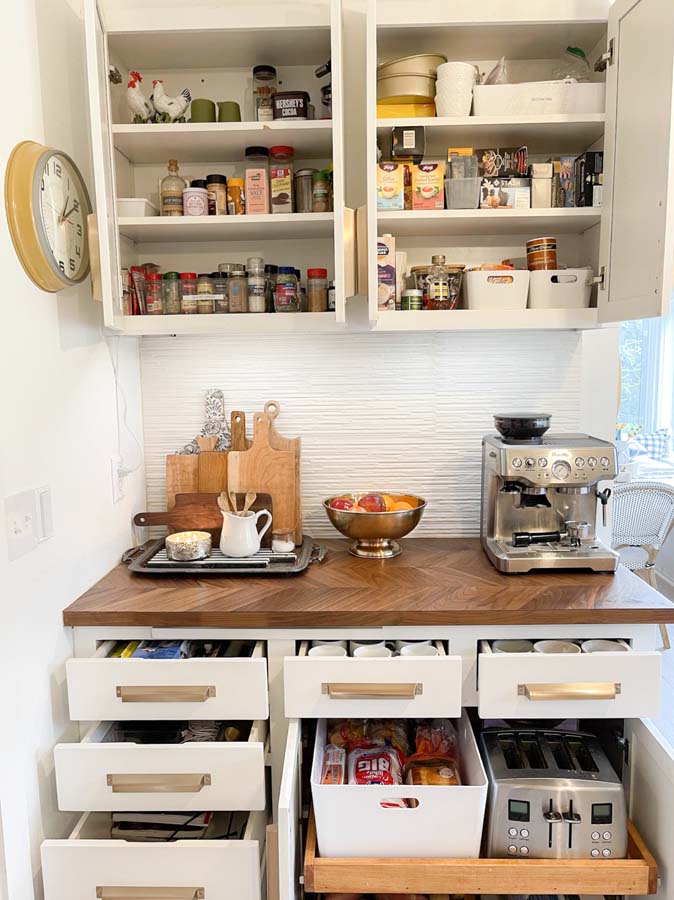
Credit: www.hallstromhome.com
Pantry Management
Pantry management is the heart of an organized kitchen. It ensures that your food items are stored effectively, reducing waste and maximizing space. Imagine opening your pantry and finding everything you need without a scavenger hunt. Let’s dive into some practical tips to achieve this.
Optimal Food Storage
Proper food storage is key to maintaining a tidy pantry. Start by categorizing items into groups such as grains, canned goods, and snacks. Use clear containers to store similar items together, making it easy to spot what you need. Consider using stackable bins or lazy susans to maximize space and keep things accessible.
Labeling is your best friend here. Labels help you quickly identify contents and can save you from accidental purchases. Have you ever bought a duplicate item because you couldn’t find the original? Labels prevent this mishap.
Rotation And Inventory Control
Efficient rotation and inventory control prevent food from going to waste. Implement a first-in, first-out system to use older items before newer ones. Place newer purchases behind older ones to ensure they are used first.
Regularly check expiration dates and jot them down on your labels. How often do you find yourself throwing out expired food? Keeping track prevents this waste and saves money.
Maintaining an inventory list can be enlightening. Consider creating a simple spreadsheet or using an app to track what you have. It also helps in meal planning and shopping.
As you manage your pantry, remember that a well-organized space not only saves time but also enhances your cooking experience. What changes will you make today to revolutionize your pantry management?
Eco-friendly Practices
Creating an eco-friendly kitchen is a rewarding experience. It helps you live sustainably and reduces your carbon footprint. Small changes can make a big difference. Let’s explore some effective ways to organize your kitchen with the planet in mind.
Reducing Waste
Start by minimizing food waste. Plan your meals for the week. This helps avoid buying unnecessary items. Use reusable shopping bags and containers. Say goodbye to single-use plastics. Compost your food scraps. It enriches the soil and reduces landfill waste.
- Plan meals weekly to minimize excess.
- Use reusable bags and containers.
- Compost food scraps.
Sustainable Organization Methods
Opt for sustainable storage solutions. Glass jars and bamboo organizers work well. They are durable and eco-friendly. Use labels to keep things tidy. This ensures you use items before they expire. Declutter regularly. Donate or recycle items you no longer need.
- Choose glass jars for storage.
- Use bamboo organizers for a green touch.
- Label containers to prevent food waste.
- Declutter and donate unused items.

Credit: www.youtube.com
Maintenance And Cleaning
Keeping your kitchen clean and organized is essential for a happy home. Regular maintenance helps prevent clutter and keeps your space functional. With proper cleaning, your kitchen remains fresh and inviting. Discover simple routines and techniques to maintain a spotless kitchen.
Regular Upkeep Routines
Establish daily habits to keep your kitchen tidy. Wash dishes after each meal to avoid pile-ups. Wipe down countertops and stovetops with a damp cloth. Store utensils and cookware in their designated places. Empty the trash regularly to prevent odors. Sweep the floor to remove crumbs and debris. These simple tasks make a big difference.
Deep Cleaning Techniques
Deep cleaning tackles those hard-to-reach areas. Begin by decluttering cabinets and pantry shelves. Discard expired food and reorganize items. Clean appliances like the oven and refrigerator inside out. Use a baking soda paste for stubborn stains. Don’t forget to scrub the sink and faucet. For the floor, mop with a suitable cleaner. A clean kitchen feels more welcoming and hygienic.
Frequently Asked Questions
What Is The Best Way To Organize Kitchen Cabinets?
Start by categorizing items like dishes, pots, and pantry goods. Use shelf risers and drawer dividers for efficient space utilization. Place frequently used items at eye level. Group similar items together to maintain order. This approach ensures a streamlined and functional kitchen setup.
How Can I Maximize Small Kitchen Space?
Utilize vertical storage with wall-mounted shelves and hooks. Opt for multi-functional furniture like island carts with storage. Store seldom-used items in high cabinets. Use cabinet doors for hanging lids or utensils. Declutter regularly to maintain an organized space.
What Tools Help With Kitchen Organization?
Consider drawer dividers, shelf risers, and lazy Susans. Use clear storage bins for visibility. Install pull-out trays for easy access to deep cabinets. Label containers to keep track of contents. These tools make kitchen organization efficient and visually appealing.
How Often Should I Reorganize My Kitchen?
Reorganize your kitchen every six months. Regular organization helps maintain efficiency and cleanliness. Assess and declutter items you no longer use. This routine ensures your kitchen remains functional and clutter-free. Adjust storage solutions as needed to accommodate new items.
Conclusion
Creating an organized kitchen can transform your daily routine. Start small. Tackle one area at a time. Use clear containers for easy visibility. Label shelves to keep track of items. Maximize space with vertical storage solutions. Regularly declutter to maintain order.
Involve family for shared responsibility. An organized kitchen saves time and reduces stress. Cooking becomes enjoyable and efficient. You’ll find everything you need at a glance. With these tips, your kitchen can become a welcoming space. Happy organizing!