Imagine stepping into your brand-new kitchen, everything sparkling and ready for your culinary adventures. Yet, amidst the excitement, there’s a challenge: organizing it in a way that feels intuitive and efficient.
You want a kitchen that not only looks great but also functions seamlessly, making meal prep a breeze. How do you achieve that without feeling overwhelmed? The key lies in smart organization techniques that can transform chaos into calm. In this guide, you’ll discover simple steps to organize your new kitchen, ensuring each item finds its perfect place and every corner becomes a joy to use.
Stick around, because mastering these strategies will turn your kitchen into a haven of creativity and ease, where you can whip up meals with joy and confidence.
Assessing Your Kitchen Needs
Organizing a new kitchen can feel overwhelming. The key is to assess your kitchen needs. This ensures a functional and efficient space. By understanding what you truly need, you can streamline your kitchen setup.
Identifying Essential Items
Start with the basics. List items you use daily. Think of pots, pans, and utensils. Check if you have duplicates. Keep only what you need. This saves space and reduces clutter.
Understanding Cooking Habits
Consider how you cook. Do you bake often? Or fry more? Your cooking habits dictate your essential tools. Focus on items that match your cooking style. This makes cooking easier and more enjoyable.
Evaluating Available Space
Examine your kitchen layout. Note the storage areas. Measure cabinets and drawers. Understand your space limitations. This helps in deciding where items should go. Use organizers to maximize space efficiency.
Decluttering Process
Organizing a new kitchen begins with a thorough decluttering process. This step sets the foundation for a functional and tidy space. Removing unnecessary items creates room for essentials. It also helps maintain a clean and efficient kitchen environment.
Sorting Through Appliances
Identify all kitchen appliances first. Group similar items together. Check which ones you use regularly. Separate those from the rarely used gadgets. This makes it easier to decide which appliances should stay or go.
Deciding What To Keep
Consider the frequency of use for each item. Keep appliances that serve multiple purposes. Those used daily or weekly are usually worth keeping. Items that are broken or duplicates can be set aside.
Donating Or Selling Unused Items
Set aside appliances you seldom use. Decide if they can be donated or sold. Many organizations accept gently used items. Alternatively, selling online can also be a great option. This frees up space and benefits others.
Strategic Layout Planning
Strategic layout planning is the cornerstone of organizing a new kitchen. It’s about more than just placing appliances and cabinets; it’s about creating a space that enhances your culinary experience. With thoughtful planning, you can transform your kitchen into an efficient and enjoyable workspace.
Zoning For Efficiency
Consider dividing your kitchen into specific zones. Each area should serve a distinct purpose: cooking, cleaning, and storage. Organize your zones based on how you use your kitchen daily. Place frequently used items within easy reach to minimize unnecessary movement. Think of your kitchen as a well-organized orchestra, where each instrument has its place and purpose.
Maximizing Counter Space
Counter space is invaluable in any kitchen. Keep it clear of clutter to maximize its utility. Use wall-mounted racks or shelves to store items you don’t need on the counter. Invest in multi-functional appliances that save space, like a microwave-convection oven combo. How much more efficient would your cooking be if your counters were always clear and ready for action?
Creating A Workflow Triangle
The workflow triangle connects the stove, sink, and refrigerator, forming an efficient pathway for meal preparation. This layout minimizes steps and enhances functionality. Position these three elements so you can easily move between them without obstacles. Imagine the time saved when your kitchen flows seamlessly from one task to another.
Storage Solutions
Maximize kitchen space by using vertical storage and multi-purpose shelves. Store utensils in clear containers for easy access. Organize pantry items by category, ensuring frequently used goods are within reach.
Organizing your new kitchen can be both exciting and daunting. The key to creating a functional and welcoming space lies in clever storage solutions. By optimizing your kitchen’s storage, you ensure that everything has its place, making it easier to keep your kitchen clean and efficient. Let’s dive into some practical ideas to help you master the art of kitchen organization.Choosing The Right Cabinets
Selecting the right cabinets is crucial for maximizing storage. Consider cabinets with adjustable shelves that allow you to customize space according to your needs. Opt for deeper cabinets to store larger items like pots and pans. Glass-front cabinets can serve dual purposes: showcasing your beautiful dishware while also reminding you of what’s inside, which can help prevent clutter. Think about a mix of open shelving and closed cabinets to balance aesthetics and functionality. Closed cabinets hide clutter, while open shelves provide easy access to frequently used items.Utilizing Vertical Space
Don’t overlook the vertical space in your kitchen. Installing tall cabinets or shelves can help you make the most of every inch. Pegboards on walls can be both a practical and decorative solution for hanging utensils, pots, and pans. It keeps them within arm’s reach and frees up drawer space. Consider using stackable storage containers or tiered racks inside cabinets to maximize vertical storage. This ensures you utilize every bit of available space, especially in smaller kitchens.Incorporating Drawer Organizers
Drawer organizers can transform chaotic drawers into neatly arranged spaces. Use adjustable dividers to customize drawer space for various items, from cutlery to kitchen gadgets. Consider investing in spice drawer inserts to keep your spices organized and easily accessible. This prevents overcrowding and ensures you can quickly find what you need while cooking. Think about using shallow baskets or bins inside larger drawers to group similar items together. This helps maintain order and makes it easier to find items without rummaging through everything. How do you currently organize your kitchen space? Could these solutions help you improve efficiency and aesthetics?Organizing Pantry And Food Storage
Organizing a new kitchen involves smart pantry and food storage. Arrange items by category for easy access. Use clear containers to see contents quickly. This saves time and reduces waste.
Organizing your pantry and food storage is more than just making things look neat—it’s about creating a functional space that saves you time and money. Imagine reaching into your pantry and effortlessly grabbing exactly what you need without rummaging through expired goods or forgotten items. This can be your reality with a few simple strategies that turn chaos into order.Labeling And Categorizing
Labeling is the backbone of any organized pantry. It helps you quickly identify what’s inside each container, saving you time during meal prep. Use a label maker or simple sticky labels to mark containers, shelves, and bins. Categorizing goes hand in hand with labeling. Group similar items together: breakfast cereals on one shelf, baking essentials on another. This system not only makes it easier to find what you need but also helps in planning your grocery shopping efficiently.Using Clear Containers
Clear containers are game-changers in pantry organization. They allow you to see exactly what’s inside, eliminating the guesswork. Opt for stackable options to maximize vertical space. Invest in a variety of sizes to accommodate different types of food, from grains to snacks. This visibility also helps you keep track of inventory, ensuring you don’t overbuy or run out of essentials.Implementing A First-in, First-out System
A First-In, First-Out (FIFO) system is crucial for minimizing food waste. It ensures that older items are used before newer ones, keeping your pantry fresh and up-to-date. When you add new groceries, place them behind the older items. This simple habit can prevent the dreaded discovery of expired goods lurking in the back of your shelves. Do you ever find yourself buying items you already have at home? With these strategies, not only will your pantry look organized, but you’ll also save money and reduce waste. Isn’t it time to make your kitchen work for you?
Credit: www.youtube.com
Efficient Use Of Kitchen Gadgets
Efficiently organize your new kitchen by grouping gadgets based on function. Store frequently used items within easy reach to save time. Keep countertops clear by utilizing drawers and shelves for less-used gadgets.
Efficient use of kitchen gadgets can transform your culinary space into a streamlined haven of creativity and functionality. By making smart choices about the gadgets you choose and how you store them, you can save time and space. Let’s explore some practical ways to maximize your kitchen’s potential and make your cooking experience more enjoyable.Selecting Multifunctional Tools
Choosing gadgets that serve multiple purposes can drastically reduce clutter. Think about that trusty blender that doubles as a food processor or a pressure cooker that can also slow cook. By investing in tools that can perform multiple tasks, you not only save counter space but also make meal prep more efficient. Consider your cooking habits and select gadgets that align with them. If you frequently bake, a stand mixer with various attachments can replace several other appliances. Does your kitchen gadget only have one function? It might be time to consider an upgrade.Storing Small Appliances
Efficient storage is key to maintaining a tidy and functional kitchen. Use vertical space by installing shelves or using stackable storage bins. Keep the gadgets you use most often within easy reach, while those used less frequently can be stored higher up or further back. Think about how often you use each appliance. If it’s something you reach for daily, ensure it’s accessible without having to move other items. This simple strategy can make your cooking process smoother and more enjoyable.Maintaining Accessibility
Accessibility is crucial in a busy kitchen. If you’ve ever tried to wrestle a heavy mixer out from the back of a cabinet, you know the frustration. Consider using pull-out shelves or a dedicated appliance garage for easier access. Labeling is another underrated but effective strategy. Clear labels on bins or shelves can save you from rummaging through cabinets. Is your kitchen designed for convenience, or are you constantly shifting things to find what you need? Making small changes can have a big impact on your cooking flow. By thoughtfully organizing your kitchen gadgets, you can create a space that works for you, not against you. This not only enhances your cooking experience but also makes your kitchen a more inviting place to be.Maintaining An Organized Kitchen
Creating an organized kitchen involves thoughtful placement of items. Group similar utensils and store them near their point of use. Use clear containers to keep track of pantry staples and label shelves for easy access.
Maintaining an Organized Kitchen A well-organized kitchen is not just aesthetically pleasing; it is the heart of efficient meal preparation. When your kitchen is clutter-free and everything has its place, cooking becomes a joy rather than a chore. But how do you keep it that way in the hustle and bustle of daily life? Here’s how you can ensure your kitchen remains organized:Establishing Daily Routines
Creating daily habits can drastically improve kitchen organization. Start by setting aside a few minutes each day to tidy up—wipe down surfaces, put away dishes, and declutter countertops. Consider making it a family activity where everyone has a role; this not only shares the workload but also reinforces routines. Having these small daily tasks can prevent a pile-up, making your kitchen manageable and ready for meal prep at any time.Regularly Reviewing Storage Needs
Your kitchen’s storage needs can change over time. What works for you today might not suffice tomorrow, especially as you acquire new gadgets or ingredients. Take time every few months to evaluate your storage solutions. Are your shelves overcrowded? Are there items you haven’t used in ages? Make adjustments—perhaps invest in additional shelving or donate unused items to free up space. This proactive approach keeps your kitchen functional and tailored to your current lifestyle.Keeping The Space Clutter-free
Clutter can sneak into your kitchen almost unnoticed. It’s easy to accumulate extra utensils, expired spices, or mismatched containers. Regularly audit your kitchen to keep clutter at bay. One effective strategy is the ‘one-in, one-out’ rule: for every new item you bring in, remove one. This method keeps your kitchen streamlined and ensures that every item serves a purpose. Consider how a clutter-free space impacts your mood and efficiency; does it make cooking more enjoyable? By staying vigilant, you can maintain a kitchen that is both organized and welcoming.
Credit: www.tiktok.com
Incorporating Aesthetic Elements
Enhance your kitchen’s organization by integrating aesthetic elements. Choose stylish storage jars and colorful dish racks. Display vibrant utensils and decorative cutting boards for a touch of charm.
Incorporating aesthetic elements into your new kitchen can transform it from a mere functional space into a welcoming and stylish haven. This is where you can truly express your personality and make the kitchen feel like home. It’s about finding the perfect balance between functionality and beauty, so you enjoy spending time there, whether you’re whipping up a quick meal or hosting friends.Choosing A Color Scheme
Choosing the right color scheme is your first step towards creating a visually appealing kitchen. Think about colors that make you feel happy and relaxed. Perhaps you love the calming effect of blues and greens, or maybe the warmth of reds and yellows speaks to you. Consider the existing elements in your kitchen, such as cabinets and countertops, and choose a palette that complements them. Remember, lighter colors can make a small kitchen feel larger, while darker shades add coziness. Don’t be afraid to experiment with bold accents, like a bright backsplash or colorful appliances, to add a pop of personality.Adding Decorative Touches
Decorative touches bring life to your kitchen, making it unique and inviting. Consider adding artwork or photos that inspire you. A beautiful piece of art can be a great conversation starter and adds character to the room. Think about your favorite pieces from your travels or local markets. Displaying these items can remind you of wonderful memories and personalize the space. Plants are another fantastic way to add a decorative touch. They bring a sense of freshness and can even improve air quality. Choose easy-to-care-for plants like succulents or herbs that you can use in your cooking.Balancing Function And Style
Balancing function and style is key to a kitchen that works for you. Ask yourself, does everything you need have a designated place? A well-organized kitchen allows you to cook efficiently while enjoying the surroundings. Consider open shelving for items you use frequently. It not only makes them accessible but also adds an element of style by displaying your beautiful dishware. Ensure there’s enough counter space for meal prep without sacrificing aesthetics. Use stylish storage solutions like wicker baskets or elegant jars to keep the clutter at bay while adding to the kitchen’s charm. In what ways can you blend practicality with beauty in your own space? The answer might just be the key to your dream kitchen.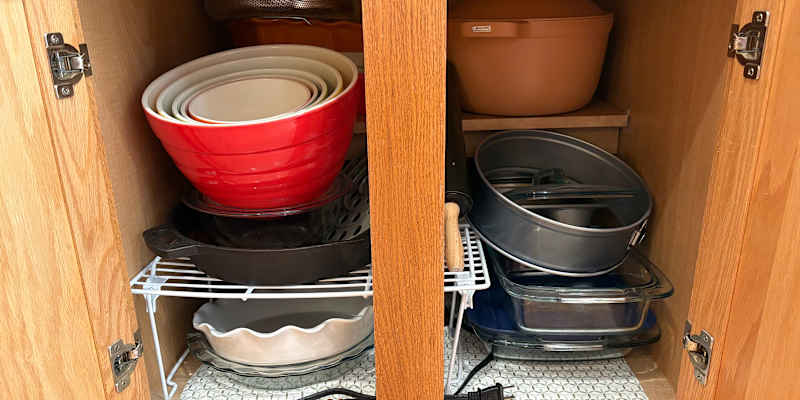
Credit: www.apartmenttherapy.com
Frequently Asked Questions
How To Start Organizing A New Kitchen?
Begin by assessing your kitchen space and storage needs. Categorize items based on usage frequency. Create zones for cooking, baking, and prep work. Utilize drawer dividers, shelf risers, and baskets to optimize storage. Label containers for easy identification. Maintain organization by regularly decluttering and adjusting storage solutions as necessary.
What Are Essential Kitchen Organization Tools?
Essential tools include drawer dividers, shelf risers, and spice racks. Use baskets for grouping similar items. Utilize tension rods for vertical storage solutions. Label containers for easy identification. Magnetic strips can hold knives and utensils. Regularly declutter to maintain order and adjust storage solutions as needed.
How To Maximize Small Kitchen Space?
Maximize space by using vertical storage, such as wall-mounted racks. Opt for multi-purpose items like stackable containers and nesting bowls. Use corner shelves and hooks for extra storage. Declutter regularly to maintain organization. Utilize drawer dividers and shelf risers for efficient use of space.
What Should I Store In Kitchen Drawers?
Store frequently used utensils, cutlery, and gadgets in drawers. Use dividers to separate items for easy access. Keep measuring cups, spoons, and kitchen towels handy. Organize bakeware, pots, and pans in lower cabinets. Regularly declutter and adjust drawer contents based on usage patterns.
Conclusion
Organizing your kitchen can make cooking more enjoyable. Start by decluttering. Keep only what you use often. Arrange items by category. Pots with pots, spices with spices. Use labels to find things quickly. Install shelves to save space. Baskets and bins help keep things tidy.
A well-organized kitchen saves time. It also reduces stress. You’ll know where everything is. Cooking becomes easier and more fun. Try these tips and see the difference. A little effort brings a lot of order. Enjoy your neat and functional kitchen every day!