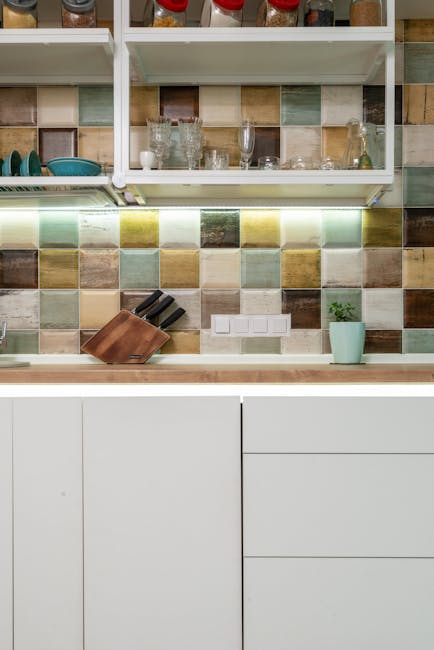
Are you standing in your new kitchen, staring at those empty cabinets and wondering where to start? Organizing new kitchen cabinets can feel overwhelming, but with a little guidance, you can transform this task into a fun and rewarding experience.
Imagine opening your cabinets and instantly finding what you need. Picture the ease of cooking when everything has its place. This article will guide you step-by-step through the process, ensuring you make the most of your space. Get ready to discover smart strategies that will save you time, reduce stress, and perhaps even spark a bit of joy as you turn your kitchen into a well-organized haven.
Let’s dive in and start creating a kitchen that works perfectly for you!
Assess Your Space
Assess Your Space Evaluate the size and layout of your kitchen. Determine where each item will be most useful. Assign storage areas based on frequency of use.
Assessing your space is the first step to organizing your kitchen cabinets. Understanding your available space helps in planning effectively. It ensures you maximize every corner and shelf. Start by examining your kitchen layout. Look at the dimensions and existing storage areas. This foundational step guides you in making smart choices.Measure Cabinet Dimensions
Knowing the exact size of your cabinets is crucial. Grab a measuring tape and note the height, width, and depth. Write down these measurements for reference. This data helps in selecting fitting organizers and containers. Consider the space between shelves too. It determines what items fit comfortably. Accurate measurements prevent wasted space and clutter.Identify Storage Needs
Think about what you store in your kitchen. List out items like pots, pans, dishes, and utensils. Consider their frequency of use. Prioritize items you reach for daily. Group similar items together for easy access. Identify specific needs for unique items. Perhaps you need more space for bulky appliances. Understanding these needs aids in tailoring your storage solutions.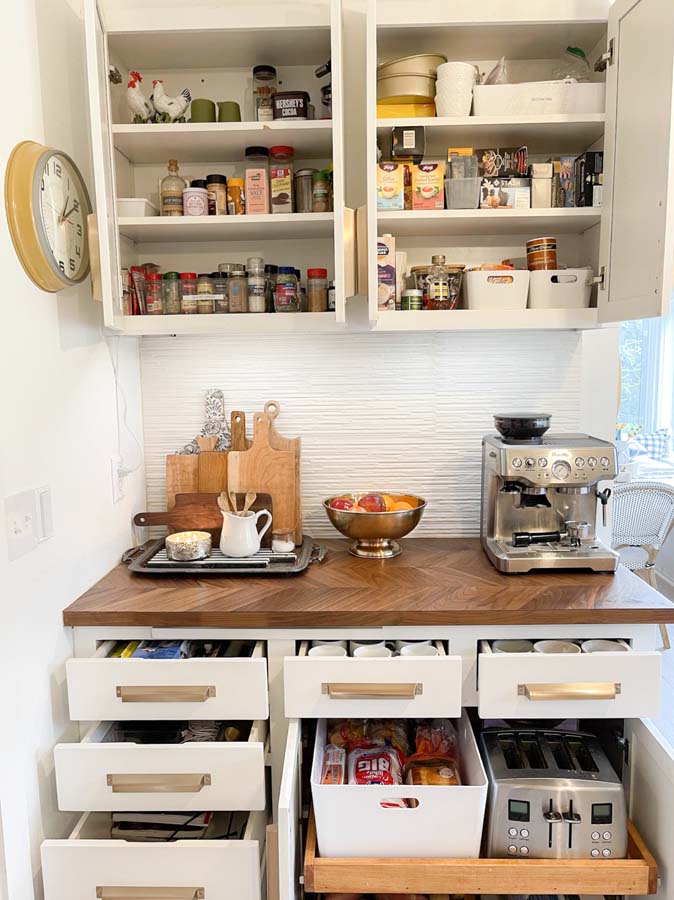
Credit: www.hallstromhome.com
Plan Your Layout
Planning your kitchen cabinet layout is a crucial step. It determines the flow and efficiency of your cooking space. A well-thought-out layout makes daily tasks easier. It also enhances the overall aesthetic of your kitchen. Let’s dive into how to plan your layout effectively.
Choose Cabinet Locations
Start with identifying key areas in your kitchen. Think about where you usually work. Place frequently used items near your prep area. This reduces the need to walk back and forth. Consider placing cookware near the stove. Store dinnerware close to the dining area. This logical positioning saves time and effort.
Optimize Workflow
Consider the workflow of your kitchen. The triangle formed by the sink, stove, and refrigerator is important. Place cabinets in a way that supports this triangle. This ensures a smooth flow during cooking. Arrange cabinets to avoid obstructing pathways. Easy access to all areas boosts efficiency.
Sort Kitchen Items
Sort kitchen items by grouping similar ones together in new cabinets. Use shelves for plates and bowls. Arrange utensils and tools in drawers for easy access.
Sorting kitchen items is the first step to achieving a well-organized kitchen. A clutter-free kitchen enhances your cooking experience. By sorting items, you find what you need without stress. This process involves a few key steps.Categorize Essentials
Start by grouping similar items together. Place cooking utensils in one category. Keep pots and pans together. Store spices and condiments in a separate section. This method simplifies finding what you need. It also helps in identifying excess items. Use clear containers for smaller items. Labels make identification easier.Purge Unnecessary Items
Evaluate each item’s usefulness in your kitchen. Ask yourself if you use it frequently. If not, consider donating or discarding it. Remove duplicate items. You don’t need three can openers. Keep only what serves a purpose. This clears space for essentials. Less clutter means more efficiency. An organized kitchen is a happy kitchen.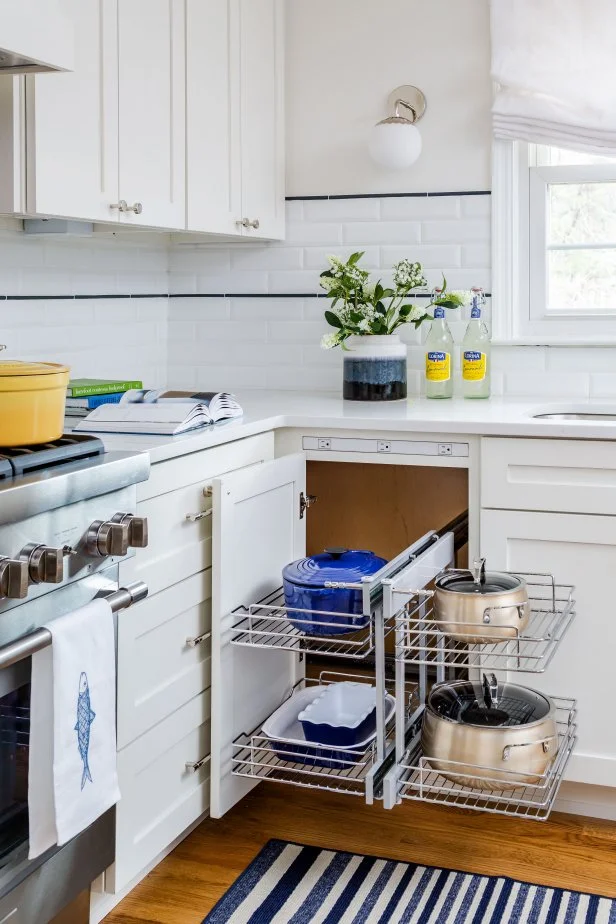
Credit: www.hgtv.com
Utilize Storage Solutions
Maximize kitchen cabinet space by using storage solutions like adjustable shelves, pull-out drawers, and dividers. These options create easy access and keep items organized. Implementing these can transform cluttered spaces into neat, functional areas.
Utilizing storage solutions can transform your kitchen organization. Efficient storage keeps your kitchen tidy and accessible. It ensures every item has its place, making cooking a breeze. From shelf risers to lazy Susans, there are many ways to optimize your space. Each offers unique benefits for different needs. Explore these options for a well-organized kitchen.Incorporate Shelf Risers
Shelf risers add extra layers to your cabinets. They help you use vertical space effectively. With risers, stacking dishes becomes simpler. You can also separate items easily. This prevents clutter and keeps everything visible. Choose risers that fit your cabinet’s dimensions.Use Drawer Organizers
Drawer organizers keep utensils and tools in order. They divide space into smaller sections. You can sort spoons, forks, and knives neatly. This saves time when cooking or setting the table. Drawer organizers come in various sizes. Pick ones that match your drawer dimensions.Add Lazy Susans
Lazy Susans make accessing items easier. They rotate, so you can reach things without hassle. They’re perfect for spices and condiments. Place them in corner cabinets to maximize space. Choose a size that fits your cabinet interior. With a Lazy Susan, everything stays within reach.Arrange For Accessibility
Organizing your kitchen cabinets can transform your cooking experience, making meal prep smoother and more enjoyable. The key is to arrange your items for accessibility, ensuring you can easily reach what you need when you need it. Imagine cooking in a kitchen where everything is effortlessly within reach. It’s not just about aesthetics; it’s about functionality. Let’s dive into how you can arrange your kitchen cabinets for maximum accessibility.
Place Frequently Used Items
Think about the items you use daily. Pots, pans, spices, and cooking oils often top the list. These should be in the most accessible spots. Consider placing them at eye level or in cabinets directly above or beside your work area. This minimizes the need to bend down or stretch up repeatedly.
Utilize drawer organizers or lazy Susans to keep these items tidy and easy to grab. It’s not just about convenience; it’s about saving time. When you’re in the middle of preparing dinner, every second counts.
A personal tip: keep your favorite mug or go-to skillet right at the front. It’s a small detail that can make your kitchen feel more personalized and efficient. What’s the first item you reach for when cooking?
Store Rarely Used Items
Not everything needs to be within arm’s reach. Seasonal items or special occasion cookware can be stored higher up or deeper inside cabinets. Think about that holiday roasting pan or the fondue set you only use once a year. These can safely be tucked away until needed.
Consider investing in clear bins or labeled boxes to keep these seldom-used items organized and easily identifiable. This way, you won’t have to sift through a cluttered cabinet when the holiday season arrives.
Reflect on your own kitchen: are there items taking up prime real estate that you barely use? Relocating them could open up valuable space for the essentials you reach for daily.
Label For Efficiency
Labeling your kitchen cabinets can transform your cooking routine from chaotic to efficient. It’s not just about neatness; it’s about saving time and reducing stress. Imagine reaching for a spice and finding it instantly, instead of rummaging through clutter. Labels make this possible, and they are a game-changer in organizing your kitchen space.
Use Clear Labels
Clear labels make items easy to identify, especially when you’re in a hurry. Opt for simple, legible fonts that are easy to read from a distance. Consider using a label maker for consistency and durability, ensuring that labels remain intact over time.
Think about labeling the shelves as well as the items. This way, you know exactly where each item belongs, making it easier to maintain order. Have you ever spent too long searching for a particular ingredient? With clear labels, those days are over.
Consider Color Coding
Color coding can add an extra layer of efficiency to your kitchen organization. Assign different colors to categories such as spices, baking supplies, and canned goods. This method helps you quickly identify and access items, reducing the time spent searching through cabinets.
Colors can also add a touch of personality to your kitchen space. Choose colors that complement your kitchen design, making the area visually appealing. Why not make organization fun and vibrant? Color coding offers practicality and a splash of creativity.
Maintain Organization
Organize new kitchen cabinets by categorizing items logically. Place frequently used items within easy reach. Store heavier pots and pans lower for safety and ease. Use labeled containers for spices and small items. Keep similar items together, like baking supplies or snacks, for efficient cooking and meal prep.
Maintaining organization in your kitchen cabinets is a task that requires regular attention and a little flexibility. Imagine opening a cabinet and instantly finding exactly what you need—no rummaging, no frustration. This kind of organization is not just about initial set-up; it’s about keeping up with changes and ensuring everything stays in its rightful place. The real secret to maintaining this order lies in a combination of regular review and adjustment.Regularly Review Contents
Make it a habit to periodically check what’s inside your kitchen cabinets. You might find items that have expired or gadgets you rarely use. Clearing these out creates space and keeps your storage efficient. Consider scheduling a review at least once a month. This keeps your cabinets clutter-free and provides an opportunity to reassess what you actually need. Have you ever found a spice jar at the back of the shelf that you haven’t used in years? Regular reviews prevent such surprises and ensure everything is fresh and accessible.Adjust As Needed
Flexibility is key in maintaining a well-organized kitchen. Life changes, and so do your culinary needs. Adjust the placement of items as your cooking habits evolve. Are you using the blender more often than before? Move it to a more convenient spot. This simple adjustment can save you time and effort in your daily routine. Think about adding or removing organizers based on your current needs. A small investment in adjustable shelving can transform your cabinet space entirely. Remember, organization should work for you, not the other way around.
Credit: www.youtube.com
Frequently Asked Questions
How Do I Categorize Kitchen Items Efficiently?
Start by grouping similar items together. Place frequently used items within easy reach. Use clear containers for visibility and label them. Consider the workflow of your kitchen, keeping cooking essentials near the stove and cleaning supplies under the sink for efficiency.
What’s The Best Way To Maximize Cabinet Space?
Use stackable shelves and organizers to create additional layers. Install pull-out shelves for easy access. Utilize the inside of cabinet doors with hooks or racks. Adjust shelves to fit taller items and consider using vertical dividers for pans and lids.
How Can I Keep My Cabinets Clutter-free?
Regularly declutter and only keep what you use. Implement a ‘one in, one out’ rule. Use organizers to separate items and prevent mess. Designate specific areas for different categories and return items to their designated spots after use.
How To Organize Pots And Pans In Cabinets?
Use vertical dividers to separate pans and lids. Install pull-out shelves for easy access. Hang pots on hooks if space allows. Store pans by nesting them from largest to smallest. Keep frequently used items at the front for convenience.
Conclusion
Organizing kitchen cabinets can simplify your cooking routine. A neat space saves time. Group similar items together for easy access. Use labels to quickly find what you need. Adjust shelves to fit different-sized items. Consider adding organizers for utensils and pans.
Keep frequently used items within reach. Rotate pantry goods to use older items first. Clear countertops by storing appliances in cabinets. Regularly declutter to avoid overcrowding. A well-organized kitchen improves efficiency and reduces stress. Enjoy cooking in your tidy, functional space.
Your kitchen, your rules.