Imagine walking into your kitchen, ready to whip up a delicious meal, only to be greeted by the chaos lurking around your kitchen sink. Dishes piled high, cleaning supplies scattered, and that nagging feeling that something just isn’t right.
You know the kitchen is the heart of your home, but how can it truly shine when the sink is in disarray? If you’re nodding along, thinking this sounds all too familiar, you’re in the right place. Organizing your kitchen sink doesn’t just make your space look better; it transforms your daily routine into a more enjoyable and efficient experience.
Get ready to discover simple, practical steps that will turn your cluttered sink into a clean, functional oasis. You deserve a kitchen that inspires you, and it all starts with a well-organized sink. Read on to find out how you can make this transformation happen today!
Credit: www.consumerreports.org
Declutter The Area
Clear the clutter around your kitchen sink for a tidy look. Use baskets or trays to organize sponges, soaps, and brushes. Keep the area clean and dry to maintain a fresh atmosphere.
Decluttering the kitchen sink area can transform your space. It reduces stress and increases efficiency. A clean sink area makes kitchen tasks easier. Begin by removing items that clutter the space.Remove Unnecessary Items
Identify items crowding your kitchen sink. Do you really need them there? Look for old sponges, empty bottles, and unused utensils. These items take up space but provide little value. Remove things not used daily. This frees up space for essentials.Evaluate Essential Tools
Once unnecessary items are gone, assess what’s left. Consider tools you use often. Do you need multiple scrub brushes? Keep only the best ones. Check cleaning supplies. Ensure they are in good condition. Decluttered spaces improve functionality. Organize essentials for easy access. Use baskets or bins for neat storage. This helps maintain order and saves time.Utilize Vertical Space
Maximizing the vertical space around your kitchen sink can dramatically improve your organization. Often, this area is overlooked, but it holds incredible potential to store items efficiently. By thinking vertically, you not only save space but also keep your countertop clutter-free.
Install Shelving Units
Shelving units can be a game-changer for your kitchen sink area. Mount a small shelf above or beside your sink to store dish soap, sponges, or even decorative plants. This keeps frequently used items within arm’s reach without crowding the sink area.
Consider adjustable shelves that can be customized to fit your specific needs. This flexibility allows you to accommodate various sizes of containers or even hang hooks for dishcloths. Have you ever wondered how much space you could save by simply elevating your storage?
Use Over-the-sink Racks
Over-the-sink racks are another smart way to utilize vertical space. These racks sit above your sink and can hold drying dishes, cutting boards, and even fruit. This not only frees up counter space but also lets your items drip dry directly into the sink, reducing mess.
Look for racks with multiple tiers to maximize storage. Some designs even include compartments for utensils and hooks for mugs. Imagine how much cleaner your kitchen could be with everything in its place and off the counter!
Incorporate Storage Solutions
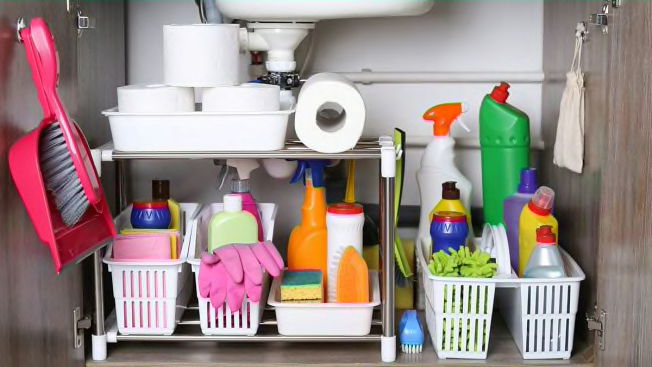
Maximize kitchen space by using under-sink organizers and caddies. Compact bins help store cleaning supplies neatly. Install hooks for dishcloths and towels to keep them accessible.
Incorporating storage solutions can transform your kitchen sink area. Efficient storage keeps this busy space tidy and functional. Clever solutions make it easier to find items. They also help maximize every inch of space. Let’s explore some practical options.Drawer Organizers
Drawer organizers bring order to your kitchen chaos. They separate items neatly, making them easy to find. Adjustable dividers can fit various items. They also prevent clutter by providing designated spots for each tool. Consider using organizers for utensils, sponges, and dishcloths. This makes daily tasks smoother and saves time.Under-sink Bins
Under-sink bins are essential for hidden storage. They help utilize the space beneath your sink efficiently. Choose stackable bins to maximize vertical space. Clear bins offer visibility, which makes it easy to identify contents. Label bins to maintain organization and quickly locate items. Use bins for cleaning supplies or extra sponges. These solutions keep your sink area tidy and stress-free.
Credit: food52.com
Maximize Cabinet Usage
Organize kitchen sink areas by installing pull-out trays for cleaning supplies. Use vertical storage for sponges and brushes to save space. Store small items in labeled containers under the sink for easy access.
Maximizing the usage of cabinet space under your kitchen sink can dramatically enhance your kitchen’s functionality. Often overlooked, this area can become a cluttered mess if not organized effectively. With a few smart adjustments, you can transform this space into a well-organized storage haven.Adjustable Shelves
Adjustable shelves are a game-changer for organizing your kitchen sink cabinet. By customizing the height of your shelves, you can fit items of various sizes, from tall cleaning bottles to small scrub pads. Consider using a simple shelving system that can be easily adjusted. This flexibility allows you to rearrange your storage as your needs change. Have you ever struggled to find space for a newly purchased kitchen gadget? Adjustable shelves can solve that problem effortlessly.Lazy Susans
Lazy Susans are an efficient way to make use of those hard-to-reach corners in your cabinets. By adding a rotating tray, you can easily access items without having to rummage through the back. They’re perfect for storing smaller items like sponges, dish soap, and cleaning sprays. Not only do they maximize space, but they also keep your cabinet organized and clutter-free. Have you ever thought about how much time you spend looking for things under the sink? A Lazy Susan can save you time and frustration. By implementing these practical solutions, your kitchen sink cabinet can become a model of efficiency and order. So, what will you organize first?Label And Categorize
Divide the space under the kitchen sink with baskets and bins. Use labels to identify cleaning supplies and tools. Group similar items together for easy access and a tidy look.
Organizing your kitchen sink area doesn’t just involve tidying up; it requires a strategic approach to maximize efficiency and ease of use. Labeling and categorizing is a powerful method that can transform this often chaotic space into a functional haven. By clearly defining what goes where, you can save time and reduce the frustration of searching for items. Start by thinking of the kitchen sink as a mini world that thrives on order. If you’ve ever spent precious minutes searching for a sponge or dish soap, you’ll appreciate the magic of labeling and categorizing.Use Clear Containers
Clear containers can be your best friend in the quest for kitchen sink organization. They offer visibility, allowing you to quickly identify contents without rummaging through cluttered spaces. Consider using clear bins for items like sponges, scrubbers, and brushes. This not only keeps things tidy but also ensures that everything has a designated spot. Transparent containers can also help you monitor your supplies, so you’ll know when it’s time to restock. Imagine the ease of opening a cabinet and immediately spotting the cleaner you need. A simple label on the container can make a world of difference.Create Zones For Items
Creating zones in your kitchen sink area is like setting up neighborhoods for your items. Each zone should serve a specific purpose, such as cleaning supplies, dishwashing tools, or waste disposal. Assigning a particular spot for each category reduces the chaos and streamlines your workflow. Think of how much more efficient your dishwashing routine could be if you always had easy access to dish soap and brushes. By creating dedicated zones, you not only organize better but also make the space more intuitive. Why not take a moment to evaluate the areas surrounding your sink? Are there items that don’t belong? Establishing zones might inspire you to rethink your current setup and identify ways to enhance functionality.Maintain Cleanliness
Organize the kitchen sink by clearing clutter and storing essentials neatly. Use baskets or trays to keep cleaning supplies tidy. Regularly clean and sanitize the area to maintain hygiene.
Maintaining cleanliness in the kitchen sink area is crucial for a healthy home. A clean sink prevents germs and keeps your kitchen fresh. It also makes meal prep more enjoyable. Let’s explore some effective ways to keep your kitchen sink spotless and tidy.Regular Cleaning Routine
Create a simple daily cleaning routine for your sink. Wipe down the sink after each use. Use a mild dish soap and warm water. This helps remove food particles and soap scum. Once a week, scrub the sink with baking soda. This natural cleaner tackles stains and odors. Rinse well with hot water to ensure a sparkling finish.Quick Clean-up Tips
For a quick clean-up, keep essentials nearby. Store a small brush and sponge under the sink. This makes cleaning spills easy and fast. Use vinegar to tackle tough spots. Spray, let it sit, and wipe away. For stubborn stains, try lemon juice. Its acidity helps remove grime. Always dry the sink with a cloth after washing. This prevents water spots and maintains shine.:max_bytes(150000):strip_icc()/GettyImages-1405396332-4708b92fa11642eda2ebb8081bf44c82.jpg)
Credit: www.thespruce.com
Frequently Asked Questions
How To Declutter Under The Kitchen Sink?
Start by removing everything and assessing what’s essential. Dispose of expired or unused items. Group similar items together for better organization. Consider using bins or baskets to keep items neatly stored. Regularly check and clean the space to maintain organization.
This approach maximizes space and keeps essentials accessible.
What Materials Should I Use For Organizing?
Use durable, water-resistant materials like plastic bins and baskets. These materials withstand moisture from leaks or spills. Labels on containers can help identify contents easily. Drawer organizers can separate smaller items. Non-slip liners prevent items from sliding around. Choose materials that fit your kitchen’s aesthetic and functional needs.
How Can I Maximize Storage Space?
Utilize vertical space with stackable bins and shelves. Install tension rods to hang cleaning supplies. Use the back of cabinet doors for hooks or small shelves. Consider pull-out drawers for easy access. Regularly review and reorganize to maintain efficiency. This approach ensures every inch is utilized effectively.
What Common Items Should Be Stored Under The Sink?
Store cleaning supplies, dish soap, and sponges under the sink. Keep trash bags and small trash bins here. Group similar items for easy access. Avoid storing food or perishables due to potential moisture. Regularly check for leaks to protect items.
This area is ideal for essentials you use frequently.
Conclusion
Organizing your kitchen sink improves your daily routine. Cleanliness becomes easier to maintain. A tidy sink area saves you time and stress. It also creates a more inviting kitchen space. Start with simple changes like decluttering. Use baskets or trays to organize items.
Keep essentials within reach for convenience. Regular cleaning prevents buildup and odors. Encourage everyone in your home to follow the system. Small efforts lead to big changes in your kitchen. Enjoy a cleaner, more functional space every day. Happy organizing!