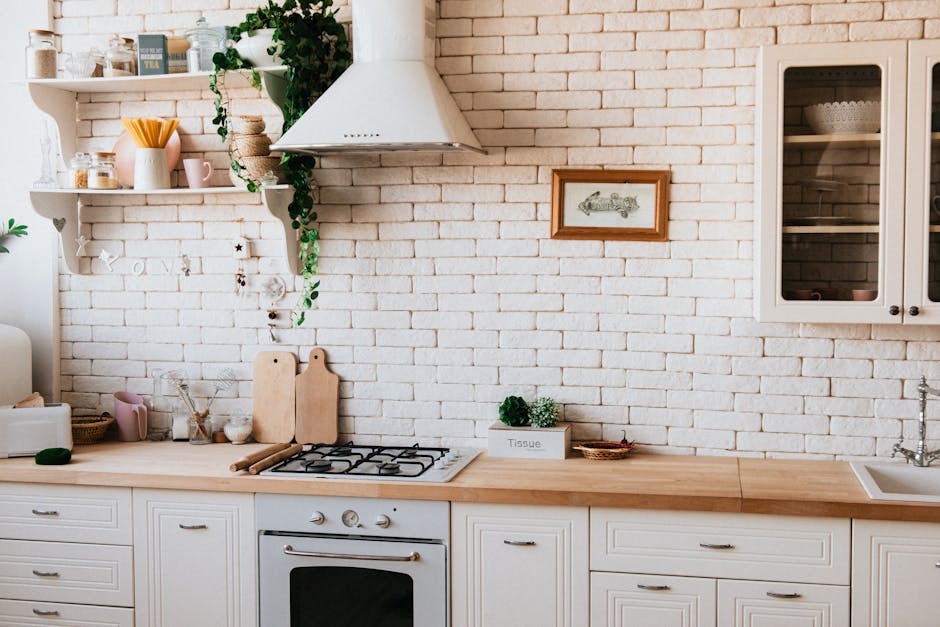
Imagine stepping into your kitchen and instantly finding what you need, without rummaging through cluttered shelves. Sounds like a dream, right?
Well, it doesn’t have to be. Organizing your kitchen shelves can transform your cooking space into a haven of efficiency and ease. Picture your favorite cooking ingredients and tools perfectly arranged, ready to inspire your next culinary masterpiece. This isn’t just about tidiness; it’s about creating a space that works for you.
Stick around, and you’ll discover simple strategies that can make your kitchen not only look better but function better too. Let’s dive in and turn your kitchen into the organized oasis you deserve.

Credit: food52.com
Assessing Your Space
Assessing your space helps you organize kitchen shelves efficiently. Identify frequently used items and place them within easy reach. Group similar items together for a tidy and accessible setup.
Assessing your kitchen space is the first step to achieving an organized and efficient kitchen. Understanding the layout and capacity of your shelves can make a significant difference in how you utilize your space. By taking a closer look at the details, you can uncover ways to maximize every inch of your kitchen’s storage potential.Evaluate Shelf Size
Begin by measuring each shelf in your kitchen. Note the height, width, and depth. This will help you understand what can fit comfortably and how to arrange your items. Are your shelves adjustable? If so, consider altering them to fit larger items or create more space for smaller goods. Think about the types of items you typically store and whether your current shelf sizes accommodate them efficiently.Identify Problem Areas
Pinpoint where clutter tends to accumulate. Is there a shelf that always seems to be overflowing? Consider the accessibility of each shelf. Are important items hard to reach, or do you have to move things around frequently to get what you need? Reflect on your daily routine. If your cooking spices are buried behind canned goods, it might be time to rethink their placement.
Credit: letshomebody.com
Decluttering Essentials
Organizing kitchen shelves can transform your cooking space. Decluttering is the first step to an efficient kitchen. It ensures that your shelves are tidy and functional. Let’s explore some essential tips for decluttering.
Remove Unused Items
Start by clearing out items you rarely use. These might include gadgets or dishes you haven’t touched in months. Donate or recycle them to free up space. Less clutter makes it easier to find what you need.
Prioritize Daily Use Items
Place items you use daily within easy reach. Store frequently used utensils, pots, and pans on lower shelves. This saves time during meal prep. Keep your favorite spices and oils nearby. It speeds up cooking and enhances efficiency.
Categorizing Kitchen Items
Organizing your kitchen shelves can feel like a daunting task, but categorizing your kitchen items is a smart first step. It not only enhances the visual appeal of your space but also makes cooking and cleaning more efficient. Imagine opening a cabinet and knowing exactly where to find that elusive jar of spice or your favorite coffee mug.
Group Similar Items
Start by grouping similar items together. Gather all your baking supplies in one section and your canned goods in another. This way, when you’re in the mood to bake cookies, you won’t have to hunt down each ingredient across multiple shelves.
Think about how you use your kitchen tools. Are your pots and pans scattered around? Store them together to streamline your cooking process. You’ll be amazed at how much time you save during meal prep.
Create Zones For Efficiency
Creating zones in your kitchen can transform how you use the space. Designate specific areas for different tasks like cooking, baking, or making coffee. This concept mimics the efficiency of a professional kitchen, where everything has its place.
Consider placing your coffee maker near mugs and coffee supplies. When you’re rushing out in the morning, a little convenience can go a long way. A well-organized kitchen zone can turn a hectic morning into a smooth start.
Ask yourself: what are the activities you do most often in your kitchen? Use those tasks as a guide to create your zones. This approach ensures your kitchen works for you, not against you.
Maximizing Shelf Space
Organizing a kitchen can feel overwhelming. Especially with limited shelf space. Smart strategies can help you make the most of it. Utilize every inch effectively. This not only declutters but also enhances functionality. Let’s explore some practical ways to maximize your kitchen shelves.
Use Vertical Organizers
Vertical organizers are a great space-saving tool. They allow you to stack items upwards. This maximizes the height of your shelves. Use them for plates, cutting boards, and lids. They create more room on the shelf surface. Plus, they make accessing items easier. No more digging through piles.
Implement Shelf Risers
Shelf risers add instant levels to your shelves. They help you utilize vertical space efficiently. Perfect for stacking cups, bowls, or canned goods. Risers can double your storage capacity. They keep items separate and organized. Choose adjustable risers for versatility. Fit them to your specific needs.
Choosing Storage Solutions
Choosing the right storage solutions transforms your kitchen shelves. Efficient storage maximizes space and keeps items organized. Consider options that suit your kitchen’s style and needs.
Select Bins And Baskets
Bins and baskets are versatile for organizing kitchen shelves. They group similar items together, making them easy to find. Choose sturdy materials like metal or woven fabric for durability. Use different sizes to fit various shelf spaces. Label bins to quickly identify contents, reducing search time.
Opt For Clear Containers
Clear containers simplify storage on kitchen shelves. They offer visibility, allowing you to see contents at a glance. This reduces the need to rummage through items. Choose airtight containers for dry goods like pasta or flour. Stackable options save space, making shelves neat and tidy. Ensure they fit well on shelves to avoid clutter.
Labeling For Easy Access
Labeling kitchen shelves simplifies cooking and meal prep. It saves time and reduces stress. Proper labeling makes items easy to find and organize. Let’s explore effective labeling techniques for kitchen shelves.
Use Consistent Labeling
Consistency is key in labeling. Use the same style and font for all labels. This creates a uniform look across your kitchen. Select a readable font size. A simple font works best.
Place labels at the front of containers. Ensure they are visible at a glance. Include item names and expiration dates if needed. This prevents expired goods from lingering.
Adopt A Color-coding System
Color-coding adds another layer to organization. Assign specific colors to food categories. For example, use green for spices, blue for grains, red for snacks. This makes locating items quicker.
Incorporate colored tape or stickers. This method is especially useful for families. Kids can easily learn and recognize categories. It also adds a fun element to organizing.
Maintaining An Organized Kitchen
Organize kitchen shelves by grouping similar items together for easy access. Use clear containers to store dry goods. Label shelves and containers to quickly find what you need.
Maintaining an organized kitchen brings ease to daily cooking. It saves time and reduces stress. Consistent upkeep ensures your kitchen remains functional and inviting. Adopt a few simple habits. Regular adjustments keep everything in place.Regularly Reassess Needs
Every few months, review your kitchen items. Check for unused gadgets or expired foods. Remove items you no longer need. This creates more space for essential items. A clutter-free kitchen feels more spacious and efficient. Keep only what you use regularly.Incorporate Seasonal Changes
Adjust your kitchen setup with the seasons. In winter, place baking items within reach. In summer, have grilling tools handy. This makes it easier to access what you need. Rotate pantry items based on seasonal recipes. This keeps your kitchen relevant all year round. Plus, it adds variety to meals.
Credit: food52.com
Frequently Asked Questions
How Do I Start Organizing My Kitchen Shelves?
Begin by emptying the shelves completely. Sort items into categories like baking supplies, canned goods, and spices. Clean each shelf thoroughly before reorganizing. Consider using containers or baskets to group similar items. Labeling can help maintain organization.
What Items Should I Keep On Kitchen Shelves?
Store frequently used items like spices, oils, and canned goods within easy reach. Less frequently used items can be placed on higher shelves. Keep heavier items lower for safety. Consider shelf organizers for better accessibility and space management.
How Can I Maximize Shelf Space In A Small Kitchen?
Utilize vertical space with stackable containers or shelves. Use undershelf baskets for extra storage. Install hooks or racks on the inside of cabinet doors. Consider decluttering and donating items you rarely use.
Should I Label Items On Kitchen Shelves?
Labeling is beneficial for maintaining organization and easy identification. It helps everyone find items quickly. Use clear labels or chalkboard stickers for flexibility. Labeling can also remind you when items need restocking.
Conclusion
Transforming your kitchen shelves brings both order and joy. A tidy space makes cooking and meal prep easier. Begin with decluttering and sorting items by use. Use baskets and containers for small items. Labeling helps everyone find things quickly. Keep frequently used items within reach.
Remember, organization is a personal journey. Adjust your shelves to suit your lifestyle and needs. Regular maintenance keeps the space functional. Enjoy your neat kitchen and the peace it brings. A well-organized kitchen shelf is a step towards a calmer home.
Happy organizing!