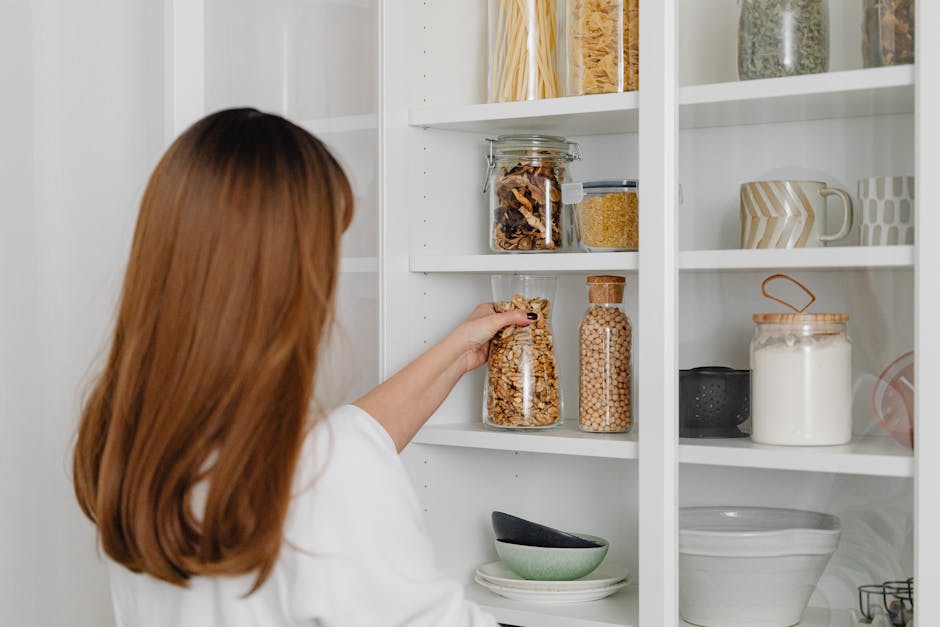
Imagine walking into your kitchen and feeling a sense of calm and order, where every ingredient is within reach, and you know exactly where everything is. Organizing your kitchen pantry can transform not only your cooking experience but also your daily routine.
If you’ve ever felt overwhelmed by cluttered shelves or wasted time searching for that elusive spice, you’re not alone. But here’s the good news: creating a well-organized pantry is easier than you think and can save you time, money, and stress.
You’ll discover simple, effective strategies to turn your pantry into a functional and beautiful space that works for you. Get ready to unlock the secrets of pantry organization, and experience the joy of a kitchen that truly serves your needs. Dive in to find out how you can achieve this transformation today!

Credit: www.houseofharveyblog.com
Assess Current Pantry Layout
Organizing your kitchen pantry starts with understanding its current layout. This step helps you see what’s working and what needs change. By assessing your pantry, you can make it more efficient. A well-organized pantry saves time and reduces stress. You’ll find ingredients quickly and avoid buying duplicates. Let’s dive into how you can assess your pantry layout effectively.
Identify Problem Areas
Begin by identifying problem areas in your pantry. Look for cluttered shelves and items that are hard to reach. Check for expired goods and items you rarely use. Take note of any wasted space or overcrowded sections. Recognizing these issues is the first step to improvement. It helps you create a plan for a more organized pantry.
Evaluate Storage Needs
Next, evaluate your storage needs based on what you have. Consider the different types of items you store. Do you need more space for cans or snacks? Think about the size and quantity of each item. Decide if you need more bins, baskets, or shelf dividers. Understanding your storage needs helps in choosing the right solutions. It ensures everything has a place and is easy to access.

Credit: food52.com
Sort And Categorize Items
Sort and Categorize Items Group similar items together for easy access. Use clear bins or labels to identify categories. Keep frequently used items at eye level to streamline cooking.
Sorting and categorizing items in your kitchen pantry can transform chaos into order. Imagine opening your pantry to see everything neatly arranged, making meal prep faster and grocery shopping a breeze. It’s all about creating a system that works for you and your family, ensuring that you know exactly where to find what you need.Group Similar Foods
Grouping similar foods together is a game-changer for efficiency. Consider arranging canned goods, grains, and spices in separate sections. This way, you can quickly grab the ingredients you need without rummaging through every shelf. A personal tip is to use clear containers for snacks or cereals. This not only helps in identifying them at a glance but also keeps them fresh. You might find it helpful to label containers or shelves, especially if you have a large variety of items. Do you ever find yourself buying duplicate items because you can’t remember what you have? Grouping similar foods can prevent this common mishap.Separate Rarely Used Items
Rarely used items can clutter your pantry if not managed well. Consider dedicating a section or a higher shelf for these items. This approach keeps your frequently used ingredients easily accessible and the less-used ones out of your daily path. Think of items like holiday baking supplies or specialty ingredients. By having a specific spot for them, you eliminate the frustration of searching through your pantry when they’re needed. A small box or bin can work wonders for organizing these items. It’s both practical and space-saving, ensuring that your pantry remains tidy and functional.Choose Storage Solutions
Choose storage solutions to organize your kitchen pantry. Use clear containers to see contents easily. Label shelves for quick access to items. Keep frequently used products at eye level for convenience.
Choosing the right storage solutions is essential for an organized pantry. It helps in maintaining order and maximizing space. With practical options, you can access items easily. Proper storage also keeps food fresh and visible. This section will guide you through effective storage solutions.Utilize Shelving Units
Shelving units offer great versatility in a pantry. They come in different sizes to fit your space. Adjustable shelves allow you to customize the height. This flexibility accommodates various item sizes. Metal or wooden shelves are both durable choices. Ensure shelves are sturdy to hold heavy items.Incorporate Clear Containers
Clear containers help keep your pantry tidy. They offer visibility, so you know what’s inside. Use them to store grains, cereals, and snacks. Choose airtight containers to keep food fresh. Labeling containers adds an extra layer of organization. Stackable containers save space and look neat.Maximize Vertical Space
Vertical space is often underutilized in pantries. Tall shelves make use of the height available. Install hooks or racks on doors for extra storage. Hang baskets for fruits or small items. Use stackable bins to store more in less space. This approach keeps your pantry organized and spacious.Label And Arrange Efficiently
Label and Arrange Efficiently Organize your kitchen pantry by grouping similar items together. Use clear labels to easily find what you need. Arrange items by frequency of use to make cooking more efficient.
Organizing your kitchen pantry can be a game-changer in your daily cooking routine. The key to a well-organized pantry is labeling and arranging items efficiently. This not only saves time but also reduces stress when preparing meals. Imagine opening your pantry and instantly spotting the exact item you need. Sounds like a dream? Let’s turn it into reality.Create Easy-to-read Labels
Creating easy-to-read labels is a simple yet effective way to transform your pantry. Use clear, large font sizes that are easy to spot from a distance. Consider investing in a label maker or printable labels for a neat, uniform look. Color-coding can add an extra layer of organization. For instance, use different colors for baking essentials, snacks, and canned goods. This visual cue makes finding items a breeze. Think about your pantry’s lighting. A well-lit pantry enhances the visibility of labels, making it even easier to find what you need quickly.Organize By Frequency Of Use
Arrange items based on how often you use them. Keep everyday essentials like cereals and cooking oils at eye level. This strategy minimizes time spent rummaging through shelves. Place less frequently used items on the top or bottom shelves. This includes specialty ingredients or seasonal items. By doing this, you maintain easy access to your daily staples. Consider your cooking habits. Do you often bake on weekends? Keep baking supplies within easy reach. Tailoring your pantry to your lifestyle makes cooking more enjoyable and efficient. Have you ever wasted time searching for an ingredient while cooking? By organizing your pantry with these practical tips, you’ll streamline your meal prep and enjoy a more harmonious kitchen experience.Maintain Pantry Organization
Organize your kitchen pantry by grouping similar items together for easy access. Use clear containers to see contents quickly. Keep frequently used items at eye level to save time and effort.
Maintaining the organization of your kitchen pantry can feel like a daunting task, but with a few strategic habits, you can keep it tidy and functional. Consistency is key, and by regularly assessing your pantry’s contents and layout, you can ensure it remains efficient. It’s not just about achieving the perfect organization once but maintaining it through simple, effective habits.Implement Regular Checks
Make it a routine to check your pantry every few weeks. This helps you track what you have and what you need. A quick audit can prevent those “I didn’t know we had that” moments. Consider setting a reminder on your phone or calendar. This ensures you don’t overlook this critical step. During these checks, take note of expiration dates and items nearing their end. Discard expired goods and make a list of items to restock.Adjust System As Needed
Your pantry organization system should be flexible. Be open to changes if something isn’t working. Ask yourself: Is everything easily accessible? Are there items that could be stored differently to maximize space? For example, if you find yourself constantly reaching for certain spices, move them to a more convenient location. Small tweaks can make a big difference in efficiency. Remember, your pantry should work for you, not the other way around. Adjustments are part of maintaining a functional space. By implementing regular checks and adjusting your system as needed, you’ll keep your pantry organized and ready for culinary adventures. What’s one small change you can make today for a more organized kitchen tomorrow?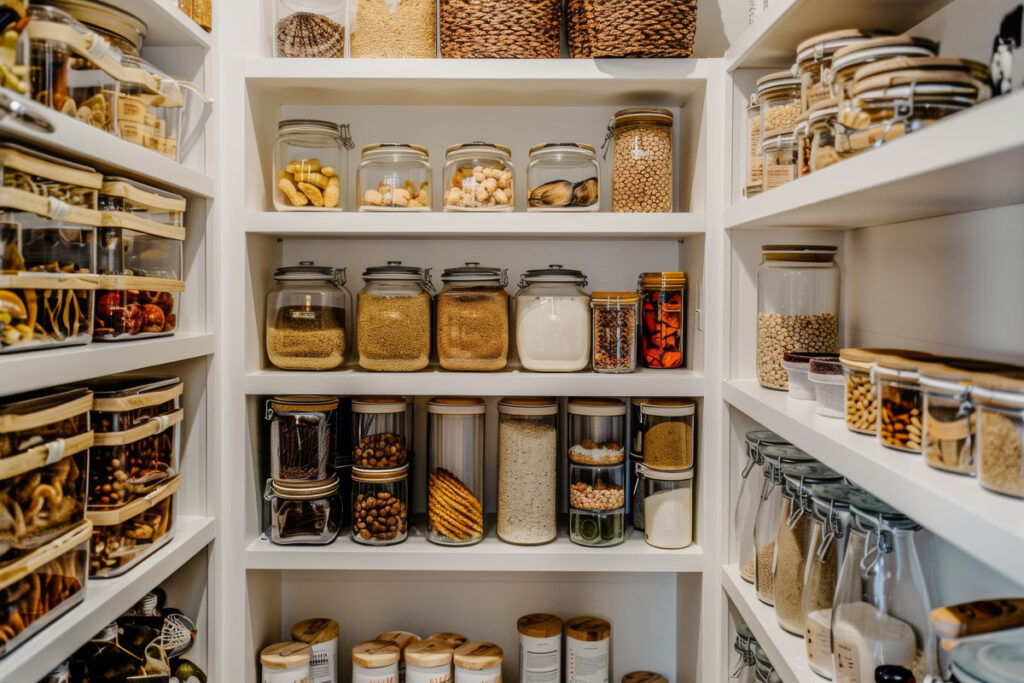
Credit: www.afreshspace.com
Frequently Asked Questions
What Are The First Steps To Organize A Pantry?
Start by emptying your pantry completely. Clean all the shelves and surfaces. Sort items into categories like grains, snacks, and canned goods. Discard expired products and donate what you don’t use. This process makes organizing and maintaining a clean pantry much easier.
How Do You Categorize Pantry Items Effectively?
Group similar items together like baking supplies, canned goods, and snacks. Use clear bins or baskets to store them. Label each container to find things easily. This method keeps your pantry organized and helps you quickly see what you need to restock.
What Storage Containers Are Best For Pantries?
Choose clear, airtight containers for dry goods like flour and cereals. They keep food fresh and visible. Use stackable containers to maximize space. Baskets and bins can store loose items like snacks. Consider using lazy Susans for hard-to-reach corners and shelves.
How Often Should You Reorganize Your Pantry?
Review your pantry every three months to maintain organization. Check expiration dates and adjust storage based on new purchases. Regular upkeep prevents clutter and ensures you use older items first. This periodic check helps maintain efficiency and reduces food waste.
Conclusion
Organizing your kitchen pantry can make daily cooking much easier. A neat pantry saves time and reduces stress. Start by sorting items into categories. Use clear containers for better visibility. Label everything to find items quickly. Keep frequently used items within reach.
Less-used items can go on higher shelves. Check expiration dates regularly to keep food fresh. A tidy pantry encourages healthy eating habits. You’ll cook more efficiently and waste less food. Enjoy a clean and organized kitchen!