Imagine opening your pantry and finding every item exactly where it should be. No more wasted time searching for that elusive spice or canned good.
This dream can become your reality when you learn how to organize your kitchen pantry shelves effectively. You’ll discover tips and tricks that not only bring order to chaos but also make cooking a breeze. By tackling this project, you can transform your kitchen into a space that truly works for you.
Dive into this article, and soon, you won’t just be managing your pantry – you’ll be mastering it. Let’s unlock the secrets to a perfectly organized kitchen!
Credit: www.extraspace.com
Benefits Of An Organized Pantry
Benefits of an Organized Pantry An organized pantry makes meal prep faster and easier. It saves time by quickly finding ingredients. It also reduces food waste by keeping items visible and accessible.
An organized pantry offers more than just visual appeal. It brings practical benefits to your daily routine. With a tidy pantry, you find ingredients quickly, reduce food waste, and streamline meal preparation. Each item has its place, ensuring you use what you have before purchasing more. This saves money and minimizes clutter.Improved Efficiency
A well-organized pantry boosts efficiency. You locate items swiftly, reducing cooking time. Ingredients are easy to spot, helping you plan meals effortlessly. This leads to smoother kitchen operations.Reduced Food Waste
An organized pantry helps reduce food waste. You see what you have before buying more. Expiry dates are visible, prompting timely usage. This prevents food spoilage and unnecessary purchases.Cost Savings
Organizing your pantry saves money. You avoid duplicate purchases by knowing what you already own. This leads to smarter shopping habits and fewer impulsive buys.Stress-free Cooking
Cooking becomes stress-free with an orderly pantry. You have everything at your fingertips. Meal preparation is more enjoyable and less chaotic. This makes cooking a delightful experience.Enhanced Cleanliness
A tidy pantry enhances cleanliness in your kitchen. Shelves are easier to clean without clutter. Stored items are less likely to spill, keeping your space neat. This promotes a healthier kitchen environment.Better Space Utilization
An organized pantry optimizes space utilization. You maximize every inch of available storage. This makes room for all your essentials without overcrowding. Small kitchens benefit greatly from this approach.
Credit: food52.com
Assessing Your Pantry Needs
Before diving into the actual organization of your kitchen pantry, it’s crucial to assess your pantry needs. This step is often overlooked but is essential to create a system that works for you and your family. By understanding what you truly need and the space you have, you can create a functional and efficient pantry that caters to your lifestyle.
Identifying Essential Items
Start by taking inventory of what you currently have. Are there items that have been sitting there for months, or even years, untouched? These are the first candidates for removal. Focus on the staples you use frequently, like pasta, canned goods, and spices.
Think about your cooking habits. Do you bake often, or are you more of a quick-meal kind of person? This will help you determine what items are essential. Keep a list of the must-have items and ensure they are always stocked.
Consider your dietary needs. If you have any allergies or follow a specific diet, make sure your pantry reflects that. This will make meal planning easier and more efficient.
Understanding Space Limitations
Once you have a list of essential items, evaluate the space you have available. Is your pantry a small cabinet, or do you have a walk-in closet? The size of your pantry will dictate how you can organize it.
Measure your shelves and consider the height and depth of each section. This will help you decide on storage solutions like bins, baskets, or lazy Susans. You might find that stacking items vertically saves more space than placing them side by side.
Be realistic about what your space can accommodate. Overcrowding your pantry will lead to disorganization and frustration. Prioritize items based on frequency of use and accessibility.
Have you ever found yourself buying duplicates because you couldn’t see what was hiding in the back? This is a clear sign that assessing your pantry needs and understanding your space can prevent wastage and save you money.
Categorizing Pantry Items
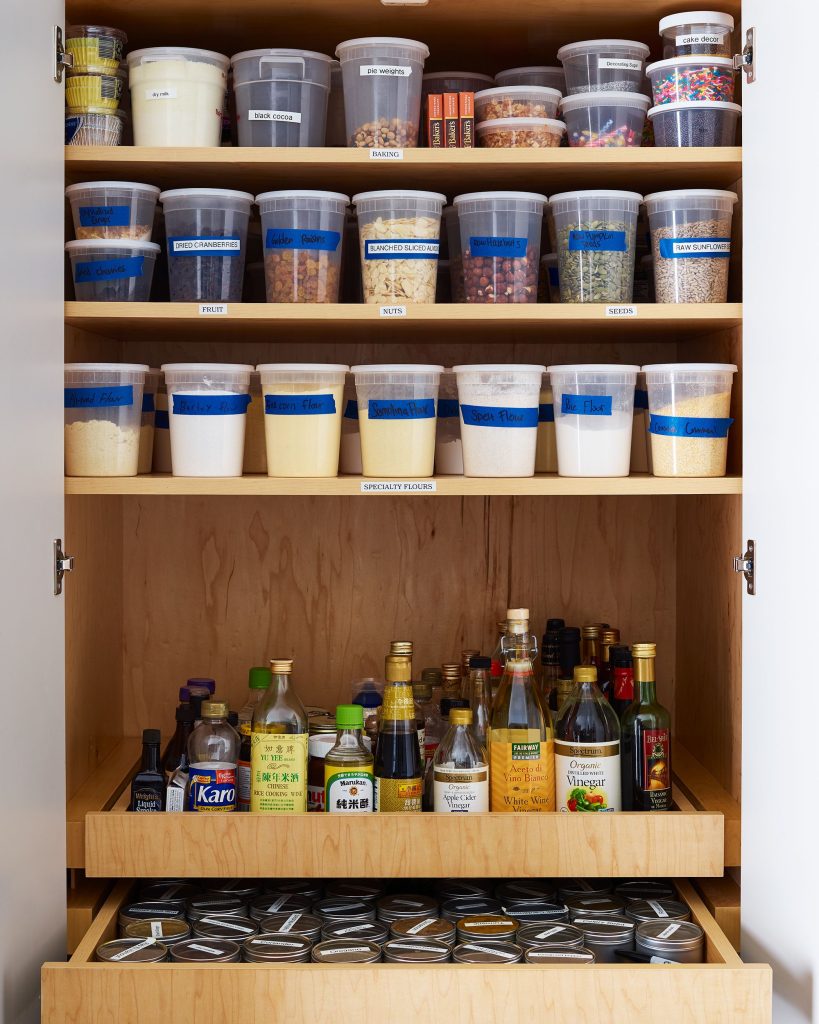
Organizing kitchen pantry shelves involves sorting items by type, frequency of use, and expiration date. Group similar items together for easy access, like canned goods, grains, and snacks. Label each section to maintain order and ensure everything is visible and within reach.
Organizing your kitchen pantry can transform your cooking experience. By categorizing pantry items, you not only save time but also reduce waste. Imagine reaching for a spice and finding it without a scavenger hunt. This section delves into simple strategies to make your pantry both functional and inviting.Grouping Similar Items
Begin by gathering items that naturally belong together. Place all your baking supplies in one area: flour, sugar, baking powder, and vanilla. This makes whipping up a batch of cookies much smoother. Consider how often you use certain items. Keep everyday essentials like salt, pepper, and olive oil within easy reach. Less frequently used ingredients can be stored higher or lower on the shelves. Think about how you cook. Group spices together if you love experimenting with flavors. This keeps your culinary creativity flowing without unnecessary interruptions.Creating Functional Zones
Designate specific zones for different categories of food. You might have a breakfast zone with cereals, oats, and honey. This makes morning routines less chaotic. Use clear containers to store grains, pasta, and snacks. Not only does this keep things neat, but it also helps you see when you’re running low. You’ll appreciate this when planning your shopping list. Labeling is your best friend here. A simple label can save you from mistaking salt for sugar in a hurry. Plus, it keeps everyone in the household on the same page. Are there items that often get lost in the back? Use bins or baskets for smaller items like seasoning packets or tea bags. This prevents clutter and keeps everything visible. How do you currently organize your pantry? Consider these strategies and see the difference they make in your daily kitchen adventures.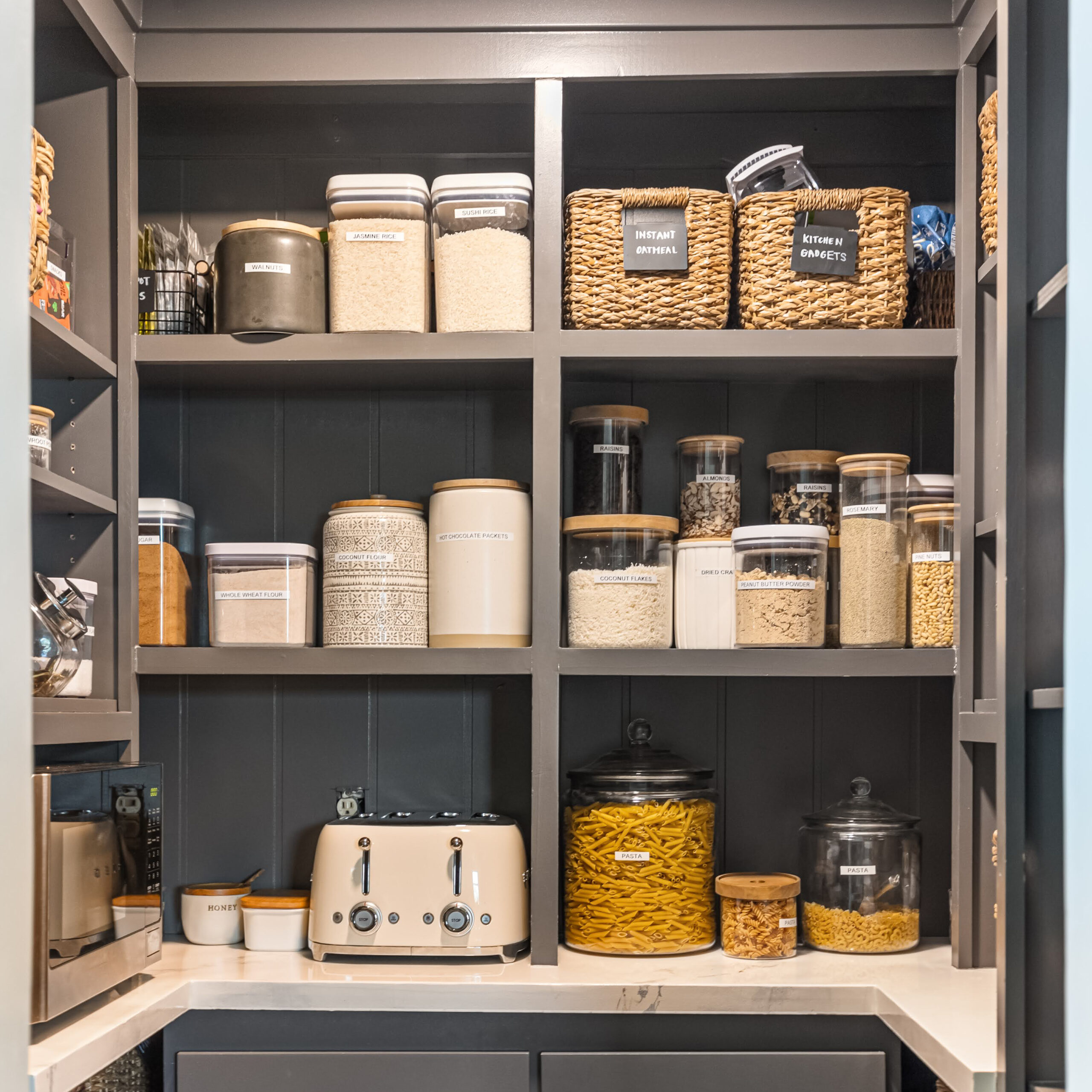
Credit: crystelmontenegrohome.com
Maximizing Space
Organize kitchen pantry shelves by using clear containers to store dry goods. Utilize shelf risers for canned items. Label everything for easy access and maintain a tidy space.
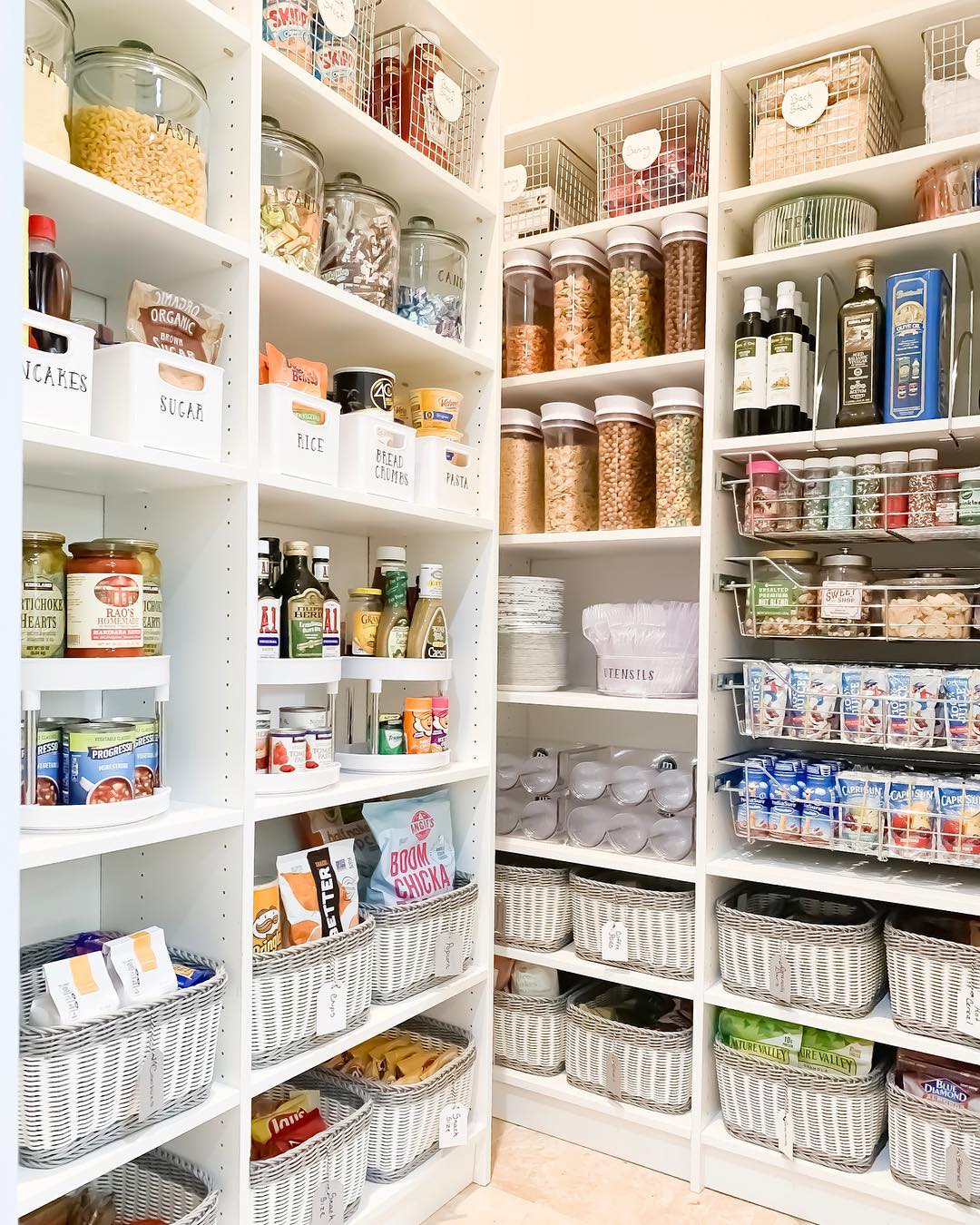
Maximizing space in your kitchen pantry can turn a cluttered corner into a well-organized haven for all your culinary essentials. Efficient use of available space not only makes it easier to find items but also allows you to store more in the same area. Let’s dive into some practical strategies to make the most of your pantry space.Utilizing Vertical Space
Think of your pantry as a vertical playground. Are there empty spaces above your food items? Consider adding stackable bins or tiered shelves to capitalize on those areas. Wall-mounted racks or hooks are great for hanging lighter items like reusable bags or measuring cups. Don’t overlook the back of your pantry door. It’s a prime spot for hanging organizers or additional shelving for spices and condiments. Even the ceiling can be a space saver. Try installing a pull-down spice rack or a hanging fruit basket. These additions can transform underused vertical spaces into functional storage.Choosing The Right Shelving
The right shelving can make a world of difference. Adjustable shelves offer flexibility to accommodate items of varying heights. Metal or wire racks are durable and ideal for heavier goods, whereas wooden shelves add a warm, aesthetic touch. Consider depth when selecting shelves. Deeper shelves might seem better but can lead to items getting lost in the back. Opt for narrower shelves to keep everything within easy reach. Clear acrylic bins or baskets make it easy to see what you have, reducing the chance of buying duplicates. A simple label on each shelf or bin can also help keep things in order. Is there a specific area in your pantry that feels underutilized? With the right shelving, even the smallest nooks can become storage powerhouses.Effective Storage Solutions
Organizing your kitchen pantry shelves can be a game-changer for your daily routine. Efficient storage solutions not only streamline your cooking process but also ensure that everything is easy to find. A well-organized pantry saves time and reduces stress, making meal prep a breeze.
Containers And Baskets
Investing in containers and baskets is a smart move for anyone looking to tidy up their pantry. Clear containers allow you to see what’s inside without opening the lid, making it easier to track your inventory. Baskets can be used to group similar items, such as snacks or baking supplies, keeping everything within reach.
Consider using stackable containers to maximize vertical space. This way, you can fit more items without cluttering your shelves. Airtight containers are perfect for keeping dry goods like flour, sugar, and pasta fresh.
Labeling Techniques
Labels are a small detail that makes a big difference in pantry organization. They help everyone in your household know where to find and return items. Use a label maker or simple sticky labels to identify the contents of each container and basket.
Consider adding the purchase or expiration date to your labels. This practice can help you keep track of freshness and ensure you use items before they go bad. If you’re feeling creative, you could even color-code the labels by category or frequency of use.
Think about how much easier your life would be if you never had to search for that elusive spice or box of cereal again. With the right containers, baskets, and labeling techniques, you can create a pantry system that works for you and your family.
Maintaining Pantry Organization
Organize kitchen pantry shelves by grouping similar items together. Label containers for easy identification. Use clear bins to quickly see contents and avoid clutter.
Maintaining a well-organized kitchen pantry requires consistent effort. It ensures easy access to ingredients and keeps your space clutter-free. A structured approach helps in maintaining this organization. Here are some actionable steps to keep your pantry tidy and efficient.Regular Clean-up Schedule
Create a routine for cleaning your pantry. Schedule a monthly check to remove expired items. Wipe shelves and containers to keep them dust-free. This practice prevents build-up and maintains a fresh pantry environment. A consistent schedule makes the task less daunting.Updating Inventory
Keep an updated inventory of your pantry items. Use a simple list or a digital app to track supplies. This helps in knowing what you have and what you need. Regular inventory updates prevent overbuying and ensure you use items before they expire. It also helps in meal planning and grocery shopping.Expert Tips For Efficiency
Organizing your kitchen pantry can save you time and reduce stress. A well-arranged pantry ensures you find what you need quickly. Discover expert tips for making your pantry efficient and user-friendly.
Incorporating Smart Design
Smart design transforms your pantry into a functional space. Use clear containers to store dry goods. This helps you see contents easily. Label everything for quick identification. Adjustable shelving allows customization based on your needs. Group similar items together. For example, keep snacks in one section. Use door racks for small items like spices and sauces. Consider pull-out bins for easy access to deep shelves.
Managing Expiry Dates
Managing expiry dates prevents food waste. Place newer items behind older ones. This encourages using older products first. Use a marker to note purchase dates on containers. This helps track freshness. Consider creating a list of soon-to-expire items. This list can be placed on the pantry door. Regularly check and update this list. It keeps your pantry fresh and organized.
Frequently Asked Questions
How Do I Start Organizing My Pantry?
Begin by emptying your pantry completely. Sort items into categories like grains, snacks, and canned goods. Discard expired items. Clean the shelves thoroughly. Consider using clear containers and labels for easy identification. Arrange items based on frequency of use, placing frequently used ones at eye level.
What Are The Best Containers For Pantry Organization?
Clear, airtight containers are ideal for pantry organization. They keep food fresh and visible, reducing waste. Stackable containers maximize space and maintain order. Look for BPA-free options for safety. Labels on containers help quickly identify contents. Consider using baskets or bins for grouping similar items together.
How Can I Maximize Pantry Shelf Space?
Utilize vertical space by adding shelf risers or stacking bins. Use door-mounted organizers for small items or spices. Install pull-out shelves for easy access to deep spaces. Group similar items together and use clear bins to maintain order. Regularly review and declutter to keep the pantry organized.
How Often Should I Reorganize My Pantry?
Reorganize your pantry every few months. This helps maintain order and prevents clutter. Regular checks ensure expired items are discarded. Seasonal changes may require adjustments in storage. Consistent organization saves time and makes meal preparation easier. It also ensures you’re using items before they expire.
Conclusion
Organizing pantry shelves creates a tidy and efficient kitchen space. Store items by category for easy access and visibility. Use clear containers to keep food fresh and visible. Label containers for quick identification. Keep frequently used items in front. Place heavier items on lower shelves.
Regularly clean and declutter to maintain order. A well-organized pantry saves time and reduces stress. You know where everything is. Cooking becomes enjoyable when ingredients are easy to find. Try these tips and enjoy a neat, functional pantry. Your kitchen will thank you.