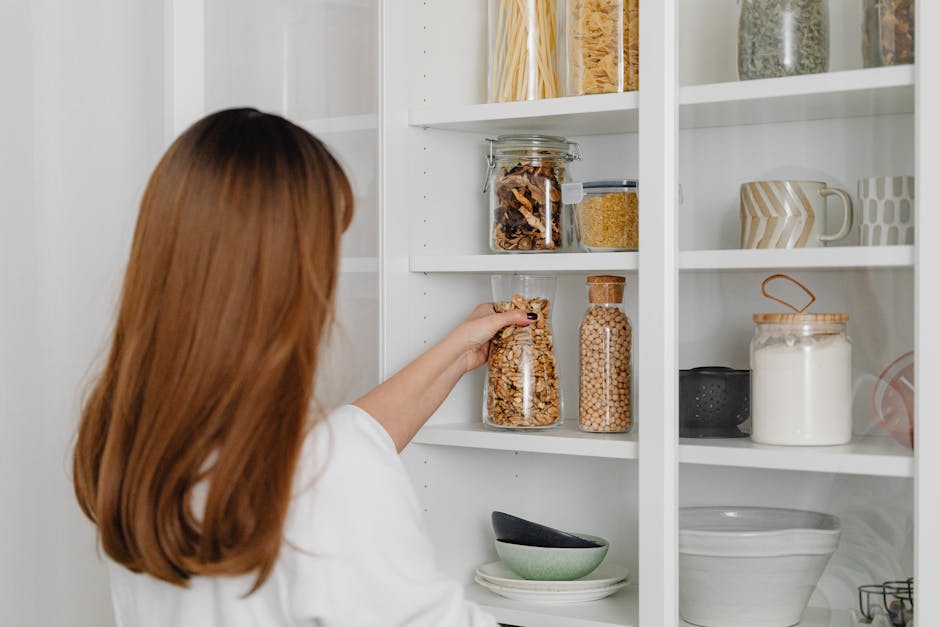
Do you ever find yourself staring into your kitchen pantry closet, feeling overwhelmed by the chaos? You’re not alone.
Many people struggle to keep their pantry organized, leading to wasted time and forgotten ingredients. Imagine opening your pantry door and finding everything perfectly in place, with easy access to your favorite snacks or essential cooking items. Sounds like a dream, right?
With simple organization techniques, you can transform your pantry into a space that brings ease and efficiency to your daily routine. You’ll discover practical tips and tricks to maximize your pantry space, making it not only functional but a joy to use. Get ready to uncover the secrets of an organized pantry closet, designed to make your life simpler and more enjoyable.

Credit: www.houseofharveyblog.com
Assessing Your Pantry Space
Assessing your pantry space helps create an organized kitchen pantry closet. Measure the area to understand the available space. Consider shelf heights and depths for optimal storage.
Assessing your pantry space is the first step towards creating a well-organized kitchen pantry closet. Before diving into sorting and categorizing, take a moment to understand the space you’re working with. This awareness will help you maximize the efficiency of your pantry and keep it clutter-free. Whether you have a spacious walk-in pantry or a small closet, knowing your dimensions and limitations is crucial.Measure Your Space
Start by measuring the dimensions of your pantry. Use a measuring tape to note the height, width, and depth. Knowing the exact size helps in planning the layout and purchasing appropriate storage solutions. You might be surprised at how much space you actually have when you consider vertical storage options.Identify Existing Storage Solutions
Look at the current storage solutions in place. Do you have shelves, racks, or bins? Evaluate whether these are effectively utilized or if they need upgrading. Sometimes, simply adjusting the height of shelves can create more space. Ask yourself if your current setup is serving your needs or if it’s time for a change.Determine Your Needs
Reflect on your cooking habits and the types of items you store. Do you frequently buy bulk items or prefer fresh produce? Your pantry should cater to your lifestyle. For instance, if you often cook with spices, you’ll need easy access to these items. Tailoring your pantry space to your specific needs will make it functional and convenient.Consider Accessibility
Accessibility is key in an organized pantry. Think about how often you use certain items and ensure they’re within easy reach. Place frequently used items at eye level and rarely used ones higher up. This not only saves time but also prevents clutter from building up as you can easily find what you need.Visualize Your Ideal Pantry
Imagine what your ideal pantry looks like. Visualizing helps in planning the organization process. Picture where each item should go and how the space should flow. This mental image will guide you as you start sorting and organizing. Remember, a well-organized pantry starts with a clear vision of what you want to achieve.Sorting Items By Category
Organize your kitchen pantry closet by sorting items into categories like grains, canned goods, and snacks. Clear containers or bins can help keep similar items together for easy access. Label each section to quickly find what you need.
Organizing your kitchen pantry closet can be a satisfying task. Sorting items by category helps you find things quickly. It also keeps your pantry neat and efficient. Divide items into simple groups. This way, everything has a place, and you can easily spot what you need.Dry Goods
Place grains, pasta, and cereals together. Use clear containers for easy identification. Label each container to avoid confusion.Canned And Jarred Items
Group canned vegetables, fruits, and soups. Arrange them by type. This makes it simple to locate ingredients for meals.Baking Supplies
Keep flour, sugar, and baking powder in one section. Store smaller items like vanilla extract nearby. Use a bin to corral loose bags of chocolate chips.Snacks
Create a dedicated space for snacks. Use baskets for chips, nuts, and granola bars. This prevents clutter and makes snacks accessible.Spices And Condiments
Organize spices alphabetically. Use a rack or drawer insert for easy access. Place condiments together, ensuring bottles are upright.Beverages
Store tea, coffee, and drink mixes in one area. Keep them close to where you prepare drinks. Use stackable containers for tea bags.Cleaning Supplies
Separate cleaning items from food. Use bins for detergents and sponges. Store them on a lower shelf for safety. Organizing by category not only saves time but makes cooking enjoyable. A well-organized pantry is a joy to use.Choosing Storage Solutions
Organizing your kitchen pantry closet can be a transformative experience, turning chaos into order and maximizing your available space. The key to success lies in choosing the right storage solutions that cater to your specific needs. With a variety of options available, finding the perfect fit for your pantry can feel overwhelming. Let’s explore some practical storage solutions that can make your pantry not just functional, but also a joy to use.
Bins And Baskets
Bins and baskets are a pantry organizer’s best friends. They allow you to group similar items together, making it easier to find what you’re looking for. Clear bins are particularly useful because they let you see the contents at a glance. This means no more digging through stacks of cans or boxes. Consider using baskets with handles for easy access and portability.
Think about the size and shape of the bins and baskets you choose. Do they fit snugly on your shelves, or do they leave awkward gaps? You might find that stacking bins can help maximize vertical space. What would you categorize together: snacks, baking supplies, or canned goods? The possibilities are endless.
Shelves And Drawers
Shelves and drawers are the backbone of any organized pantry. Adjustable shelves offer flexibility, allowing you to accommodate items of varying sizes. Are your shelves adjustable, or do you need to consider adding risers for extra height? This can be a game changer for taller bottles or jars.
Drawers, on the other hand, provide easy access to items that might otherwise get lost at the back of the pantry. Think about incorporating pull-out drawers for deep shelves. This ensures that nothing gets forgotten or expires because it’s hidden away. How often do you find expired items lurking in the corners?
Labeling Essentials
Labels are a small but mighty tool in pantry organization. They help maintain order and ensure everyone knows where things belong. Do you often find yourself asking, “Where did that jar of pasta sauce go?” With clear labeling, you’ll never have to guess again.
Consider using waterproof labels, especially if your pantry is prone to spills. Chalk labels offer a fun and customizable option. You can easily update them as your storage needs change. Isn’t it satisfying to see everything neatly labeled and in its place?
Remember, the goal is to create a system that makes sense to you and your household. So, what storage solutions will you choose to transform your pantry closet?
Credit: www.birchlandinghome.com
Maximizing Vertical Space
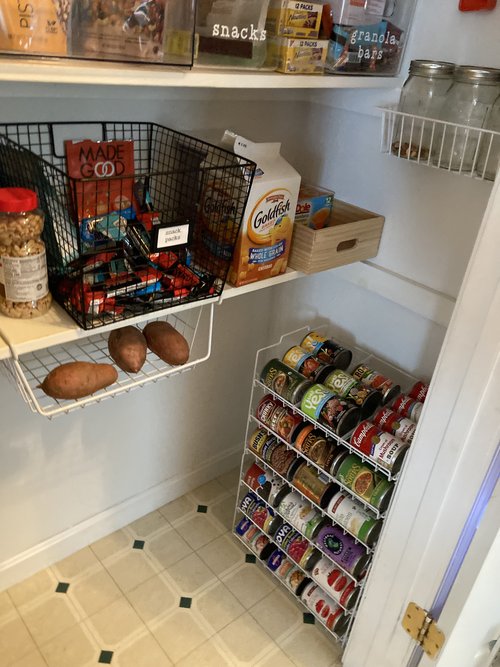
Maximize vertical space by installing adjustable shelves to store jars and cans efficiently. Use stackable containers to save room and keep items organized. Adding hooks inside doors helps utilize space for hanging kitchen tools or small baskets.
Maximizing vertical space in your kitchen pantry closet can transform a cluttered chaos into an organized oasis. Using every inch from floor to ceiling opens up hidden storage potential, making it easier to find what you need quickly. This technique not only improves functionality but also enhances the visual appeal of your pantry, offering a sense of calm and order.Install Adjustable Shelving
Adjustable shelves allow you to customize the height between each level, accommodating items of varying sizes. This flexibility means you can store tall cereal boxes and stack cans without wasted space. Consider investing in wire or wooden shelves that can be easily reconfigured as your storage needs change.Use Stackable Bins And Baskets
Stackable bins and baskets help keep like items together while utilizing vertical space efficiently. Label them clearly to ensure everyone in the household knows where to find snacks, baking supplies, or cleaning products. Clear bins are particularly useful as they let you see what’s inside without opening every container.Incorporate Door Organizers
The inside of your pantry door is prime real estate for additional storage. Install door-mounted racks or hooks to hold spices, condiments, or even small kitchen tools. This often-overlooked space can significantly reduce clutter on your shelves.Use A Lazy Susan For Easy Access
A Lazy Susan can be a game-changer for those hard-to-reach top shelves. Place it in a corner to maximize access to items with just a spin. Use it for spices, condiments, or small jars to prevent them from getting lost at the back of the shelf.Add A Step Stool
If you’re going to store items up high, a step stool is essential. Choose a foldable one that can be easily tucked away when not in use. This small addition ensures you can safely access those higher shelves without straining or risking injury. Maximizing vertical space is not just about adding more shelves. It’s about making your pantry work smarter, not harder. What vertical space hacks have you found most effective in your kitchen?Creating A System For Inventory
Organizing a kitchen pantry closet begins with grouping similar items together. Arrange shelves by categories like snacks, canned goods, and grains for easy access. Label containers clearly to maintain order and efficiency.
Creating a system for inventory in your kitchen pantry closet is essential. It helps you keep track of what you have and what you need. An organized pantry saves time and reduces stress. Knowing your inventory prevents unnecessary purchases. It also ensures that ingredients are always available for meals. Here’s how you can effectively manage your kitchen pantry inventory.1. Categorize Pantry Items
Start by grouping similar items together. Place all canned goods in one section. Keep grains, pasta, and rice in another. This makes it easy to find what you need. Use baskets or bins to contain small items. Label each bin for quick identification.2. Use Clear Containers
Store items in transparent containers. This allows you to see the contents at a glance. Choose airtight containers to keep food fresh. Stack containers to save space. Ensure each container is labeled with its contents and expiration date.3. Implement A First-in-first-out System
Place newer items behind older ones. This ensures older items get used first. It reduces waste and saves money. Keep an eye on expiration dates. Rotate items regularly to maintain freshness.4. Keep An Inventory List
Maintain a list of all pantry items. Note quantities and expiration dates. Update this list each time you shop. This helps prevent overbuying and missing items. A digital app can simplify this process.5. Regularly Review And Restock
Check your pantry every month. Remove expired items and clean shelves. Update your inventory list with necessary purchases. This keeps your pantry organized and well-stocked. By following these steps, your kitchen pantry will become more efficient. You’ll save time and reduce food waste. Enjoy the convenience of a well-organized pantry every day.Maintaining Organization
Organize your kitchen pantry closet by categorizing items and using clear containers. Utilize shelf organizers to maximize space efficiently. Label everything for easy access and maintenance.
Maintaining organization in your kitchen pantry closet can feel like a never-ending task, but it doesn’t have to be overwhelming. The key is to establish a routine that keeps everything in its place. By dedicating a little time regularly, you can avoid the chaos of clutter and enjoy a more functional pantry.Regular Cleaning Schedule
Setting a regular cleaning schedule is essential. Dedicate a specific day each month to wipe down shelves and check for expired items. This habit not only keeps your pantry spotless but also helps you identify items that need restocking. Start by emptying one shelf at a time. This makes the process manageable and less daunting. Use a damp cloth to clean spills and crumbs, ensuring your pantry remains hygienic.Updating Inventory List
An updated inventory list is your secret weapon for an organized pantry. Keep a list on the inside of your pantry door, using a simple notepad or a digital app. This list helps you track what you have and what you need, preventing overbuying. Involve your family in the process. Encourage them to mark items when they take the last can of soup or box of pasta. This creates a shared responsibility and ensures everyone is aware of what’s available. Regularly reviewing your inventory list saves time and money. You’ll spend less time searching for ingredients and avoid purchasing duplicates. Wouldn’t it be great to open your pantry and know exactly what you need for dinner?Incorporating Sustainable Practices
Organize your kitchen pantry closet with sustainable practices by using glass containers and reusable labels. Arrange items by category for easy access, reducing waste and promoting eco-friendly habits. Consider donating unused items to minimize clutter and support your community.
Incorporating sustainable practices into your kitchen pantry organization helps the planet. A sustainable approach also saves money and reduces waste. By choosing eco-friendly solutions, you create a healthier home environment. Let’s explore some effective ways to make your pantry both organized and green.Reducing Food Waste
Plan your meals weekly to use ingredients efficiently. Use a whiteboard or app to track what you have. This prevents overbuying and ensures nothing goes to waste. Store leftovers in clear containers. This makes them visible and more likely to be eaten. Label everything with dates to track freshness.Eco-friendly Containers
Choose containers made from glass or stainless steel. These materials are durable and recyclable. Opt for reusable silicone bags instead of plastic. They are great for snacks and can be washed easily. Use mason jars for bulk items like grains and pasta. They are versatile and stylish. Organize with stackable bins to maximize space and reduce clutter.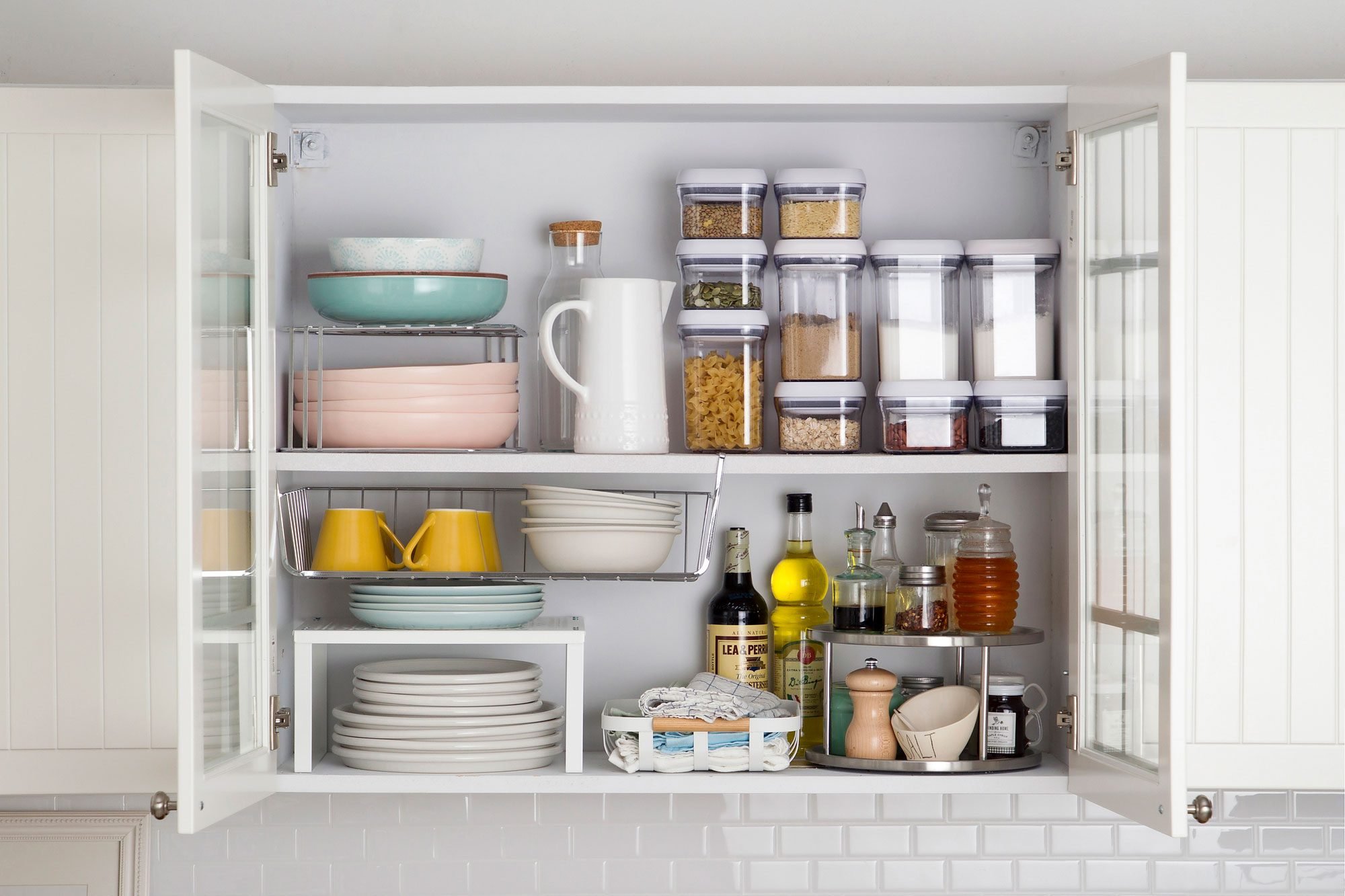
Credit: www.rd.com
Personalizing Your Pantry
Maximize pantry space by grouping similar items together. Use clear containers for easy visibility. Label shelves to keep things tidy.
Personalizing your pantry can transform an ordinary storage area into a delightful space. It’s not just about storing food; it’s about creating a space that feels uniquely yours. Personalizing allows you to add character and charm while ensuring everything has its place. This approach not only elevates the aesthetics but also enhances functionality.Aesthetic Elements
Infuse your pantry with colors that reflect your style. Soft pastels create a calm atmosphere. Bold colors add energy and excitement. Use matching storage containers for a cohesive look. Glass jars with labels offer a tidy and stylish solution. Consider installing wallpaper or decals for a splash of personality. Open shelving can showcase your favorite dishware. Lighting plays a big role in aesthetics. Under-shelf lights highlight items and add ambiance.Functional Decor
Choose decor that also serves a purpose. Hooks on the door can hold aprons or bags. Baskets and bins corral loose items and keep them accessible. A chalkboard or whiteboard on the wall helps track grocery needs. Use tiered racks to maximize shelf space. Lazy Susans allow easy access to deep shelves. Labels are both decorative and functional, ensuring everything has a designated spot. Drawer organizers keep utensils and smaller items in check. Consider a small rug for comfort and style. Organizing your pantry with personal touches can make cooking more enjoyable. A personalized pantry is inviting and efficient.Frequently Asked Questions
What Is The Best Way To Organize A Pantry?
The best way to organize a pantry is by categorizing items. Use clear containers for visibility, label everything, and group similar products together. Keep frequently used items at eye level. This setup ensures efficiency and reduces food waste.
How Often Should I Clean My Pantry?
It’s advisable to clean your pantry every three to six months. Regular cleaning helps maintain order and prevents pests. During cleaning, check for expired items and reorganize as necessary. This routine keeps your pantry fresh and functional.
How Can I Maximize Small Pantry Space?
Maximize small pantry space by using vertical storage solutions. Install shelves and use stackable containers. Consider door organizers for additional storage. Optimize every inch to keep it clutter-free and functional.
Are There Specific Containers For Pantry Organization?
Yes, clear, airtight containers are ideal for pantry organization. They keep food fresh and visible. Use stackable options for space efficiency. Labeling each container helps in easy identification and inventory management.
Conclusion
Organizing your kitchen pantry closet saves time and stress. A tidy pantry makes cooking easier and more fun. Start by sorting items into categories. Use clear containers to see what you have. Label everything clearly. Make use of vertical space with shelves.
Regularly check for expired items and clear them out. Keep frequently used items at eye level. This simple system can transform your pantry into a functional space. Enjoy a neat, efficient kitchen every day. A little effort now brings long-term benefits.
Happy organizing!