Do you often find yourself rummaging through drawers, searching for the right knife while your dinner burns on the stove? You’re not alone.
Many people underestimate the power of a well-organized kitchen, especially when it comes to knives. Imagine slicing through your favorite ingredients with ease, knowing exactly where to find each knife. It’s not just about tidiness; it’s about efficiency and safety, too.
A well-organized knife collection can transform your cooking experience, making meal preparation faster and more enjoyable. Dive into this article to discover simple, effective ways to organize your kitchen knives, and turn your kitchen into a chef’s paradise. Your culinary skills deserve the best tools, perfectly arranged and ready for action. Let’s get started!

Credit: www.thepioneerwoman.com
Choosing The Right Knife Storage
Choosing the right knife storage ensures a tidy kitchen and keeps blades sharp. Consider magnetic strips, knife blocks, or drawer inserts for safe and efficient organization.
Choosing the right knife storage keeps your kitchen organized. It also ensures your knives stay sharp and safe. There are several options to consider. Each one has its own benefits and style. Select the one that fits your space and needs.Magnetic Strips
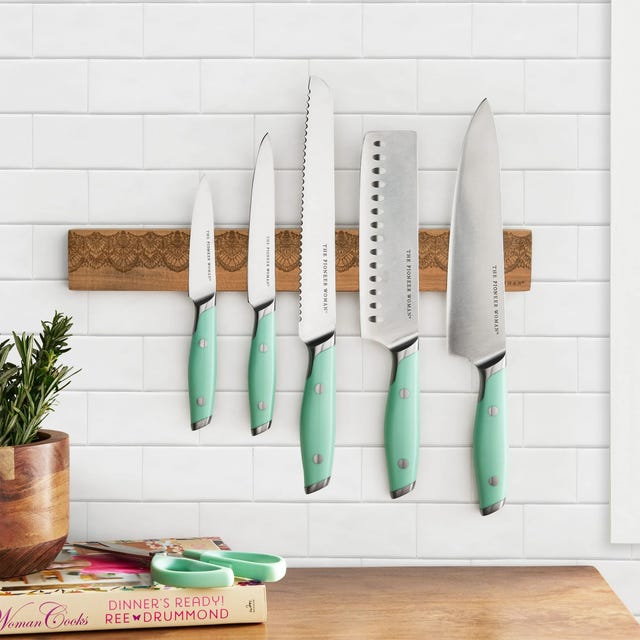
Magnetic strips are sleek and modern. They save counter space and keep knives within easy reach. Install them on a wall or backsplash. They hold knives securely with strong magnets. This method displays your knives like art. It adds a touch of elegance to your kitchen.Knife Blocks
Knife blocks are classic and functional. They store knives in individual slots. This keeps blades protected and organized. Choose blocks made of wood or bamboo. They blend well with various kitchen designs. Knife blocks are perfect for countertops. They offer quick access while cooking.Drawer Inserts
Drawer inserts are discreet and practical. They keep knives hidden yet accessible. Inserts fit into kitchen drawers, saving space. They organize knives by size and type. Choose inserts with adjustable slots. This flexibility accommodates different knife shapes. Drawer inserts maintain a clean kitchen look.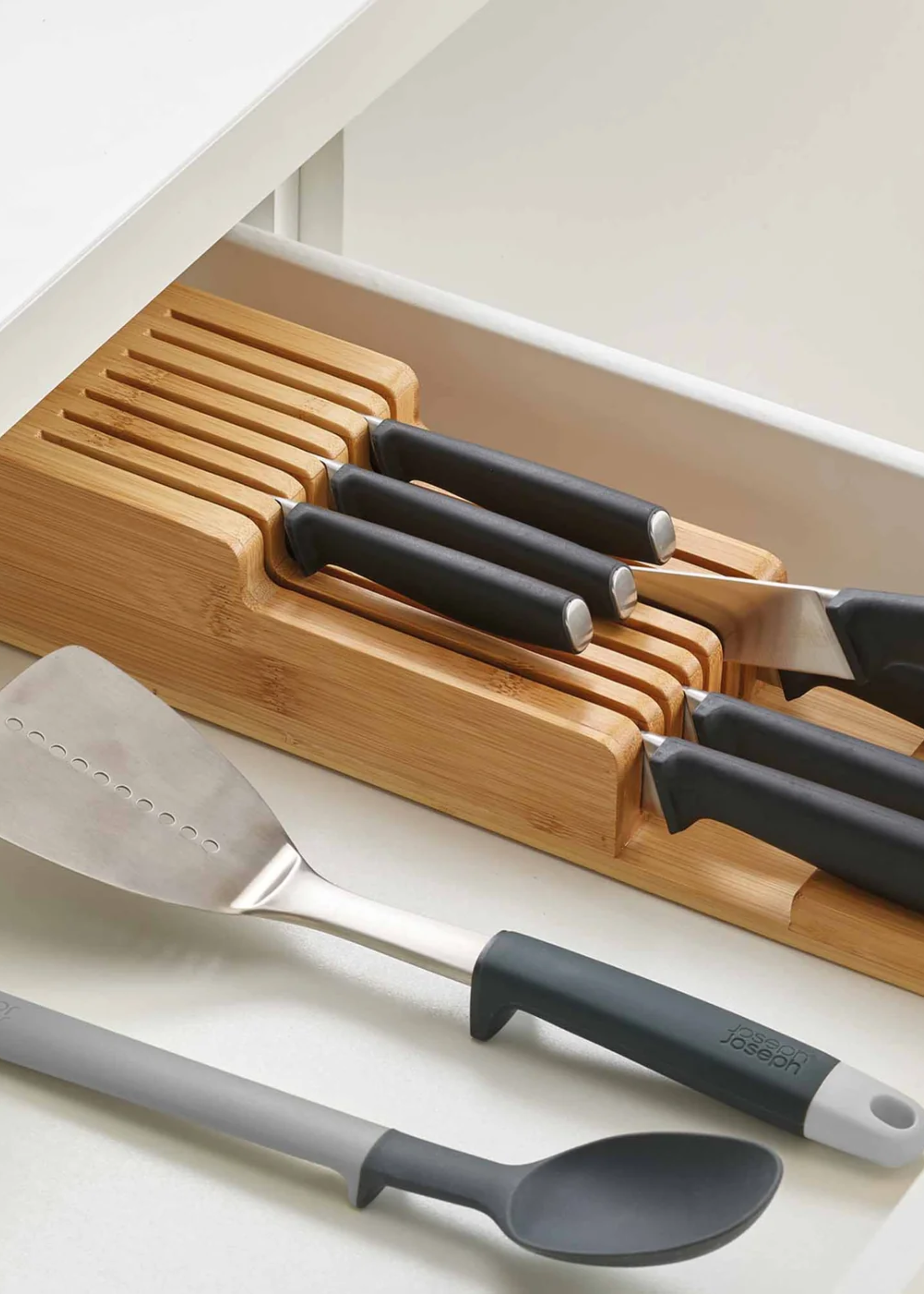
Credit: www.livingetc.com
Safety Considerations
Organizing kitchen knives safely requires proper storage to prevent accidents. Use knife blocks or magnetic strips to keep blades secure and easily accessible. Always store knives separately to avoid dulling and ensure a clutter-free workspace.
Safety is crucial when organizing kitchen knives. Properly stored knives prevent accidents. Thoughtful arrangements help maintain a safe kitchen environment.Proper Handling
Handle knives with care. Always pick up knives by the handle. Never grab a knife by the blade. Keep your fingers away from the cutting edge. Use a firm grip to prevent slipping. Clean knives after each use to avoid contamination. Dry them thoroughly before storing. Wet knives can cause accidental cuts.Child Safety Measures
Ensure knives are out of children’s reach. Use a knife block or magnetic strip for secure storage. Install child-proof locks on drawers and cabinets. Teach kids about knife safety early. Explain the dangers and importance of careful handling. Supervise children when they use knives. Consider safety knives for young learners.Maintaining Sharpness
Maintaining the sharpness of your kitchen knives is essential for efficient cooking and safety. Sharp knives make slicing and dicing effortless, reducing the risk of accidents caused by slipping. You might wonder how often you should sharpen your knives and the best techniques to keep them in tip-top shape. Let’s explore these crucial aspects of knife maintenance.
Regular Sharpening
How often do you actually sharpen your knives? It’s easy to overlook this task until your knives start struggling to cut through a ripe tomato. Sharpening should be a regular ritual in your kitchen. Consider setting aside time every month to give your knives a fresh edge.
Using a whetstone is a tried-and-true method, but electric sharpeners offer convenience if you’re short on time. Remember, consistency is key. Regular sharpening ensures your knives remain effective and safe.
Honing Techniques
Did you know honing is different from sharpening? Many people confuse the two, but honing is about aligning the knife’s edge rather than removing material. Honing can be done weekly, depending on how frequently you use your knives.
A honing steel is a handy tool for this process. It helps maintain the blade’s integrity and prolongs the time between sharpening sessions. What honing techniques do you prefer? Experiment and find what works best for your kitchen routine.
Regular honing ensures your knives perform at their best, saving you time and effort in the kitchen. Just a few minutes can make all the difference in your cooking experience.
Placement Strategies
Organize kitchen knives by using a magnetic strip on the wall. This saves counter space and keeps knives accessible. Consider a knife block or drawer insert for a neat, safe storage solution.
Organizing kitchen knives involves smart placement strategies. An organized kitchen enhances safety and efficiency. Proper knife placement can save time and keep your kitchen tidy. Let’s explore some effective strategies for placing your knives.Accessibility
Ensure knives are easy to reach while cooking. Store them near your prep area. A magnetic strip on the wall is a great option. It keeps knives visible and within arm’s reach. If you prefer, use a knife block on the counter. Make sure it’s not too far from where you chop or slice. Drawer inserts can also help, but ensure the drawer is close by.Space Optimization
Utilize vertical space to save counter area. Wall-mounted strips or pegboards can hold knives securely. Choose solutions that fit your kitchen’s layout. For small kitchens, drawer inserts maximize space. They keep knives organized without cluttering counters. Corner spaces often go unused. Consider a corner knife block to make the most of every inch.Cleaning And Hygiene
Organize kitchen knives by using magnetic strips or knife blocks to keep them accessible and safe. Store knives separately to prevent dulling and damage. Ensure a clean and tidy kitchen by maintaining proper knife storage habits.
Cleaning and hygiene are vital for maintaining kitchen knives. Proper care prevents bacteria build-up. Clean knives last longer and perform better. Ensuring knives are spotless is essential. Regular cleaning keeps them safe for use. Follow these cleaning tips to maintain hygiene.Correct Cleaning Methods
Knives should be washed immediately after use. Use warm, soapy water. Rinse thoroughly to remove food residue. Dry with a soft cloth. Avoid abrasive scrubbers. They can scratch knife surfaces. Use a gentle brush for stubborn stains. Always wash by hand. Dishwashers can damage knife edges. Separate knives during cleaning. This prevents accidental cuts.Preventing Rust And Stains
Dry knives completely after washing. Moisture leads to rust. Store knives in a dry place. Use knife blocks or magnetic strips. Ensure knives don’t touch each other. This prevents scratches and stains. Apply mineral oil for extra protection. It creates a moisture barrier. Avoid leaving knives in sinks. Water exposure encourages rust. Regular maintenance keeps knives pristine.Professional Organization Tips
Organizing kitchen knives like a pro can transform your cooking space into a functional and stylish area. Whether you’re a culinary enthusiast or a home cook, keeping your knives in order enhances efficiency and safety. Dive into these professional organization tips to sharpen your skills and streamline your kitchen.
Chef Recommendations
Top chefs recommend storing knives in a manner that maintains their sharpness and accessibility. Magnetic strips are a popular choice, allowing you to easily grab the knife you need without rummaging through drawers. These strips also keep blades from dulling, preserving the integrity of your tools.
Consider investing in a high-quality knife block. It not only organizes but also protects your knives from damage. Choose a block with varied slots to accommodate different knife sizes. This ensures each knife has a dedicated space, reducing clutter and enhancing safety.
Have you ever noticed how chefs often have their knives within arm’s reach? Keeping your knives close to your prep area saves time and effort, letting you focus on the culinary task at hand. Try arranging your kitchen space to mimic this setup.
Efficient Setup
An efficient kitchen setup goes beyond aesthetics. It’s about creating a space where everything has its place. Consider drawer inserts for storing knives if counter space is limited. They keep knives organized and minimize the risk of accidents.
Think about categorizing your knives based on frequency of use. Everyday knives should be easily accessible, while specialty knives can be stored in less prominent areas. This method not only keeps your kitchen tidy but also enhances your cooking workflow.
Ask yourself: Does your knife storage system make cooking easier and safer? If not, it might be time for a change. Implementing these efficient organization strategies can elevate your culinary experience and transform your kitchen into a chef’s paradise.
Sustainable Practices
Organizing kitchen knives sustainably involves using magnetic strips or bamboo holders to reduce clutter and ensure safety. These methods keep knives accessible while minimizing waste, helping create an efficient and eco-friendly kitchen space.
Sustainable practices in organizing kitchen knives go beyond just tidying up your kitchen space. They involve making conscious choices that benefit both your home and the planet. By opting for eco-friendly solutions, you can contribute to a greener lifestyle while keeping your kitchen functional and stylish.Eco-friendly Options
Choosing eco-friendly materials and storage options can significantly reduce your environmental footprint. Consider using magnetic knife strips made from sustainably sourced wood. These not only keep your knives easily accessible but also add a touch of natural elegance to your kitchen. Alternatively, look for knife blocks made from recycled materials. They are often stylish and offer the same level of protection for your blades as traditional blocks. Think about wall-mounted racks that make use of vertical space. This option not only saves counter space but also ensures that your knives are stored in a safe and sustainable way.Reducing Waste
Reducing waste in your kitchen organization begins with thoughtful purchasing. Instead of buying new knives, consider sharpening your existing ones. A good sharpening stone can extend the life of your knives, reducing the need for replacements. If you do need to replace a knife, think about donating your old ones. Many organizations or community centers can refurbish them for culinary training programs. Finally, avoid plastic knife covers. Opt for cloth or cork alternatives, which are biodegradable and just as effective. This small change can make a big difference in reducing plastic waste in your kitchen. By integrating these sustainable practices, you not only create a more organized kitchen but also contribute positively to the environment. How do you see these small changes impacting your daily life and the planet?
Credit: www.livingetc.com
Frequently Asked Questions
How To Store Kitchen Knives Safely?
Storing kitchen knives safely is essential to prevent accidents. Use a dedicated knife block or magnetic strip to keep them organized. Make sure blades are not exposed, and always store them away from children’s reach. Proper storage maintains sharpness and prolongs the life of your knives.
What Is The Best Way To Organize Knives?
The best way to organize knives is by using a knife block, magnetic strip, or drawer insert. These methods keep knives secure and easily accessible. Organizing by size or type further enhances efficiency during cooking. Regular maintenance and cleaning ensure knives remain in optimal condition.
Why Use A Magnetic Strip For Knives?
A magnetic strip is ideal for saving counter space and keeping knives visible. It allows for easy access and prevents blade damage. Mount it at a safe height to ensure children’s safety. This method also promotes air circulation, reducing the risk of moisture-related issues.
How Often Should I Sharpen Kitchen Knives?
Sharpen kitchen knives every few months, depending on usage frequency. Regular sharpening maintains their efficiency and safety. Use a honing steel weekly to align the blade edges. Professional sharpening services can provide a more thorough sharpening when needed.
Conclusion
Organizing kitchen knives improves safety and efficiency. A tidy knife setup saves time. Consider a magnetic strip for easy access. Knife blocks keep blades safe and within reach. Drawer inserts are excellent for small kitchens. Clean knives before storing them to extend their life.
Keep sharp tools out of children’s reach. Try different methods to find what works best for you. Regularly check and adjust your setup. This ensures your kitchen remains a safe, efficient space. Enjoy cooking with ease and confidence. A well-organized kitchen makes every meal preparation a pleasure.