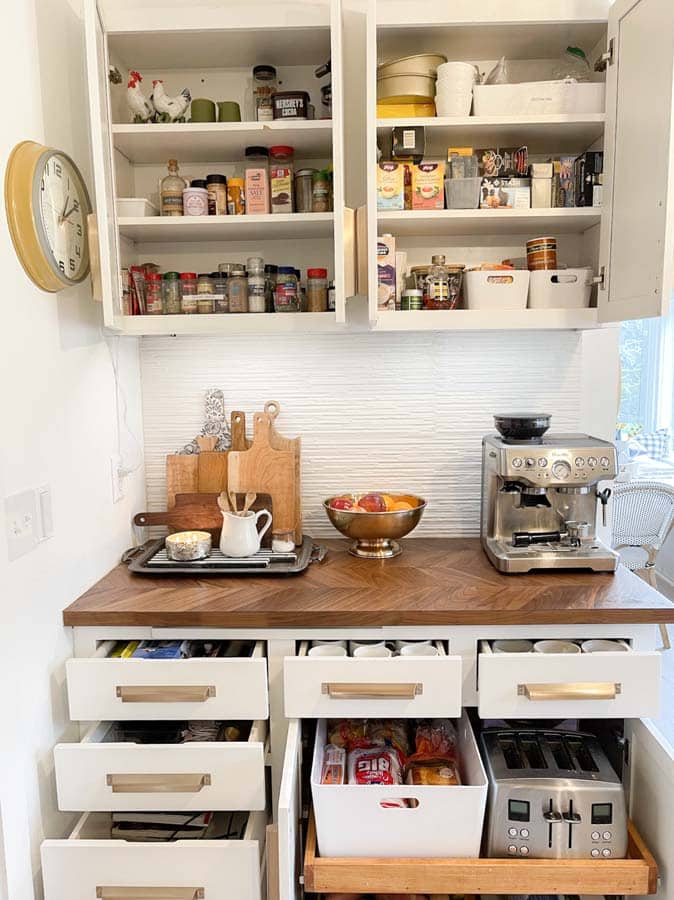
Are your kitchen drawers and cupboards a chaotic mess that leave you frustrated every time you cook or clean? You’re not alone.
Many people struggle with organizing their kitchen spaces, often feeling overwhelmed by clutter and disorganization. Imagine opening a drawer and finding exactly what you need without sifting through a jumbled mess. Picture your cupboards neatly arranged, making meal prep a breeze and saving you precious time.
You’ll discover simple, effective strategies to transform your kitchen drawers and cupboards into organized havens. These tips will not only streamline your cooking process but will also bring a sense of calm and order to your kitchen. Get ready to uncover solutions that will make your kitchen work for you, not against you. Let’s dive into creating a kitchen space that sparks joy and efficiency every day.
Credit: www.woodshopdiaries.com
Assess Your Storage Needs
Assess Your Storage Needs Evaluate available kitchen space to determine essential storage requirements. Identify frequently used items for easy access. Consider vertical storage options to maximize cupboard space.
Assessing your storage needs is a crucial first step in organizing your kitchen drawers and cupboards. Before diving into sorting and arranging, take a moment to understand what you truly need from your kitchen storage. This can be a transformative process, leading to a more functional and enjoyable cooking space.Evaluate Your Current Inventory
Begin by taking a good look at what you already have in your kitchen. Open each drawer and cupboard, and make a list of items you use daily, occasionally, and rarely. This will help you identify what truly needs to be at arm’s reach and what can be stored away.Identify Frequent Use Items
Think about your daily cooking routine. Which tools, utensils, and ingredients do you reach for most often? These should be easily accessible, ideally stored in the top drawers or front sections of cupboards. By prioritizing these items, you can streamline your cooking process and reduce unnecessary movement around the kitchen.Consider Your Cooking Habits
Everyone has unique cooking habits. Do you bake frequently, or are you more of a stovetop chef? Your storage solutions should reflect this. If baking is your passion, keep measuring cups, spoons, and baking sheets within easy reach. Tailoring your storage to your habits makes the kitchen more intuitive and enjoyable.Plan For Specialized Storage
Specialized items like large pots, blenders, or food processors often require dedicated storage space. Consider how often you use these items and allocate space accordingly. You might need a deeper drawer or a specific cupboard to accommodate these larger items without cluttering your essential everyday tools.Think About Growth
Are you planning to expand your kitchen gadget collection or try out new recipes that require different tools? Leave some room for growth in your storage plan. It’s always helpful to have a little extra space for new items that might enhance your cooking experience.Optimize Vertical Space
Sometimes the best solution is to look up. Use stackable containers or vertical dividers to maximize the height of your cupboards. This can free up significant space, allowing you to store more without overcrowding.Assess Your Lifestyle Needs
Do you host dinner parties or have a large family? Your storage needs might differ from someone who cooks for one. Consider the volume and variety of items you need to store to support your lifestyle. Tailor your kitchen organization to ensure it meets these specific demands. Reflecting on these aspects will help you craft a kitchen that not only looks tidy but also supports your daily routines efficiently. So, what does your kitchen need to better serve you?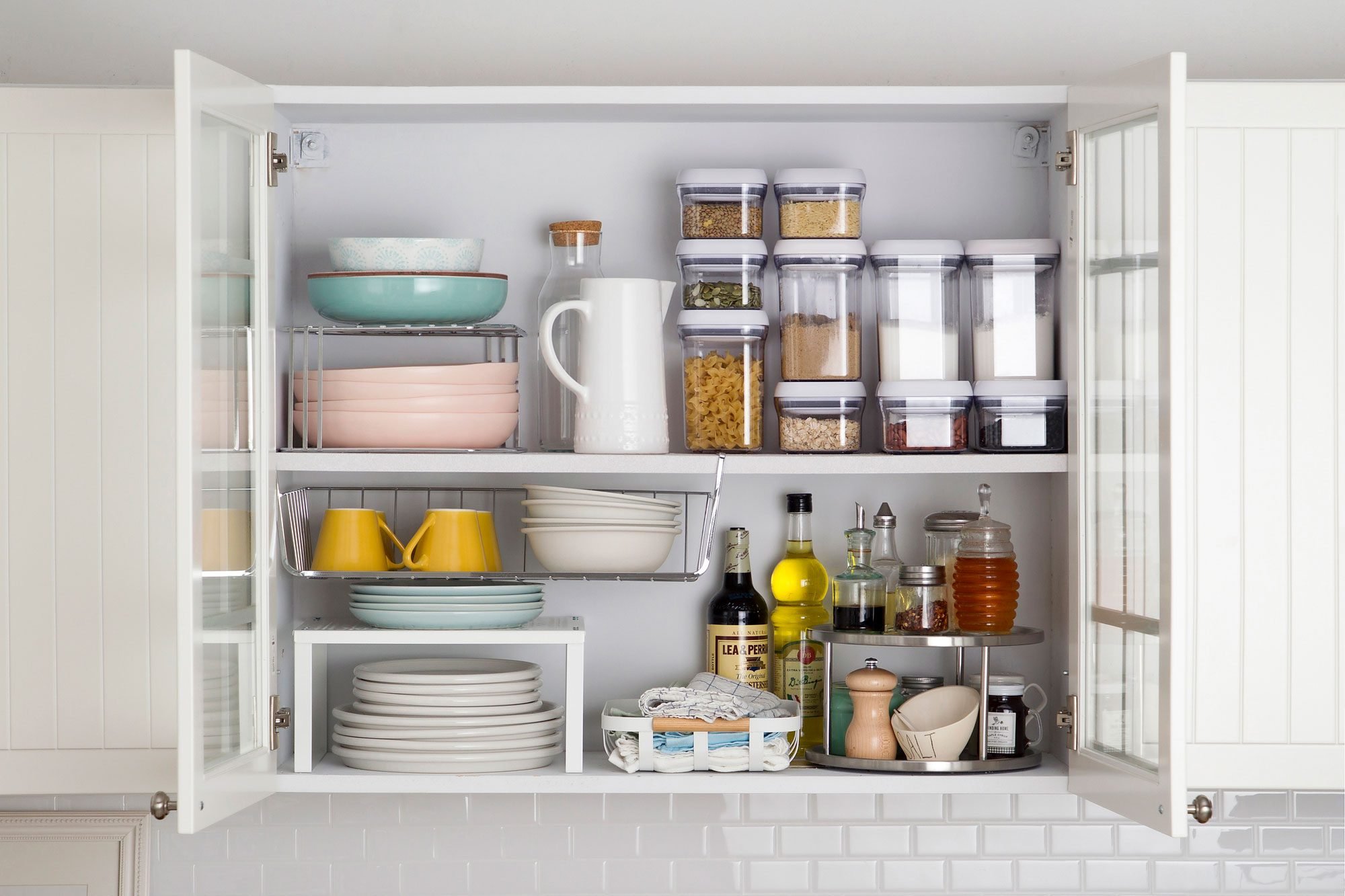
Credit: www.rd.com
Categorize Kitchen Items
Organizing kitchen drawers and cupboards can transform your cooking space. Categorizing kitchen items is key. This approach makes finding what you need easier. It also helps maintain cleanliness and order. Let’s explore how to sort your kitchen essentials effectively.
Cooking Essentials
Start with your cooking essentials. These include pots, pans, and baking trays. Keep them within easy reach. Store frequently used items at eye level. This saves time while cooking. Group similar items together. For example, stack frying pans together. Keep lids close to their respective pots. This method streamlines your cooking process.
Utensils And Cutlery
Next, focus on utensils and cutlery. Use a dedicated drawer for these items. Drawer dividers are useful here. They separate spoons, forks, and knives neatly. Place large utensils in a separate area. Consider hanging options for spatulas and ladles. This frees up drawer space. Keep cutting boards nearby for easy access.
Pantry Staples
Pantry staples deserve special attention. Store dry goods like flour, rice, and pasta together. Use airtight containers for freshness. Label containers for easy identification. Keep spices in a designated space. Use racks or small containers for organization. This ensures quick access during meal preparation.
Specialty Appliances
Finally, organize your specialty appliances. These include blenders, mixers, and food processors. Store them in cupboards with ample space. Keep cords tidy to avoid clutter. If space permits, place appliances on lower shelves. This prevents heavy lifting. Ensure these items are easily accessible for frequent use.
Maximize Drawer Space
Organize kitchen drawers and cupboards by using dividers and baskets. Group similar items together for easy access. Label containers to quickly find what you need.
Maximizing drawer space in your kitchen can transform your cooking experience. Imagine opening a drawer and instantly finding exactly what you need, without having to sift through clutter. It’s not just about fitting more into your drawers, but optimizing the space so every item has its place. Here’s how you can achieve that:Drawer Dividers
Drawer dividers are a game changer for organizing kitchen drawers. They help separate utensils, cutlery, and gadgets, ensuring each item stays in its designated spot. Consider adjustable dividers that can be tailored to fit your drawer’s size and the items you need to store. This flexibility means you can rearrange them as your needs change, keeping your drawer functional. Have you ever spent precious time searching for a specific spoon or spatula? With dividers, you can eliminate that frustration and streamline your cooking process.Stackable Solutions
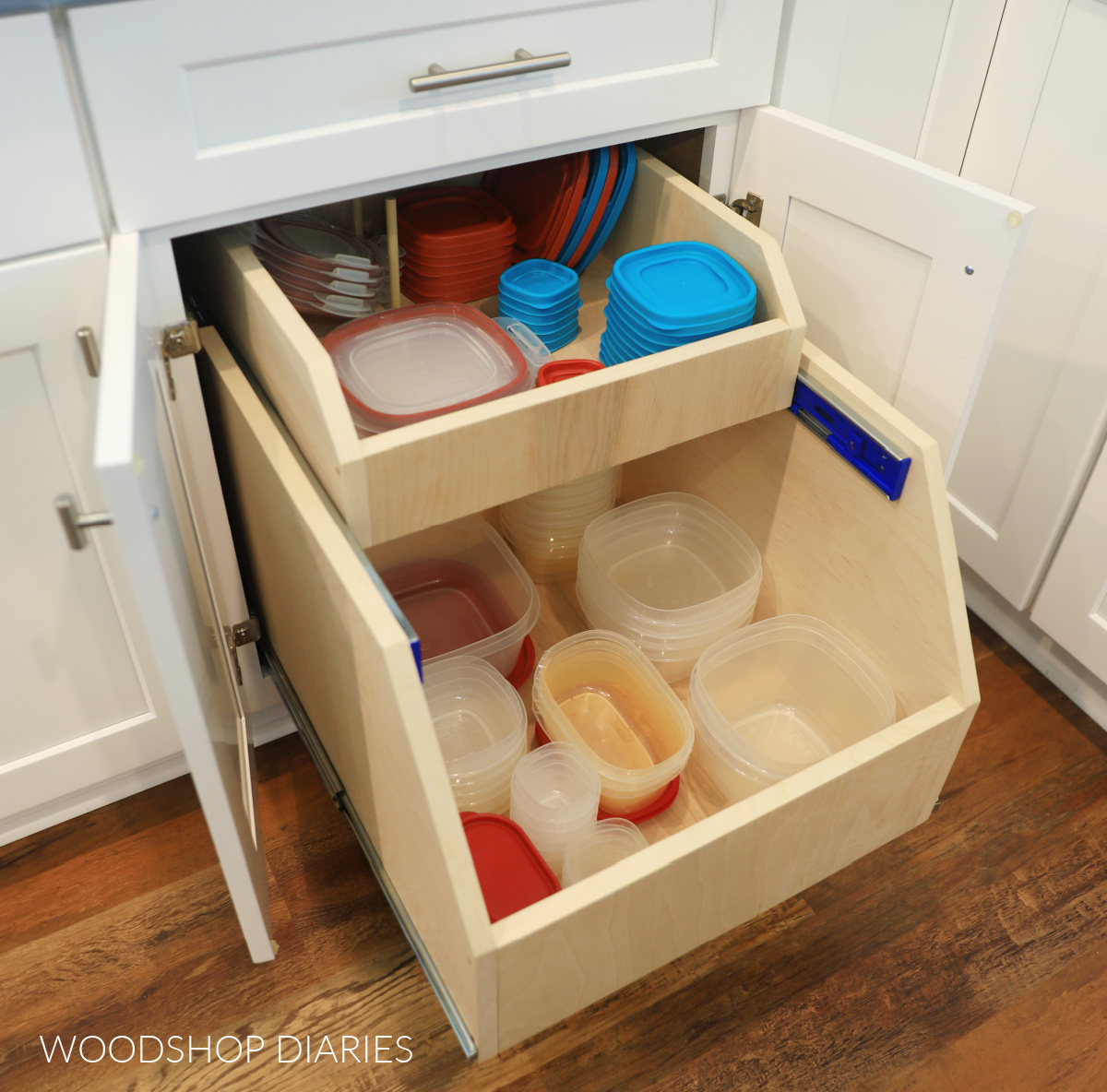
Stackable solutions can significantly enhance your drawer space. By stacking items, you utilize vertical space that often goes unused in drawers. Use stackable containers or trays for smaller items like spices, tea bags, or small gadgets. This method not only saves space but also makes it easier to access items without rummaging. Think about how much more you could store if each drawer had two levels. The possibilities are endless, and it’s a great way to keep your kitchen organized.Use Of Inserts
Inserts are perfect for customizing drawers according to your specific needs. They come in various shapes and sizes to accommodate different kitchen tools. Consider using inserts for knives, measuring spoons, or even for organizing your baking supplies. Their specialized compartments make it easy to find what you need instantly. Have you ever thought about the wasted space in your drawers? Inserts maximize every inch, making your kitchen more efficient and enjoyable. Each of these methods can transform your kitchen into an organized haven. Which one will you try first to maximize your drawer space?Efficient Cupboard Arrangements
Organizing kitchen cupboards can enhance your cooking experience. Efficient arrangements save time and reduce stress. They maximize space and keep everything within reach. Here are some practical tips to organize your kitchen cupboards effectively.
Vertical Storage
Vertical storage is a space-saver. Use tall containers for pasta and grains. Stack baking sheets and cutting boards upright. This method frees up horizontal space. It keeps items visible and accessible. Consider installing dividers for stability. Vertical storage is ideal for narrow cupboards.
Adjustable Shelves
Adjustable shelves offer flexibility. You can change the height to fit different items. This allows you to store tall bottles or small jars. Shelves can adapt to your needs. They optimize space and prevent clutter. Keep frequently used items at eye level. Adjust shelves to fit bulkier items at the bottom.
Lazy Susans And Turntables
Lazy Susans rotate for easy access. They are perfect for corner cupboards. Use turntables for spices and condiments. This keeps items organized and within reach. Turntables prevent items from getting lost at the back. They save time and reduce frustration. Choose ones that fit your cupboard space.
Prioritize Accessibility
Organizing kitchen drawers and cupboards enhances cooking efficiency. Prioritize accessibility to ensure a smooth kitchen workflow. Keep items you use frequently within easy reach. Place less-used items in less accessible spots. This simple approach saves time and reduces stress.
Frequently Used Items
Keep everyday items in the most accessible places. Store pots, pans, and utensils near the stove. Arrange spices and oils in a nearby cupboard. Utilize drawer dividers to separate cutlery and cooking tools. This setup makes meal preparation quick and easy.
Seasonal And Rarely Used Items
Store seasonal items on higher shelves or in less accessible drawers. Place holiday dishes and baking tools in upper cabinets. Use labeled bins for easy identification. This method keeps your kitchen tidy and organized all year round.
Labeling And Organizing
Efficiently organize kitchen drawers and cupboards by grouping similar items together. Use labels to identify categories and keep frequently used items accessible. Consider adjustable dividers for easy customization and maintain a tidy space.
Organizing kitchen drawers and cupboards can transform your cooking experience. A well-labeled space brings efficiency and ease to meal prep, helping you find ingredients and tools without hassle. Let’s dive into labeling and organizing techniques that will make your kitchen a more inviting and functional space.Clear Labels
Clear labeling is a simple yet powerful tool. Use a label maker or even handwritten tags to mark jars, containers, and shelves. This clarity eliminates guesswork and keeps everything in its rightful place. Think about your most-used items—are they easily accessible? Labels ensure that you never have to rummage through drawers again, saving time and reducing stress.Color-coding System
A color-coding system can elevate your organization strategy. Assign different colors to categories like spices, baking supplies, and snacks. Imagine opening a drawer and immediately spotting the red-labeled jars for baking. This visual cue speeds up the process and adds a splash of personality to your kitchen. Consider using colored tape or stickers that match your kitchen’s aesthetic. How can you make your space not only functional but also visually pleasing? By implementing these labeling and organizing strategies, you’ll create a kitchen that’s both efficient and inviting. Embrace the process and see how it transforms your daily routines.Maintain Your Organization
Maximize kitchen space by categorizing items and assigning specific spots in drawers and cupboards. Use dividers to separate utensils and stack dishes carefully for easy access. Regularly assess and declutter to maintain order.
Maintaining the organization of your kitchen drawers and cupboards is more than just a one-time effort. It’s an ongoing commitment that keeps your kitchen functional and efficient. Imagine reaching for a spatula and finding it exactly where you expected; this simple pleasure can transform daily cooking into a seamless experience. But how do you ensure your kitchen stays organized day after day?Regular Clean-outs
Regular clean-outs are essential to maintaining organization. Think of it as a routine check-up for your kitchen. Set aside time every few months to go through your drawers and cupboards. Remove items you no longer use or need. For instance, those mismatched lids without containers or the gadgets you haven’t used since last summer’s barbecue—let them go. This helps free up space for the items you use more frequently. Make it a habit to check expiration dates on pantry items. You might be surprised at what’s lurking in the back corners! Clearing out expired goods not only creates space but also ensures your family stays healthy.Seasonal Adjustments
Adjusting your storage based on the seasons can be a game-changer. As the weather changes, so do your cooking habits. Swap out summer items like popsicle molds for winter essentials like cookie cutters and slow cooker liners. Consider storing seasonal items in less accessible spaces, reserving prime real estate for frequently used items. This way, you’re not digging through holiday bakeware to find your everyday pots and pans. Why not make it a fun family activity? Encourage everyone to pick out items they associate with the current season, making the organization process enjoyable. This approach not only keeps your kitchen tidy but also aligns with your evolving culinary needs. Think about how often you’ve searched for something that seemed to vanish into the abyss of your drawers or cupboards. By incorporating regular clean-outs and seasonal adjustments, you can prevent this common frustration and maintain a kitchen that serves you well every day.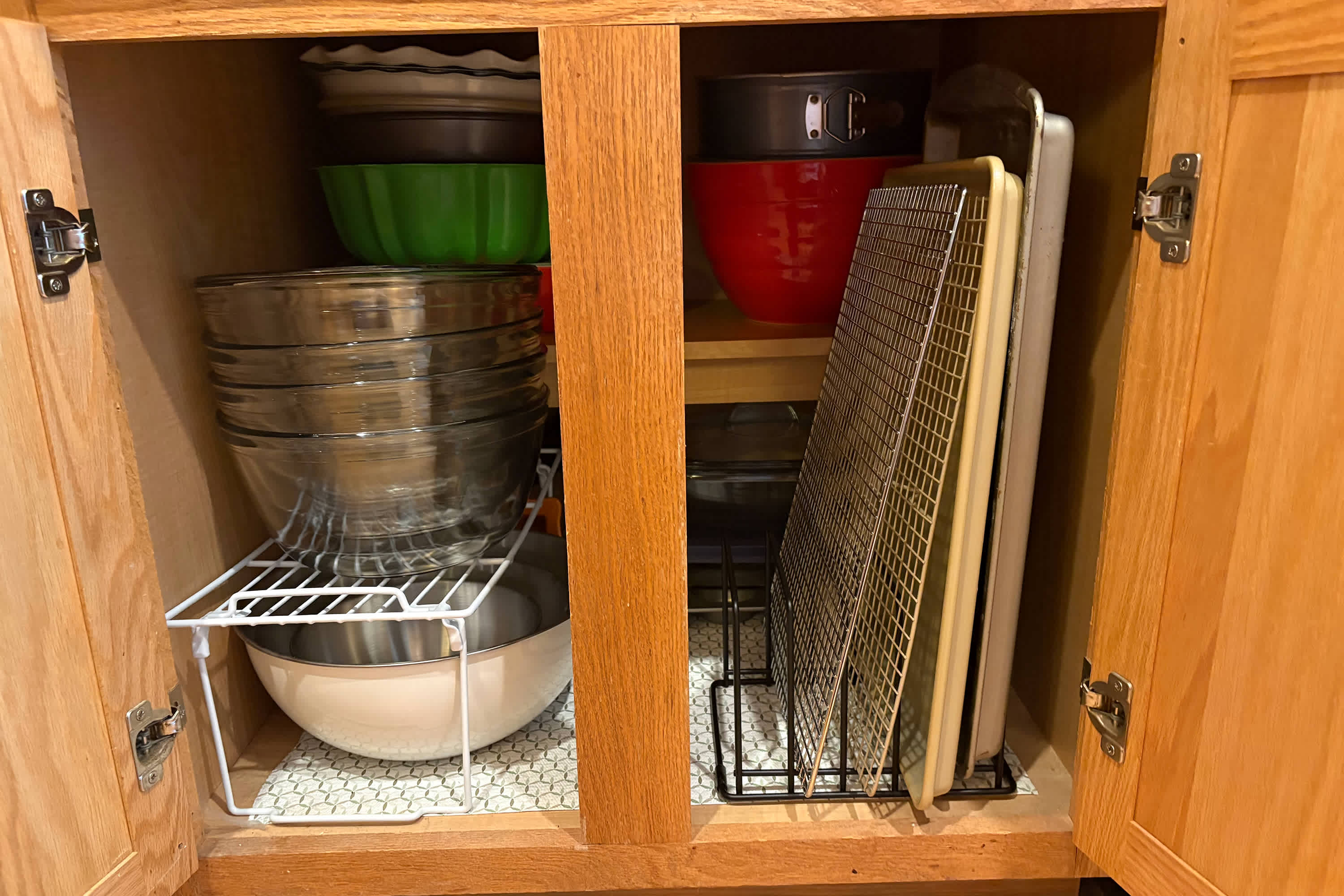
Credit: www.apartmenttherapy.com
Frequently Asked Questions
How Do I Categorize Kitchen Drawer Items?
Categorize items based on their use. Place utensils together, group gadgets, and store frequently used items in accessible spots. This method streamlines cooking and improves efficiency. Labeling sections can further enhance organization, making it easy to maintain order. Regularly review contents to ensure everything is in its rightful place.
What Are The Best Tools For Drawer Organization?
Drawer dividers and organizers are essential. They prevent items from shifting and create designated spaces for each category. Look for adjustable options to accommodate different utensil sizes. Insert trays are great for flatware, while modular compartments suit larger items. These tools maximize space and maintain order.
How Can I Organize Deep Kitchen Drawers?
Utilize stackable containers for deep drawers. They keep items visible and easily accessible. Consider using bins with handles for easy retrieval. Tiered organizers can also optimize vertical space. Regularly assess and rearrange contents to maintain functionality. Deep drawers are ideal for bulky items, so use them wisely.
How Often Should I Reorganize Kitchen Cupboards?
Reorganize cupboards every six months. This frequency ensures items are current and relevant to your needs. Regular assessment prevents clutter build-up. It also allows you to adapt the organization system as your cooking habits change. Seasonal adjustments can also optimize cupboard efficiency.
Conclusion
Organizing kitchen drawers and cupboards can simplify your cooking routine. Keep similar items together for easy access. Use dividers to separate utensils and gadgets. Label containers for quick identification. Regularly declutter to maintain order. A neat kitchen helps save time and reduces stress.
Even small changes can make a big difference. Remember, an organized space leads to a happier cooking experience. Start today and enjoy the benefits of a tidy kitchen. You’ll find cooking more enjoyable and efficient. Happy organizing!