Ever opened your kitchen cabinets only to find a chaotic jumble of food items, leaving you frustrated and overwhelmed? You’re not alone.
In our busy lives, it’s easy for things to get messy. But imagine opening your cabinets to find neatly organized shelves, where every item is easy to see and reach. It’s not just about tidiness; it’s about making your kitchen a place where cooking feels effortless and enjoyable.
When your cabinets are well-organized, you save time searching for ingredients, reduce food waste, and even make healthier choices. With a few simple strategies, you can transform your kitchen from cluttered to calm, creating a space that inspires you to whip up delicious meals with ease. Curious to know how? Let’s dive into the steps that will help you take control of your kitchen cabinets and your culinary adventures.
Assessing Kitchen Space
Assessing kitchen space helps in organizing cabinets efficiently. Store similar food items together for easy access. Use clear containers to see contents quickly and maximize space.
Assessing your kitchen space is the first step to organizing cabinets. Knowing your available space helps you utilize every nook and cranny efficiently. Start by examining the layout of your kitchen. Take note of the cabinet dimensions and the space inside them. Consider the height, depth, and width of each cabinet. This information will guide your storage choices and arrangement.Measure Cabinet Dimensions
Grab a measuring tape and jot down the size of each cabinet. Accurate measurements ensure you choose storage solutions that fit perfectly.Identify High-use Areas
Pinpoint the cabinets you use most often. These should store items you need frequently. Keep essentials within easy reach.Analyze Storage Needs
Think about the types of food you have. Do you need more space for canned goods or pantry staples? Determine if you need specific organizers or containers.Evaluate Accessibility
Check how easy it is to access each cabinet. If reaching a shelf requires a stool, consider storing less-used items there.Consider Vertical Space
Look at the vertical space in your cabinets. Shelves or stackable bins can maximize this area. Avoid wasting valuable space.Plan For Future Changes
Your storage needs may change over time. Leave some room for growth or seasonal items. This flexibility keeps your kitchen functional. Assessing your kitchen space is crucial for effective cabinet organization. It ensures every item has a designated spot and is easy to access.
Credit: www.youtube.com
Categorizing Food Items
Organize kitchen cabinets by grouping similar food items together. Store canned goods, grains, and spices in separate sections. Keep frequently used items at eye level for easy access.
Organizing your kitchen cabinets can feel like a daunting task, especially when it comes to categorizing food items. But with a little planning, you can transform your cabinets into a well-ordered space where everything has its place. Not only does this make cooking more enjoyable, but it also helps reduce food waste and save money. Imagine reaching for the perfect ingredient without rummaging through a cluttered shelf. Let’s dive into how you can categorize food items effectively.Grouping By Food Type
Start by sorting your food items into categories based on type. This means grouping all canned goods together, storing spices in one spot, and putting snacks in a separate section. By doing this, you create a logical flow in your kitchen. It simplifies meal prep and makes it easy to spot what you need at a glance.Using Expiration Dates
Arrange your food items by expiration date to ensure nothing goes bad unnoticed. Place items that expire sooner at the front, so you use them first. This practice not only saves you money but also helps you avoid the unpleasant surprise of discovering expired goods hidden at the back. Do you remember the last time you found that expired can of beans? Keeping tabs on expiration dates can prevent such situations.Designating Spaces For Daily Essentials
Reserve specific areas in your cabinets for items you use daily. This could be your breakfast cereals, coffee, or a jar of peanut butter. Having these essentials within easy reach speeds up your morning routine and keeps you from searching through layers of lesser-used items. Imagine the ease of starting your day without a scavenger hunt for your favorite granola!Optimizing Shelf Space
Maximize your shelf space by using organizers like baskets or tiered shelves. These tools help separate categories and utilize vertical space effectively. If you’ve ever found yourself stacking cans precariously, it’s time to embrace shelf organizers. They not only provide stability but also ensure you make the most of every inch.Creating A Kid-friendly Zone
If you have kids, consider dedicating a section of your cabinet to their snacks and treats. Keep it at a height they can easily reach, so they can independently grab their favorite items. This autonomy reduces interruptions when you’re busy cooking and teaches them to manage their own snack choices. Isn’t it satisfying to see them beam with pride as they make their own choices? Categorizing food items in your kitchen cabinets is about creating a system that works for you. What strategy will you try first in your kitchen?Choosing Storage Solutions
Organizing kitchen cabinets efficiently helps keep food accessible and fresh. Use clear containers for cereals and grains. Stack canned goods by type and label shelves for easy identification.
Choosing the right storage solutions for your kitchen cabinets is crucial for maintaining an organized and efficient space. With a variety of options available, selecting the ideal storage tools can transform your kitchen into a functional haven. Whether you are dealing with limited space or an abundance of ingredients, these solutions can help you maximize your kitchen’s potential.Utilize Clear Containers
Clear containers are a game changer for organizing food in kitchen cabinets. They offer visibility, allowing you to easily identify contents without opening lids. This reduces the time spent searching for specific items. Opt for stackable designs to save space and keep your shelves tidy.Incorporate Lazy Susans
Lazy Susans are perfect for corner cabinets or areas that are hard to reach. They spin effortlessly, providing easy access to spices, condiments, and smaller items. This ensures nothing gets lost in the depths of your cabinets. It’s like having a personal assistant that keeps everything within arm’s reach.Use Adjustable Shelving
Adjustable shelving gives you the flexibility to customize the space according to your needs. You can adjust the height to accommodate taller items or create more space for smaller containers. This adaptability is particularly useful when organizing irregularly shaped packages or bulk items.Employ Door Racks
Door racks are an excellent solution for utilizing unused space. They can hold everything from canned goods to snacks, freeing up shelf space for other essentials. Easy to install, these racks can be tailored to fit your specific storage needs, making them an efficient addition to any kitchen.Organize With Labels
Labeling containers and shelves helps maintain order and reduces confusion. Clear labels allow you to quickly find what you need and keep track of inventory. It’s a simple yet effective way to ensure that every item has its designated spot, preventing clutter and chaos. Choosing the right storage solutions is about making your kitchen work for you. What creative strategies have you tried in your own space?
Credit: www.hgtv.com
Labeling And Organizing
Organize kitchen cabinets by grouping similar foods together. Use clear labels for easy identification. Keep frequently used items within reach.
Organizing your kitchen cabinets can transform how you manage your cooking and meal prep time. Labeling and organizing are crucial steps to achieve a streamlined and efficient kitchen space. By clearly identifying what’s inside each container or on every shelf, you save time and reduce stress during meal preparation. Imagine opening a cabinet and immediately finding what you need. Isn’t it satisfying? Let’s dive into some practical tips to help you label and organize effectively.Labeling Essentials
Start with investing in a set of durable labels. Choose labels that are easy to write on and can withstand the kitchen environment, such as moisture and heat. Chalkboard labels, for instance, offer flexibility since you can erase and rewrite as needed. Label each container with both the contents and the expiration date. This practice helps in managing your food inventory and prevents wastage. Consider using different colored labels for different categories, such as grains, snacks, or canned goods, to make identification quick and easy.Organizing Techniques
Group similar items together. Organize all your baking supplies in one area, spices in another, and snacks separately. This method not only looks neat but also helps you find items quickly. Use clear containers for dry goods like flour, sugar, and pasta. They help you see the contents at a glance, eliminating the need to rummage through the cabinet. Stackable containers maximize space and add a tidy appearance to your cabinets.Maintaining The System
Regularly review your labeling system. Update labels as needed, especially when new items are added or when you notice worn-out labels. Set a routine check every month to ensure expired items are discarded and that your labels are still readable. This upkeep maintains an organized cabinet and ensures you are using fresh ingredients.Engage And Reflect
How often do you find yourself searching for that elusive spice or the perfect pasta for your recipe? Reflect on your current organization system. Can labeling and organizing help alleviate this common kitchen frustration? Consider involving your family in this process. It can turn into a fun activity, and when everyone is familiar with the system, it makes meal prep a collaborative effort. Share your thoughts and experiences, and see how these strategies can improve your kitchen efficiency.Utilizing Vertical Space
Maximize kitchen cabinet space by stacking cans and jars vertically. Use risers or shelf organizers to create tiers. This arrangement ensures easy access and visibility, keeping your pantry neat and efficient.
Utilizing vertical space in your kitchen cabinets can dramatically increase your storage efficiency. It’s often overlooked, yet it’s a simple way to create more room for your food items. Imagine reaching into your cabinet and finding everything neatly stacked without having to shuffle items around.Install Adjustable Shelves
Adjustable shelves allow you to customize the space based on your needs. By adding extra shelves, you can stack items like cereal boxes and canned goods vertically. This not only maximizes space but also keeps everything in sight, reducing the risk of forgetting those hidden snack packs.Use Shelf Risers
Shelf risers are a game changer in small cabinets. They create an additional layer, perfect for storing small items like spice jars or tea bags. This way, you avoid the dreaded pile-up where items in the back are forgotten.Hang Hooks For Mugs And Utensils
Hooks can be attached to the underside of shelves, freeing up surface space. Hanging mugs or small utensils keeps them accessible and organized. This not only saves space but also adds a charming display to your kitchen decor.Stackable Containers
Invest in stackable containers for dry goods like pasta, rice, and flour. These containers utilize vertical space efficiently and keep your food fresh. Plus, clear containers allow you to see what’s inside, making meal prep more manageable.Magnetic Strips For Spice Jars
Consider using magnetic strips to hold spice jars on the interior walls of your cabinets. This keeps spices organized and easy to reach. It’s a clever use of space that turns your cabinet into a mini spice rack. By rethinking how you use the vertical space in your cabinets, you can transform your kitchen into a more functional and organized area. What creative solutions have you implemented to make the most of your cabinet space?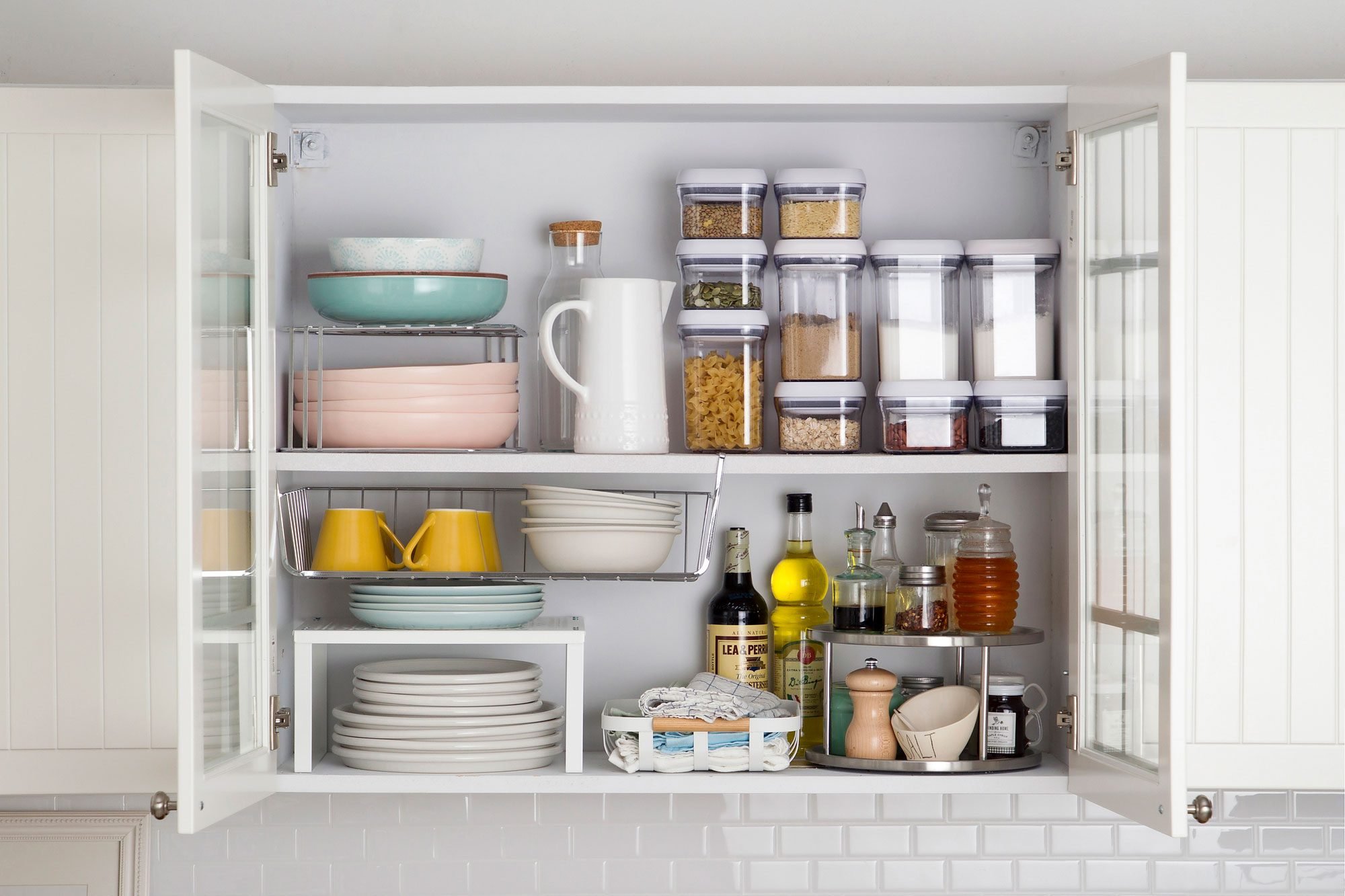
Credit: www.rd.com
Implementing Rotation System
Implementing a rotation system keeps your kitchen cabinets organized and food fresh. Place newer items behind older ones to ensure nothing gets wasted. This simple method helps maintain a tidy and efficient kitchen space.
Organizing your kitchen cabinets can be a game-changer when it comes to meal preparation. Implementing a rotation system is one efficient way to ensure that your food stays fresh and your cabinets remain tidy. This method allows you to use up older items first, preventing waste and keeping your pantry organized. Imagine opening your cabinet and knowing exactly what needs to be used next. You can save money and reduce food waste by adopting this simple system.Understanding The Rotation System
The rotation system is straightforward. It involves arranging your food items so that the oldest ones are always in the front and the newest ones are in the back. This way, you naturally reach for the items that need to be used first. Think of it as a first-in, first-out system.Benefits Of A Rotation System
There are numerous benefits to implementing a rotation system. It maximizes freshness, reduces the risk of expired food, and keeps your kitchen organized. You won’t have to deal with forgotten cans or boxes lurking at the back of your cabinet. Plus, this system helps you efficiently plan meals around the items that need to be used soon.Practical Steps To Start
To begin, take everything out of your cabinets. Group similar items together and check expiration dates. Arrange them back on the shelves, placing items with the earliest expiration dates at the front. Use labels if necessary to make this process easier. You can even make a simple chart to track what needs to be used up.Tools That Can Help
Consider using storage bins or baskets to keep items organized. Clear containers allow you to see contents easily. A lazy Susan or turntable can also be helpful for reaching items at the back without disturbing the entire shelf. These tools can streamline your rotation system and make it more effective.Staying Consistent With Your System
Consistency is key. Make a habit of checking and rotating items each time you return from grocery shopping. Encourage family members to do the same. It might seem tedious initially, but soon it will become second nature.Common Pitfalls And How To Avoid Them
A common mistake is neglecting to rotate items regularly. This can lead to expired food and cluttered cabinets. To avoid this, set reminders on your phone or calendar to check your pantry once a month. Another pitfall is buying more than you need. Plan meals ahead to avoid over-purchasing and keep your rotation system effective. Implementing a rotation system in your kitchen cabinets ensures that your food stays fresh and your space remains organized. By following these steps, you can create a more efficient and waste-free kitchen environment. Are you ready to take the plunge and transform your kitchen today?Maintaining Organization
Organize kitchen cabinets by grouping similar food items together. Use clear containers for better visibility and access. Place frequently used items at the front for easy reach.
Maintaining an organized kitchen cabinet is an ongoing process that requires intentionality and a few clever tricks. It’s not just about getting everything in order once—it’s about keeping it that way. When done right, it saves time and reduces stress, making meal prep a breeze. Imagine opening your cabinet and instantly finding what you need. Sounds like a dream, right? Let’s explore how you can make this a reality.Keep A Regular Inventory
Regularly check what you have on hand. This prevents overbuying and helps you use up items before they expire. Consider keeping a simple list on the cabinet door to jot down what’s running low.Label Everything
Labels are your best friends in a kitchen cabinet. Use them to identify contents in jars, containers, and even shelves. Clear labeling eliminates guesswork and helps everyone in the household find things easily.Use Clear Containers
Clear containers provide a visual cue of what you have. They’re perfect for dry goods like pasta, rice, and cereal. This simple switch can drastically improve cabinet aesthetics and functionality.Adjust Shelves For Flexibility
Adjustable shelves allow you to customize space according to your needs. This is particularly useful for tall items or when you need more room for a new bulk purchase. Don’t be afraid to change things up as your needs evolve.Rotate Stock
Always place newer items behind older ones. This method ensures that you’re using items before they expire. It’s a simple habit that can save you money and reduce waste.Implement A Weekly Cleanup
Dedicate a few minutes each week to tidying up your cabinets. Clear out expired items, wipe down surfaces, and reorganize misplaced items. A weekly routine keeps the task manageable and prevents clutter from building up.Get The Family Involved
Involve your family in maintaining organization. Assign specific areas for each family member to manage. This not only lightens your load but also encourages everyone to keep things tidy. By implementing these strategies, you can transform your kitchen cabinets into a model of efficiency. What’s your favorite trick for keeping kitchen chaos at bay?Expert Tips And Tricks
Organize kitchen cabinets with food using clear containers to easily see contents. Group similar items together for easy access. Label shelves to quickly find what you need.
Organizing kitchen cabinets with food can transform your cooking space from chaotic to efficient. With expert tips and tricks, you’ll not only find it easier to whip up meals but also reduce food waste and save money. The secret lies in understanding how to arrange items for easy access and maximum storage.Group Similar Items Together
Categorizing your food items is a game changer. Place all baking ingredients on one shelf and canned goods on another. This way, you quickly locate what you need and avoid buying duplicates.Use Clear Containers
Transparent containers are your best friend in the kitchen. They allow you to see contents at a glance, helping you keep track of inventory. This visibility can prevent the dreaded moment of discovering an empty pasta box mid-cooking.Label Everything
Even if you use clear containers, labeling is crucial. Include the name and expiration date on each label. This not only keeps your pantry organized but also ensures food safety.Adjust Shelf Heights
Many cabinets have adjustable shelves. Customize the height to fit taller items like cereal boxes or shorter ones like spice jars. Maximizing vertical space can significantly increase your storage capacity.Keep Frequent Items At Eye Level
Place the items you use most often at eye level for easy access. This reduces the time spent searching and minimizes disruption while cooking. Ask yourself: what do you reach for daily?Utilize Cabinet Doors
Don’t overlook the space on the inside of cabinet doors. Install small racks or hooks to store spices or hang measuring spoons. This clever use of space can declutter your shelves and keep essentials within arm’s reach.Rotate Stock Regularly
Adopt a first-in, first-out system to ensure older items are used up before newer ones. This prevents expired food from hiding at the back of the cabinet. Regularly check and rotate your stock to maintain a fresh pantry. By implementing these expert tips, you can transform your kitchen cabinets into a functional and efficient space. Remember, the goal is to make your kitchen work for you, not the other way around.Frequently Asked Questions
How Do I Categorize Food In Cabinets?
Organize food by type for easy access. Group similar items like canned goods, grains, and snacks together. Use clear containers to store loose items like pasta or rice. Label shelves or containers for quick identification. Regularly check expiration dates to ensure food freshness and safety.
What Is The Best Way To Store Spices?
Store spices in a cool, dark place to maintain freshness. Use stackable spice racks or drawer inserts to save space. Label each spice for easy identification. Keep frequently used spices at the front for quick access. Regularly check and replace expired spices to ensure flavor.
How Can I Maximize Cabinet Space?
Use vertical space by adding shelf risers. Store items in stackable containers to save room. Install hooks or racks on cabinet doors for additional storage. Rotate seasonal items to the back of the cabinet. Regularly declutter to make more room for essentials.
Should I Use Clear Containers For Food Storage?
Yes, clear containers help identify contents easily. They allow you to see what’s inside without opening them. Clear containers are stackable, saving space. They help prevent spills and keep food fresh longer. Use labels for quick identification and organization.
Conclusion
Organizing kitchen cabinets with food can be simple and effective. Start with a plan. Group similar items together. Use clear containers for easy visibility. Label everything for quick access. Arrange frequently used items at the front. Keep heavy items on lower shelves for safety.
Regularly check expiration dates. Donate unwanted food to reduce clutter. A tidy kitchen saves time and reduces stress. Enjoy a cleaner, more efficient cooking space. Happy organizing!