Do you often find yourself rummaging through cluttered kitchen cabinets, trying to locate that elusive spice jar or the right lid for your pot? If your kitchen cabinets feel more like a chaotic puzzle than a well-organized space, you’re not alone.
The good news is that transforming your kitchen storage into a haven of efficiency isn’t as daunting as it seems. Imagine the ease of cooking with everything at your fingertips, neatly arranged and accessible. By organizing your kitchen cabinets efficiently, you can not only save time but also enhance your culinary experience.
This article will guide you through straightforward steps to streamline your kitchen space, making every meal preparation a breeze. Let’s dive in and discover how you can turn your kitchen cabinets into a model of organization and efficiency.

Credit: designthusiasm.com
Sorting And Decluttering
Organize kitchen cabinets efficiently by grouping similar items together and using clear containers for easy access. Maximize space with adjustable shelves and stackable organizers. Regularly declutter to maintain order and ensure everything has a designated spot.
Sorting and decluttering your kitchen cabinets can transform your cooking space. A tidy kitchen makes meal preparation smoother and more enjoyable. Start by clearing out what you don’t need. This helps you see what’s essential. Focus on creating a streamlined space.Assessing Inventory
Begin by taking everything out of your cabinets. Place items on the counter or table. This gives you a clear view of what you have. Check expiration dates on food items. Look at the condition of your cookware and utensils. Decide what items you use regularly. These should be easily accessible in your cabinets.Eliminating Unnecessary Items
Identify items you rarely use or duplicates. Decide what can be donated or discarded. Be honest about what you need. Remove broken or damaged items. This frees up space and keeps your kitchen functional. Consider seasonal items. Store them elsewhere if you use them less frequently.Categorizing Kitchen Items
Organizing kitchen cabinets efficiently begins with categorizing your kitchen items. This step is crucial for creating a streamlined space where everything is easy to locate and access. By categorizing, you can transform your kitchen into a more functional and enjoyable area to work in. Let’s dive into some effective strategies for grouping and designating your kitchen essentials.
Grouping Similar Items
Start by grouping items that serve a similar purpose. Think about how you use your kitchen items daily. Do you often reach for baking supplies? Place flour, sugar, and baking powder together. Love brewing coffee? Keep your coffee filters, mugs, and beans in one spot.
Grouping similar items can significantly reduce the time spent searching through cabinets. It also makes restocking supplies easier, as you can quickly see what needs replenishing. Consider labeling shelves for extra clarity.
Designating Specific Zones
Once you’ve grouped your items, designate specific zones within your cabinets. Assign each zone based on your cooking habits. You might have a ‘baking zone’ with all your baking tools or a ‘meal prep zone’ with cutting boards and knives.
Designating zones helps maintain order and maximizes your cabinet space. It also encourages every family member to return items to their designated spot. Ask yourself: could a dedicated zone for spices streamline your cooking process?
Imagine opening a cabinet and instantly spotting what you need—no rummaging required. With a little planning and thoughtful categorization, your kitchen cabinets can become a haven of efficiency and ease.
Maximizing Space Utilization
Organize kitchen cabinets efficiently by categorizing items and using vertical space. Utilize stackable containers to save room and keep similar items together. Adjustable shelves can help accommodate larger or oddly shaped items, ensuring everything has a designated place.
Maximizing Space Utilization in your kitchen cabinets means creating a clutter-free environment. Efficient use of space allows easier access and enhances the overall functionality of your kitchen. These strategies will help you make the most of every inch.Utilizing Vertical Space
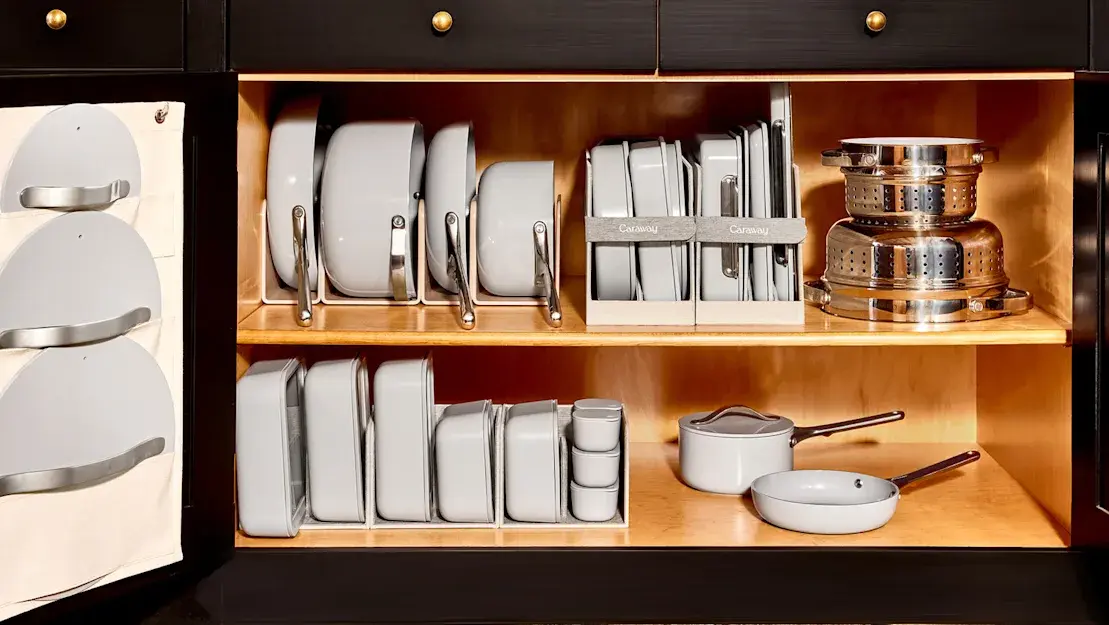
Use the height of your cabinets effectively. Install adjustable shelves to accommodate different sizes of items. Consider placing hooks or racks on the inside of cabinet doors for hanging utensils or mugs. Tall containers and canisters can also store items vertically, saving horizontal space.Employing Stackable Solutions
Stackable containers are perfect for organizing food and kitchen essentials. Choose containers that fit well in your cabinets and stack easily. Use nesting bowls and pots to minimize space usage. Stackable racks can hold plates or pans without wasting space.
Credit: thecrownedgoat.com
Choosing Organizational Tools
Efficiently organizing kitchen cabinets begins with selecting the right tools. Use stackable containers to save space. Label each container for easy identification. Install adjustable shelves to customize storage. Keep frequently used items within reach. Organize by category to simplify cooking tasks.
Choosing the right organizational tools is key to a tidy kitchen. Efficient tools help maximize space and keep items accessible. They transform cluttered cabinets into neat, functional spaces. Explore the best options to fit your needs and kitchen style.Selecting Baskets And Containers
Baskets and containers are ideal for grouping similar items. They prevent clutter and make retrieval easier. Choose clear containers to see contents at a glance. Label each container for quick identification. Use baskets for items like snacks, which can be hard to stack. Stackable containers save space and keep cabinets tidy. Opt for airtight containers to keep food fresh and safe.Incorporating Drawer Dividers
Drawer dividers keep utensils and tools organized. They prevent items from shifting and getting tangled. Adjustable dividers fit any drawer size, offering flexibility. Use them for cutlery, spatulas, and small gadgets. Choose dividers with slip-resistant bases for stability. This ensures everything stays in place when you open and close drawers. Dividers also work well for organizing baking sheets and cutting boards.Labeling And Accessibility
Organizing kitchen cabinets can enhance your cooking experience. Proper labeling and accessibility make it easier to find items quickly. This approach saves time and reduces stress during meal preparation. Efficient cabinet organization leads to a more functional kitchen space.
Effective Labeling Techniques
Use clear labels for all containers and shelves. This helps you identify items at a glance. Consider using a label maker for a neat look. Ensure the font is large and easy to read. Choose waterproof labels for durability in humid environments. Color-coded labels can also help categorize items by type or frequency of use. For example, use blue for baking goods and red for spices.
Ensuring Easy Reach
Place frequently used items at eye level or within easy reach. This minimizes bending or stretching. Store heavy pots and pans on lower shelves. This prevents strain and potential accidents. Use pull-out shelves or lazy Susans for deeper cabinets. These solutions improve access to items at the back. Install hooks or racks inside cabinet doors for additional storage. This maximizes space for small utensils or lids.
Credit: www.carawayhome.com
Maintaining Organized Cabinets
Efficiently organize kitchen cabinets by grouping similar items together. Use containers to maximize space and visibility. Label shelves for easy access and maintenance.
Maintaining organized kitchen cabinets is crucial for a tidy kitchen space. It saves time during meal preparation and makes cleaning easier. Regular attention to your cabinets ensures they remain clutter-free and functional. Here are some tips to keep your cabinets in top shape.Regular Cleanups
Schedule monthly cleanups to maintain order. Remove items and wipe shelves with a damp cloth. Check for expired food and dispose of them. Place items back neatly, grouping similar ones together. Use trays or bins to organize smaller items. Regular cleaning prevents clutter buildup.Adjusting System As Needed
Evaluate your system every few months. Notice what works and what doesn’t. If a shelf feels crowded, rearrange items for better access. Consider adding dividers for more structure. Make sure everything has a designated spot. Adjustments keep the cabinet layout practical and efficient.Frequently Asked Questions
How Do I Start Organizing Kitchen Cabinets?
Begin by emptying all your cabinets. Sort items into categories like spices, cookware, and utensils. Clean the shelves thoroughly. Discard expired or unused items. Plan storage based on frequency of use. Place everyday items in accessible spots. Utilize organizers and dividers for efficiency.
What Are The Best Tools For Organizing Cabinets?
Use shelf risers, lazy Susans, and drawer dividers. They maximize space and keep items organized. Clear containers help identify contents quickly. Adjustable racks fit various items. Labels ensure everything has a designated spot. These tools enhance accessibility and maintain order.
How Can I Maximize Cabinet Space?
Utilize vertical space with stackable shelves. Install hooks inside doors for hanging small items. Use tension rods to create dividers. Consider pull-out shelves for easy access. Optimize by placing seldom-used items at the back. This maximizes storage while keeping essentials handy.
How Often Should I Reorganize Kitchen Cabinets?
Reorganize every six months for optimal efficiency. Regularly assess what you use and need. Adjust storage solutions based on your current cooking habits. Seasonal changes may require different tools and ingredients. Consistent organization ensures a clutter-free and functional kitchen.
Conclusion
Organizing kitchen cabinets can make life easier. Start small. Tackle one cabinet at a time. Use baskets and dividers for grouping items. Label containers for quick access. Stack similar items together. Keep frequently used items within reach. Donate or discard unused items.
Regular cleaning keeps cabinets tidy. A well-organized kitchen saves time and reduces stress. Cooking becomes more enjoyable when everything is in its place. Embrace these tips to maintain a clutter-free kitchen. Enjoy the newfound order and simplicity. Happy organizing!