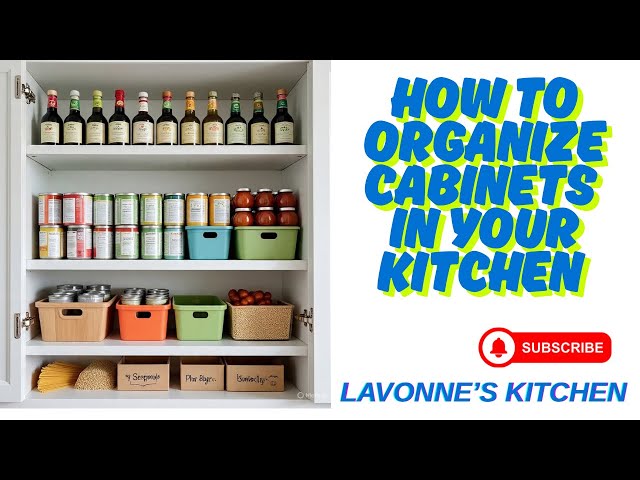
Imagine opening your kitchen cabinets and finding everything neatly organized, easy to access, and ready for your next culinary adventure. Sounds like a dream, right?
Yet, achieving this level of orderliness is entirely possible, and it starts with understanding how to organize food in your kitchen cabinets effectively. You might be wondering why this is important. Well, a well-organized kitchen not only saves you time and reduces stress but also helps you make healthier food choices.
When you can see and access all your ingredients easily, you’re more likely to cook at home rather than opting for takeout. You will discover simple and practical tips to transform your kitchen cabinets from chaotic storage spaces into well-organized havens. Whether your kitchen is large or small, these strategies will help you maximize space, maintain freshness, and streamline your cooking process. So, if you’re ready to revamp your kitchen and make your culinary life easier, keep reading. Your future self will thank you for the time and energy you’ll save!

Credit: www.amazon.com
Kitchen Cabinet Essentials
Organize food in kitchen cabinets by grouping similar items together. Place frequently used items within easy reach. Use clear containers to see contents quickly. Keep heavier items on lower shelves for safety. Regularly check expiration dates to reduce clutter.
Organizing your kitchen cabinets can transform your cooking experience from chaotic to delightful. By focusing on kitchen cabinet essentials, you not only save time but also make meal prep a breeze. Let’s dive into the must-have tools and gadgets, along with key ingredients to stock, so you can streamline your kitchen space effectively.Must-have Tools And Gadgets
Equipping your kitchen with the right tools makes all the difference. Start with quality knives—having a chef’s knife, a paring knife, and a serrated knife covers most of your cutting needs. Add a sturdy cutting board and a reliable set of measuring cups and spoons. Consider space-saving gadgets like a multi-functional grater or a hand blender. These tools can handle multiple tasks without crowding your cabinet. Do you have a favorite kitchen gadget that you can’t live without? Share it with us in the comments!Key Ingredients To Stock
Stocking your cabinets with essential ingredients ensures you’re always prepared for any recipe. Keep staples like flour, sugar, and salt in airtight containers to maintain freshness. Include a variety of oils, such as olive and vegetable, for different cooking needs. Don’t forget spices! A well-stocked spice rack with essentials like pepper, cumin, and cinnamon can elevate the simplest dishes. What’s the one ingredient you always keep in your kitchen? Let us know your go-to pantry item!Categorizing Food Items
Organizing food in your kitchen cabinets can transform your cooking experience. A well-categorized kitchen means you can find ingredients in seconds, and you’re less likely to buy duplicates of items you already own. The key to efficient kitchen organization is categorizing your food items in a way that suits your lifestyle and cooking habits. Let’s dive into how to group pantry staples and sort spices and herbs effectively.
Grouping Pantry Staples
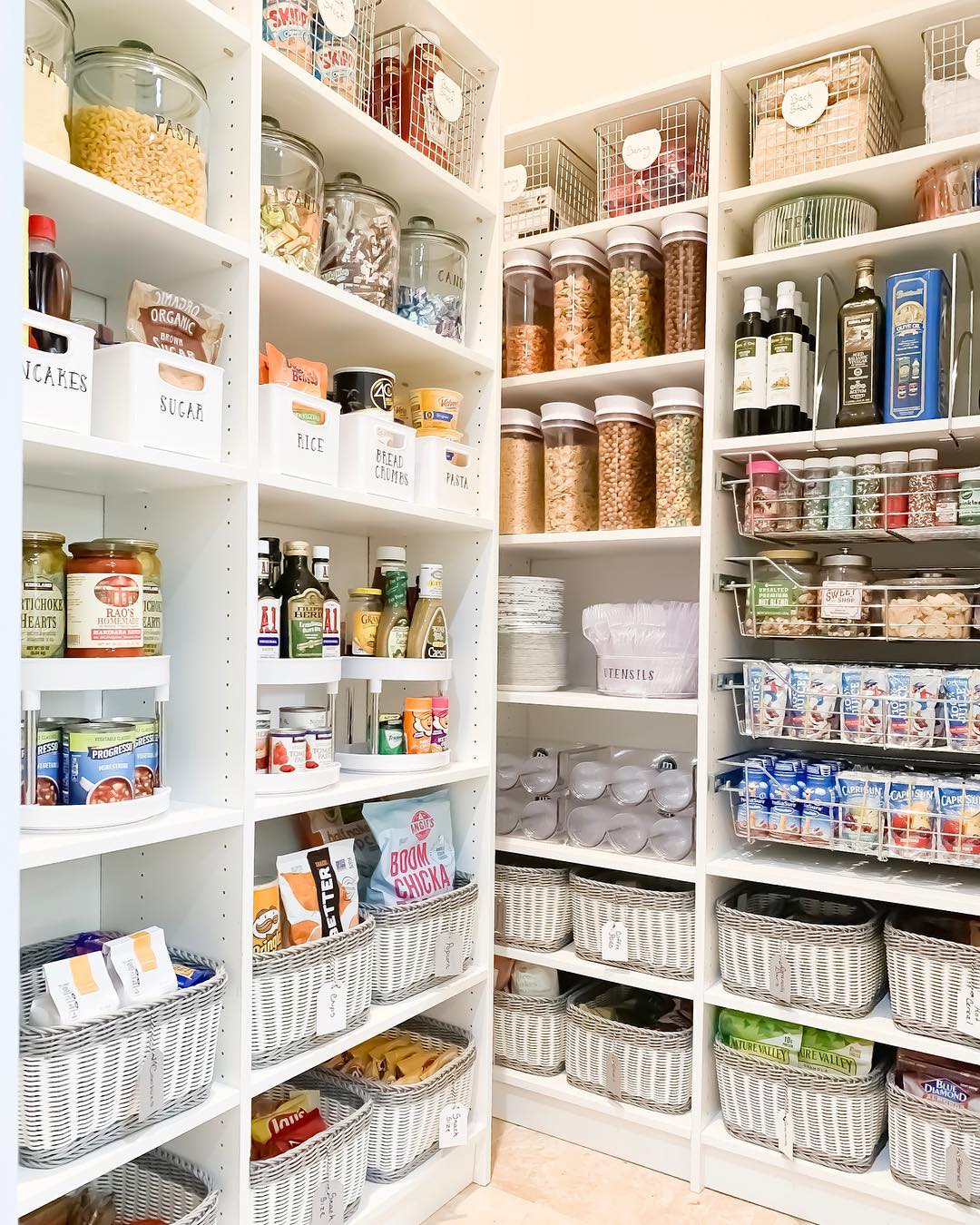
Begin by assessing the pantry staples you use most frequently. Common categories include grains, canned goods, snacks, and baking supplies. Consider placing these items in clear, labeled containers. This not only helps you identify items at a glance but also keeps them fresh longer.
- Grains:Store rice, pasta, and quinoa together. Use stackable containers to maximize space.
- Canned Goods:Arrange them by type, like soups, beans, or vegetables. Place newer cans behind older ones to ensure you use them in order.
- Baking Supplies:Keep flour, sugar, and baking powder together. Consider a dedicated baking shelf if space allows.
Think about how often you use certain items and place them at eye level for easy access. Are there items you rarely use? Store them on a higher or lower shelf to keep prime spaces available for daily essentials.
Sorting Spices And Herbs
Spices and herbs are crucial for adding flavor to your dishes, yet they can easily become disorganized. Start by sorting them alphabetically or by type—herbs, spices, and blends. This categorization can save you time during meal prep.
- Alphabetical Order:This is ideal if you have a large variety. It makes locating specific spices quick and efficient.
- Type Grouping:If you often cook specific cuisines, consider grouping spices by type, such as Italian, Mexican, or Asian.
A spice rack or drawer organizer can be invaluable for maintaining order. Do you have spices you haven’t used in a year? It might be time to toss them. Fresh spices and herbs enhance flavor far better than those that have lost their potency.
With these strategies, your kitchen cabinets can become a well-organized space that encourages cooking creativity. How will you personalize your pantry organization to make your cooking more enjoyable?
Maximizing Cabinet Space
Organizing your kitchen cabinets can transform your cooking experience. Efficient use of space makes finding ingredients quick and easy. Learn how to make the most of your cabinet space with smart solutions.
Utilizing Shelving Solutions
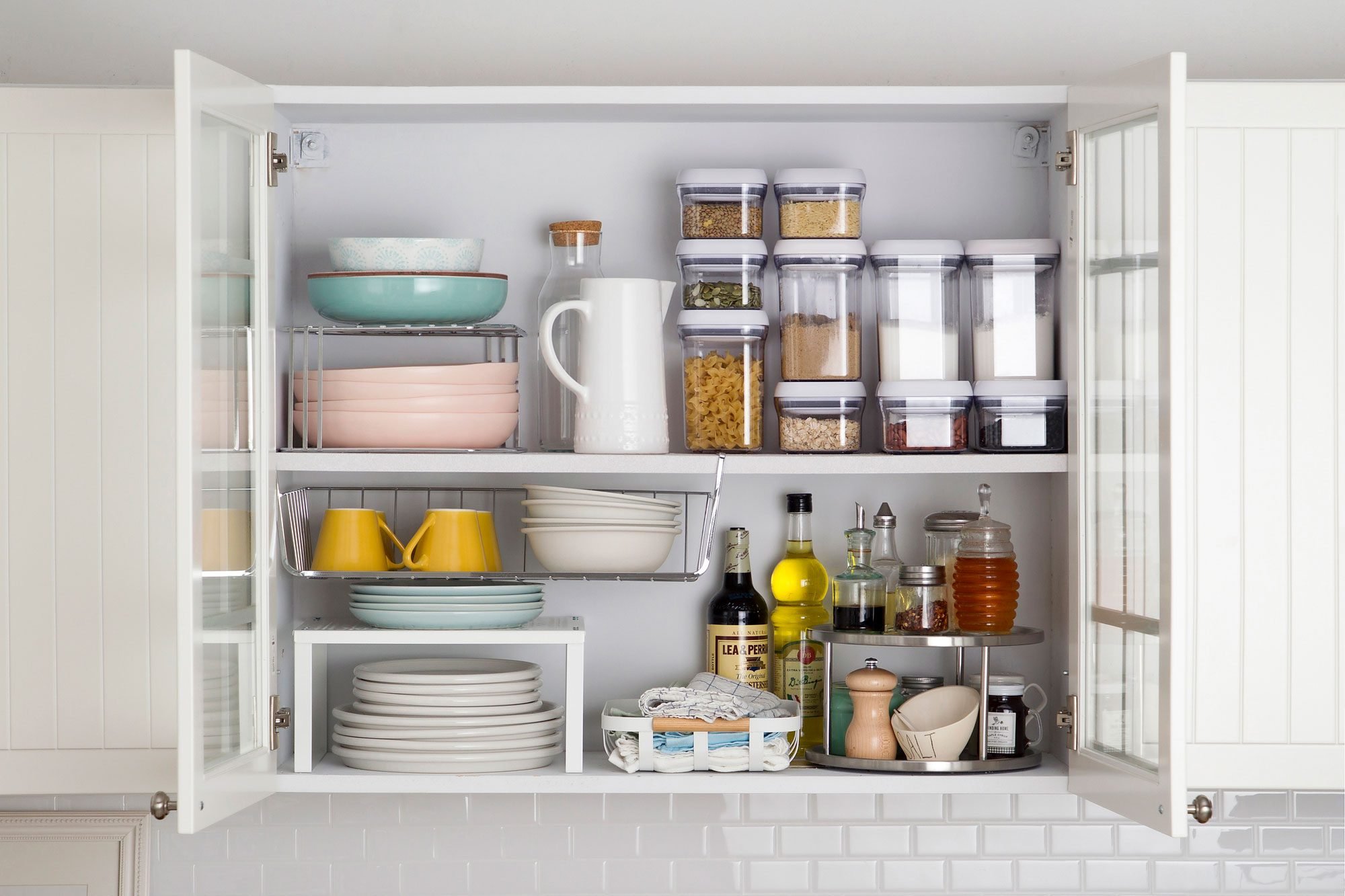
Install adjustable shelves to fit different items. This flexibility helps in storing both tall bottles and small jars. Consider adding stackable shelves. These create additional layers within a single cabinet. Use tension rods as dividers. They keep baking sheets or trays upright. A lazy Susan can also help. It allows you to access items in deep cabinets easily.
Incorporating Storage Bins
Storage bins are versatile and affordable. Use clear bins for easy visibility. Label each bin to quickly identify contents. Place similar items together. This reduces search time. Opt for stackable bins to maximize vertical space. Slide-out bins can make accessing the back of the cabinet easier. They act like drawers, bringing items to you.
Credit: www.rd.com
Labeling And Inventory
Organizing food in kitchen cabinets can improve efficiency. Labeling and inventory are key components. They help keep track of items, making cooking easier and reducing waste. Proper labels let you quickly identify ingredients. An inventory list reminds you of what needs restocking. Both techniques enhance kitchen management.
Effective Labeling Techniques
Labels should be clear and easy to read. Use waterproof markers or printed labels. Include expiration dates and purchase dates. This ensures freshness and prevents spoilage. Consider color-coded labels for different food groups. For example, use green for vegetables and red for meats. This visual system speeds up finding items.
- Use clear containers for easy identification.
- Place labels on the front of jars and cans.
- Choose font size that’s readable from a distance.
Maintaining An Inventory List
An inventory list helps track stock levels. Keep it updated with every shopping trip. Use a digital app or a simple notebook. List items by category like dairy, grains, or spices. Include quantities and purchase dates. Regularly check and update the list to match your cabinet contents.
- Group items in logical categories.
- Note when items are used or replaced.
- Cross-reference with your grocery list.
These practices bring order to your kitchen. They save time and reduce stress. A well-organized kitchen cabinet makes cooking more enjoyable.
Regular Cleaning Routine
Keeping your kitchen cabinets clean ensures organized and fresh food storage. A regular cleaning routine prevents dust and grime buildup. It also helps in identifying expired items. Set a consistent schedule to make cleaning manageable and stress-free.
Schedule For Cabinet Clean-up
Create a monthly or bi-monthly cleaning schedule. Choose a day when you can focus on the task. Allocate enough time to empty, clean, and restock your cabinets. This routine prevents overwhelming clutter and maintains hygiene. Mark your calendar to remind yourself of cleaning days. Consistency keeps your kitchen neat and organized.
Tips For Maintaining Cleanliness
- Wipe spills immediately to prevent stains.
- Use shelf liners for easy cleaning.
- Organize items by category for quick access.
- Store frequently used items at eye level.
- Rotate pantry items to use older products first.
- Regularly check for expired or stale foods.
- Install cabinet organizers to maximize space.
Incorporating these tips into your routine simplifies kitchen maintenance. A clean kitchen makes cooking more enjoyable and efficient.
Credit: www.extraspace.com
Expert Organization Tips
Organizing your kitchen cabinets can transform your cooking space. It helps you find ingredients quickly. With expert organization tips, you can maximize space and efficiency. A well-organized kitchen makes cooking more enjoyable. Here, we share practical insights from professionals. Learn what works best for your cabinets.
Professional Insights
Experts suggest categorizing your food items. Group similar items together. For instance, place all baking supplies in one area. Use clear containers for grains and pasta. Label each container for easy identification. Store frequently used items at eye level. This saves time during meal prep.
Consider using shelf risers. These help utilize vertical space. Install pull-out drawers for easy access. They work well for deep cabinets. Magnetic strips can hold metal lids. This keeps them organized and easy to find.
Common Mistakes To Avoid
Avoid overcrowding your cabinets. This leads to disorganization. It becomes hard to find what you need. Do not store heavy items on top shelves. This can be dangerous. Keep spices away from heat sources. They lose flavor when exposed to heat.
Do not forget to declutter regularly. Remove expired or unused items. This frees up space for essentials. Avoid storing items in original packaging. Transfer them to uniform containers. This makes your cabinets look neat and tidy.
Frequently Asked Questions
How Do I Maximize Space In Kitchen Cabinets?
To maximize space, use stackable containers and shelf risers. Group similar items together for easy access. Consider installing pull-out shelves or lazy Susans. Utilize cabinet doors with hooks or racks for additional storage. Regularly declutter to keep cabinets organized and efficient.
What Foods Should Be Stored In Cabinets?
Store non-perishable foods like canned goods, grains, and spices in cabinets. Keep oils, vinegars, and baking supplies in a cool, dry area. Avoid placing items like bread or fresh produce in cabinets to maintain freshness. Organize by expiration date to ensure older items are used first.
How Should I Organize Spices In Cabinets?
Organize spices by frequently used, alphabetically, or by cuisine type. Use a spice rack, drawer inserts, or tiered shelves for visibility. Label jars for easy identification. Keep spices away from heat and light to maintain freshness. Regularly check for expired spices and replace as needed.
What Is The Best Way To Store Pots And Pans?
Store pots and pans on pull-out shelves or in deep drawers. Use dividers to prevent scratching. Hang them on a rack if space allows. Nest smaller pans together to save room. Keep lids organized using a dedicated lid rack or mount them on cabinet doors.
Conclusion
Organizing kitchen cabinets can make cooking easy. Start with grouping similar items. This helps you find things quickly. Use clear containers for grains and snacks. Label them for clarity. Keep heavy items on lower shelves. Safety first. Regularly check expiry dates and clean shelves.
This prevents waste and keeps your kitchen fresh. A tidy kitchen saves time. It reduces stress too. Arrange your cabinets today. Enjoy a smoother cooking experience. Happy cooking!