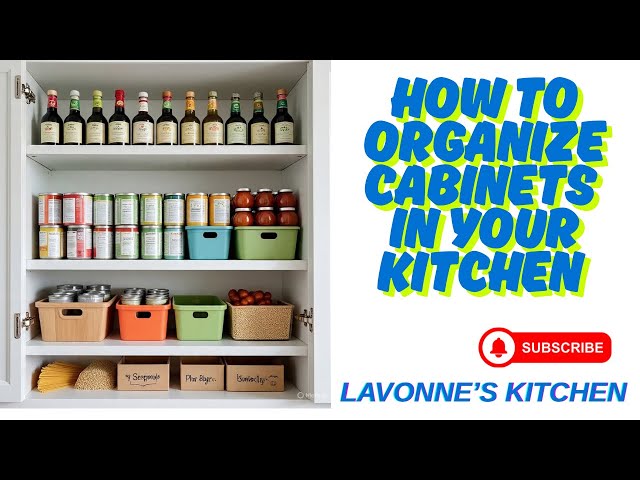
Are you tired of rummaging through cluttered kitchen cabinets, trying to find that elusive spice or ingredient? You’re not alone.
A well-organized kitchen can transform your cooking experience, saving you time and reducing frustration. Imagine effortlessly locating everything you need, right at your fingertips. Whether you’re preparing a quick dinner or hosting a dinner party, having a streamlined system can make all the difference.
You’ll discover practical tips and strategies to organize your kitchen cabinets effectively, turning chaos into calm. Get ready to unlock the secret to a more efficient and enjoyable cooking space. Keep reading to learn how you can achieve this culinary harmony in your own home.
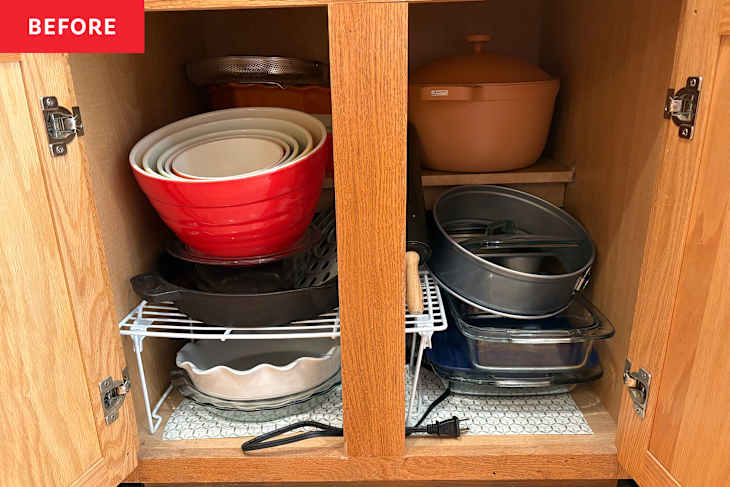
Credit: www.apartmenttherapy.com
Assessing Your Kitchen Space
Assessing your kitchen space helps to organize food in cabinets efficiently. Categorize items by type and frequency of use. Store frequently used items in easy-to-reach areas for convenience.
Assessing your kitchen space is the first step toward a more organized and efficient cooking area. Understanding your kitchen’s layout can help you maximize storage and reduce clutter. This process involves measuring your cabinet dimensions and identifying high-use areas, ensuring you can store items where they make the most sense.Measuring Cabinet Dimensions
To get started, you’ll need to measure the interior of each cabinet. Use a tape measure to note the height, width, and depth. Consider using a notebook or a digital note-taking app to store this information. This will be handy when buying organizers, as you’ll know exactly what fits. Think about how different items fit these dimensions. Tall items like cereal boxes might need a different space than shorter items like spice jars.Identifying High-use Areas
Identify which areas of your kitchen you use the most. Perhaps the cabinet near the stove is where you instinctively reach for pots and pans. Keep frequently used items in accessible spots. This reduces time spent searching and makes cooking more enjoyable. Ask yourself, where do you naturally gravitate when cooking? This insight can help in arranging your kitchen in a way that feels intuitive and efficient. By taking the time to assess your kitchen space, you set the stage for a more organized and functional cooking area. Each step in this process is an investment in creating a kitchen that works for you.
Credit: www.facebook.com
Categorizing Food Items
Organizing food in your kitchen cabinets can transform your cooking experience from chaotic to streamlined. Categorizing food items is a crucial step in achieving this culinary nirvana. Imagine opening your cabinet and instantly finding what you need without rummaging through stacks of mismatched cans and boxes. This can be your reality by sorting food thoughtfully and efficiently.
Sorting By Food Type
Begin by grouping similar food items together. This means categorizing all canned goods, grains, spices, and snacks separately. Such a system allows you to quickly identify what you have, reducing the chance of buying duplicates or letting items expire unnoticed.
Consider using clear bins or labeled baskets to keep categories neat and accessible. This visual clarity not only aids in organization but also speeds up meal preparation. You’ll know exactly where to reach for that can of beans or box of pasta.
Grouping By Usage Frequency
Think about how often you use certain items and arrange them accordingly. Place frequently used items like olive oil, salt, and pasta at the front and center of your cabinets. These should be within easy reach to save you time and effort during meal prep.
Less commonly used ingredients, such as specialty spices or baking supplies, can be stored in the back or on higher shelves. This prioritization not only optimizes space but ensures you’re using your kitchen efficiently. Are there items you haven’t used in months? Maybe it’s time to reconsider their place in your kitchen.
- Frequently used items should be easily accessible.
- Consider vertical space for rarely used items.
- Regularly assess and adjust based on changing cooking habits.
By categorizing your food items effectively, you can create a kitchen that works for you. It’s not just about organization—it’s about enhancing your cooking experience and making it enjoyable. How will you transform your kitchen cabinets today?
Optimizing Storage Solutions
Organizing food in kitchen cabinets can be a game-changer for your cooking experience. Efficient storage solutions not only make your kitchen look tidier but also help you easily find what you need, saving you time and reducing stress. By optimizing your storage, you can make the most of limited space and keep your kitchen functional and clutter-free.
Utilizing Shelf Organizers
Shelf organizers can dramatically transform how you store items in your cabinets. They allow you to take advantage of vertical space, giving you more room to store different products. Think about adjustable shelves that can be customized to fit the height of your items, like tall cereal boxes or smaller spice jars.
Consider using tiered shelves for canned goods. This setup lets you see all labels at a glance, avoiding the dreaded situation where you discover expired items at the back. With shelf organizers, you transform chaos into order, making cooking enjoyable and efficient.
Incorporating Stackable Containers
Stackable containers are a practical solution for organizing dry goods such as pasta, rice, and baking supplies. They help maximize space by fitting neatly on top of each other, keeping your ingredients fresh and easily accessible.
Opt for clear containers so you can quickly identify contents without opening each one. Labeling is your best friend here—use labels to specify contents and expiration dates, reducing food waste and keeping your pantry organized. Have you ever spent ages looking for flour, only to find it at the back of a messy cabinet? Stackable containers solve this problem effortlessly.
Is there a favorite tip you have for keeping your kitchen cabinets organized? Experiment with these solutions and find what works best for your space and needs. Your kitchen should be a place of creativity, not chaos.
Labeling And Inventory
Organizing food in kitchen cabinets involves labeling items clearly and maintaining an inventory system. This helps in easily identifying ingredients and managing stock levels efficiently. It ensures a neat arrangement and prevents food waste by tracking expiration dates.
Organizing food in kitchen cabinets can be a simple task. Proper labeling and keeping an inventory make a big difference. These steps help in managing food effectively. They ensure you know what you have and what you need. This keeps your kitchen efficient and reduces waste.Creating Clear Labels
Labels should be easy to read and understand. Use a simple font and large letters. Color-coding can help differentiate categories. For example, use green for vegetables and red for spices. Sticky labels or chalkboard labels work well. Write the item name and expiration date. This helps in quick identification and ensures food safety.Maintaining A Food Inventory
An inventory keeps track of what you have. It prevents overbuying and missing items. Use a simple list on your phone or paper. Update it whenever you add or remove items. Group similar items together, like grains or canned goods. This makes checking your inventory faster. Regular checks help in identifying what needs restocking.Maximizing Accessibility
Organizing food in kitchen cabinets maximizes accessibility and efficiency. Group similar items together for easy access. Store frequently used items at eye level to simplify daily cooking.
Maximizing accessibility in your kitchen cabinets is key to a smooth cooking experience. By organizing smartly, you can find items quickly. This saves you time and effort. Focus on creating a functional space where everything is within reach. Here are some strategies to help you achieve this.Using Lazy Susans
Lazy Susans are a great tool for cabinet organization. They allow you to easily reach items at the back. Place them in corner cabinets to make the most of awkward spaces. You can use them for spices, sauces, and condiments. Choose the right size for your cabinet. This ensures the Lazy Susan spins freely without obstruction.Employing Pull-out Drawers
Pull-out drawers transform deep cabinets into accessible storage. They help you see and reach items without bending down. Install them for pots, pans, and baking sheets. Consider using dividers for better organization. This keeps similar items together and prevents clutter. Pull-out drawers are perfect for maximizing lower cabinet space.Rotating And Expiry Management
Rotating and Expiry Management Arrange foods by expiry date to use older items first. Place newer items at the back. This prevents waste and keeps your kitchen organized.
Rotating and expiry management is key for an organized kitchen. It prevents food waste and ensures freshness. Knowing what’s in your cabinets helps you plan meals better. A well-organized kitchen saves you money and time.Implementing First-in, First-out System
The First-In, First-Out (FIFO) system is simple and effective. Place newer items behind older ones. This way, you use older items first. It keeps your food fresh. Arrange cans and boxes by purchase date. Label them if needed. This method works for perishables too. Store older vegetables and fruits at the front. This system minimizes waste. You use all items before they expire.Checking Expiry Dates Regularly
Regularly checking expiry dates keeps your kitchen safe. Schedule a monthly check of your pantry. Look for expired items and dispose of them. Create a list of items nearing expiry. Plan meals using these items first. It prevents last-minute rushes to the store. Organize items by expiry dates. Group similar items together. This makes checking quicker and easier. A neat pantry is not just about looks. It’s about safety and efficiency too.Seasonal And Bulk Storage
Organizing food in kitchen cabinets can save time and reduce waste. Effective seasonal and bulk storage is key to a well-functioning kitchen. Store seasonal items and manage bulk purchases efficiently. This helps keep your kitchen tidy and your meals fresh.
Storing Seasonal Items
Seasonal items often take up unnecessary space. Keep them in separate containers. Label each container with the season and year. This helps you find them easily when needed. Store them in the back of the cabinet during off-seasons. Use airtight containers to keep them fresh longer.
Managing Bulk Purchases
Buying in bulk saves money and time. But, it requires smart storage. Use large, clear containers for bulk items. This helps you see what you have at a glance. Store these containers on lower shelves for easy access. Divide bulk items into smaller portions. Use smaller containers for everyday use. This keeps your bulk items fresh and prevents waste.
Personalizing Your System
Maximize kitchen space by neatly organizing food in cabinets. Use clear containers for visibility and group similar items together. Place frequently used foods at eye level for easy access, and store lesser-used items higher or lower.
Personalizing your kitchen cabinet organization system is crucial for creating a functional and enjoyable cooking space. This approach ensures that your kitchen meets your unique needs and preferences. By tailoring the organization to fit your lifestyle, you can make meal preparation easier and more efficient.Adapting To Family Needs
Every family has its own eating habits and routines. Consider what your family uses most often. For instance, if you have kids who love cereal, keep those boxes at a reachable height. If your partner is a coffee enthusiast, dedicate a shelf for mugs, coffee beans, and filters. Think about dietary restrictions or preferences. If someone is gluten-free, design a specific cabinet section for their foods to avoid cross-contamination.Incorporating Personal Preferences
Your kitchen should reflect your style and cooking habits. Arrange your cabinets in a way that resonates with you. If you enjoy baking, place your flour, sugar, and baking supplies together for easy access. For spice lovers, a spice rack near the stove can make cooking more enjoyable. Consider the aesthetics as well. Do you prefer open shelving to see everything at a glance, or do you like the clean look of closed cabinets? Choose what makes you happy and suits your workflow. By personalizing your organization system, you create a kitchen that not only functions well but also feels like home. How will you adapt your space to suit your unique lifestyle?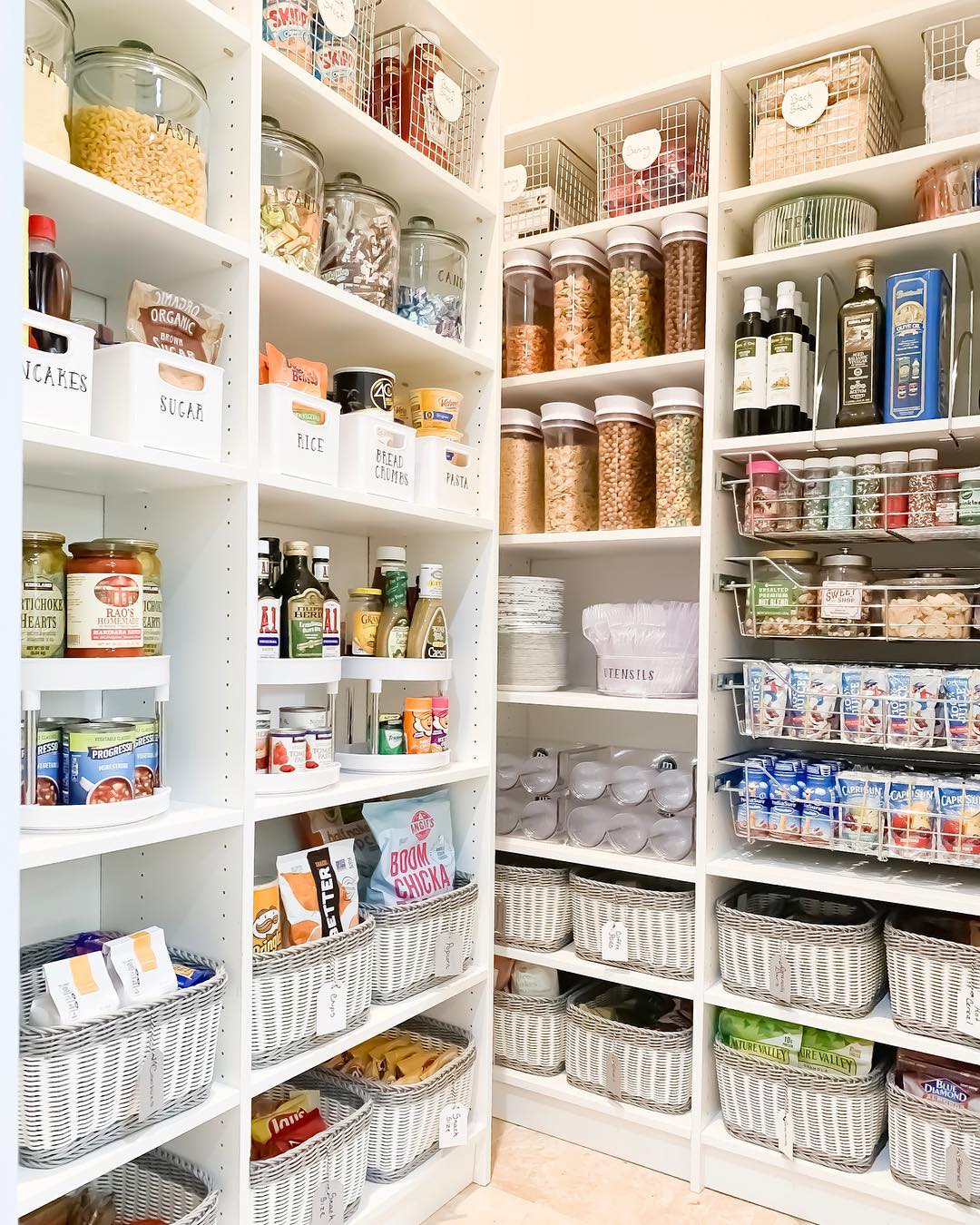
Credit: www.extraspace.com
Frequently Asked Questions
What Is The Best Way To Sort Pantry Items?
Categorize pantry items by type, such as grains, canned goods, and snacks. Use clear containers for visibility and label each one. Place frequently used items at eye level and less-used ones higher or lower. This approach ensures easy access and maintains a tidy and functional kitchen space.
How Do You Maximize Cabinet Space Efficiently?
Use adjustable shelves and stackable storage bins to maximize space. Install hooks for mugs or utensils on cabinet doors. Utilize lazy Susans for easy access to items in corners. This method optimizes storage, making your kitchen cabinets more organized and space-efficient.
Should You Store Pots In Cabinets Or Drawers?
Store pots and pans in cabinets for easy access. Use dividers to separate different sizes and types. Cabinets provide better visibility and accessibility, preventing clutter. This arrangement ensures your cookware is organized and readily available for cooking tasks.
How Can You Organize Spices In Kitchen Cabinets?
Organize spices using tiered racks or magnetic strips inside cabinet doors. Group spices by type or frequency of use. Label containers for quick identification. This setup keeps spices visible and accessible, enhancing cooking efficiency and maintaining a clutter-free cabinet environment.
Conclusion
Organizing kitchen cabinets makes cooking easier and faster. Start with sorting items by category. Keep daily essentials within reach. Use clear containers for visibility. Label shelves to find things quickly. Stack pans and pots to save space. Rotate food for freshness.
Utilize cabinet doors for extra storage. A tidy kitchen saves time and reduces stress. Regularly declutter to maintain order. Simple changes lead to a more efficient kitchen. Enjoy cooking in your well-organized space. Happy cooking!