Imagine opening your deep kitchen cabinet and feeling a sense of calm and satisfaction instead of frustration. You know that feeling when you can’t find that pan or bowl because everything is stacked and hidden?
It’s time to change that. Organizing your deep kitchen cabinet can transform your cooking experience and save you time. By maximizing space and arranging items smartly, you can create a kitchen that works for you. Dive into this guide to discover simple strategies that make organizing your cabinet a breeze.
With these tips, you’ll not only reclaim lost space but also make cooking more enjoyable. Ready to feel the difference in your kitchen setup? Let’s get started!

Credit: www.tiktok.com
Assessing Your Space
Organizing your deep kitchen cabinet starts with understanding the space you have. Take a moment to assess your cabinet’s dimensions and usage needs. This will help you maximize space and efficiency. Begin by measuring the cabinet’s dimensions and identifying what you store there.
Measuring Cabinet Dimensions
Grab a tape measure. Measure the height, width, and depth of the cabinet. Write down each measurement. This helps in choosing the right storage solutions. Consider any obstructions like hinges or pipes. These can affect the available space. Note any irregular shapes or angles in the cabinet.
Identifying Usage Needs
Think about what you store in the cabinet. Is it cookware, pantry items, or cleaning supplies? Each type requires different organization strategies. Decide how often you use each item. Frequent-use items should be easy to reach. Less-used items can go in the back or on higher shelves.
Credit: www.woodshopdiaries.com
Sorting And Decluttering
Deep kitchen cabinets often become a haven for clutter. Sorting and decluttering these cabinets can make your kitchen more efficient. Start with a plan to tackle the mess and transform your space. This involves categorizing items and deciding what to keep or discard. It’s a straightforward process that brings order and peace to your kitchen.
Categorizing Kitchen Items
Grouping kitchen items helps to simplify organization. Begin by emptying your cabinets. Lay everything out on a flat surface, such as a table or countertop. This gives you a clear view of what you have. Then, sort items into categories. Common categories include baking supplies, cookware, utensils, and food storage containers.
Label each category for easy identification. Use labels or sticky notes to mark these groups. This visual aid can guide you in organizing your cabinet space. Consider the frequency of use while sorting. Items used daily should be easily accessible. Seasonal or rarely used items can be stored in the back.
Deciding What To Keep Or Discard
Decide what items are essential. Ask yourself if each item serves a purpose. If not, consider discarding or donating it. Aim to minimize clutter by keeping only useful items. For duplicate items, choose the best one to keep. This reduces unnecessary bulk in your cabinets.
Check for expired or damaged goods. Throw out expired food products and damaged kitchenware. This ensures your kitchen remains safe and functional. Create a list of items to discard. This helps track what leaves your kitchen. Keep the list handy for future reference. You might find it helpful when shopping for new items.
Optimal Storage Solutions
Struggling with deep kitchen cabinets? You’re not alone. These cabinets can often become a chaotic mess, making it hard to find what you need. But with optimal storage solutions, you can transform them into a functional space. Let’s dive into some practical strategies that can make a big difference in your kitchen.
Choosing The Right Organizers
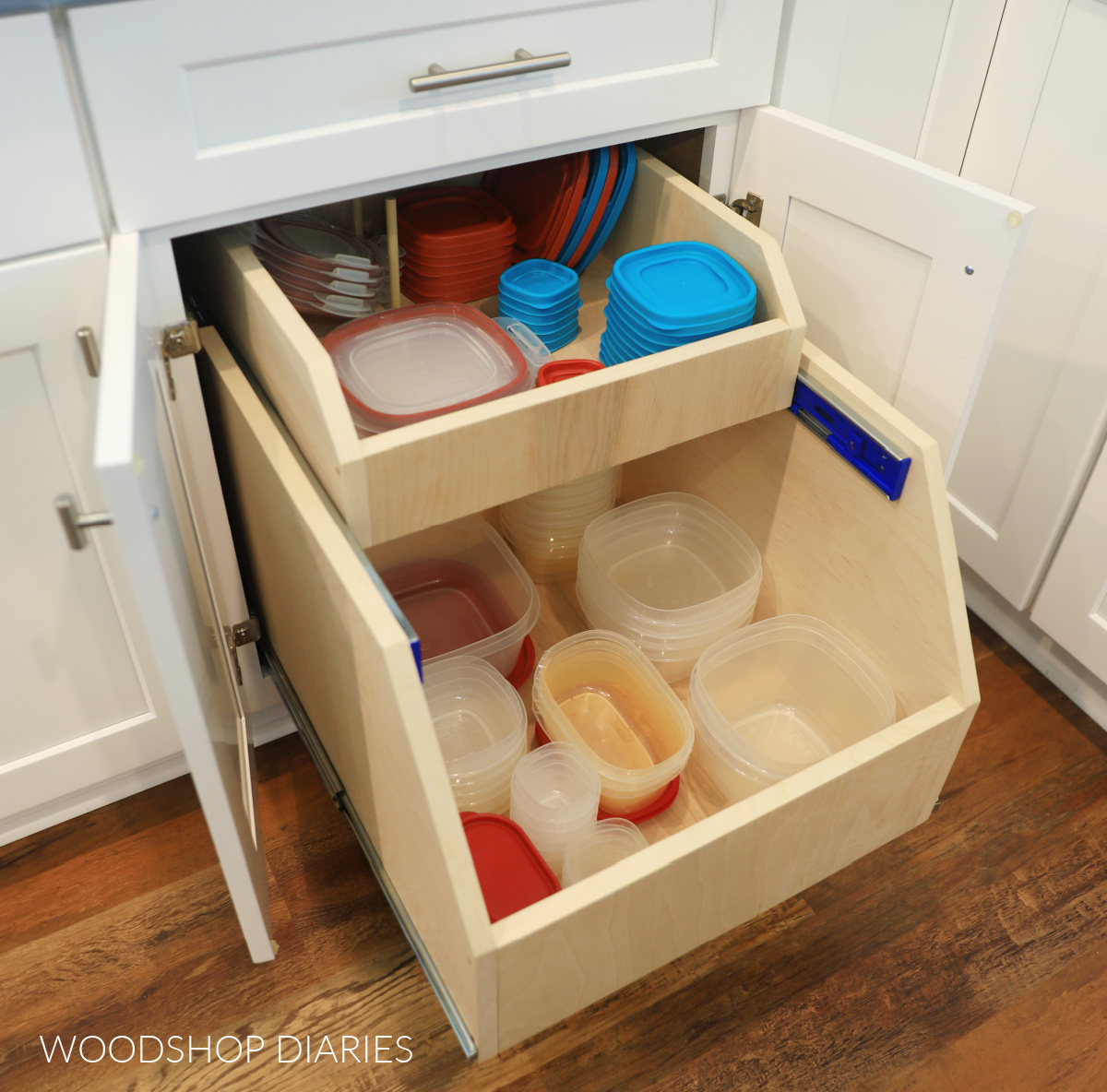
Selecting the right organizers can make or break your cabinet space. Consider pull-out drawers, which allow easy access to items at the back. Lazy Susans can also be a game changer, especially for deep, corner cabinets.
If you’re dealing with a variety of items, adjustable organizers can adapt to different shapes and sizes. Think about what you store most often and choose organizers that fit your needs. It’s all about tailoring your space to suit your lifestyle.
Utilizing Shelf Risers And Dividers
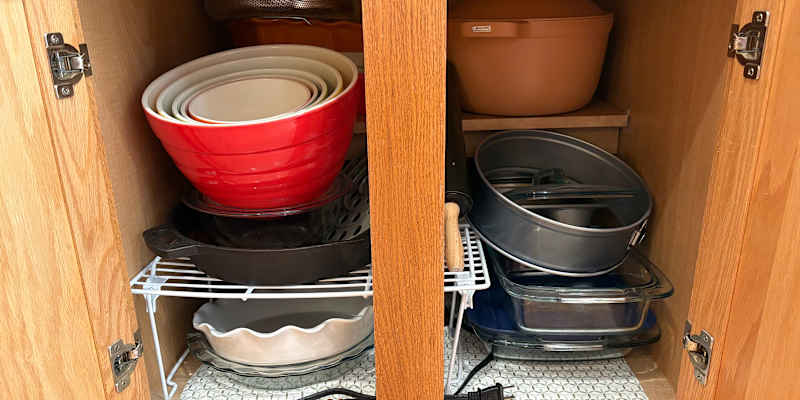
Shelf risers are fantastic for maximizing vertical space. They create a second layer within your cabinet, perfect for stacking smaller items like canned goods or spices. Imagine doubling your storage without adding new furniture!
Dividers can help keep your cabinet neat and organized. Use them to separate baking sheets from cutting boards, or to keep pots and pans from clattering together. Dividers ensure everything has its place, making it easier to find what you need.
As you tackle your kitchen cabinet chaos, consider these storage solutions. What can you adjust today to make your kitchen more efficient? Your future self will thank you for the organized space!
Credit: www.apartmenttherapy.com
Maximizing Accessibility
Maximizing accessibility in deep kitchen cabinets involves strategic organization. Use pull-out shelves and lazy Susans to make items easily reachable. Group similar items together for a more efficient cooking space.
Maximizing accessibility in your deep kitchen cabinets is crucial for a stress-free cooking experience. You don’t want to dig through a pile of pots and pans every time you’re looking for your favorite skillet. By implementing clever solutions, you can transform your kitchen into a space where everything you need is within arm’s reach.Using Pull-out Drawers
Pull-out drawers are a game changer in deep cabinets. They bring items from the back of the cabinet to the front with a simple pull. Imagine reaching effortlessly for your mixer without emptying half the cabinet. These drawers come in various sizes to fit different kitchen tools. Opt for sturdy ones that can support the weight of heavy pots. Installing pull-out drawers can be a DIY project or something you hire out, depending on your comfort level. Adding these drawers can drastically reduce the time you spend searching for items. They also keep your kitchen more organized since everything has its place.Incorporating Lazy Susans
Lazy Susans are perfect for maximizing space in corner cabinets. They allow you to spin the shelf and access items at the back without straining your arm. Have you ever lost a spice jar to the abyss of a corner cabinet? A Lazy Susan can solve that problem. They are particularly useful for organizing spices, sauces, and small pantry items. Choose a Lazy Susan with raised edges to prevent items from falling off during rotation. Installing one can make your cooking process smoother. You’ll appreciate the ease of access every time you grab an ingredient. Consider which items you use most frequently and position them on the outer edge. This small adjustment can make a big difference in your daily kitchen routine.Strategic Item Placement
Optimize deep kitchen cabinet space by placing frequently used items in front. Arrange heavier items at the bottom and lighter ones on top. Utilize stackable containers for easy access and organization.
Strategic Item Placement is essential for maximizing the utility of deep kitchen cabinets. With thoughtful arrangement, you can transform this often-overlooked space into a highly functional area. The key is to make it easy to access what you need, exactly when you need it.Prioritizing Frequently Used Items
Place the items you use daily at the front of your deep cabinets. This strategy reduces time spent searching and minimizes the risk of forgetting what’s stored at the back. Think about your morning routine: coffee mugs, cereal boxes, or your go-to frying pan should be within arm’s reach. Ask yourself what items you reach for the most. These should be the easiest to grab. By doing this, you avoid the hassle of moving things around every day, keeping your cabinet tidy and efficient.Designating Zones For Similar Items
Create dedicated zones for similar items within your cabinet. Grouping items by category, such as baking supplies or canned goods, helps you locate them faster. Consider using bins or baskets to keep each zone contained and organized. When you separate your kitchenware into zones, it not only looks neat but also makes meal prep less stressful. Imagine quickly finding all your baking essentials in one place when whipping up a cake. Does each zone make sense for your cooking habits? If not, don’t hesitate to adjust until it feels right. By organizing items logically, you’re setting yourself up for a smoother cooking experience.Labeling And Maintenance
Labeling items can simplify finding what you need in deep kitchen cabinets. Regular maintenance ensures everything stays organized and accessible.
Organizing deep kitchen cabinets can often feel like an overwhelming task, but maintaining an organized space is essential for a functional kitchen. Labeling and maintenance are key components to ensuring your efforts don’t go to waste. With clear labels and a regular maintenance routine, you’ll make the most of your deep cabinets while keeping everything accessible and tidy.Creating Clear Labels
Creating clear labels is crucial for quick access to items stored in deep cabinets. Use large, bold fonts that are easy to read at a glance. You can purchase pre-made labels or create custom ones using a label maker. Consider color-coding labels for different categories of items. For instance, use blue labels for baking supplies and green for snacks. This visual cue can help you locate items faster, especially when you’re busy preparing meals. Ensure each label is specific. Instead of a general label like “Cans,” try “Canned Vegetables” or “Canned Fruits.” Specificity prevents confusion and helps every family member know exactly where things belong.Setting Up A Maintenance Routine
A maintenance routine is essential to keep your deep kitchen cabinets organized over time. Set a regular schedule, perhaps monthly or quarterly, to review and tidy up your cabinets. This habit prevents clutter from building up. During maintenance, check expiration dates and move older items to the front. This helps reduce waste and ensures you’re always using fresh ingredients. Consider removing or donating items you haven’t used in a while. Involve your family in the maintenance routine. Assign roles or rotate responsibilities. When everyone contributes, the task becomes less daunting, and you’re more likely to maintain an organized space. Plus, it teaches valuable organizational skills to everyone involved. How often do you find yourself losing track of items in your deep cabinets? By creating clear labels and setting up a maintenance routine, you’ll transform your kitchen into a more efficient and pleasant space. So why wait? Start labeling and maintaining today for a more organized tomorrow.Creative Storage Hacks
Organizing deep kitchen cabinets can be tricky. Utilize stackable bins for easy access to items at the back. Install pull-out shelves to maximize space and keep essentials within reach.
Creative storage hacks can transform your deep kitchen cabinets into organized spaces. These solutions help maximize space, making items more accessible. You will discover inventive ways to utilize every inch of your cabinet.Hanging Solutions For Doors
Use the back of cabinet doors for extra storage. Install hooks or racks on the doors. Hang pot lids or measuring spoons there. This method keeps them within reach and saves shelf space. Consider using adhesive hooks for a damage-free solution.Repurposing Everyday Items
Think beyond traditional organizers. Use magazine holders to store cutting boards vertically. They help keep boards tidy and easy to grab. Old ice cube trays can hold small items, like rubber bands or twist ties. Turn a lazy Susan into a rotating spice rack. This keeps spices organized and easy to find.Frequently Asked Questions
How Do I Maximize Space In Deep Cabinets?
To maximize space in deep cabinets, use stackable bins or baskets. Install pull-out shelves for better accessibility. Consider a lazy Susan for corner cabinets. Use tiered shelf organizers for cans and jars. Label everything for easy identification.
What Tools Help Organize Deep Kitchen Cabinets?
Tools like pull-out shelves, lazy Susans, and tiered organizers are useful. Stackable bins and baskets can help maintain order. Use cabinet dividers for trays and cutting boards. Labels make finding items easier.
How Can I Keep Kitchen Cabinets Tidy?
To keep kitchen cabinets tidy, regularly declutter and donate unused items. Use organizers and labels for easy access. Group similar items together. Store items you use frequently in the front. Clean spills and crumbs promptly.
What Are Common Mistakes In Organizing Cabinets?
A common mistake is not using vertical space effectively. Overstuffing cabinets can lead to disorganization. Avoid storing rarely used items in hard-to-reach places. Not labeling bins can cause confusion. Regular maintenance is essential for a tidy cabinet.
Conclusion
Organizing deep kitchen cabinets can feel challenging, but it’s doable. Use stackable bins to make items easy to reach. Label everything clearly for quick access. Store less-used items at the back. Keep essentials at the front for convenience. Regularly tidy up to maintain order.
This saves time and reduces stress in the kitchen. Consider shelf risers for added space. Make sure your system suits your lifestyle. A well-organized cabinet improves kitchen efficiency. Enjoy a clutter-free kitchen that simplifies cooking and cleaning. Keep experimenting until you find the perfect setup.
Your kitchen will thank you.