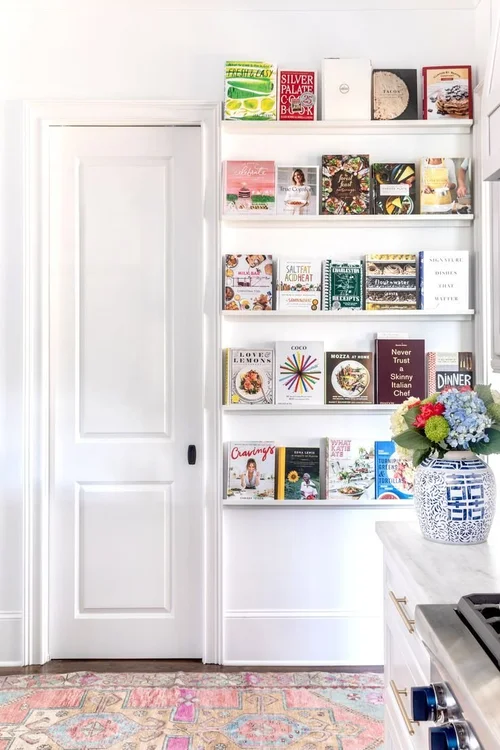
Is your kitchen cluttered with cookbooks scattered everywhere, making it a challenge to find your favorite recipes? You’re not alone.
Many of us have a treasured collection of cookbooks that inspire our culinary adventures, but finding the right one when you need it can be a hassle. Imagine being able to effortlessly locate any recipe, feeling a sense of calm and control in your kitchen.
Organizing your cookbooks not only saves time but also enhances your cooking experience. This simple change can transform your kitchen into a more efficient and enjoyable space. Dive into this guide to discover practical tips that will help you organize your cookbooks effectively, creating a harmonious environment where your love for cooking can flourish.

Credit: www.realtor.com
Choosing The Right Location
Choosing the right location for your cookbooks enhances kitchen efficiency. A well-organized space saves time and reduces stress during meal preparations. Consider the following aspects to find the perfect spot for your culinary collection.
Assessing Kitchen Space
Start by evaluating your kitchen’s layout. Identify areas with unused vertical space. Shelves or racks can maximize these spaces. Check for wall space near cooking zones. This makes it easy to grab a cookbook while cooking. Utilize underutilized cabinets for cookbook storage too.
Accessibility And Convenience
Your cookbooks should be easy to reach. Place frequently used ones at eye level. Store less used ones on higher or lower shelves. Consider storing them near your prep area. This minimizes movement while cooking. Keep them away from heat and moisture to protect them.

Credit: www.pinterest.com
Categorizing Cookbooks
Organizing cookbooks in your kitchen can transform your cooking experience. A well-categorized collection not only saves time but inspires creativity. Imagine reaching for a cookbook with ease, knowing exactly where it is. The key lies in categorization. Let’s dive into some practical ways to categorize your cookbooks effectively.
By Cuisine Type
Sorting cookbooks by cuisine type is a logical approach, especially if you enjoy exploring diverse culinary traditions. Group your Italian, Mexican, and Indian cookbooks separately. This not only streamlines the search process but also helps you plan themed dinners effortlessly. Picture yourself deciding on a Thai-inspired meal and having all the resources at your fingertips. This method is particularly useful if you often find yourself craving specific flavors.
By Difficulty Level
Another efficient way to organize is by difficulty level. Separate your beginner-friendly cookbooks from those that challenge your culinary skills. This makes it easier to choose based on your mood or time constraints. If you’re in a rush, grab a quick and easy guide. For leisurely weekends, delve into complex recipes that test your prowess. This system ensures you’re always prepared, whether hosting a casual brunch or a sophisticated dinner party.
By Author Or Series
Fans of specific chefs or series will appreciate organizing cookbooks by author. It’s like having a personal connection with your favorite culinary mentors. Keep Jamie Oliver’s books together or arrange Nigella Lawson’s series side by side. This not only showcases your admiration but makes it simple to follow an author’s culinary journey. If you have a favorite chef whose recipes never fail, why not dedicate a shelf to their works?
How do you categorize your cookbooks? Do any of these methods resonate with your style? Explore what fits best for your kitchen and culinary adventures. Organizing cookbooks is not just about tidiness; it’s about enhancing your cooking experience.
Utilizing Shelves And Racks
Organize cookbooks by using shelves and racks to keep them accessible and tidy. Arrange them by size or genre for easy browsing. Use adjustable shelves for flexibility and maximize space efficiency.
Utilizing shelves and racks can change how you store cookbooks. They offer space-saving solutions and add a decorative touch. Shelves and racks keep your kitchen organized, making it easy to find your favorite recipes. Explore different styles to match your kitchen design and improve functionality.Vertical And Horizontal Options
Vertical shelves maximize height and save floor space. They fit well in narrow areas, offering a sleek look. Horizontal shelves provide a classic touch, displaying cookbooks neatly. Both styles cater to different kitchen layouts and personal preferences.Adjustable Shelf Solutions
Adjustable shelves offer flexibility for various cookbook sizes. You can customize the height to fit your collection perfectly. This option makes it easy to reorganize as your collection grows. Look for sturdy materials to ensure durability and long-lasting use.Labeling And Indexing
Labeling and indexing cookbooks can simplify kitchen organization. Arrange books by cuisine, author, or theme for easy access. Use clear labels to quickly find recipes and maintain order.
Organizing cookbooks in your kitchen can transform a cluttered space into a haven of culinary inspiration. Labeling and indexing are key steps in this process, ensuring that you can easily find the recipes you need when you need them. By creating an effective labeling system and using digital indexing tools, you can streamline your kitchen experience and make cooking more enjoyable.Creating A Labeling System
A well-thought-out labeling system can be a game changer. Start by categorizing your cookbooks by cuisine, author, or type of meal. Use clear, bold labels that are easy to read. Consider using color-coded labels. Assign a different color to each category for quick visual identification. This can save time when you’re in a rush to find that perfect recipe for dinner. Consistency is key. Ensure that all labels are placed in the same location on each book. This uniformity not only looks tidy but also helps in quickly scanning your collection.Using Digital Indexing Tools
Embrace technology to keep track of your recipes. Digital indexing tools can catalog your cookbooks and even allow you to search for recipes by ingredient or cooking time. Apps like Evernote or Google Keep can be used to create a digital index of your recipes. Simply snap a picture of the table of contents or individual pages and tag them for easy retrieval. Consider creating a digital spreadsheet. List each cookbook, its categories, and popular recipes. This way, you can sort and search through your collection efficiently without having to thumb through physical pages. What if you could find any recipe in seconds? With a combination of a physical labeling system and digital tools, you can transform your kitchen into a more organized and inspiring space.Incorporating Decorative Elements
Brighten your kitchen with creative cookbook displays. Use colorful bookends or wall-mounted shelves to showcase titles. Add small plants or decorative jars for a lively touch.
Incorporating decorative elements into your kitchen can enhance the space. It adds character and warmth. Cookbooks can serve both functional and decorative purposes. By organizing them creatively, you can make your kitchen more appealing.Using Bookends And Holders
Bookends can keep your cookbooks neat and upright. Choose bookends that match your kitchen style. Metal bookends offer a sleek, modern look. Wooden bookends bring a rustic, cozy feel. You can also use decorative holders. They can hold multiple books and add visual interest. Consider a vintage wire basket for a charming touch.Adding Personal Touches
Personal touches can make your cookbook display unique. Add a small framed photo or artwork next to your cookbooks. Use a favorite dish or mug as a bookend. Display a handwritten recipe card from a loved one. These elements personalize your kitchen space. They make it feel more inviting and homey.
Credit: food52.com
Maintaining Organization
Organizing cookbooks in the kitchen can simplify meal planning. Use a dedicated shelf or cabinet for easy access. Group by cuisine or favorite recipes to find them quickly.
Maintaining organization in your kitchen is key. Cookbooks can pile up quickly, making it hard to find what you need. With a little effort, you can keep them tidy. This section focuses on simple ways to ensure your cookbooks stay organized.Regular Cleaning And Upkeep
Dust accumulates on cookbooks over time. A quick dusting every week helps. Use a soft cloth to wipe the covers. Shelves need cleaning too. Remove cookbooks and wipe the shelves. This keeps your kitchen neat.Periodic Review And Rearrangement
Books you don’t use often can be stored differently. Review your collection every few months. Decide which books to keep handy. Rearrange them based on frequency of use. Place favorite cookbooks within easy reach. Others can go on higher shelves. This makes cooking more efficient.Expert Advice And Insights
Organizing cookbooks in your kitchen might seem like a small task, but it can have a big impact on your cooking experience. Expert advice can provide fresh perspectives and practical strategies that can make this process easier and more effective. Let’s explore insights from chefs and professional organizers to help you keep your culinary collection in top shape.
Interviews With Chefs
Chefs often have a unique approach to organizing cookbooks, combining functionality with inspiration. One chef shared how he categorizes his cookbooks by cuisine type, making it easy to find the perfect recipe for an international dinner party. Another chef prefers organizing by season, ensuring she can quickly access recipes using fresh, seasonal ingredients.
Why not try arranging your cookbooks by the level of difficulty? A chef suggested keeping beginner-friendly books at the front for quick reference during busy weekdays. This method not only saves time but also motivates you to explore new challenges when you have more time.
Professional Organizers’ Tips
Professional organizers emphasize the importance of accessibility in your kitchen setup. They recommend placing cookbooks within arm’s reach of your cooking area to minimize disruptions while preparing meals. This simple change can make cooking more enjoyable and efficient.
Consider using vertical space. A professional organizer advised using wall-mounted shelves or racks to keep cookbooks visible and organized. This approach not only saves counter space but also adds a decorative element to your kitchen.
Have you ever considered a rotation system? An organizer mentioned rotating cookbooks every few months to keep your collection fresh and inspiring. This system can breathe new life into your cooking routine, encouraging you to explore different recipes regularly.
Frequently Asked Questions
How To Store Cookbooks Efficiently?
Store cookbooks vertically on shelves for easy access. Use bookends to keep them upright and organized. Consider grouping them by cuisine or author for quicker selection. Ensure shelves are sturdy and accessible, preferably near cooking areas. This setup maximizes space and keeps your cookbooks within reach.
What Is The Best Way To Categorize Cookbooks?
Categorize cookbooks by cuisine, author, or frequency of use. This makes finding recipes quicker and easier. For example, group Italian cookbooks together or place frequently used ones at the front. Consistent categorization helps maintain an organized and efficient kitchen space.
Should Cookbooks Be Displayed Or Stored?
Display cookbooks on open shelves for easy access and aesthetic appeal. If space is limited, store them in cabinets or drawers. Use open shelving for decorative purposes and closed storage for less-used cookbooks. Choose based on kitchen space and design preferences.
How Can I Protect Cookbooks In The Kitchen?
Protect cookbooks from spills by storing them away from cooking areas. Use book covers or plastic sleeves for added protection. Keep them in dry and cool places to prevent damage. Regularly clean shelves and covers to maintain their condition.
Conclusion
Organizing cookbooks in the kitchen can be simple and fun. Start small. Choose a few favorite books. Display them where you cook most often. Use shelves or baskets for easy access. Label sections for quick finding. Rotate books with the seasons.
This keeps inspiration fresh. Try grouping by cuisine or author. It adds personal touch. Keep clutter minimal for a clean look. Enjoy cooking more with organized space. Your kitchen feels cozy and welcoming. Cooking becomes a joy, not a chore.
Share your organized space with friends and family. They’ll love it too!