Are you tired of the chaos lurking beneath your kitchen sink? It’s easy to shove cleaning supplies and miscellaneous items into that dark, cramped space, only to forget what’s even there.
But imagine opening those cabinet doors to find a neat, organized, and accessible storage area that makes your daily chores a breeze. Sounds like a dream, right? Well, it doesn’t have to be. In this guide, we’ll unlock the secrets to transforming that cluttered cabinet into a functional, tidy space.
You’ll learn practical tips and clever hacks that make organizing not just simple, but also satisfying. Ready to reclaim your under-sink space? Let’s dive in and turn that disarray into a masterpiece of order.
Assessing Your Space
Assess your available space to efficiently organize the cabinet under the kitchen sink. Measure dimensions and identify potential storage solutions. Consider adjustable shelves, stackable bins, or tension rods to maximize space.
Organizing the cabinet under your kitchen sink begins with assessing your space. This step is crucial to ensure everything fits perfectly. Understanding the layout helps you maximize every inch. Start by examining the available area. Pay attention to pipes and fixtures. These can limit your storage options.Measuring Dimensions
Take accurate measurements of the cabinet space. Use a tape measure for precise dimensions. Note the height, width, and depth. These numbers guide your storage choices. Write them down for easy reference. Small differences in size matter. Even a half-inch can affect what fits inside.Identifying Obstructions
Look for obstructions like pipes and disposal units. These can disrupt your storage plan. Identify their location and size. This helps in planning around them. Consider how much space they occupy. Think about how they affect your storage options. You may need to adjust your strategy.:max_bytes(150000):strip_icc()/GettyImages-1405396332-4708b92fa11642eda2ebb8081bf44c82.jpg)
Credit: www.thespruce.com
Decluttering Essentials
Organize the cabinet under your kitchen sink by using stackable bins and shelf risers. Store cleaning supplies in labeled containers for easy access. Place hooks on the inside of doors to hang brushes and gloves.
Decluttering the cabinet under your kitchen sink can transform your space. This task is essential for efficient storage and easy access. With the right approach, it becomes a breeze. The key is to keep only what you need. Follow these steps to enjoy a tidy and organized kitchen.Sorting Items
Begin by removing everything from the cabinet. Lay all items on a flat surface. Assess each item carefully. Group similar things together. Cleaning supplies in one group, tools in another. This helps see what you have. It also makes decision-making easier.Deciding What To Keep
Evaluate the necessity of each item. Ask yourself, “Do I use this often?” Keep only useful items. Discard anything broken or expired. Donate items in good condition you no longer need. Less clutter means more room for essentials. A tidy space leads to better organization.Choosing Storage Solutions
Organizing the cabinet under your kitchen sink requires clever storage solutions. Use baskets or bins to group cleaning supplies. Install tension rods for hanging spray bottles, maximizing vertical space efficiently.
Choosing the right storage solutions for the cabinet under your kitchen sink can transform a cluttered space into an organized haven. With the right tools, you can maximize the available space and keep everything tidy.Baskets And Bins
Baskets and bins are essential for organizing. They help categorize items. Choose waterproof options for durability. Label them for easy identification. Stackable bins save space. Use them to separate cleaning supplies. Smaller baskets work well for sponges. Larger bins can hold bottles and sprays. This ensures everything has a place.Shelf Inserts
Shelf inserts are perfect for creating additional layers. They can double the space available. Adjustable inserts fit varying cabinet sizes. Use them to elevate items. This makes them more accessible. Store less-used items on higher shelves. Metal or plastic inserts resist moisture. They are easy to clean. They offer flexibility in organizing.Maximizing Vertical Space
Maximizing vertical space under your kitchen sink can transform a cluttered chaos into a streamlined sanctuary. It’s easy to overlook how much potential this area holds. By using clever techniques, you can make the most of every inch. Imagine a cabinet where everything has its place, and no item is ever out of reach. Let’s explore some smart strategies to elevate your organization game.
Stacking Strategies
Have you ever considered stacking items to make the most of your cabinet space? It’s like playing a game of Tetris, but with cleaning supplies and kitchen essentials.
- Stackable bins:Opt for bins that stack neatly on top of each other. They allow you to categorize items while keeping them within easy reach.
- Tiered shelves:Install small tiered shelves to create layers for storing different items. This is perfect for small bottles and containers.
By stacking vertically, you can free up valuable space below for larger items like pots and pans. You’ll be surprised how much more room you can create with a little stacking magic.
Utilizing Hooks
Hooks are your secret weapon for utilizing vertical space. They are versatile and can be installed easily without any tools.
- Adhesive hooks:Use these to hang cleaning cloths or dish gloves. They stick directly to the cabinet walls and make it easy to grab things quickly.
- Magnetic hooks:If your cabinet is metal, magnetic hooks can hold lightweight items. They are ideal for hanging small kitchen tools.
Think about all the little items you could hang instead of cluttering the shelf. Isn’t it time to elevate your cabinet space and see everything at a glance?
Labeling And Categorizing
Organize the cabinet under your kitchen sink by labeling containers. Group similar items together like cleaning supplies or dishwashing essentials. Clear labels help in easy identification, making your space tidy and accessible.
Organizing the cabinet under your kitchen sink can be a game-changer in maintaining a tidy and efficient kitchen. A crucial part of this process is effective labeling and categorizing. By creating a system that works for you, you can save time and reduce stress when searching for supplies. Let’s dive into how you can transform this often-overlooked space into a well-organized area.Creating Categories
Start by assessing the items you store under your kitchen sink. Common categories might include cleaning supplies, dishwashing products, and extra sponges. Creating specific categories helps you know exactly where everything belongs. It also makes it easier for others in your household to find and replace items. Think about the frequency of use. Keep frequently used items in an easily accessible spot while less-used items can be stored towards the back.Effective Labeling Techniques
Labels are your best friend in organizing. They help anyone using the space to maintain the system you’ve set up. Consider using a label maker for a clean, professional look. If you prefer a DIY approach, use masking tape and a permanent marker. Be specific with your labels. Instead of just “Cleaning,” use “Floor Cleaners” or “Glass Cleaners” to avoid confusion and save time. Are you using color-coded labels? This can add an extra layer of organization, making it visually easier to identify categories at a glance. By categorizing and labeling effectively, your under-sink cabinet can become a model of efficiency and simplicity. What categories will you create to transform your space?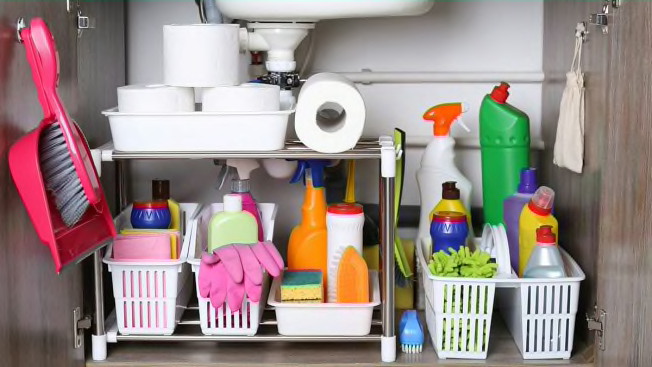
Credit: www.consumerreports.org
Maintaining Organization
Organize the cabinet under your kitchen sink by using stackable bins and clear containers. Install a pull-out drawer for easy access to cleaning supplies. Use tension rods to hang spray bottles, maximizing vertical space efficiently.
Maintaining organization under your kitchen sink can often feel like a never-ending battle. After spending time arranging and tidying up, the clutter seems to return almost magically. But with a few simple practices, you can keep this space functional and neat. Here are some strategies to ensure your efforts last.Regular Cleaning
Make regular cleaning a habit. Dedicate a few minutes each week to check under the sink for spills or leaks. Wipe down surfaces and ensure items are returned to their designated spots. Consider setting a reminder on your phone. A quick weekly check can prevent grime build-up and keep everything fresh. A clean space is far more inviting and easier to maintain.Periodic Reevaluation
Every few months, take a moment to reevaluate the contents of your cabinet. Ask yourself: Do I really need that half-empty bottle of cleaner? Remove items you haven’t used recently. This prevents clutter from accumulating again. It’s also a great opportunity to assess what’s working in your current organization system and what’s not. Embrace flexibility. Be willing to adjust your organization strategy as your needs change. Your kitchen sink cabinet should evolve with you, not remain static.Safety And Accessibility
Organize your cabinet under the kitchen sink by placing frequently used items at the front. Store cleaning supplies securely to prevent spills. Ensure easy access to plumbing by keeping the area clear of unnecessary items.
Organizing the cabinet under your kitchen sink is not just about making it look neat; it’s about ensuring safety and accessibility. This often-overlooked space can become a hazard if not arranged thoughtfully, especially with cleaning supplies and tools stored there. By focusing on safety and accessibility, you can create a more functional and secure environment for everyone in your home.Childproofing Tips
– Install Safety Locks: Use childproof locks on the cabinet doors. They are easy to install and prevent curious hands from accessing hazardous materials. – Store Chemicals Up High: If possible, place cleaning supplies on higher shelves within the cabinet. This keeps them out of immediate reach of small children. – Use Clear Containers: Transfer potentially harmful liquids into clear, labeled containers. This makes it easier to identify contents at a glance and prevents accidental misuse.Ensuring Easy Access
– Pull-Out Baskets: Consider adding pull-out baskets or trays. These allow you to see and reach items at the back without having to empty the whole cabinet. – Categorize Items: Group similar items together, such as all dishwasher-related products in one basket. This makes finding things quicker and more intuitive. – Lighting Solutions: Attach a motion-sensor LED light strip under the cabinet. Good lighting helps you locate items quickly, reducing the time spent rummaging through the cabinet. Is your under-sink cabinet a place of chaos or calm? With these tips, you can transform it into a space that serves your needs efficiently and safely.
Credit: www.amazon.com
Frequently Asked Questions
What Items Should I Store Under The Sink?
Store cleaning supplies, trash bags, and dishwashing detergents under the sink. Use baskets or bins to keep items organized. Avoid storing food, as it may be exposed to chemicals. Ensure items are easily accessible for daily use. Regularly declutter and remove expired products to maintain order.
How Can I Maximize Space Under The Sink?
Use stackable bins or shelves to maximize vertical space. Install tension rods to hang spray bottles. Utilize door-mounted organizers for smaller items. Consider adjustable shelving to accommodate differently sized items. Keep frequently used items at the front for easy access.
Regularly assess and rearrange to maintain efficiency.
How Do I Prevent Mold Under The Sink?
Ensure proper ventilation and fix any leaks promptly. Use moisture-absorbing products like silica gel packs. Regularly clean and dry the area. Avoid overloading the space, which can restrict airflow. Check for signs of mold and address them immediately. Keep the cabinet doors open occasionally to let air circulate.
What Should I Avoid Storing Under The Sink?
Avoid storing food, electronics, and flammable items under the sink. These can be damaged by moisture or chemicals. Keep hazardous materials out of reach of children and pets. Ensure the space is free from clutter to prevent accidents. Regularly inspect items to ensure they remain in good condition.
Conclusion
Organizing the cabinet under your kitchen sink doesn’t have to be hard. Start by clearing out everything. Wipe down the surfaces. Use bins or baskets to group similar items. Keep cleaning supplies in one area. Store extra sponges and towels in another.
Install a tension rod for spray bottles. This keeps the space tidy and accessible. Label containers for easy identification. Regularly check and update the contents. A well-organized cabinet saves time and reduces stress. Enjoy a cleaner, more efficient kitchen space.
Happy organizing!