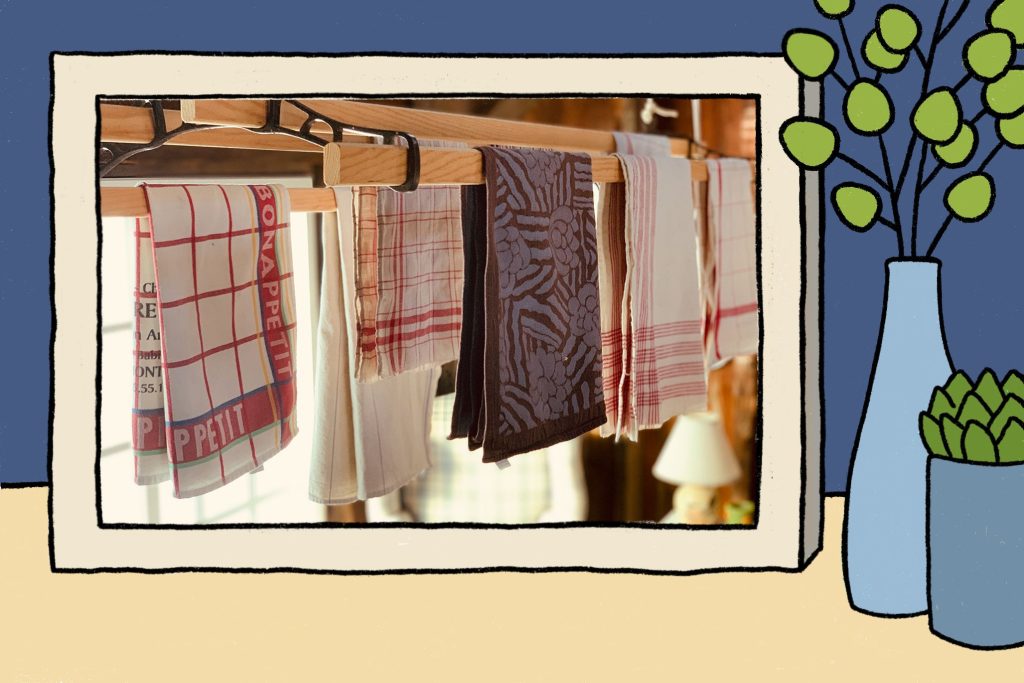
Are you tired of the chaos in your kitchen drawer, where finding the right towel feels like a treasure hunt? You’re not alone.
Many of us struggle with keeping our kitchen towels neat and accessible. But what if I told you that organizing your assorted kitchen towels can be both simple and satisfying? Imagine opening your drawer or cabinet to find a perfectly arranged collection of towels, each ready to tackle spills and dry dishes with ease.
In this guide, you’ll discover practical tips and clever tricks to transform that messy jumble into an orderly oasis. Stay with us, and you’ll soon master the art of towel organization, bringing calm and efficiency to your kitchen routine.
:max_bytes(150000):strip_icc()/spr-the-container-store-bathroom-under-sink-starter-kit-stella-yu-9-b677a23d65be496b89eaa0257dec08de.jpeg)
Credit: www.thespruce.com
The Importance Of Organized Kitchen Towels
Organizing kitchen towels creates a tidy space and enhances functionality. Store them in baskets, drawers, or hangers for easy access. Arrange by color, size, or purpose to simplify selection while cooking or cleaning.
The Importance of Organized Kitchen Towels Organized kitchen towels make kitchen work smoother. They save time and reduce stress. Imagine reaching for a towel and finding it right away. Neat towels also keep the kitchen looking tidy. They help create a welcoming space for cooking.Easy Access And Convenience
Organized towels mean quick access. This convenience boosts kitchen efficiency. You know exactly where each towel is. No more rummaging in drawers.Maintaining Hygiene
Cleanliness is essential in the kitchen. Organized towels prevent cross-contamination. Separate towels for hands, dishes, and cleaning. This practice promotes a healthy cooking environment.Prolonging Towel Life
Proper organization extends towel lifespan. It prevents unnecessary wear and tear. Folded and stored correctly, towels last longer. This also saves money on replacements.Enhancing Kitchen Aesthetics
A tidy kitchen looks appealing. Neatly arranged towels add a touch of style. Color-coordinated towels can match the kitchen theme. They contribute to a harmonious kitchen design.Reducing Clutter
Clutter-free spaces increase productivity. Organized towels reduce kitchen mess. They create more space for cooking tasks. Less clutter equals a more enjoyable cooking experience.Types Of Kitchen Towels
Organizing kitchen towels can simplify cooking tasks. Separate towels by type: hand towels, dish towels, and cleaning cloths. Use baskets or drawers to keep them accessible and tidy.
Organizing kitchen towels can enhance your kitchen’s functionality and style. Different types serve varied purposes, adding versatility to your kitchen tasks. Knowing these types helps in organizing them efficiently.Dish Towels
Dish towels are essential for drying dishes. They are absorbent and durable. Made from cotton or microfiber, they resist wear and tear. Keep them near the sink for easy access. They can also double as quick clean-up tools for spills.Hand Towels
Hand towels are smaller and softer than dish towels. Perfect for drying hands after washing. They often hang near sinks or stoves. Available in various colors and patterns, they can match your kitchen decor. Regular washing keeps them fresh and hygienic.Tea Towels
Tea towels are lightweight and decorative. Used for drying delicate items like glassware. They often feature prints or embroidery. These towels can also serve as a cover for baked goods. Storing them with your baking supplies makes them handy.Specialty Towels
Specialty towels include towels designed for specific tasks. Examples are cheesecloths or bar towels. Cheesecloths are great for straining liquids. Bar towels handle tough cleaning jobs. Keep them separate for easy identification. Proper storage ensures their longevity and efficiency.Assessing Your Towel Collection
Before you dive into arranging your kitchen towels, take a moment to assess what you have. This initial step not only helps in decluttering but also ensures you make the most of your existing collection. Understanding the condition and purpose of each towel can transform your kitchen space into a more organized and functional area.
Identifying Usage Frequency
Start by considering how often you use each towel. Do you have favorites that you reach for daily? Or are there some that only see the light of day during special occasions? Group them based on frequency—everyday towels, occasional use, and seldom-used ones. This way, your most-used towels are always within easy reach.
Evaluating Condition
Next, evaluate the condition of each towel. Are there any that are frayed or stained beyond repair? It’s time to retire those from active duty. Consider repurposing them for cleaning rags or donate if they’re still usable. Keeping only those in good condition not only enhances your kitchen’s aesthetic but also ensures hygiene.
Sorting By Function
Now, think about the function of each towel. Do you have dish towels, hand towels, and decorative towels all mixed together? Separate them by purpose. Create distinct piles for drying dishes, wiping hands, and purely decorative towels. This makes it easier to grab the right towel for the right job, saving you time and hassle in the kitchen.

Credit: food52.com
Storage Solutions For Kitchen Towels
Keeping your kitchen towels organized is not just about tidiness; it’s about creating a functional space that works for you. An efficient storage solution can save you time and frustration. Let’s dive into practical ways to store your assorted kitchen towels, ensuring they’re easily accessible and aesthetically pleasing.
Drawer Organization
Drawers are a fantastic option for storing kitchen towels neatly. Roll your towels instead of folding them to maximize space and avoid wrinkles. You might even consider using drawer dividers to separate your towels by color or purpose.
How often have you found yourself rummaging through a drawer for a clean towel? With organized drawers, you can say goodbye to the hassle. You’ll have everything at your fingertips, making your kitchen chores a breeze.
Hooks And Racks
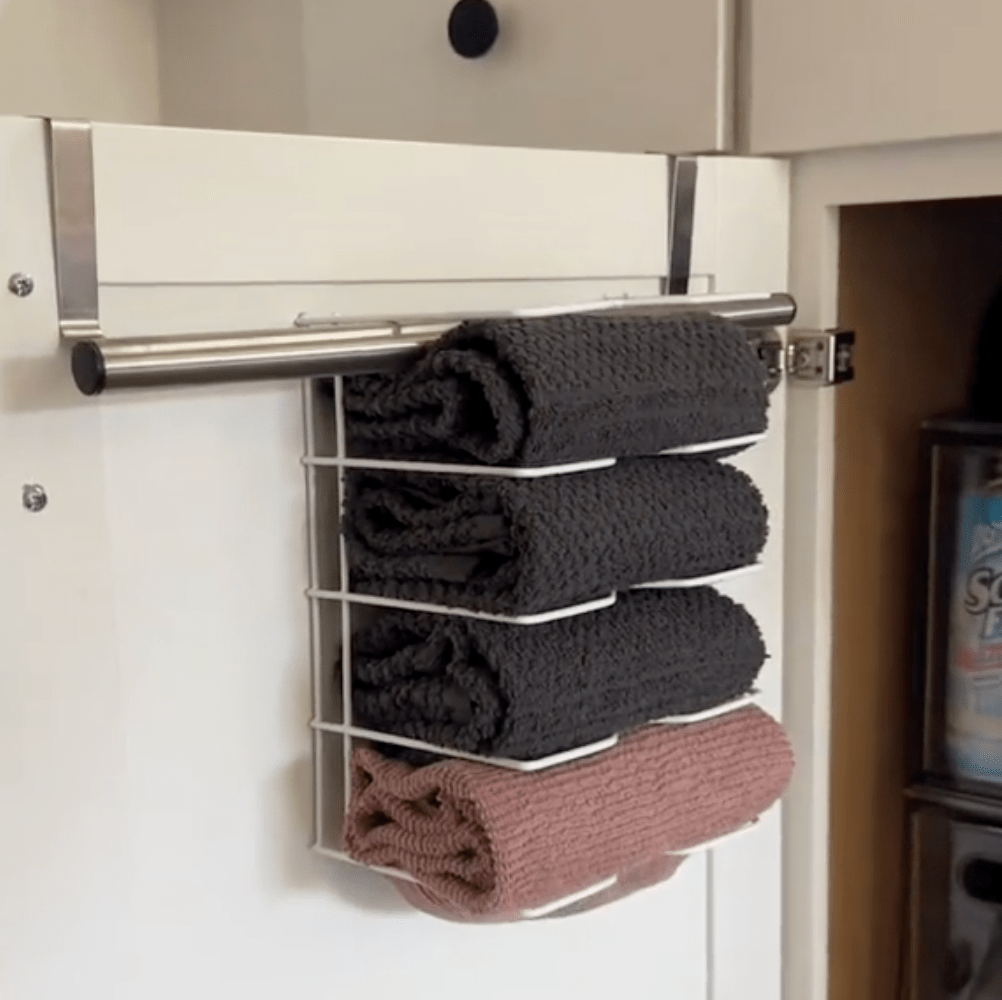
Hooks and racks are perfect for those who prefer their towels within reach. Install them on the inside of cabinet doors or on the kitchen walls. This option is especially great for towels that need frequent use and quick drying.
Think about how much easier it would be to grab a towel on the go. Plus, using hooks and racks can add a touch of decor to your kitchen, turning functional items into stylish accents.
Cabinet Storage
If you have extra cabinet space, this can be a hidden gem for towel storage. Consider dedicating a shelf to your towels. Stack them vertically or use small bins to keep them organized.
Cabinet storage can help you keep your towels out of sight yet easily accessible. It’s a discreet way to maintain order, especially if you have a large collection.
Baskets And Bins
Baskets and bins offer versatility and can be placed on countertops, shelves, or inside cabinets. Opt for stylish baskets that complement your kitchen decor. This adds a decorative touch while keeping your towels organized.
Have you ever felt that your kitchen needs a touch of personality? Baskets and bins can do just that, providing both function and flair. Plus, they make it easy to rotate towels for washing.
Creative Folding Techniques
Organizing kitchen towels can boost your kitchen’s look and function. Creative folding techniques give your space a neat and tidy appearance. They also make it easier to find the towel you need. Try different methods to match your style and storage space. Here are some easy and creative folding techniques for your assorted kitchen towels.
Basic Fold
The basic fold is a simple and efficient way to store towels. Start by laying the towel flat on a clean surface. Fold the towel in half lengthwise. Then, fold it in half again from top to bottom. This creates a neat rectangle that fits well in drawers or on shelves. The basic fold is ideal for stacking towels evenly.
Roll-up Method
The roll-up method saves space and adds a decorative touch. Lay the towel flat and fold it in half lengthwise. Begin rolling from one end to the other, keeping the roll tight. Place the rolled towels in a basket or drawer. This method prevents wrinkles and is perfect for small storage spaces.
Tri-fold Technique
The tri-fold technique creates a compact and uniform look. Start by laying the towel flat. Fold the towel into thirds lengthwise, bringing one side to the center. Then fold the other side over the first. Fold the towel in half from top to bottom. This method is great for displaying towels on open shelves.
Labeling And Categorizing
Sort kitchen towels by color, size, and purpose for easy access. Store them in labeled bins or drawers. This system keeps your kitchen neat and towels handy for every task.
Organizing assorted kitchen towels can transform your kitchen space, making it both efficient and aesthetically pleasing. By focusing on labeling and categorizing, you create an easy-to-follow system that keeps your towels accessible and neat. This approach not only saves time but also adds a touch of creativity to your kitchen.Color Coding
Using color coding is a simple yet effective way to organize your kitchen towels. Assign different colors for specific uses—blue for drying dishes, red for cleaning surfaces, and green for hand towels. This method ensures quick identification and keeps your towels in their designated roles, reducing mix-ups. Have you ever reached for a towel only to find it’s the wrong one? Color coding eliminates this frustration and adds a splash of personality to your kitchen decor. Plus, it’s a fun way to involve your family in keeping the kitchen tidy.Category Labels
Category labels take organization to the next level by clearly defining the purpose of each towel. Use labels like “Drying,” “Cleaning,” and “Decorative” to streamline their use. Labeling can be done using tags, fabric markers, or even embroidery for a personal touch. This approach not only organizes but also extends the life of your towels by ensuring they are used for their intended purpose. When everything has a label, finding the right towel becomes a no-brainer. Isn’t it satisfying to know exactly where things are when you need them?Seasonal Organization
Seasonal organization adds a refreshing twist to your kitchen towel collection. Rotate your towels based on the time of year—bright florals for spring, warm hues for autumn, and festive designs for the holidays. Changing towels with the seasons keeps your kitchen environment fresh and engaging. It’s like adding a touch of new decor without much effort. Consider storing out-of-season towels in a dedicated space, clearly labeled, so they’re ready for the next rotation. This method not only organizes but brings a sense of anticipation and joy with each seasonal change.Maintaining Towel Organization
Organize kitchen towels by sorting them into categories like dish towels, hand towels, and cleaning cloths. Utilize baskets or drawer dividers to neatly separate and store them, ensuring easy access and tidiness. Arrange by color or use labels for quick identification and efficient kitchen management.
Maintaining a tidy kitchen can be challenging with assorted towels. A well-organized towel system saves time and reduces stress. Let’s explore how to keep your kitchen towels neatly arranged.Regular Decluttering
Regularly assess your towel collection. Remove any worn-out or damaged towels. Keep only the ones you frequently use. Donate or repurpose extras. This frees up space and makes organizing easier.Laundry Schedule
Establish a consistent laundry routine. Wash kitchen towels frequently to keep them fresh. A set schedule prevents piles of dirty towels. This keeps your kitchen clean and organized.Rotation Strategy
Rotate your towels to ensure even wear. Use a simple system like placing freshly laundered towels at the bottom of the stack. This ensures each towel is used regularly. It also extends the lifespan of your towels.Eco-friendly Towel Choices
Choosing eco-friendly towels for your kitchen is a smart move. It benefits both the environment and your home. Many sustainable options are available today. They are stylish, durable, and kind to the planet. Let’s explore some green choices for your kitchen towels.
Sustainable Materials
Opt for towels made from organic cotton or bamboo. These materials are renewable and biodegradable. Organic cotton uses less water and no harmful chemicals. Bamboo grows quickly and does not need pesticides. Linen is another great choice. It is strong and becomes softer with each wash. Sustainable materials reduce your carbon footprint.
Minimalist Approach
Keep your towel collection simple. Choose neutral colors that match any decor. A minimalist approach means fewer items and less clutter. You can easily find what you need. This saves time and energy. It also means less washing and drying. This reduces water and energy use, making it eco-friendly.
Repurposing Old Towels
Do not throw away old towels. Repurpose them for other uses around the house. Use them as cleaning rags or dust cloths. Cut them into smaller pieces for cleaning small items. Old towels are great for drying pets after a bath. This extends their life and reduces waste. It is a simple way to be eco-conscious.
Tips For Long-lasting Towels
Kitchen towels are essential tools in any kitchen. To keep them fresh and functional, proper care is key. Here are effective tips to ensure your towels last longer and serve you well.
Proper Washing Techniques
Wash towels separately from clothes. Use warm water for cotton towels. Add vinegar to the rinse cycle. It helps remove soap residue. Avoid fabric softeners. They reduce absorbency. Dry towels completely to prevent mildew.
Storage Conditions
Store towels in a dry place. Moisture can lead to mold. Use shelves or drawers. Keep them away from direct sunlight. It fades colors over time. Roll towels instead of folding. It saves space and prevents creases.
Avoiding Fabric Damage
Don’t overload the washing machine. It strains the fabric. Check for loose threads regularly. Trim them to prevent unraveling. Avoid using bleach. It weakens fibers. Use gentle detergents. They preserve the towel’s texture and color.
Credit: bestlifeonline.com
Frequently Asked Questions
How To Categorize Kitchen Towels Effectively?
Categorize kitchen towels by their function: cleaning, drying, or decorative. Use baskets or bins to separate them. Labels can help identify each category easily. Ensure frequently used towels are easily accessible. Rotate seasonal towels to keep your kitchen fresh and organized.
What’s The Best Way To Store Kitchen Towels?
Store kitchen towels in drawers or shelves near workspaces. Roll or fold them neatly to save space. Use dividers for easy organization. Hanging towels on hooks or racks can prevent clutter. Keep decorative towels separate for special occasions.
How Do I Maintain Kitchen Towel Hygiene?
Wash kitchen towels regularly to prevent bacteria growth. Use hot water and detergent for thorough cleaning. Avoid fabric softeners as they reduce absorbency. Dry them completely before storing to prevent mold. Replace worn-out towels to maintain hygiene.
Why Should Kitchen Towels Be Organized?
Organizing kitchen towels saves time and reduces clutter. It ensures easy access to the right towel when needed. A tidy kitchen enhances efficiency and aesthetics. Proper organization prevents damage and prolongs towel life. It also helps maintain hygiene standards.
Conclusion
Organizing kitchen towels can simplify daily tasks. Keep them accessible and tidy. Choose a method that suits your space. Use baskets, hooks, or drawer dividers. Rotate towels to avoid wear. Keep clean ones ready for use. A neat arrangement saves time.
It boosts kitchen efficiency. Try different strategies. Find what works best for you. Enjoy a clutter-free kitchen environment. Remember, a little organization goes a long way. It enhances your cooking experience. With these tips, managing towels becomes easy. Happy organizing!