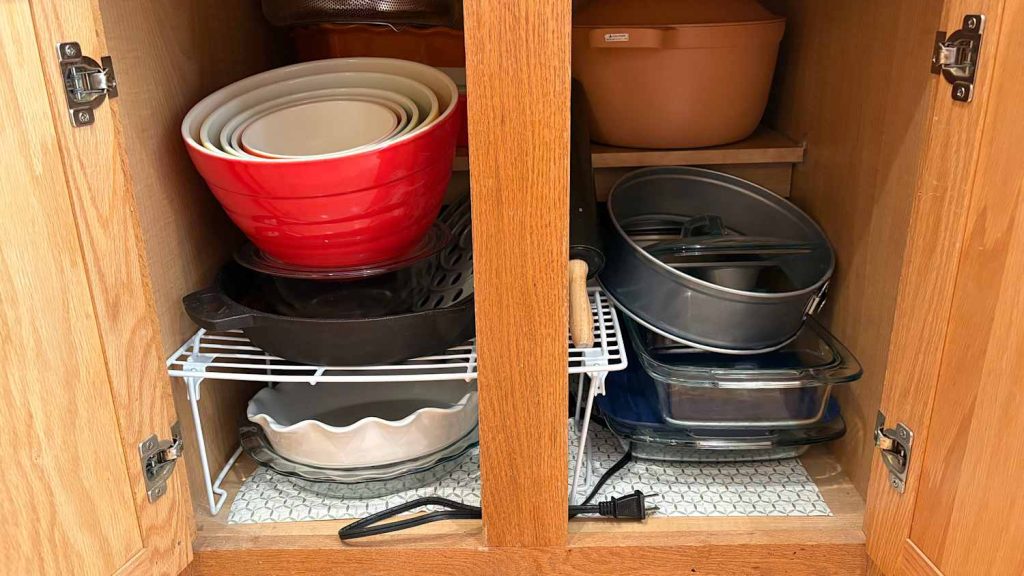
Feeling overwhelmed by the clutter in your brand-new kitchen? You’re not alone.
The excitement of a new kitchen can quickly turn into chaos if things aren’t organized from the start. Imagine opening your cabinets to neatly arranged pots and pans, effortlessly finding the spices you need, and having all your utensils exactly where you want them.
Sounds great, right? Organizing your kitchen isn’t just about tidying up; it’s about creating a space that works for you, making cooking more enjoyable and efficient. With a few smart strategies, you can transform your kitchen into a functional and stress-free zone. Ready to unlock the secrets to a perfectly organized kitchen? Let’s dive in!

Credit: www.tiktok.com
Planning Your Kitchen Layout
Designing a kitchen layout involves smart organization to maximize space and efficiency. Place frequently used items within easy reach. Keep work zones clear to make cooking enjoyable and stress-free.
Planning a kitchen layout involves careful thought. It’s crucial for functionality and style. A well-organized kitchen saves time and enhances the cooking experience. Begin with a clear plan to make the most of your space. Here’s how to approach this task effectively.Assessing Space And Needs
Evaluate the available space in your kitchen. Measure the dimensions accurately. Note existing fixtures like sinks and power outlets. Consider your family’s needs. Do you cook often or entertain guests? These factors influence your layout choices. Think about storage requirements. More cabinets might be necessary for larger families. Smaller kitchens may need creative storage solutions. Consider future needs as well. Planning for growth avoids costly changes later.Choosing Functional Zones
Divide the kitchen into functional zones. This approach improves workflow and efficiency. The primary zones include preparation, cooking, and cleaning areas. Each zone serves a specific purpose. – Preparation Zone: This area should have counter space. It’s where you chop and mix ingredients. Keep knives and cutting boards nearby for convenience. – Cooking Zone: Place the stove and oven here. Store pots, pans, and cooking utensils within reach. This setup ensures a smooth cooking process. – Cleaning Zone: The sink and dishwasher belong here. Keep cleaning supplies and trash bins close. This arrangement makes cleaning up faster. Plan the layout to minimize unnecessary movement. This saves time and effort while cooking. A well-organized kitchen enhances your culinary experience. It becomes a joy to prepare meals in such a space.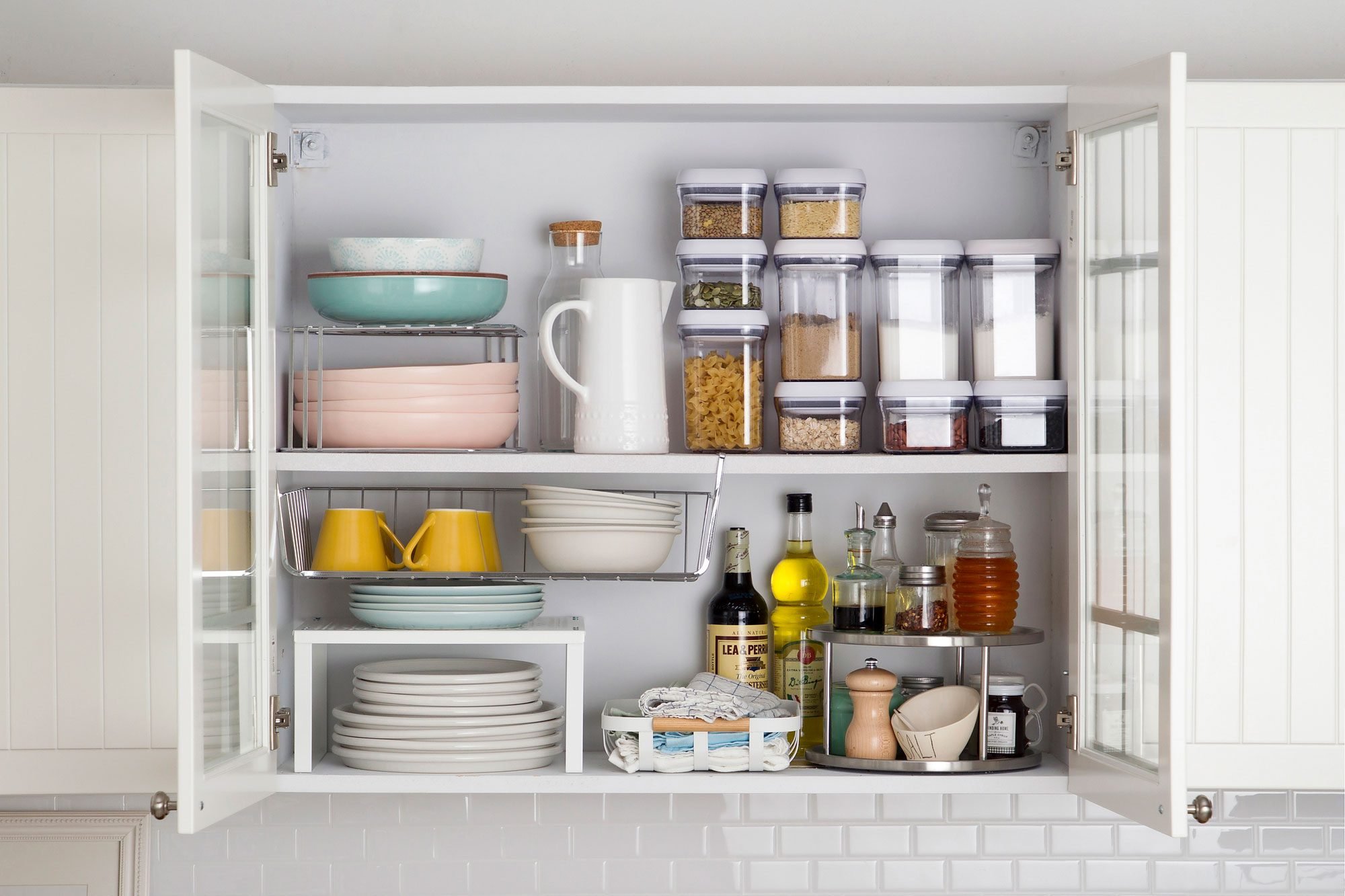
Credit: www.rd.com
Selecting Storage Solutions
Organizing a new kitchen can be exciting but challenging. Proper storage solutions make the space functional and clutter-free. Carefully choosing cabinets and pantry designs is essential. It ensures easy access to items and maximizes space.
Cabinet Options
Cabinets are a key component in kitchen organization. Different types offer various benefits. Choose between open shelves or closed cabinets based on needs. Open shelves display frequently used items, making access easy. Closed cabinets keep things tidy and out of sight.
Consider cabinet materials and finishes. Wooden cabinets add warmth and are durable. Metal cabinets offer a modern look and are easy to clean. Glass-front cabinets showcase beautiful dishware and help locate items quickly.
- Adjustable shelves increase storage flexibility.
- Pull-out drawers help reach items at the back.
- Lazy Susans make corner cabinets more accessible.
Efficient Pantry Designs
An organized pantry saves time and keeps food fresh. Design it with easy access in mind. Shelves should be adjustable to accommodate different-sized items. Group similar items together for quicker retrieval.
Utilize vertical space with tall shelves. Store seldom-used items higher up. Use transparent containers for dry goods. It helps see contents without opening them.
| Feature | Benefit |
|---|---|
| Sliding doors | Save space in tight areas. |
| Labeling system | Find items quickly. |
Incorporate pull-out baskets for easy access. These are perfect for snacks or produce. Utilize door racks for spices or condiments. This maximizes space and keeps everything within reach.
Organizing Utensils And Cookware
Organize a new kitchen by grouping similar items together. Store utensils in accessible drawers or containers. Hang pots and pans for easy access and space-saving.
Organizing utensils and cookware in a new kitchen can be fun. Start by thinking about how often you use each item. This helps in deciding where to place them. Grouping similar items together makes cooking easier. You’ll find what you need quickly.Drawer Dividers
Drawer dividers keep utensils neat and tidy. They stop items from jumbling together. Use dividers to separate forks, spoons, and knives. This way, grabbing the right utensil becomes quick. Choose adjustable dividers for flexible spaces. They help in customizing based on your needs. Even small gadgets like peelers fit well in divided spaces.Hooks And Racks
Hooks and racks save space in your kitchen. Hang pots and pans on racks for easy reach. Hooks are great for hanging spatulas and ladles. Attach them to walls or inside cabinets. This keeps counters clear and utensils handy. Choose sturdy hooks to hold heavier items securely. These solutions make your kitchen look organized and stylish.Arranging Small Appliances
Position small appliances in easy-to-reach spots to streamline kitchen tasks. Group similar items together for efficient use. Keep counters clear by storing seldom-used gadgets in cabinets.
Arranging small appliances in your kitchen can significantly impact both functionality and aesthetics. After all, a well-organized kitchen not only makes cooking more enjoyable but also helps maintain a clutter-free space. Consider your daily routines and cooking habits to decide the most efficient layout for your appliances.Countertop Placement
Choosing the right spot for your small appliances on the countertop is crucial. Think about frequency of use. Do you reach for your coffee maker every morning? Keep it within easy reach so your morning ritual is seamless. Position appliances close to outlets to avoid the hassle of tangled cords. This keeps the space tidy and minimizes the risk of accidents. Avoid overcrowding the countertop. Too many appliances can make your kitchen feel cramped. Instead, select a few essential items to display and store the rest.Appliance Garage Ideas
An appliance garage can be a game changer. It offers a designated space to tuck away small gadgets, keeping them out of sight yet accessible. Consider a slide-out shelf in a cabinet for easy access. This allows you to store your toaster or blender without cluttering the countertop. If you have a bit more room, a tall cabinet with a roll-up door can house multiple appliances. This stylish solution keeps your kitchen looking sleek while making sure everything is within arm’s reach. Would dedicating a specific space for appliances change how you navigate your kitchen? A thoughtful layout can transform a chaotic space into a culinary haven.Optimizing Food Storage
Optimizing food storage in a new kitchen involves clever use of space and labeling. Group similar items together for easy access. Keep frequently used items in accessible areas to streamline cooking and meal preparation.
Optimizing food storage in your kitchen is more than just a space-saving strategy. It’s about making your cooking experience smoother and more enjoyable. A well-organized kitchen means less time searching for ingredients and more time creating delicious meals.Refrigerator Organization
Begin with a clean slate by emptying your fridge and giving it a good wipe down. Categorize your items to create a logical flow. Store dairy products on the top shelves where the temperature is consistent, while raw meats should be kept on the bottom shelf to prevent cross-contamination. Use clear bins to separate fruits, vegetables, and snacks. This allows you to see everything at a glance. Label these bins so everyone in your household knows where things go. Don’t forget the doors. These are the warmest part of your fridge, ideal for condiments and sauces but not for milk or eggs. Think about how often you need certain items and place them accordingly for easy access.Dry Goods System
Creating a dry goods system starts with grouping similar items together. Keep baking supplies like flour and sugar in one area, and grains and pasta in another. This helps you know at a glance what you have and what you need. Consider using clear, airtight containers. They keep your food fresh and allow you to see quantities. Stackable designs can maximize vertical space in your pantry. Place frequently used items at eye level. This simple change can speed up your meal prep. Make a list of what you have and stick it to the inside of your pantry door. This helps with meal planning and prevents overbuying. Have you ever bought an extra bag of rice, only to find you already had two at home? An organized system can save you from these little frustrations.Creating A Cleaning Station
Creating a cleaning station in a new kitchen simplifies organization. Keep cleaning supplies in one easy-to-access area. Place brushes, sprays, and cloths near the sink for convenience during meal prep and cleanup.
Creating a cleaning station is essential in a new kitchen. It ensures efficiency and convenience. A well-organized cleaning station saves time and effort. It also keeps the kitchen tidy and hygienic. Let’s explore how to set up an effective cleaning station.Sink Area Setup
The sink is the heart of your cleaning station. Position it near the cooking area. This makes washing ingredients easy. Install a pull-out faucet for flexibility. It helps in rinsing large pots and pans. Consider a double-bowl sink for multitasking. One side for washing and the other for rinsing. Keep a dish rack nearby. It allows air drying of dishes without clutter.Cleaning Supply Storage
Store cleaning supplies under the sink. Use baskets or bins to keep items organized. Label each container for easy access. Store essentials like dish soap, sponges, and scrubbers. Consider installing hooks inside cabinet doors. They hold brushes and gloves. Use a small caddy for frequently used items. It makes moving supplies around easier.Incorporating Personal Style
Adding personal touches can make your kitchen more inviting. Use colorful utensils or unique dishware. Display items that reflect your style, like vintage jars or modern containers, to create a space that’s truly yours.
Incorporating personal style into your new kitchen can make it feel like home. The kitchen is often the heart of the house. It’s where meals are made and memories are shared. Personal touches can make your kitchen both functional and inviting. Let’s explore how color schemes and decorative elements can reflect your unique taste.Color Schemes
Choosing the right color scheme sets the mood. Bright colors can make the space feel lively. Soft pastels create a calm, relaxing atmosphere. Consider the size of your kitchen. Light colors can make small spaces appear larger. Darker shades add a touch of elegance to bigger kitchens. Balance is key. Use two or three colors that complement each other. Add a splash of color with accessories like towels or small appliances.Decorative Elements
Decorative elements bring personality to your kitchen. Artwork can add character and warmth. Consider hanging a favorite piece on a bare wall. Shelves can display beautiful dishes or cookbooks. Plants add life and fresh air. Choose easy-to-care-for varieties like succulents. Rugs can add comfort and style. Select a pattern that matches your color scheme. Even small details like drawer handles can reflect your taste. Choose materials that fit your style, like brass or ceramic.
Credit: www.youtube.com
Maintaining Your Organized Kitchen
Organizing a new kitchen starts with sorting items by function and frequency of use. Arrange cookware, utensils, and appliances where they are easily accessible. Use clear containers and labels to maintain visibility and order, ensuring a seamless cooking experience.
Maintaining Your Organized Kitchen An organized kitchen doesn’t just happen once. It requires consistent upkeep to stay functional and inviting. You might find that small efforts can make a big difference in maintaining order.Regular Decluttering
Your kitchen is a high-traffic area, so clutter builds up quickly. Make it a habit to clear out unnecessary items weekly. Whether it’s expired food in your pantry or utensils you never use, removing them frees up space and reduces stress. Set a day, like Sunday, to evaluate your kitchen. Keep a donation box for items you no longer need. Remember, the less clutter you have, the easier it is to find what you actually use.Seasonal Adjustments
Each season brings different cooking habits and ingredients. Adjust your kitchen layout to match these changes. During summer, you might need more space for fresh produce; in winter, more room for baking supplies. Reorganize pantry shelves to prioritize seasonal ingredients. This not only keeps your kitchen functional but also inspires you to try seasonal recipes. Ask yourself what needs to be more accessible right now. Involve your family in these adjustments, making it a fun activity. It’s a great way to teach kids about organization and help them understand the value of a tidy space.Frequently Asked Questions
How Do I Start Organizing My Kitchen?
Begin by decluttering your kitchen space. Remove items you rarely use and group similar items together. This helps create a clean slate. Organize your cabinets and drawers by functionality, placing frequently used items within easy reach. Label shelves for easy identification and invest in organizers to maximize space.
What Are Essential Kitchen Organization Tips?
Utilize vertical space with shelves or hanging racks. Store pots and pans near the stove for convenience. Use drawer dividers for utensils and invest in clear containers for pantry items. Keep countertops clutter-free by using hooks or magnetic strips for tools.
Regularly review and adjust your organization to maintain efficiency.
How Can I Maximize Kitchen Storage?
Use stackable containers to save space in cabinets and pantry. Install pull-out shelves for easy access to items at the back. Consider over-the-door storage solutions for additional space. Use lazy Susans in corner cabinets and invest in modular shelving systems.
Prioritize multi-functional items to reduce clutter.
What Are The Best Ways To Organize A Pantry?
Start by grouping similar items and labeling shelves for easy identification. Use clear containers to store dry goods and stack them for space efficiency. Implement a first-in, first-out system for canned and packaged items. Arrange items by category and consider using tiered shelves for smaller items.
Conclusion
A well-organized kitchen makes cooking simple. Start with clear goals. Arrange items based on how often you use them. Keep essentials close. Use labels for easy finding. Store rarely used items high or low. Clean regularly to maintain order. This method saves time and stress.
Your kitchen should feel welcoming and functional. Changes take time, so be patient. Enjoy the process. A neat kitchen means more fun in cooking. Remember, small adjustments bring big benefits. You can create a space that suits your needs. Happy organizing!