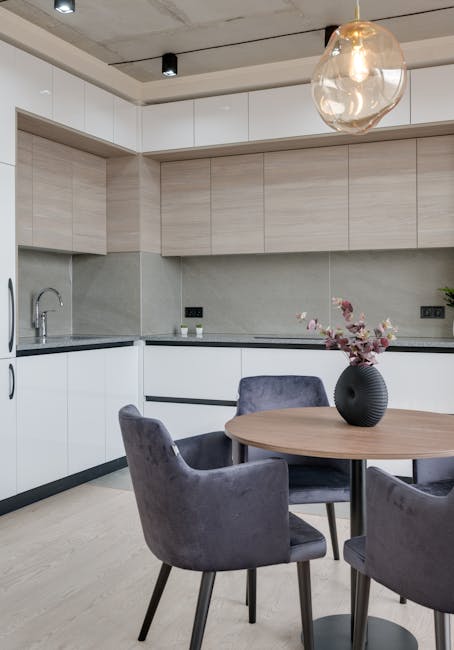
Imagine stepping into your kitchen and feeling an immediate sense of calm. The counters are clear, the cabinets are tidy, and everything you need is right where it belongs.
Sounds like a dream, right? But it’s entirely achievable! You might often find yourself overwhelmed by cluttered countertops or hunting for that elusive spice in a crowded cupboard. Organizing your kitchen can transform your daily routine, making cooking a breeze and creating a space where you genuinely enjoy spending time.
You’ll discover simple yet effective strategies to organize your kitchen, tailored to fit your lifestyle and needs. Say goodbye to chaos and hello to a kitchen that works for you. Dive in to learn how to make this dream a reality!

Credit: simplicityhomeliving.com
Declutter And Assess
Begin by clearing out unnecessary items from your kitchen. Assess what you use regularly and discard or donate the rest.
Decluttering and assessing your kitchen is a vital step. It helps create an organized and efficient space. Begin by taking a good look at every item you own. This process not only frees up space but also makes cooking more enjoyable.Identify Essentials
Start by identifying the essentials. These are items you use daily. Think about your favorite pots, pans, and utensils. Keep the ones you reach for most often. The goal is to have easy access to these crucial items.Eliminate Redundancies
Next, eliminate redundancies. Check for duplicate items. Do you have three spatulas but use only one? Donate or store the extras. This reduces clutter and makes finding things easier. By focusing on these steps, your kitchen will become a well-organized space. It will be ready for you to create delicious meals with ease.Utilize Vertical Space
Organizing your kitchen can transform it into a functional space. Vertical storage solutions are key in maximizing efficiency. This approach not only saves space but also enhances accessibility. With vertical storage, you can keep your kitchen neat and tidy. Here are some practical ways to utilize vertical space effectively.
Install Shelving
Adding shelves can create ample storage for kitchen essentials. Wall-mounted shelves offer easy access to frequently used items. Consider adjustable shelves for flexibility and better organization. Open shelving gives a modern look and keeps items within reach. You can display cookbooks, jars, and decorative items. Use sturdy materials to ensure durability and safety.
Hang Pots And Pans
Hanging pots and pans saves cabinet space and adds style. Use a sturdy rack or hooks on walls or ceiling. This method keeps cookware organized and easily accessible. You can display shiny pots, adding a decorative touch. Ensure the hanging system supports the weight. Proper installation prevents accidents and maintains kitchen safety.
Smart Storage Solutions
Smart storage solutions can transform your kitchen into an organized haven where everything is easy to find and use. Imagine opening a drawer and immediately spotting the utensil you need, or pulling out a cabinet to reveal neatly stacked pots and pans. It’s all about utilizing the space efficiently and making your daily tasks smoother. Let’s dive into some practical storage ideas that can make your kitchen functional and clutter-free.
Drawer Dividers
Drawer dividers are a game-changer for organizing small items like cutlery, kitchen tools, and spices. They help keep things from turning into a chaotic jumble. You can customize them to fit the specific dimensions of your drawers, ensuring every item has its own place. This not only saves time but also keeps your kitchen looking tidy.
Think about the frustration of rummaging through a drawer for a spatula. With dividers, everything is visible and within reach. You might find that cooking becomes a more pleasant experience when you’re not hunting for utensils.
Pull-out Cabinets
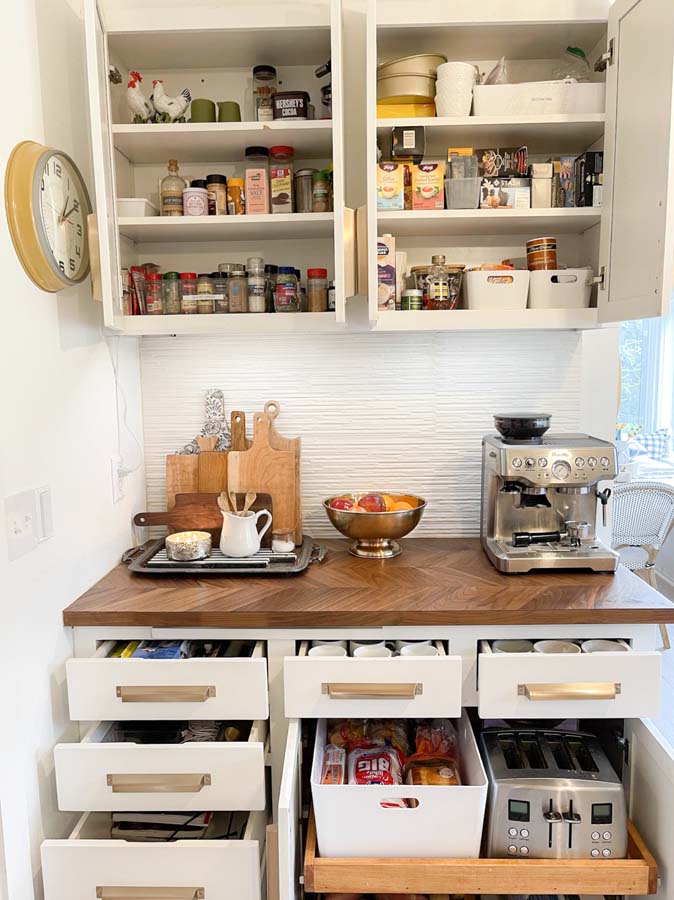
Pull-out cabinets offer a clever solution for maximizing storage space. They are particularly useful for heavy or bulky items like pots and pans, which can be hard to access in standard cabinets. With pull-out shelves, you can easily slide out the entire shelf to grab what you need without hassle.
Have you ever stacked pans only to have them all clatter down when you need the one on the bottom? Pull-out cabinets eliminate this problem by providing easy access to everything. They can be a lifesaver for maintaining order in your kitchen.
Ask yourself: How much time do you waste rearranging items just to reach that one pot in the corner? Pull-out cabinets can put an end to that struggle.
Credit: www.hallstromhome.com
Optimize Counter Space
Optimizing your kitchen counter space can transform the way you cook and entertain. A clutter-free counter not only enhances the aesthetic appeal of your kitchen but also boosts your efficiency while preparing meals. Think about how often you struggle to find space for cutting vegetables or rolling out dough. By organizing thoughtfully, you create a functional area that makes cooking a joy rather than a chore.
Appliance Placement
Consider the placement of your appliances. Do you really need that bread maker on the counter every day? Store less frequently used appliances elsewhere. This opens up valuable space for tasks you perform daily.
Think about accessibility. Place items like coffee makers near water sources for easy refilling. Group appliances together that you often use at the same time, such as the toaster and kettle, to streamline your morning routine.
Evaluate how often you use each appliance and adjust their placement accordingly. This simple shift can enhance your workflow and reduce unnecessary clutter.
Multi-functional Items
Incorporate multi-functional items to maximize your counter space. Choose a cutting board that can fit over the sink to free up counter space for other tasks. This allows you to cut veggies without sacrificing space for other prep work.
Opt for appliances that serve multiple purposes. A blender that doubles as a food processor can save you from crowding your counter with multiple gadgets.
Explore creative solutions like magnetic knife strips on the wall instead of bulky knife blocks on the counter. They offer functionality without taking up precious surface area. What item in your kitchen could serve more than one purpose?
Organize Pantry
Organizing your pantry can transform not only your kitchen but also your cooking habits. A well-organized pantry allows you to quickly find what you need, reducing meal prep time and minimizing food waste. As you embark on this journey, consider how a well-ordered pantry can make you feel more in control and inspired in the kitchen.
Categorize Food Items
Start by grouping similar items together. Create categories like grains, canned goods, snacks, and spices. This helps you quickly locate ingredients and makes restocking simpler.
How often have you bought duplicates because you couldn’t find something? Avoid this by assigning specific areas for each category, whether it’s a shelf or a section of a shelf.
Consider a logical flow that suits your cooking habits. For instance, place breakfast items within easy reach if that’s when you cook most often.
Use Clear Containers
Clear containers are a game-changer in pantry organization. They allow you to see the contents at a glance, reducing the need to rummage through boxes and bags.
Choose containers that fit your shelves and can stack neatly. This maximizes space and keeps everything looking tidy.
- Label each container with the item name and expiration date.
- Opt for airtight containers to keep your food fresh longer.
Have you ever noticed how appealing a row of neatly aligned containers looks? It not only boosts your pantry’s aesthetic but also encourages you to keep it organized.
Labeling System
Creating a labeling system in your kitchen can transform chaos into order, making meal prep a breeze. Imagine reaching for a spice or a snack and instantly knowing what’s inside each container. It’s a game-changer in streamlining your cooking process. Not only does this save you time, but it also reduces food waste as you can easily spot items nearing expiration. Let’s dive into two essential components of an efficient labeling system: Label Containers and Date Food Items.
Label Containers
Start by labeling all your containers, from pantry staples like flour and sugar to spices and snacks. Use clear, legible fonts, and waterproof labels to withstand kitchen spills. You could opt for color-coded labels for different food categories, adding a visual cue to simplify retrieval.
Consider investing in a label maker for a professional touch, or embrace creativity with handwritten labels if you enjoy a personal touch. Labels can help family members easily find what they need, fostering a collaborative cooking environment. Have you ever spent ages searching for a specific ingredient? Labels eliminate this hassle!
Date Food Items
Dating food items is crucial to prevent spoilage and ensure freshness. Use labels to note the date of purchase or the date you opened the item. This practice allows you to prioritize using older items before they expire, saving money and reducing waste.
Try labeling leftovers with ‘eat by’ dates, reminding you to consume them while they’re still tasty. You might be surprised at how much more organized your fridge looks when everything is dated. What’s your strategy for avoiding expired foods? Implementing a dating system can be your secret weapon.
Creative Small Space Hacks
Maximize kitchen space with vertical storage solutions. Use hooks for utensils and racks for pots. Organize pantry items in clear, stackable containers to save space and keep everything visible.
Organizing a small kitchen can be challenging. Limited space demands creative solutions. With some clever hacks, you can make the most of every inch. Let’s explore two smart ideas for maximizing your kitchen space.Magnetic Strips
Magnetic strips are versatile. They can hold knives, scissors, and other metal tools. Mount them on walls or inside cabinets. This frees up counter space. You also save drawer space. Magnetic strips keep tools visible and accessible. Installation is easy and quick. They offer a tidy way to store kitchen essentials.Under-shelf Baskets
Under-shelf baskets are a smart storage option. They create extra space without extra furniture. These baskets slide onto shelves, utilizing the space below. Use them for snacks, kitchen towels, or small utensils. They help keep items organized and within reach. No more rummaging through cluttered shelves. With under-shelf baskets, you gain more storage in seconds.Regular Maintenance
Regular maintenance keeps your kitchen organized. Clean surfaces often to prevent clutter. Sort and store items for easy access.
Regular maintenance keeps your kitchen organized and tidy. It makes cooking and cleaning more enjoyable. Consistent upkeep prevents clutter from building up. It also ensures that everything has its place. A well-maintained kitchen saves time and reduces stress. Let’s explore some effective maintenance strategies.Monthly Clean-up
Set aside time each month for a thorough clean-up. Focus on areas that accumulate dirt and grime. Wipe down cabinets, countertops, and appliances. Use a gentle cleaner for surfaces. Clean the inside of the microwave and oven. Remove crumbs and spills from the refrigerator. This prevents odors and keeps food fresh. Organize drawers and shelves. Return items to their designated spots. Dispose of broken or unused utensils. This creates more space and improves functionality. Regular cleaning makes the kitchen inviting and efficient.Check Expiry Dates
Check food expiry dates monthly. This prevents using expired items. Start with the pantry and move to the fridge. Look for signs of spoilage in fresh produce. Discard expired or stale items immediately. Keep an eye on spices and condiments too. They can lose flavor over time. Consider creating a list of soon-to-expire items. Plan meals around these foods to minimize waste. This practice helps maintain a fresh and healthy kitchen. It also aids in better meal planning and budgeting.:max_bytes(150000):strip_icc()/target-organize-kitchen-like-a-pro-GettyImages-1441243849-884a854c17774b19ad7d4bd185a42dfd.jpg)
Credit: www.realsimple.com
Frequently Asked Questions
How Do I Start Organizing My Kitchen?
Begin by decluttering and removing items you no longer use. Group similar items together, like utensils or spices, for easier access. Use clear storage containers and labels to maintain order. Regularly reassess and adjust your organization system to fit your changing needs.
What Is The Best Way To Store Pots And Pans?
Use a dedicated cabinet or hanging rack for pots and pans. Stack them by size to maximize space and accessibility. Consider using dividers or shelving to separate lids and pans, making retrieval easier. Regularly check for wear and replace damaged items.
How Can I Optimize My Pantry Space?
Start by categorizing items into groups like snacks, canned goods, and baking supplies. Use clear bins and labels for easy identification. Consider adjustable shelving to maximize vertical space. Regularly rotate items to ensure freshness and reduce clutter.
How Do I Organize Kitchen Drawers Effectively?
Sort items by category, such as utensils or gadgets, using dividers. Keep frequently used items in top drawers for easy access. Periodically reassess contents to remove unused items. Consider adding non-slip liners to prevent shifting and maintain organization.
Conclusion
Organizing a kitchen can transform your cooking experience. Clear counters make cooking fun. Label jars and containers for easy access. Arrange items by frequency of use. Keep essentials within reach. Store rarely used tools higher up. Regular decluttering keeps the kitchen tidy.
Simple steps bring big changes. A well-organized kitchen saves time. Enjoy cooking with less stress. A clean space boosts creativity. Start small and see the difference. Your kitchen can become a favorite spot. Happy cooking in your newly organized kitchen!