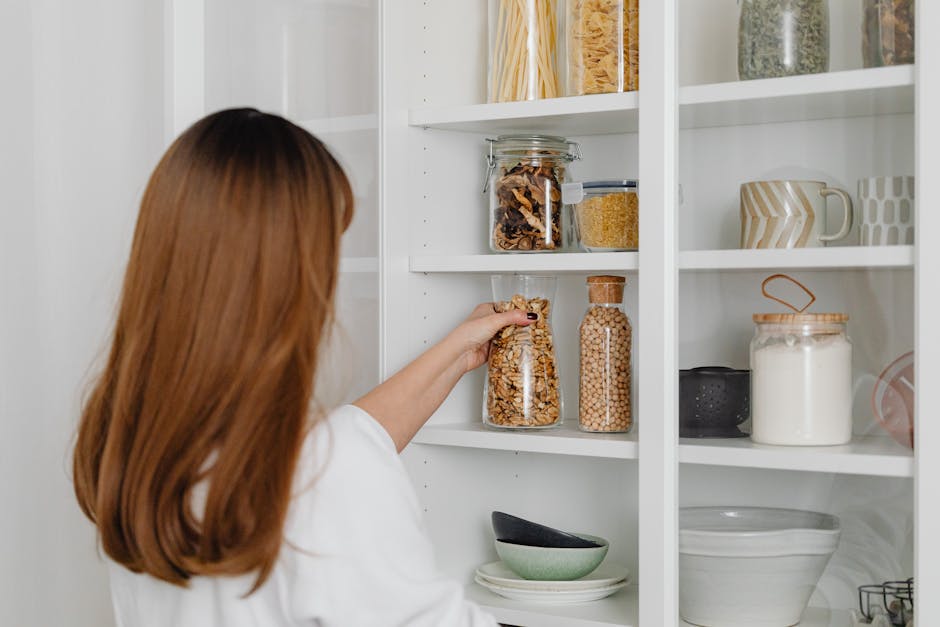
Imagine opening your kitchen pantry and finding everything neatly arranged, with each item in its rightful place. No more rummaging through cluttered shelves or discovering expired products.
An organized pantry not only saves you time but also makes cooking more enjoyable. If you’ve been dreaming about transforming your chaotic pantry into a space of order and efficiency, you’re in the right place. In this guide, you’ll discover simple yet effective strategies to organize your kitchen pantry.
You’ll learn how to categorize items, maximize space, and maintain this new order effortlessly. So, if you’re ready to turn your pantry into a well-organized haven, keep reading to unlock the secrets of pantry perfection.
Assess Your Space
Evaluate available space and shelf height in your pantry. Consider how often you use items and group them accordingly. Use clear containers and labels to easily identify ingredients and maintain order.
Assessing your space is the first step in organizing your kitchen pantry. Understand the available area and what it can hold. This helps maximize storage and maintain order. A well-organized pantry saves time and reduces stress.Analyze Your Current Layout
Examine the current arrangement of items. Are they easily reachable? Determine if the layout works for your daily needs.Measure Your Pantry Dimensions
Use a tape measure to get exact dimensions. Knowing size helps when purchasing storage containers and shelves.Identify Problem Areas
Look for cluttered or hard-to-reach spots. These areas may need special attention to improve functionality.Consider Your Pantry’s Accessibility
Think about how often you access different items. Place frequently used products within easy reach.Evaluate Your Storage Solutions
Check existing shelves and containers. Are they suitable for your items? Decide if you need new storage solutions.Plan For Future Needs
Consider future needs and changes. Will your family grow? Plan for extra space to accommodate new items.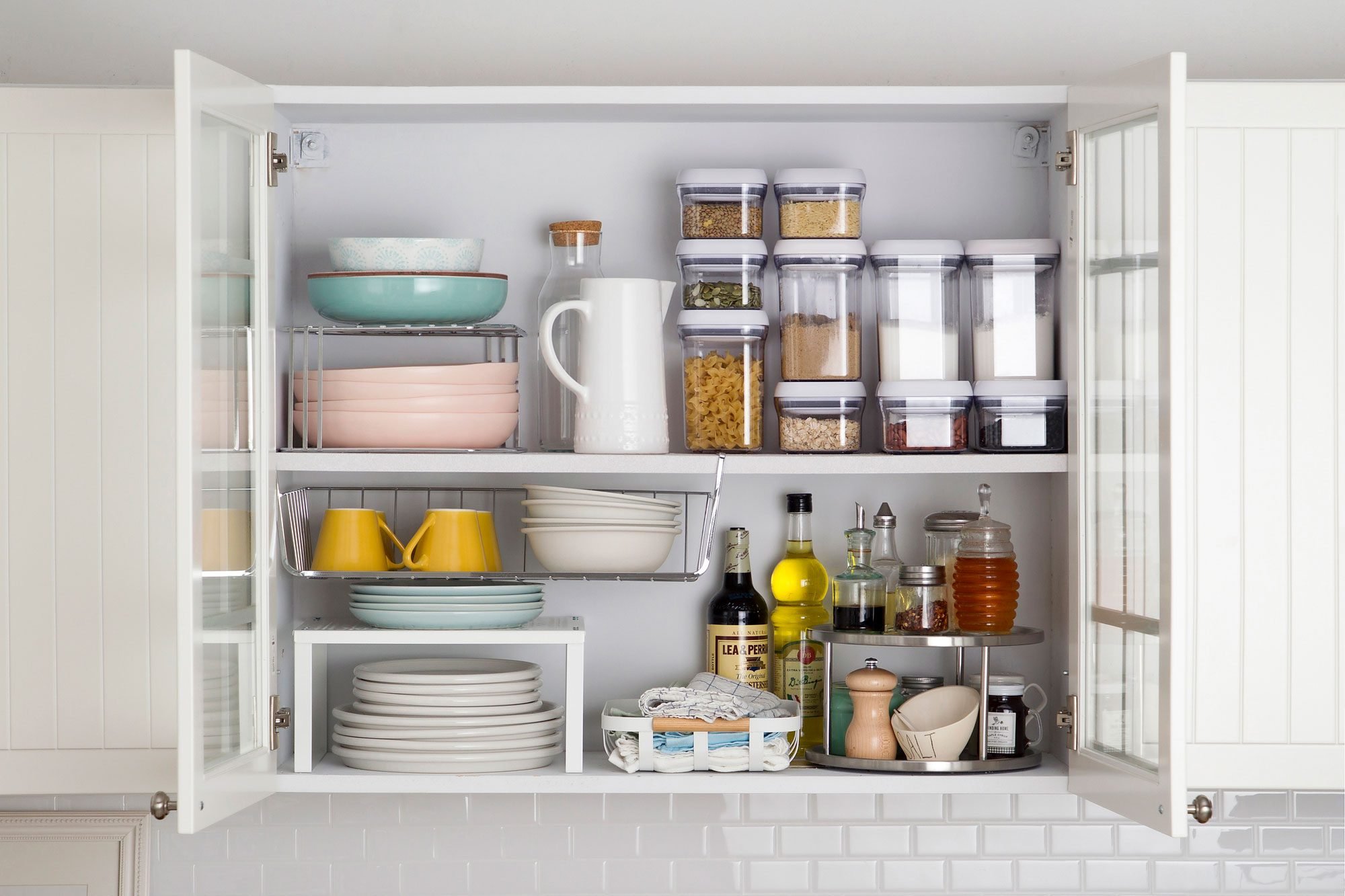
Credit: www.rd.com
Clear And Clean
Organizing a kitchen pantry can often seem like a daunting task, but starting with a clear and clean approach can make the process much more manageable. A clutter-free pantry not only enhances efficiency but also creates a visually pleasing space. Imagine opening your pantry and knowing exactly where everything is; it’s possible with a little effort and strategy.
Clear Out Expired Items
Begin by removing expired and stale food items. Grab a trash bag and start tossing out anything that’s past its prime. It’s surprising how much space you can reclaim. Check the back corners and upper shelves where forgotten items tend to hide. As you clear out these items, you might feel a sense of liberation, almost as if you’re decluttering your mind as well.
Clean The Shelves
Once the pantry is empty, take the opportunity to clean the shelves thoroughly. Use a damp cloth or sponge with a mild cleaner to wipe away dust, crumbs, and spills. Consider how fresh and inviting your pantry will feel with sparkling clean surfaces. If you’ve ever found yourself sneezing near your pantry, this step could be your solution.
Assess Your Pantry Space
Now that the shelves are clean, assess the space you have. Look for any unused areas or awkward corners. Could you add a lazy Susan to maximize corner space or install hanging racks for extra storage? Imagine your pantry as a puzzle waiting to be solved with creative solutions. You might discover more space than you initially thought.
Group Similar Items Together
Start grouping similar items together based on categories such as baking supplies, canned goods, and snacks. Use clear bins or baskets to keep items organized and easily accessible. Picture the ease of grabbing ingredients for a recipe when everything is neatly sorted. This method not only saves time but also minimizes frustration during meal prep.
Once you’ve grouped items, consider labeling them. Labels can be simple or creative, depending on your style. They help maintain the organization long-term, especially if multiple people use the pantry. Imagine the satisfaction of seeing everything in its designated spot, clearly marked for future reference. Labels are like a map guiding you through your well-organized space.
As you clear and clean your pantry, think about the benefits beyond just organization. How does it make you feel to have a space that’s functional and tidy? Could this be the motivation to tackle other areas in your home? The journey might start with the pantry, but the possibilities are endless.
Categorize Items
Organize a kitchen pantry by categorizing items. Group similar products like grains, canned goods, and snacks together. Use clear containers for visibility and labels for easy identification.
Organizing your kitchen pantry begins with categorizing items effectively. This approach not only makes it easier to find what you need but also helps you keep track of your inventory. Imagine opening your pantry and instantly knowing where each item is stored. It’s possible with a few simple strategies. Let’s dive into how you can categorize your pantry items for optimal efficiency.Food Grouping
Start by grouping food items into categories. Think about how you use them in your daily cooking. Do you often reach for pasta, canned goods, or baking supplies? Dedicate specific shelves or sections for each category. Creating zones for grains, snacks, and breakfast items can save you time. Use clear containers or baskets to keep similar items together. This method not only enhances visibility but also prevents clutter. Consider the frequency of use when organizing. Items used daily should be at eye level. Less frequently used items can be stored higher up. This arrangement ensures easy access and maintains order.Non-food Essentials
Don’t forget about non-food essentials. They play a crucial role in a well-organized pantry. Think about where to store things like cleaning supplies, reusable bags, and paper towels. Dedicate a section for these items away from food, to prevent contamination. Use hooks or small baskets to keep them accessible yet out of the way. Labeling is key here. You don’t want to mix cleaning supplies with food. Clear labels help you quickly spot what you need, maintaining a clean and efficient pantry. Have you considered the impact of categorizing on your shopping habits? When each item has a dedicated spot, it’s easier to see what’s running low. This clarity can guide your shopping list, ensuring you only buy what’s needed. How might this change the way you approach your pantry organization?Utilize Storage Solutions
Maximize space with tiered shelves and clear containers. Labeling ensures easy access to ingredients. Efficient storage keeps your pantry tidy and functional.
Organizing a kitchen pantry can be a satisfying endeavor, especially when you utilize smart storage solutions. Imagine opening your pantry door to find everything neatly arranged and easy to access. The key lies in selecting the right shelving options and using containers and baskets effectively. Let’s delve into how these storage solutions can transform your pantry into a model of efficiency.Shelving Options
Choosing the right shelving can make all the difference in your pantry organization. Adjustable shelves offer the flexibility to change the layout as your storage needs evolve. If you often stock up on canned goods, consider installing deeper shelves to accommodate them neatly. Floating shelves can be a game-changer for maximizing vertical space. They provide an open view, making it easier to locate items quickly. Think about incorporating a mix of fixed and adjustable shelves for the best of both worlds.Containers And Baskets
Containers and baskets are essential for maintaining order in your pantry. Transparent containers can help you quickly identify contents and manage inventory levels. Consider using uniform containers for a streamlined look and to stack them efficiently. Baskets are perfect for grouping similar items together, like snacks or baking supplies. Choose baskets with handles for easy pulling and access. Labeling each basket or container can further enhance organization and reduce the time spent hunting for items. Have you ever noticed how a tidy pantry can inspire more creativity in the kitchen? By investing in the right storage solutions, you’ll not only enhance functionality but also create a space that invites culinary adventures. What storage solutions have you found most effective in your pantry?Label Everything
Labeling containers and shelves streamlines pantry organization. Clear labels help quickly find ingredients and reduce clutter. An organized pantry saves time during meal prep and keeps track of food inventory.
Organizing your kitchen pantry can transform your cooking experience and daily routine. One of the most effective strategies in creating a functional pantry is to label everything. Labels make it easy to find what you need, keep track of your inventory, and maintain order. They also add a touch of personalization and style to your kitchen space. But how do you go about labeling effectively? Let’s explore this further.Why Labeling Is Essential
Labeling helps you identify items at a glance, saving you time and effort. Imagine reaching for a jar and instantly knowing its contents without having to open it. This is especially helpful when you’re in a rush or have multiple similar-looking items. Labels also play a crucial role in managing your pantry’s stock, helping to prevent overbuying or running out of essentials.Types Of Labels To Consider
There are various types of labels you can use, depending on your aesthetic preference and budget. Chalkboard labels are reusable and give a rustic look, while printed labels offer a clean and professional appearance. If you prefer a minimalist style, clear labels might be your best choice. Consider the durability of the labels, especially if your pantry is exposed to humidity or heat.Diy Vs. Store-bought Labels
Creating your own labels can be a fun project if you enjoy crafts. You can customize fonts, colors, and designs to match your kitchen decor. On the other hand, store-bought labels save time and come in a wide range of styles. Weigh the pros and cons: do you prefer the personalization of DIY, or the convenience of ready-made options?Organizing Labels For Maximum Efficiency
Once you’ve decided on your labels, the next step is to organize them logically. Group similar items together and ensure that labels are clear and readable. For example, place all baking supplies in one section, and grains in another. This system not only enhances the aesthetic appeal but also boosts your pantry’s functionality.Maintaining Your Labeled Pantry
Labeling is not a one-time task. As you restock or rearrange your pantry, labels may need updating. Regularly check for smudged or outdated labels and replace them as needed. Ask yourself: Are the labels still serving their purpose? This simple maintenance can keep your pantry organized and efficient long-term. Incorporating labels into your kitchen pantry organization can be a game-changer. It brings clarity and order to your space, making meal prep smoother and more enjoyable. What labeling strategy will you try first?Implement Rotation System
Implementing a rotation system ensures freshness in your kitchen pantry. Place newer items behind older ones to promote usage of existing stock first. This technique helps reduce waste and keeps your pantry organized.
Organizing a kitchen pantry efficiently can save time and reduce food waste. One effective strategy is implementing a rotation system. This method ensures older items get used before new ones, maintaining freshness and safety. It involves a simple yet effective practice: placing newly bought items behind older ones. This approach helps in keeping your pantry organized and functional. Below are some key aspects of the rotation system.Fifo Method
FIFO stands for “First In, First Out.” It’s a popular inventory system in grocery stores and restaurants. In your pantry, place older items at the front and newer ones at the back. This way, you use the oldest products first, reducing spoilage. It’s a straightforward method that can make a big difference in managing your food supplies. Label shelves to help family members follow this method too.Expiration Date Awareness
Knowing expiration dates is crucial for a well-organized pantry. Check dates before putting items on shelves. Group items with similar expiration dates together. This makes it easier to spot what needs to be used soon. Keep a checklist of items approaching their expiration. This practice helps in planning meals around those items. It also reduces the risk of consuming expired products. Regularly reviewing expiration dates keeps your pantry safe and efficient.Maintain Regular Upkeep
Regular upkeep keeps your kitchen pantry neat and functional. Organize shelves and bins to ensure easy access. Check expiration dates and rearrange items periodically for optimal use.
Maintaining regular upkeep is key to an organized kitchen pantry. It keeps your space tidy and accessible. A consistent routine prevents clutter and waste. Here are some helpful tips to ensure your pantry stays in top shape.Weekly Check-ins
Weekly check-ins help keep your pantry organized. Spend a few minutes each week tidying up. Look for expired items and remove them. Check for duplicates and combine them when possible. This habit saves time and reduces stress during meal prep.Seasonal Deep Cleaning
Seasonal deep cleaning is essential for a fresh pantry. Choose a time to clear everything out. Wipe down shelves and containers. Inspect items for expiration dates and replace as needed. Rearrange items for better accessibility. A clean pantry makes cooking a joy.
Credit: food52.com
Maximize Vertical Space
Utilize tall shelves to make the most of your pantry’s height. Add stackable containers for easy access and organization.
Maximizing vertical space in your kitchen pantry can transform it from cluttered chaos into a well-organized haven. When every inch counts, leveraging vertical space allows you to store more without needing to expand your pantry size. You might be surprised at how much room you can create by simply looking up and thinking vertically.Stacking Techniques
Stacking is a simple yet effective way to utilize vertical space. Consider investing in stackable containers for dry goods like flour, sugar, and pasta. These containers not only save space but also keep ingredients fresh. Another tip is to use tiered shelves. They allow you to stack canned goods or spices in a way that keeps everything visible and easily accessible. You could even repurpose old shoe racks for this. Does your pantry have more headroom? Add an extra shelf. Adjustable shelving units can be your best friend here, adapting to different items as your needs change.Hanging Solutions
Hanging solutions can free up valuable shelf space. Install hooks or pegboards on the inside of pantry doors to hang measuring cups, oven mitts, or even small baskets for snacks. Magnetic strips are another innovative solution. Attach one to the wall to hang metal spice containers or knives. This keeps items within reach and clears cluttered drawers. Ever thought of using the ceiling? Hang a small pot rack if your pantry allows. It’s perfect for items like pots, pans, or even a colander, which you may use frequently. By thinking creatively and using these strategies, you’ll turn even the smallest pantry into a highly functional space. How will you maximize your vertical space today?Incorporate Accessibility
Organizing your kitchen pantry isn’t just about arranging items neatly. It’s about making sure everything is accessible and convenient for everyone who uses it. Have you ever reached for a spice jar, only to knock over a bottle of olive oil? Accessibility can prevent such mishaps and make your daily kitchen tasks smoother. Think about the different users of your pantry – adults, kids, and even those with mobility challenges. How can you make it user-friendly for all?
Easy Reach Zones
Designate areas in your pantry for items you use frequently. Place everyday essentials like cereal, snacks, and canned goods at eye level. This ensures you can grab them without stretching or bending excessively.
Consider installing pull-out shelves or lazy Susans for easy access to items at the back. They’re perfect for quickly finding that elusive jar of pasta sauce. The goal is to eliminate the need for acrobatics just to reach your ingredients.
Keep your cooking oils and spices near your stove. This minimizes the time you spend darting around the kitchen while preparing meals. It’s all about streamlining your workflow.
Child-friendly Areas
If you have kids, create a section of the pantry that’s accessible to them. Store their favorite snacks and breakfast items on lower shelves. This fosters independence and lets them help themselves.
Use clear containers to store snacks. This makes it easy for children to identify what they want, reducing the chances of spills and messes. Plus, it adds a fun visual element to your pantry.
Think safety as well. Avoid placing glass jars or heavy cans within reach of small hands. Opt for lightweight containers to ensure your pantry is kid-friendly and safe.
By organizing your pantry with accessibility in mind, you create a harmonious kitchen environment. How will you rearrange your pantry to make it more user-friendly? Implement these strategies today and enjoy a more functional kitchen space.
Adjust For Lifestyle Changes
Adjust for lifestyle changes by organizing your kitchen pantry efficiently. Label shelves to fit new dietary needs. Use clear containers to easily spot ingredients and plan meals.
Adjusting your kitchen pantry to accommodate lifestyle changes can transform your cooking experience and streamline your daily routine. Whether you’re embracing a new diet or welcoming new members into your family, your pantry should reflect these shifts. Making timely adjustments ensures that your pantry remains functional and efficient, helping you save time and reduce stress.Dietary Shifts
Perhaps you’ve decided to eat healthier, or you’re exploring veganism. Adjusting your pantry to reflect these dietary shifts can make meal preparation easier and more enjoyable. Begin by organizing your pantry shelves to prioritize the ingredients you use most often. Place healthier options at eye level so you’re more likely to choose them. Keep special dietary items like gluten-free flour or plant-based proteins within easy reach. Consider labeling sections for different dietary needs. This can be especially helpful if multiple household members have varying preferences. Are you finding yourself constantly reaching for certain ingredients? Move them to the front for easy access.Family Additions
Welcoming a new family member, whether a baby or a relative, requires thoughtful pantry adjustments. This could mean stocking up on baby food or adding snacks to keep up with growing kids’ appetites. Create dedicated spaces for new additions to your family. A shelf for baby formula or a basket for quick kids’ snacks can save time and reduce clutter. Think about how your pantry can cater to everyone’s needs efficiently. Would adding hooks for school lunch bags help? Could a separate section for kids’ cereals make mornings smoother? By tailoring your pantry to your lifestyle changes, you ensure it meets your evolving needs, allowing for a harmonious and efficient kitchen environment.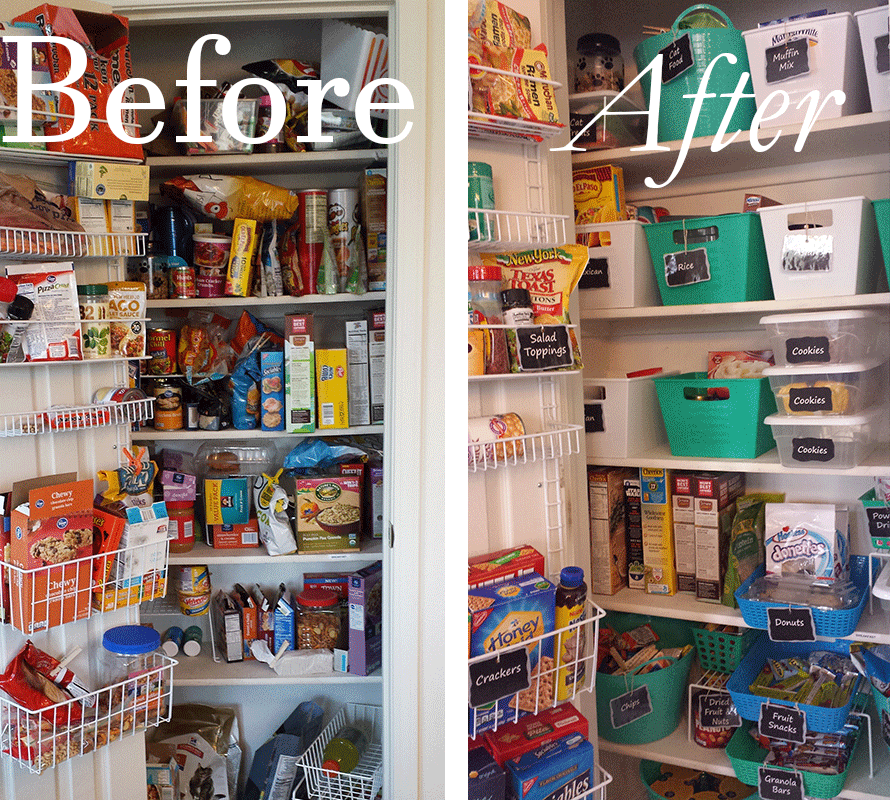
Credit: medium.com
Frequently Asked Questions
How Do I Start Organizing A Pantry?
Begin by emptying your pantry and sorting items by category. Discard expired or unnecessary items. Clean the shelves thoroughly. Use clear containers for dry goods and label them. Arrange items by frequency of use, placing often-used items at eye level for easy access.
What Items Should Be In A Pantry?
A well-stocked pantry includes essentials like grains, pasta, canned goods, spices, and baking ingredients. Keep snacks and breakfast items handy. Store oils, vinegar, and condiments. Regularly used items should be easily accessible. Customize your pantry with items that fit your cooking style and dietary needs.
How Can I Maximize Pantry Space?
Use stackable bins and baskets to save space. Install additional shelves or door racks. Utilize lazy Susans for corner shelves. Group similar items together. Consider adjustable shelving systems. Store bulk items in airtight containers. Keep the floor clear to avoid clutter and allow easy movement.
How Often Should I Clean My Pantry?
Clean your pantry every three to six months. Regular cleaning prevents dust and pest build-up. Check expiration dates and rotate items. Wipe down shelves and containers. Reorganize based on changing needs. This routine maintains efficiency and hygiene, ensuring your pantry remains a functional space.
Conclusion
Organizing a kitchen pantry is simple with the right approach. Start small. Sort items by category. Use clear containers for easy access. Label everything. It saves time and reduces stress. Regularly check for expired products. Keep only what you need.
Group similar items together. Create more space with shelves or baskets. Arrange items by use frequency. Keep frequently used items at eye level. A tidy pantry makes cooking more enjoyable. Feel confident in your organized space. Enjoy a clutter-free kitchen.
Happy organizing!