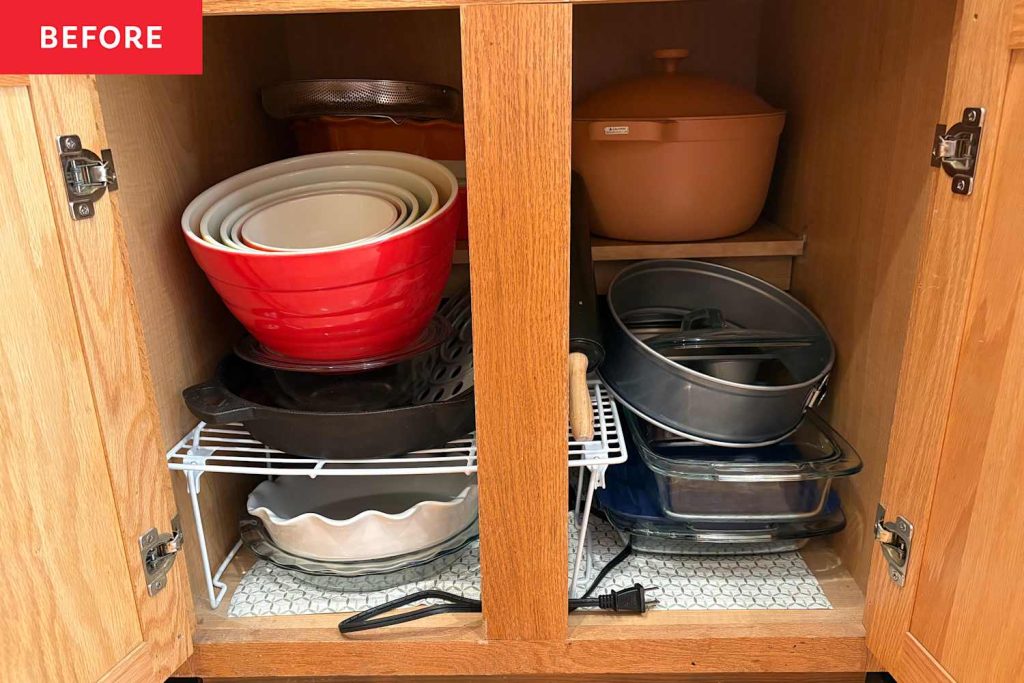
Imagine opening your kitchen cabinets and finding exactly what you need, right where you expect it to be. No more rummaging through cluttered shelves or dealing with chaotic drawers.
Sounds like a dream, doesn’t it? You can transform this dream into reality by mastering the art of kitchen organization. Whether you’re tired of battling the mess or simply want to elevate your cooking experience, organizing your kitchen can make a world of difference.
This article will guide you through the entire process—before and after—ensuring your kitchen becomes a functional and welcoming space. Dive in to discover practical tips and tricks that will not only save you time but also enhance your daily life. Keep reading to unlock the secrets to a perfectly organized kitchen that will make you wonder how you ever managed without it.

Credit: www.youtube.com
Decluttering Essentials
Decluttering your kitchen is a transformative process that can breathe new life into your cooking space. It’s about clearing out the chaos to make room for functionality and aesthetics. Whether you’re gearing up for an overhaul or maintaining a tidy space, understanding the essentials of decluttering can significantly enhance your kitchen experience. Let’s dive into the steps that will help you sort through items and identify unnecessary tools, ensuring a streamlined kitchen environment.
Sorting Through Items
Start by pulling everything out of your cabinets and drawers. Yes, everything. You might be surprised by what you find lurking in the corners. This step is crucial as it helps you see the full scope of what you own.
Create three piles: keep, donate, and discard. Be honest with yourself about what truly deserves a spot in your kitchen. If you haven’t used it in the past year, it might be time to let it go.
Consider the functionality of each item. Does it serve a purpose you need regularly? Or is it just taking up space? These questions can guide your decision-making process.
Identifying Unnecessary Tools
Take a hard look at your kitchen gadgets. Do you really need a specialized avocado slicer, or can a knife do the job just as well? It’s easy to accumulate tools that promise convenience but end up gathering dust.
Think about multipurpose tools. A food processor, for instance, can replace several other appliances. Streamlining your kitchen toolkit can free up valuable space and simplify your cooking routine.
Ask yourself if the tool brings you joy or efficiency. If it doesn’t, it might be time to part ways. Imagine the space you’ll gain and the relief from visual clutter.
Decluttering your kitchen isn’t just a chore; it’s an opportunity to create a space that truly supports your culinary adventures. What will you discover in your decluttering journey?
Efficient Storage Solutions
Streamline your kitchen with efficient storage solutions. Sort items into categories, then use shelves and organizers to maximize space. After organizing, ensure everything is easy to access for smoother cooking and cleaning.
Efficient storage solutions transform a cluttered kitchen into a tidy haven. They maximize space, making cooking and meal prep easier. Smart storage designs enhance accessibility and organization.Utilizing Vertical Space
Wall shelves offer extra storage without using floor area. Tall cabinets can house less-used items. Hanging pots and pans save cabinet space. Vertical racks keep utensils within reach. Magnetic strips hold knives securely.Optimizing Cabinet Layouts
Adjustable shelves accommodate various item sizes. Drawer dividers maintain order. Lazy Susans provide easy access to corner cabinets. Pull-out trays simplify reaching deep spaces. Label containers for quick identification.Categorizing Food Products
Organizing a kitchen involves grouping food products by type and use. Arrange canned goods, spices, and dry goods separately for easy access. Use clear containers to store items and label them for quick identification, ensuring a clutter-free and efficient kitchen space before and after meals.
Categorizing food products in the kitchen enhances efficiency and accessibility. It reduces the time spent searching for items. A well-organized kitchen also minimizes food waste. Start by grouping similar items and labeling them properly.Grouping Similar Items
Begin by sorting food items into categories. Place all canned goods together. Gather dry goods like pasta and rice in one area. Keep spices and herbs separate from other items. This makes it easy to locate what you need. Grouping items by type helps keep the kitchen neat. Use shelves or baskets for better organization. Shelves can hold jars and bottles. Baskets are perfect for loose items like snacks. This prevents clutter and keeps things tidy. Consider using clear containers for visibility. This allows you to see the contents easily.Labeling And Arrangement
Label each container or shelf clearly. Use simple labels for easy reading. Labels help identify contents at a glance. This saves time and avoids confusion. Arrange items by frequency of use. Keep everyday items at eye level. Store less-used items higher or lower. Use vertical space wisely. Tall shelves can store rarely used items. Lazy Susans in cabinets improve access to spices. Drawer dividers keep utensils organized. This maximizes space and enhances functionality. Proper labeling and arrangement keep the kitchen efficient and organized.Streamlining Cooking Process
Organize your kitchen by sorting utensils and ingredients logically to streamline cooking. After meals, clean and store items promptly for a tidy space. This approach saves time and makes cooking more enjoyable.
Streamlining the cooking process in your kitchen can transform meal preparation from a daunting task into an enjoyable experience. By organizing your kitchen efficiently, you can save time and reduce stress, allowing you to focus on creating delicious meals. Let’s explore how to create a kitchen that supports your cooking habits and enhances your culinary creativity.Creating Functional Zones
Start by dividing your kitchen into distinct zones tailored to specific activities. Consider zones for prepping, cooking, baking, and cleaning. A prep zone near the sink or refrigerator can streamline ingredient washing and chopping. Place cooking utensils and pots near the stove for easy access. By organizing your kitchen into functional zones, you eliminate unnecessary steps and keep your workflow smooth.Easy Access To Utensils
Having quick access to utensils can significantly cut down your cooking time. Use drawer organizers or wall-mounted racks to keep frequently used items within reach. Arrange utensils based on their usage. Keep spatulas and ladles near the stove, while measuring cups might be best placed near the prep area. This simple tweak ensures you’re not rummaging through drawers, which can disrupt your cooking flow. What changes can you make today to transform your kitchen into a more efficient space?Maintaining Cleanliness
Organize your kitchen by decluttering countertops and storing items efficiently. Sort similar items together for easy access. After cooking, clean surfaces promptly to maintain a neat space.
Maintaining cleanliness in your kitchen is the secret to preserving the hard work you put into organizing it. A clean kitchen not only looks good but also makes cooking more enjoyable and efficient. The key lies in establishing a routine that keeps clutter and grime at bay. Let’s explore how you can keep your kitchen sparkling with some simple habits.Daily Cleaning Routines
Creating a daily cleaning routine is your first line of defense against chaos. Wiping down countertops after each meal prevents the accumulation of crumbs and spills. Make it a habit to wash dishes immediately or load them into the dishwasher to prevent pile-ups. Sweep the floor at the end of the day to pick up any stray bits that might attract pests. You could even set a timer for a quick five-minute tidy-up before bedtime. What small changes can you make today to maintain your kitchen’s cleanliness effortlessly?Periodic Deep Cleaning
While daily routines keep the kitchen manageable, periodic deep cleaning tackles the hidden grime. Choose a day each month to focus on different areas—clean the oven, scrub the backsplash, or organize the pantry shelves. Don’t forget to check expiration dates and remove expired items from your pantry and fridge. This not only keeps your kitchen clean but also saves you from the unpleasant surprise of spoiled food. When was the last time you gave your kitchen a thorough scrub down? Remember, maintaining cleanliness is a continuous process. With these strategies, your kitchen will remain a pleasant and functional space for all your culinary adventures.
Credit: www.tiktok.com
Post-organization Enhancements
Transform your kitchen into an efficient space by organizing before and after. Sort items by use and space. Then, rearrange frequently used items for easy access and maintain order.
Post-organization enhancements elevate a kitchen from functional to fabulous. After organizing, focus on personalized improvements. These changes create a warm and inviting space. Enhance usability and introduce modern technology for convenience. These tweaks transform the kitchen into your favorite room.Adding Personal Touches
A kitchen reflects personal style. Display favorite items on open shelves. Use colorful jars for spices and dry goods. Hang artwork or family photos on the walls. Choose vibrant dish towels and tablecloths. Add a small herb garden on the windowsill. These touches make the space feel uniquely yours.Incorporating Technology
Smart technology simplifies kitchen tasks. Install a smart speaker for hands-free recipe guidance. Use a digital assistant for grocery lists. Add smart lighting to set the mood. Consider a smart fridge for efficient food storage. Use apps to control appliances remotely. Technology enhances both function and enjoyment.Sustainable Practices
Organize your kitchen sustainably by decluttering and sorting items efficiently. Use eco-friendly storage solutions to maximize space and reduce waste. After organizing, maintain cleanliness with natural cleaning products for a healthier environment.
Organizing your kitchen with sustainability in mind not only benefits the environment but also enhances your daily routine. By integrating sustainable practices, you can create a kitchen that’s both efficient and eco-friendly. Imagine reducing clutter while also cutting down on waste and saving money. Let’s dive into how you can achieve a sustainable kitchen transformation.Reducing Waste
Reducing waste in your kitchen starts with smart shopping. Consider purchasing only what you need and planning meals to avoid food waste. Use clear storage containers to keep track of food items and their freshness. Composting is another effective way to handle kitchen waste. By composting organic scraps, you’re not just reducing landfill waste; you’re also creating nutrient-rich soil for gardening. How about setting up a small compost bin under your sink? Embrace the idea of reusability. Repurpose glass jars for storage or as makeshift drinking glasses. Challenge yourself: how many items can you find a new purpose for, instead of tossing them out?Eco-friendly Products
Switching to eco-friendly products can make a big difference in your kitchen’s sustainability. Use biodegradable cleaning products instead of chemical-laden ones. They are gentle on the environment and often safer for your family. Consider investing in reusable items like cloth towels instead of paper towels, and silicone baking mats in place of disposable parchment paper. These small changes can significantly reduce your kitchen’s ecological footprint. Think about the materials you use for storage. Opt for stainless steel or glass containers over plastic ones. Not only are they better for the environment, but they’re also more durable and can enhance your kitchen’s aesthetic appeal. By adopting these sustainable practices, you’re not just organizing your kitchen, you’re making a positive impact on the planet. What steps will you take today to create a greener kitchen?
Credit: www.instagram.com
Frequently Asked Questions
How Do I Start Organizing My Kitchen?
Begin by decluttering and removing items you no longer use. Sort items into categories like cookware, utensils, and pantry goods. Utilize storage solutions like bins, racks, and dividers to keep everything organized. Label shelves and containers for easy access. Regularly assess and maintain organization to ensure a functional kitchen space.
What Are Essential Kitchen Organization Tools?
Essential tools include drawer dividers, shelf risers, and lazy Susans. Clear containers for pantry items help maintain visibility and order. Magnetic strips can organize knives and metal utensils. Use hooks for hanging pots, pans, and towels. These tools maximize storage and create a streamlined kitchen environment.
How Can I Organize A Small Kitchen Effectively?
Maximize vertical space with shelves and hooks. Use stackable containers to save counter space. Opt for multifunctional kitchen items to reduce clutter. Install pull-out drawers in cabinets for easy access. Regularly evaluate and adjust your organization to fit your changing needs and maintain efficiency.
Should I Organize My Kitchen By Zones?
Yes, organizing by zones enhances efficiency. Create zones for prep, cooking, cleaning, and storage. Place frequently used items within easy reach in their respective zones. This method reduces time spent searching for items and streamlines kitchen tasks, making cooking and cleaning more enjoyable.
Conclusion
Organizing your kitchen makes cooking easier and more enjoyable. Start small. Focus on one area at a time. Use clear bins for easy access. Label everything for quick finding. Arrange items by frequency of use. Keep counters clutter-free for more space.
Regularly clean out expired items. A tidy kitchen saves time and reduces stress. Anyone can do it. Enjoy a well-organized space and better meal prep. Your kitchen can become your favorite room. Happy organizing!