Imagine walking into your kitchen and knowing exactly where to find everything you need for your gluten-free lifestyle. The clutter is gone, and your space is organized, making meal preparation a breeze.
Does that sound like a dream? It doesn’t have to be. You can transform your kitchen into a gluten-free haven with a few strategic steps. Whether you’re new to gluten-free living or looking to streamline your current setup, organizing your kitchen effectively can save you time, reduce stress, and help you stick to your dietary goals.
Dive into this guide to uncover practical tips that will revolutionize the way you manage your gluten-free kitchen. Let’s make your cooking space a sanctuary of health and simplicity.
Setting Goals For A Gluten-free Kitchen
Organize a gluten-free kitchen by setting clear goals. Begin with identifying gluten-containing items and segregating them. Consider investing in dedicated gluten-free storage and utensils to prevent cross-contamination.
Setting goals for a gluten-free kitchen is crucial for success. It ensures you have a clear plan to follow. A well-organized kitchen helps avoid accidental gluten exposure. It also makes cooking enjoyable and stress-free. Start by identifying your gluten-free needs and creating a kitchen vision. This approach keeps your kitchen safe and efficient.Identifying Gluten-free Needs
Understanding your unique needs is essential. First, assess current eating habits. Consider common gluten-free foods you enjoy. Next, identify items containing gluten. This includes packaged snacks and baking ingredients. Make a list of gluten-free alternatives. Focus on staples such as flour, pasta, and bread. Plan meals around these safe options. This keeps meal preparation simple and satisfying.Creating A Kitchen Vision
Visualize your ideal gluten-free kitchen. Picture organized cabinets and clear labels. Think about separate spaces for gluten-free items. This reduces contamination risks. Consider storage solutions for gluten-free products. Use airtight containers for flours and grains. Arrange items for easy access. This saves time during cooking. A well-planned kitchen boosts confidence and comfort.Clearing Out Gluten
Creating a gluten-free kitchen involves organizing pantry items and identifying gluten-free alternatives. Store gluten-free products separately to prevent cross-contamination. Label containers clearly for easy identification and safe meal preparation.
Clearing out gluten from your kitchen is a vital first step. A gluten-free kitchen should be safe and free from cross-contamination. Start by examining your pantry, fridge, and cupboards. Many everyday items can contain hidden gluten.Spotting Gluten-containing Items
Identifying gluten in your kitchen requires a keen eye. Wheat, barley, and rye are the primary gluten sources. Check ingredient labels for these grains. Be cautious with items like sauces, spices, and processed foods. Gluten might be lurking in unexpected places. Look for terms like “modified food starch” and “malt.” Remember, gluten can hide in additives and preservatives too.Effective Disposal Strategies
Once you’ve identified gluten-containing items, it’s time to dispose of them. Consider donating unopened packages to local food banks. Separate gluten-free foods from those containing gluten. Use different shelves or sections for clarity. Clean storage areas thoroughly to remove any gluten residue. Don’t forget utensils and kitchen tools. They may have traces of gluten. Replace or clean them diligently.Stocking Gluten-free Essentials
Stocking gluten-free essentials is a key part of organizing a kitchen. It ensures you always have the right ingredients for healthy meals. A well-stocked kitchen helps prevent accidental gluten consumption. Knowing what to buy can simplify your shopping trips.
Gluten-free Staples
Rice and quinoa are versatile and filling. They make great side dishes or salad bases. Gluten-free pasta allows for quick meals. Lentils and beans provide protein and fiber. Use them in soups or stews. Corn tortillas are perfect for wraps or tacos. Nut flours are ideal for baking, adding flavor and texture. Gluten-free oats can be used for breakfast or baking.
Budget-friendly Shopping Tips
Buying in bulk saves money. Look for sales on gluten-free items. Store brands can be cheaper than name brands. Check for gluten-free labels on everyday products. Compare prices online and in stores. Use coupons when available. Plan meals around items on sale. Cook in batches to save time and money.
Organizing Storage Spaces
Creating a gluten-free kitchen involves organizing storage spaces for easy access to safe foods. Group gluten-free items separately, ensuring clear labeling and dedicated shelves. Maintain a clutter-free counter to avoid cross-contamination, promoting a clean and efficient cooking environment.
Organizing storage spaces in a gluten-free kitchen is essential for efficiency. A well-organized kitchen reduces stress and ensures safe food preparation. You can create a functional space with the right strategies. Start by optimizing your pantry layout and categorizing items. These steps help maintain order and prevent gluten contamination.Optimizing Pantry Layout
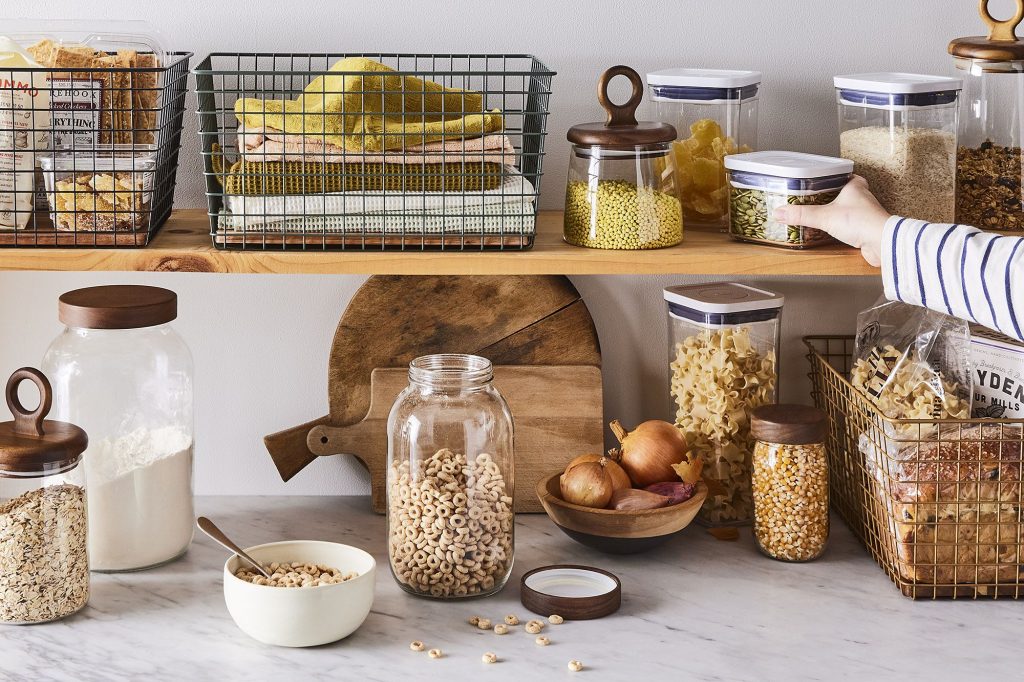
Arrange your pantry to maximize space and accessibility. Group similar items together, like flours and grains. Store gluten-free products on separate shelves. Keep frequently used items within easy reach. Use clear containers for dry goods. This makes it easy to see what you have. Stackable bins help save space. Ensure labels face forward for quick identification.Labeling And Categorization
Label every container and shelf clearly. Use large, legible text for easy reading. Categorize items by type or meal. For example, snacks, baking supplies, or breakfast foods. Use color-coded labels for quick recognition. Store gluten-free items in a designated area. This prevents accidental mixing with gluten products. Regularly check and update labels as needed.Creating Dedicated Cooking Zones
Organizing a gluten-free kitchen involves creating dedicated cooking zones for specific tasks. Separate areas for gluten-free food prep, cooking, and storage reduce cross-contamination risks. Label shelves and containers to keep gluten-free ingredients distinct and easily accessible.
Creating a gluten-free kitchen starts with establishing dedicated cooking zones. This not only keeps your meal prep organized but also ensures a safe environment for those with gluten sensitivities. By having specific areas for different tasks, you can minimize cross-contamination and streamline your cooking process.Gluten-free Cooking Area
Begin by designating a specific section of your kitchen solely for gluten-free cooking. This area should include separate utensils, pans, and cutting boards. Keeping these items distinct prevents any accidental mixing with gluten-containing foods. Consider labeling shelves and drawers to easily identify which items are safe for gluten-free use. A visual reminder can be incredibly helpful, especially if others share your kitchen.Cross-contamination Prevention
Cross-contamination is a major concern in a mixed-diet household. Think about the last time you made a sandwich; did crumbs from the bread spread across the counter? To avoid this, always clean surfaces and utensils thoroughly after preparing gluten-containing foods. Use different colored towels or cloths for cleaning gluten-free areas. This simple color-coding system can help prevent any accidental contamination. Additionally, store gluten-free ingredients in airtight containers to safeguard them from airborne gluten particles. Have you ever noticed how flour can become airborne during baking? This precaution prevents such contamination. By thoughtfully organizing your kitchen, you create an inclusive space where everyone can enjoy cooking without worry. Are you ready to transform your kitchen into a safe haven for gluten-free meals?
Credit: food52.com
Utilizing Tools And Equipment
Organizing a gluten-free kitchen starts with the right tools and equipment. These not only make cooking easier but also prevent cross-contamination. Having dedicated gadgets for gluten-free cooking is vital. This ensures every meal is safe and enjoyable.
Essential Kitchen Gadgets
A few gadgets are essential for a gluten-free kitchen. A separate toaster can avoid gluten crumbs. Use a dedicated colander for gluten-free pasta. Have two cutting boards: one for gluten-free and one for regular items. Label them to avoid confusion. A rice cooker can be handy for quick meals. It’s useful when avoiding processed foods.
Safe Cooking Practices
Safe cooking practices protect against gluten contamination. Always clean surfaces before cooking. Use separate utensils for gluten-free and regular cooking. Store gluten-free ingredients on higher shelves. This prevents accidental spills. Always wash hands thoroughly before handling gluten-free food. This simple step makes a big difference. Ensure pots and pans are cleaned well. Residue from previous meals can cause cross-contact. Regular checks on kitchen gadgets keep them safe for use.
Maintaining A Gluten-free Environment
Create a clean and organized space by separating gluten-free and gluten-containing items. Use labeled containers to avoid cross-contamination. Regularly clean surfaces and utensils to ensure a safe cooking environment.
Maintaining a gluten-free environment in your kitchen is essential for anyone with gluten sensitivity or celiac disease. It’s not just about swapping out ingredients; it’s about creating a safe and welcoming space for meal prep and dining. This involves keeping your kitchen free from cross-contamination and staying vigilant about what’s entering your pantry.Regular Cleaning Routines
Keeping your kitchen surfaces clean is crucial. Make a habit of wiping down countertops and kitchen tools after every meal prep. Use separate sponges and cleaning cloths for gluten and gluten-free areas to avoid accidental contamination. Consider setting up a dedicated gluten-free zone in your kitchen. This could be a specific counter area or a particular shelf in your pantry. Labeling it clearly helps everyone in the household know where gluten-free items belong.Monitoring Ingredient Changes
Ingredients can change without notice, and what was once gluten-free may not always be. Regularly check labels, even on trusted brands. Manufacturers might alter recipes or use different facilities. Stay informed by subscribing to newsletters or joining online gluten-free communities. They can offer insights into recent ingredient changes or product recalls. Have you ever discovered a gluten-free favorite suddenly contains gluten? Keeping up with these updates helps you avoid such surprises. Involve everyone in your household in maintaining a gluten-free environment. Educating them about reading labels and understanding the importance of keeping gluten-free areas uncontaminated can make a significant difference.
Credit: food52.com
Building A Supportive Community
Building a supportive community is crucial for a successful gluten-free lifestyle. It provides encouragement, motivation, and valuable resources. By connecting with others, you gain insights and share experiences. This support system can make living gluten-free more manageable and enjoyable. Let’s explore some ways to build this community.
Connecting With Gluten-free Groups
Join local gluten-free groups to meet like-minded individuals. These groups often host events and meet-ups. Attend these gatherings to learn and share experiences. Online forums and social media communities are also helpful. Engage in discussions and ask questions. You will find answers and support from experienced members.
Sharing Recipes And Tips
Share your favorite gluten-free recipes with the community. Create or join recipe exchange groups. This helps discover new dishes and cooking techniques. Share cooking tips and tricks to make gluten-free cooking easier. Encourage others to share their ideas too. This exchange of information benefits everyone involved.
Thriving On A Gluten-free Diet
Organize a gluten-free kitchen by separating gluten and gluten-free foods. Use labeled containers to avoid cross-contamination. Keep a dedicated space for gluten-free utensils and appliances.
Thriving on a gluten-free diet requires more than just eliminating gluten from your meals. It’s about discovering flavors, textures, and ingredients that bring joy and nourishment. A well-organized gluten-free kitchen can be a sanctuary where creativity and health meet. With the right approach, you can transform your cooking space into a hub of delicious possibilities.Experimenting With New Recipes
Venturing into gluten-free cooking opens up a world of culinary exploration. Dive into the vibrant realm of alternative grains like quinoa, millet, and sorghum. These ingredients not only provide nutritional benefits but also add unique tastes and textures to your dishes. Consider trying recipes from different cuisines that naturally avoid gluten. Thai, Indian, and Mexican dishes often rely on rice, corn, and lentils, offering a plethora of gluten-free options. Challenge yourself by recreating traditional recipes with gluten-free substitutes. You’ll be surprised by how flavorful a gluten-free pizza crust made from cauliflower can be!Balancing Nutrition And Enjoyment
Finding the perfect balance between nutrition and enjoyment is key to thriving on a gluten-free diet. Start by ensuring your meals are rich in essential nutrients. Incorporate fresh fruits, vegetables, and lean proteins to maintain a balanced diet. Don’t forget to indulge in treats that make you smile. Gluten-free doesn’t mean you have to give up your favorite desserts or snacks. Experiment with almond flour brownies or coconut flour pancakes. These alternatives can satisfy your sweet tooth while keeping your diet on track. Ask yourself: How can you make your gluten-free meals both nutritious and enjoyable? By focusing on diverse ingredients and flavors, you can create a dining experience that is both healthy and delightful.
Credit: www.youtube.com
Frequently Asked Questions
What Are Essential Gluten-free Kitchen Items?
Stock your kitchen with gluten-free staples like rice, quinoa, and corn-based products. Invest in gluten-free flours like almond and coconut. Separate utensils and cutting boards for gluten-free cooking help prevent cross-contamination. Keep dedicated storage containers for gluten-free items to maintain organization and safety in your kitchen.
How To Prevent Cross-contamination In A Kitchen?
Prevent cross-contamination by using separate utensils, cutting boards, and cooking spaces for gluten-free items. Label gluten-free products clearly and store them separately from gluten-containing foods. Regularly clean surfaces and equipment to avoid accidental gluten exposure, ensuring a safe cooking environment.
Can I Use Regular Pots For Gluten-free Cooking?
Yes, regular pots can be used, but ensure they’re thoroughly cleaned before use. Residual gluten can cause contamination. Having separate pots for gluten-free cooking is ideal, but not mandatory. Cleanliness and vigilance are key to maintaining a gluten-free kitchen environment.
How To Organize Gluten-free Pantry Staples?
Organize gluten-free pantry staples by labeling each item clearly and storing them separately from gluten-containing foods. Use airtight containers to keep products fresh and prevent contamination. Arrange items by category to make cooking easier and maintain a clean, organized kitchen.
Conclusion
Organizing a gluten-free kitchen is simple with the right steps. Start with clean surfaces. Use clear labels for gluten-free items. Separate gluten and gluten-free tools. Create a dedicated space for gluten-free foods. Keep things simple and organized. Regularly check for cross-contamination.
This helps maintain a safe cooking environment. Encourage your family to follow these steps. A little effort makes a big difference. Enjoy cooking in your gluten-free kitchen. Feel confident and safe every meal. Your kitchen can be both functional and gluten-free.
Enjoy the process and happy cooking!