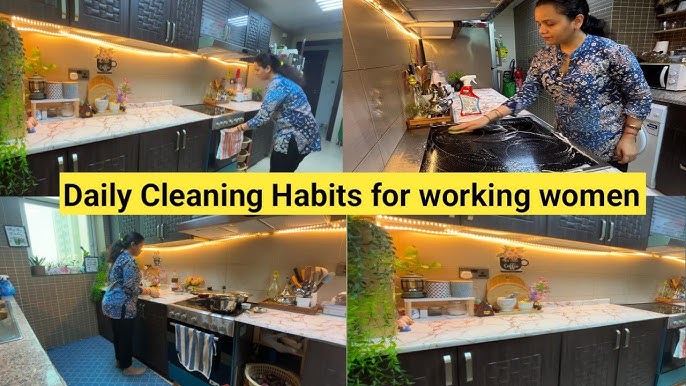
Imagine walking into your kitchen and feeling a sense of calm and order. Everything is in its place, and the countertops gleam with cleanliness.
Keeping your kitchen organized and clean isn’t just a dream; it can be your reality. You might be wondering how to achieve this, especially if your kitchen feels like a chaotic mess right now. Don’t worry, because you’re not alone, and we’ve got the perfect guide to help you transform your space into a haven of tidiness and efficiency.
Why does a clean and organized kitchen matter? It’s not just about aesthetics; it’s about creating a space where you can cook with ease, find everything you need without rummaging through drawers, and enjoy the process of preparing meals. Plus, a tidy kitchen can improve your mood and make daily chores feel less overwhelming. We will explore practical tips and tricks that you can apply immediately to keep your kitchen organized and clean. You’ll discover simple yet effective ways to declutter, optimize storage, and maintain hygiene effortlessly. Whether you’re dealing with limited space or just looking for a fresh start, this guide is tailored for you. Get ready to transform your kitchen into the heart of your home—a place where you love to spend time and create delicious memories.
Decluttering Strategies
Streamline your kitchen by storing similar items together for easy access. Use clear containers to keep food fresh and visible. Regularly clean surfaces and dispose of expired items to maintain a neat and tidy space.
Keeping your kitchen organized and clean can seem daunting, but with the right decluttering strategies, it becomes manageable and even enjoyable. The key lies in simplifying your space by getting rid of what you don’t need, sorting efficiently, and understanding the best ways to donate or dispose of items. Let’s dive into some effective decluttering strategies to transform your kitchen into a space you love.Identifying Unnecessary Items
Start by taking a good look at your kitchen. Open every drawer and cabinet, and ask yourself if you really use each item regularly. It’s surprising how many items we accumulate that rarely see the light of day. Consider items like duplicate utensils or outdated gadgets. If you haven’t used them in the last year, it might be time to let them go. Remember, keeping only what is truly useful or brings you joy can create more space and reduce stress.Effective Sorting Techniques
Once you’ve identified unnecessary items, it’s time to sort what’s left. Group similar items together. This not only makes it easier to find things but also highlights if you have too much of one type of item. A simple sorting technique involves creating three piles: Keep, Donate, and Dispose. This method helps streamline the process and provides clarity on what stays and what goes. Keep your kitchen essentials and let go of duplicates or items that don’t serve a purpose.Donation And Disposal Options
After sorting, you need to decide what to do with the items you no longer need. Many kitchen items can be donated and will be greatly appreciated by others. Consider donating to local shelters, community centers, or second-hand stores. For items that are not suitable for donation, look into recycling options. Some local waste management services offer special programs for kitchen appliances. Proper disposal ensures you’re contributing to a cleaner environment while decluttering your kitchen. By following these decluttering strategies, you can create a kitchen that is not only clean but also efficient and enjoyable to work in. What unnecessary items are hiding in your kitchen? Take the first step today, and experience the satisfaction of a clutter-free space.
Credit: thecrownedgoat.com
Smart Storage Solutions
Maximize your kitchen space with smart storage solutions. Use clear containers to see contents easily. Install shelves to utilize vertical space efficiently.
Keeping your kitchen organized and clean is not just about aesthetics; it’s about enhancing functionality and ensuring a pleasant cooking experience. Smart storage solutions play a pivotal role in achieving this. By optimizing the space you have and selecting the right tools, you can transform your kitchen into a highly efficient and inviting environment. Let’s dive into some effective strategies to make the most of your kitchen storage.Utilizing Vertical Space
Think of your kitchen walls as untapped storage potential. Installing shelves can dramatically increase your storage capacity without taking up floor space. Consider mounting hooks or magnetic strips for utensils and knives, making them easily accessible. You could also add hanging baskets for fruits and vegetables, keeping your countertops clear. How much unused vertical space do you have right now?Choosing The Right Containers
The right containers can make all the difference. Opt for stackable, transparent containers to save space and easily spot what’s inside. Airtight containers are perfect for preserving the freshness of dry goods. Consider using uniform-sized containers for a clean, cohesive look in your pantry. Have you ever struggled to find the right lid for a mismatched container?Labeling For Easy Access
Labeling is a game-changer when it comes to organization. It’s not just about aesthetics; it’s about functionality. Clear labels help you quickly identify contents and ensure everything has a designated spot. Use waterproof labels for durability and color-code them for faster identification. Have you ever wasted time searching for an ingredient just because you couldn’t remember where you placed it? Smart storage solutions are the backbone of a tidy and efficient kitchen. By strategically utilizing vertical space, choosing the right containers, and implementing an effective labeling system, you can maintain a kitchen that’s both organized and inviting.Daily Cleaning Routines
Daily routines help maintain a tidy kitchen. Start with clearing countertops and washing dishes immediately after use. Regularly wipe surfaces and organize utensils to keep the space clean and clutter-free.
Keeping your kitchen organized and clean requires a consistent daily routine. A clean kitchen enhances the cooking experience and promotes hygiene. Implementing simple daily cleaning practices can transform your kitchen into a spotless haven.Quick Morning Cleanup
Start your day with a quick kitchen cleanup. Wipe down counters to remove crumbs and spills. Load the dishwasher or wash dishes by hand. Clear clutter off tables and counters. Sweep the floor to collect any debris. A tidy kitchen sets a positive tone for the day.Evening Deep Cleaning
In the evening, engage in a deeper cleaning session. Scrub the sink and faucets to remove grime. Clean stovetops and ovens to eliminate grease. Empty trash bins and replace with fresh liners. Mop the floor to ensure it’s spotless. This routine helps maintain cleanliness throughout the week.Maintaining Clean Surfaces
Keeping surfaces clean is crucial. Use disinfectant wipes to sanitize countertops. Organize items in cabinets to prevent overcrowding. Regularly declutter to keep spaces neat. Avoid letting dirt build up on surfaces. A clean surface is key to a welcoming kitchen environment.Organizing Kitchen Appliances
Create a tidy kitchen by organizing appliances efficiently. Store items you use often within easy reach. Keep counters clutter-free for a clean look.
Organizing Kitchen Appliances A clutter-free kitchen makes cooking a joy. Start by organizing your kitchen appliances. This helps in keeping your kitchen tidy and efficient. Proper arrangement ensures easy access and saves time.Space-saving Arrangements
Maximize your kitchen space with smart arrangements. Store appliances based on frequency of use. Keep daily-use items on countertops. Place less-used gadgets in cabinets. Use wall-mounted shelves to free up counter space. Organize small appliances in drawers or baskets.Regular Maintenance Tips
Regular cleaning extends appliance life. Wipe down surfaces weekly to prevent grime buildup. Check for damaged cords and replace them immediately. Clean filters in coffee makers and blenders monthly. Follow manufacturer instructions for maintenance. This keeps appliances running smoothly.Efficient Usage Practices
Use appliances efficiently to save energy. Turn off unused devices to reduce power consumption. Use microwaves for quick heating instead of ovens. Plan meals to minimize appliance use. This saves time and resources. Understand appliance settings for optimal performance.Pantry And Refrigerator Order
Organize your kitchen by categorizing pantry items and grouping similar foods in the refrigerator. Use clear containers for visibility and easy access. Regularly check and discard expired items to maintain cleanliness and order.
Keeping your kitchen organized and clean might seem like a daunting task, but with a little effort, your pantry and refrigerator can become models of efficiency. A well-organized kitchen not only makes meal preparation smoother but also reduces waste. Let’s dive into some practical tips for maintaining order in your pantry and refrigerator.Categorizing Food Items
Start by grouping similar items together. This makes it easy to find what you need and prevents you from buying duplicates. Consider using clear storage bins for categories like snacks, cereals, or baking supplies. Labeling these bins can further streamline your process, allowing everyone in the household to know exactly where to find and return items. Think about your own habits. If you find yourself reaching for certain items more often, place them at eye level for easy access.Expiration Date Management
Regularly checking expiration dates can prevent food waste and keep your pantry fresh. Make it a habit to do a quick scan of your pantry and fridge once a month. Keep a notepad or a digital list on your phone to track items nearing expiration. This way, you can plan meals around those items and avoid unnecessary spoilage. Set up a system where newly purchased items go behind older ones. This simple practice ensures you use up your older products first.Optimizing Shelf Space
Maximize your shelf space by using stackable containers. These can help you utilize vertical space and keep your pantry looking tidy. For your refrigerator, invest in adjustable shelves or tiered organizers. This can make it easier to spot items hiding in the back. Think creatively. Could a lazy Susan help you reach those hard-to-get-to items? These small changes can make a significant difference in how your kitchen functions. Is there a particular area in your pantry or fridge that always seems to get messy? Share your thoughts in the comments and let’s brainstorm some solutions together.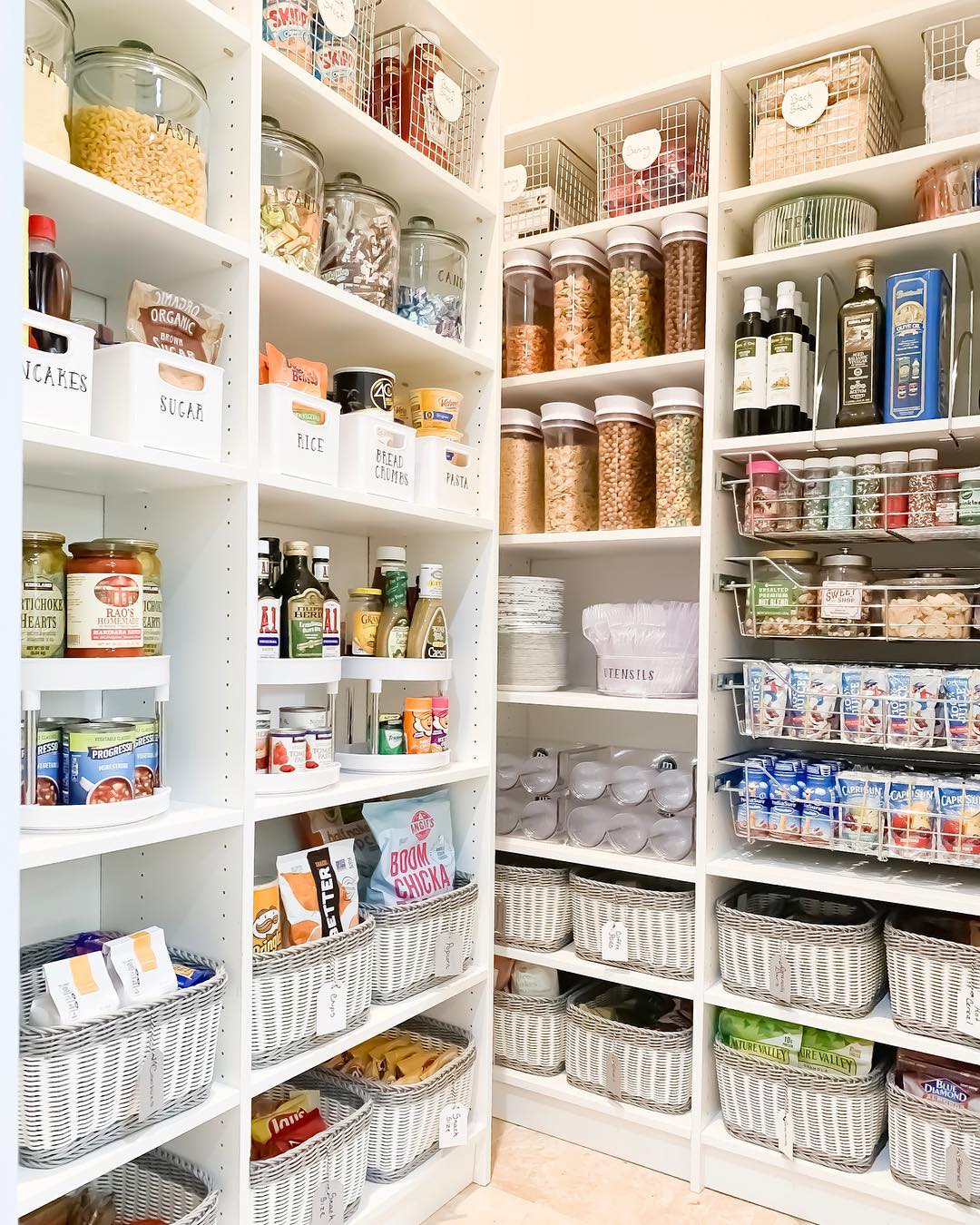
Credit: www.extraspace.com
Managing Kitchen Waste
Keeping your kitchen organized and clean involves managing waste efficiently. Sort trash, compost, and recyclables to reduce clutter. Regularly empty bins and clean surfaces to maintain a tidy space.
Managing kitchen waste is essential for a tidy and eco-friendly home. It reduces clutter and benefits the environment. Let’s explore how to manage waste effectively.Setting Up Recycling Stations
Create a dedicated space for recyclables. Use labeled bins for plastics, glass, paper, and metals. Keep them accessible for easy sorting. This system encourages everyone to recycle more often.Composting Basics
Start a compost bin for organic waste. Use fruit peels, vegetable scraps, and coffee grounds. Avoid meats and dairy. Composting enriches soil and reduces landfill waste. Keep the bin in a dry, cool place.Reducing Food Waste
Plan meals and shop wisely to reduce food waste. Use leftovers creatively for new dishes. Monitor expiry dates regularly. Store food properly to keep it fresh longer. This saves money and reduces waste.Creating A Cleaning Schedule
Establishing a cleaning schedule ensures your kitchen remains tidy and organized. Regularly wipe surfaces and store items properly. Allocate specific days for deep cleaning tasks, like scrubbing floors and disinfecting appliances, to maintain a sparkling space.
Creating a cleaning schedule keeps your kitchen tidy and functional. It ensures every corner gets attention and prevents overwhelming tasks. By breaking tasks into manageable chunks, you maintain a fresh and inviting space. Let’s explore how to create an effective cleaning schedule.Weekly Tasks Breakdown
Divide your weekly tasks into daily routines. This approach avoids a buildup of chores. Assign specific tasks for each day. For example, on Monday, clean countertops and appliances. On Tuesday, focus on the sink and stovetop. Here’s a simple list to get started:- Monday: Wipe countertops and clean appliances.
- Tuesday: Scrub sink and stovetop.
- Wednesday: Sweep and mop floors.
- Thursday: Empty and clean fridge.
- Friday: Organize pantry and cabinets.
- Saturday: Take out trash and recycling.
- Sunday: Rest and review the week.
Monthly Deep Cleaning Plan
Monthly cleaning tackles areas that need less frequent attention. Plan one day a month for a thorough clean. Focus on hidden spots and tough stains. Tasks may include:- Clean oven and microwave thoroughly.
- Descale the kettle and coffee maker.
- Wash windows and window sills.
- Deep clean behind and under appliances.
Tracking Progress
Tracking progress keeps you motivated and organized. Use a checklist to tick off completed tasks. A whiteboard or a simple app can help. Record your monthly deep clean dates. This helps in planning future cleaning sessions. Keep notes on areas needing extra attention. Adjust your schedule as needed. Regular tracking ensures no task is overlooked.:max_bytes(150000):strip_icc()/GettyImages-1405396332-4708b92fa11642eda2ebb8081bf44c82.jpg)
Credit: www.thespruce.com
Incorporating Family Involvement
Incorporating family involvement can simplify keeping the kitchen organized and clean. Assign tasks like sorting groceries or wiping counters to each family member. This shared responsibility fosters teamwork and maintains a tidy kitchen environment.
Incorporating your family into kitchen organization and cleaning can transform a mundane chore into a fun, shared responsibility. It not only lightens your workload but also teaches valuable life skills to your children. When everyone pitches in, the kitchen becomes a hub of teamwork and harmony.Assigning Responsibilities
Assigning tasks to each family member ensures everyone knows their role. You might designate dishwashing to one child, while another handles sweeping or setting the table. Creating a chore chart can help keep track of duties, making it easier for everyone to stay accountable.Teaching Organization Skills
Teaching your children how to organize can benefit them beyond the kitchen. Show them how to categorize pantry items or stack dishes efficiently. These skills can foster a sense of responsibility and pride in maintaining a tidy space.Encouraging Consistent Habits
Encourage your family to develop consistent habits, like cleaning as they cook or wiping down surfaces after meals. Consistency can make cleaning feel less like a chore and more like a routine part of daily life. What small habit can your family start today to keep the kitchen sparkling?Frequently Asked Questions
How Do I Organize Kitchen Cabinets Efficiently?
To organize kitchen cabinets, categorize items and group similar ones together. Use clear bins for visibility and labels for easy identification. Maximize space with stackable shelves and dividers. Arrange frequently used items within easy reach, and store less-used items higher up.
What Are Quick Kitchen Cleaning Tips?
For quick cleaning, wipe surfaces immediately after use to prevent buildup. Sweep or vacuum the floor daily to remove crumbs. Use multi-surface cleaners for efficiency, and keep a small caddy with essential cleaning supplies handy for quick access.
How Can I Declutter My Kitchen Counter?
To declutter, keep only essentials on the counter. Store appliances you rarely use in cabinets. Use trays to group items like spices or oils. Utilize wall-mounted racks or hooks for additional storage space, keeping the counter clear and tidy.
What Are The Best Storage Solutions For Small Kitchens?
Use vertical space with wall-mounted shelves and racks. Install pull-out drawers in cabinets to maximize accessibility. Consider collapsible or stackable containers for storing food and utensils. Magnetic strips can hold knives or spice jars, freeing up counter space.
Conclusion
A clean kitchen means less stress. Keep your space tidy daily. Store items in labeled containers. Wipe surfaces after cooking. Use hooks for utensils. Maintain a weekly cleaning schedule. This ensures everything stays fresh. Teach family members to clean as they go.
Share tasks to make it easy. Organize cabinets to maximize space. This saves time when cooking. Enjoy a clutter-free kitchen. Invite friends over with confidence. A clean kitchen brings joy. It’s a happy place to cook and bond. Keep it organized, and it will reward you.