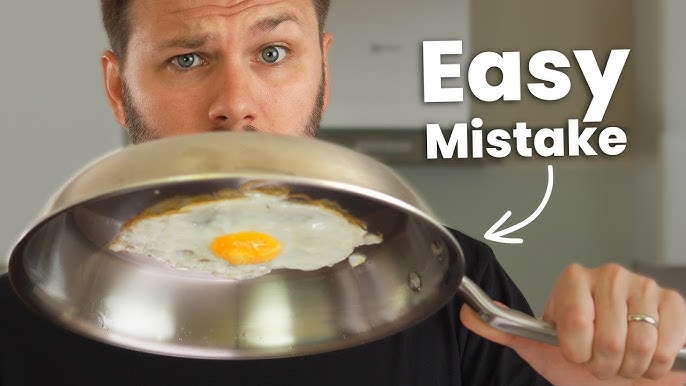
Imagine the perfect sear on a steak or the ideal crisp on a sautéed vegetable. You’re ready to dive into your culinary masterpiece, but there’s one hitch—your stainless steel cookware has other plans.
Food sticking to stainless steel pans can be a frustrating experience, leaving you with burnt bits and a challenging cleanup. But what if you could unlock the secrets to a stick-free cooking experience? Discover how you can transform your cooking routine and elevate your kitchen skills with simple, effective techniques that prevent food from sticking.
Whether you’re a seasoned chef or a home cook, these tips will help you master your stainless steel cookware, giving you the confidence to create delicious meals without the hassle. Dive into the secrets of seamless cooking and reclaim your time in the kitchen. Are you ready to change the way you cook forever?

Credit: www.instagram.com
Benefits Of Stainless Steel Cookware
Preheat the pan before adding oil to prevent food from sticking to stainless steel cookware. Use enough oil to coat the surface evenly. Adjust heat levels to maintain even cooking and reduce sticking.
Stainless steel cookware is a popular choice for many home chefs. It offers numerous benefits that make it a reliable kitchen companion. This cookware is well-loved for its ability to maintain flavor without adding unwanted chemicals. Let’s explore some key benefits of using stainless steel cookware.Durability And Longevity
Stainless steel cookware is highly durable. It withstands high temperatures and frequent use. This material resists dents, scratches, and rust. With proper care, it can last for decades. Investing in stainless steel cookware is cost-effective. It saves money in the long run.Non-toxic And Non-reactive
Stainless steel is non-toxic. It does not leach harmful chemicals into food. Unlike other materials, it does not react with acidic foods. This ensures that food retains its original taste. Cooking with stainless steel keeps your meals safe and healthy.Versatility In Cooking
Stainless steel cookware is versatile. It is suitable for a variety of cooking techniques. You can sauté, fry, boil, and braise with ease. It works well on different heat sources, including induction. This adaptability makes it a staple in many kitchens.
Credit: food52.com
Seasoning Your Stainless Steel Pan
Seasoning your stainless steel pan creates a smooth surface that helps prevent food from sticking. Heat the pan, add oil, and let it cool to form a protective layer. Regular seasoning maintains the pan’s non-stick quality, ensuring easy cooking and cleaning.
Seasoning your stainless steel pan can prevent food from sticking. This process creates a protective layer on the pan’s surface. It enhances cooking and makes cleaning easier. Many think stainless steel pans don’t need seasoning, but it helps. Seasoning can make a big difference in cooking experiences.Understanding The Process
Seasoning involves coating the pan with oil. The oil heats and bonds to the metal. It forms a layer that reduces sticking. This layer helps protect the pan. It also improves flavor in cooked food. Understanding this process is key to better cooking results.Steps To Season Properly
To season your pan, follow these steps:- Start with a clean pan. Wash and dry it thoroughly.
- Heat the pan on low for a few minutes.
- Add a thin layer of oil, like vegetable or olive oil.
- Swirl the oil to cover the pan evenly.
- Continue heating until the oil starts to smoke.
- Remove from heat and let it cool completely.
- Wipe excess oil with a soft cloth.
Maintaining The Seasoning
Keep the seasoning intact with regular care. Avoid washing the pan with harsh detergents. Use gentle cleaning methods. Dry it immediately after washing. Occasionally, repeat the seasoning process. This maintains the protective layer. Proper maintenance extends the pan’s life. It ensures good performance for years.Preheating Techniques
Preheating stainless steel cookware is essential to prevent food from sticking. Heat the pan until a few water droplets skitter across the surface. This technique ensures an even cooking surface, making it easier to cook without sticking.
Preheating your stainless steel cookware is crucial to prevent food from sticking. It helps create a barrier between the food and the pan. Proper preheating ensures even cooking and enhances flavor. Understanding the right preheating techniques can improve your cooking experience.Importance Of Preheating
Preheating helps evenly distribute heat across the pan’s surface. Without it, food might cook unevenly, leading to sticking. It also allows the oil to reach the right temperature. This creates a non-stick layer, reducing the chance of food sticking. Proper preheating saves time and avoids frustration.Testing The Heat Level
Testing the heat level is simple yet effective. Sprinkle a few drops of water on the heated pan. If the droplets sizzle and dance, the pan is ready. This indicates the pan has reached the ideal temperature. Avoid adding oil or food too early. The water test prevents overheating and sticking issues.Adjusting Heat Appropriately
Adjust the heat to maintain the right temperature. Start with medium heat to reach the desired level. If the pan smokes, reduce the heat immediately. This prevents burning and sticking. Keep an eye on the pan’s reaction to food. Adjust the heat based on your cooking needs.Using The Right Amount Of Oil
Choosing the right amount of oil prevents food from sticking to stainless steel cookware. A thin layer creates a smooth cooking surface. Too much or too little can cause sticking, affecting the taste and texture. Adjust as needed for best results.
Using the right amount of oil is crucial to preventing food from sticking to your stainless steel cookware. It’s not just about pouring oil into the pan; it’s about understanding how much and how to use it effectively. This process can elevate your cooking and make cleanup a breeze.Choosing The Right Oil
Selecting the appropriate oil for your cooking is key. Oils with high smoke points, like canola, grapeseed, and vegetable oil, are ideal for sautéing and frying. They can withstand high heat without burning, which helps in maintaining a non-stick surface on your cookware. Consider the flavor profile as well. Olive oil adds a distinct taste, perfect for Mediterranean dishes, while neutral oils keep the focus on your ingredients.Measuring Oil Quantity
Precision is your friend when adding oil to the pan. Too much oil can lead to greasy dishes, while too little can result in sticking. A tablespoon of oil is usually sufficient for most stovetop cooking. If you’re unsure, start with a teaspoon and add more if needed. Remember, you can always add more, but you can’t take it away once it’s in the pan.Distributing Oil Evenly
Even distribution of oil is crucial for a non-stick experience. After adding oil, tilt the pan gently to coat the bottom evenly. Use a pastry brush or a piece of paper towel to spread the oil if necessary. This ensures every part of your pan is covered and ready to prevent sticking. Have you ever noticed uneven browning on your food? The culprit might be uneven oil distribution.Proper Cooking Techniques
Proper cooking techniques are essential for preventing food from sticking. Stainless steel cookware, known for its durability, requires a bit of finesse. With the right methods, you can enjoy effortless cooking and cleaning.
Avoiding Overcrowding
Give your food room to breathe. Overcrowding the pan lowers the temperature. This prevents even cooking and causes food to stick. Cook in batches if necessary. This keeps the heat consistent and ensures better results.
Timing And Food Placement
Heat the pan before adding oil. Hot pans help create a natural non-stick surface. Wait until the oil shimmers before adding food. Also, place food gently in the pan. This helps maintain the coating and prevents sticking.
Stirring And Turning
Let food cook on one side before stirring. This allows it to develop a crust. Use a spatula to turn food gently. Avoid frequent stirring. Letting it sit ensures even cooking and reduces the chance of sticking.

Credit: www.souschef.co.uk
Cleaning And Maintenance
Preheat the stainless steel cookware to medium heat before adding oil. Ensure the surface is evenly coated. Allow the oil to heat until it shimmers. Add food slowly and avoid overcrowding the pan for optimal cooking results.
Cleaning and maintaining your stainless steel cookware is crucial for preventing food from sticking and ensuring a long lifespan for your pots and pans. The right techniques not only make cleaning easier but also enhance the performance of your cookware. Let’s dive into some effective strategies to keep your stainless steel shining and non-stick.Best Practices For Cleaning
Clean your stainless steel cookware promptly after use to prevent food from drying and sticking. Use warm water and a gentle dish soap to remove residues. A soft sponge or cloth is ideal for wiping away grime without scratching the surface. If you encounter stubborn stains or burnt-on food, try soaking the cookware in warm soapy water for a few minutes. For tougher spots, a mixture of baking soda and water can act as a mild abrasive. Just ensure you rinse thoroughly to avoid leaving any soap residue.Avoiding Abrasive Cleaners
Avoid using steel wool or harsh scrubbers, as these can scratch the surface of your cookware. Scratches not only ruin the appearance but can also cause food to stick more easily. Opt for non-abrasive cleaners specifically designed for stainless steel. These cleaners gently remove tough stains without damaging the surface. If you’re unsure about a product, test it on a small area first.Storing Your Cookware
Proper storage is essential to maintain the quality of your stainless steel cookware. Stack your pots and pans carefully to avoid scratches. Consider placing a soft cloth or paper towel between them for extra protection. If space allows, hanging your cookware can be a great option. This prevents stacking scratches and makes it easy to access your pots and pans. Have you ever thought about the impact of proper storage on the longevity of your cookware? By taking a few extra steps in cleaning and storing, you can keep your stainless steel looking and performing like new for years to come.Frequently Asked Questions
How Do I Prevent Food From Sticking?
Use a small amount of oil or butter to coat the pan. Preheat the pan before adding food. This helps create a non-stick layer between the food and the cookware.
Why Does Food Stick To Stainless Steel?
Stainless steel lacks a non-stick coating, causing food to stick. Cooking at the correct temperature and using enough oil can prevent this issue.
Should I Use Oil In Stainless Steel Cookware?
Yes, using oil helps create a barrier between food and the pan. This reduces sticking and enhances the cooking process.
Can I Use High Heat With Stainless Steel?
Avoid using high heat with stainless steel cookware. It can cause food to burn and stick. Medium heat is ideal for most cooking tasks.
Conclusion
Keeping food from sticking to stainless steel cookware is simple. Start with a clean pan. Use the right amount of oil. Heat the pan properly before adding food. Avoid overcrowding. Monitor temperature closely. Practice patience; let food cook before moving.
Clean cookware well after use. These steps make cooking easier and more enjoyable. Stainless steel offers great results with a bit of care. Try these tips today and enjoy cooking more. Your meals will turn out better, and cleanup will be a breeze.
Happy cooking!