Imagine walking into your kitchen, and instead of feeling overwhelmed by the chaos, you are greeted by a space that is clean, organized, and inviting. You might think that achieving this level of order is a daunting task, but it’s easier than you might expect.
A tidy kitchen not only makes cooking more enjoyable but also helps reduce stress and save time. By following a few simple strategies, you can transform your kitchen into a well-ordered haven. Are you tired of searching for utensils in a cluttered drawer or battling with pantry chaos?
You’re not alone. A clean and organized kitchen isn’t just visually pleasing; it can boost your mood and efficiency. Let’s explore how you can easily maintain a sparkling kitchen that delights you every time you step in. Discover the secrets to keeping your kitchen clean and organized, and start enjoying the heart of your home like never before. Keep reading to unlock these game-changing tips and tricks!
Credit: www.apartmenttherapy.com
Decluttering Essentials
A clean and organized kitchen starts with decluttering. Keep countertops clear to make meal prep easier. Store similar items together for quick access and maintain a tidy space.
Keeping your kitchen clean and organized can feel like a never-ending task, especially if you’re dealing with clutter. Decluttering is the first essential step toward achieving a streamlined and efficient cooking space. Imagine opening your cabinets and instantly finding what you need. Sounds dreamy, right? With a few practical strategies, you can turn that dream into reality. Let’s dive into the essentials of decluttering your kitchen, ensuring you only keep what truly adds value to your daily cooking routine.Identifying Unnecessary Items
Start by taking a good look at your kitchen inventory. Do you really need three sets of measuring cups or that fondue pot you haven’t used in years? It’s time to be honest with yourself. Ask yourself if each item serves a purpose or brings you joy. If it doesn’t, it’s probably time to let it go. Consider the last time you used certain gadgets. If it’s been over a year, they might not deserve the prime real estate in your kitchen. Sometimes, we cling to items because of sentimental value or the fear of needing them someday. Challenge this mindset by focusing on the immediate benefits of freeing up space.Strategies For Effective Disposal
Once you’ve identified what’s unnecessary, the next step is deciding how to dispose of these items. One effective method is donating. Many local charities and thrift stores would gladly accept gently used kitchen items. You could also host a swap party with friends or family. Someone might be thrilled to take that bread maker off your hands in exchange for something you find useful. Recycling is another great option for items that can’t be reused. Check your local recycling guidelines to ensure proper disposal. Lastly, for items beyond saving, responsibly discard them, always considering the environmental impact. With these steps, decluttering becomes less of a chore and more of an opportunity to transform your kitchen into a space where you love to cook and spend time. What will you remove today to make room for a more organized tomorrow?Optimal Storage Solutions
Keeping a kitchen clean and organized can feel like a never-ending task, especially when cooking becomes a daily affair. But what if I told you the secret lies in optimal storage solutions? By maximizing your kitchen’s storage potential, you can streamline your cooking process and make cleaning up a breeze. Let’s dive into some practical strategies that will transform your kitchen into a neat and functional space.
Utilizing Vertical Space
Have you ever looked up and wondered what you could do with all that empty space above your cabinets? Installing shelves or racks can instantly add storage without taking up valuable counter space. Hang pots and pans or even store those less-used appliances that clutter your cabinets.
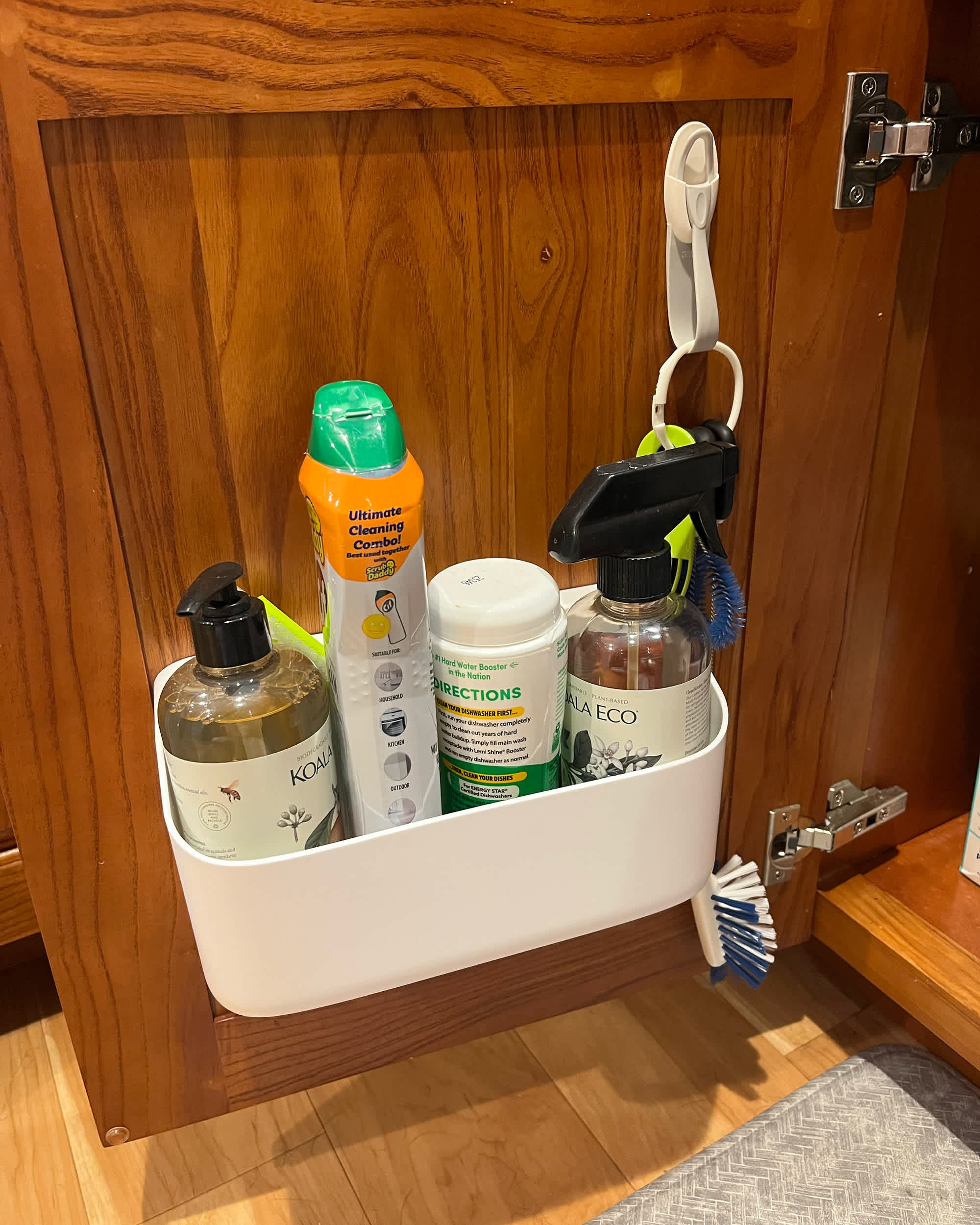
Consider the back of your pantry door too. Using hooks or over-the-door organizers can house spices or cleaning supplies, making them easily accessible when you need them.
Vertical space isn’t just for large items. Use magnetic strips on walls to hold knives or metal utensils. It’s a safety and storage win.
Innovative Cabinet Organizers
Cabinet organizers have come a long way from simple dividers. Imagine pulling out a tray that rotates, displaying all your spices at once. Or a sliding drawer that reveals neatly stacked pots. These innovative solutions save time and prevent the frustration of rummaging through cluttered shelves.
There’s even a solution for those pesky corner cabinets! Lazy Susans or pull-out shelves maximize space in those hard-to-reach areas, making sure every inch is utilized efficiently.
Think about how much time you spend searching for that elusive lid. Dedicated lid holders can keep them in sight, ready to grab when needed.
So, what could you do today to start transforming your kitchen? It’s time to rethink how you use your space and make every inch count. You’ll be amazed at how these storage solutions can make cooking and cleaning more enjoyable.
Daily Cleaning Routines
Keeping your kitchen clean is not just about aesthetics. It’s about creating a healthy environment for cooking and dining. Establishing daily cleaning routines can make a big difference. These routines help maintain order and cleanliness, reducing the burden of a big clean-up. Let’s explore some simple practices that you can incorporate daily to keep your kitchen sparkling.
Quick Surface Cleaning
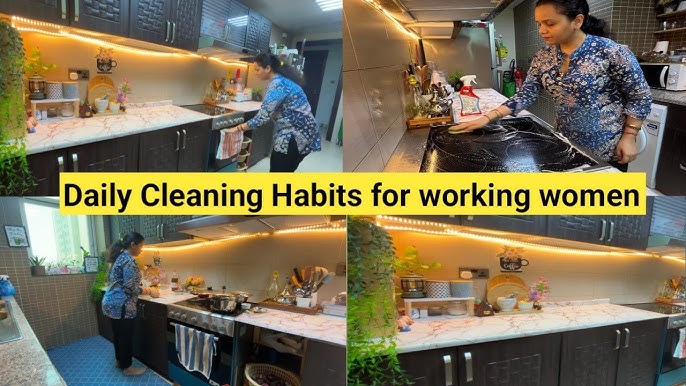
Start with your countertops. Wipe them daily to remove crumbs and spills. Use a microfiber cloth and a mild cleaner. This prevents stains and buildup. Clean surfaces not only look better, but they’re also more hygienic.
Tackle the sink and faucet next. Rinse them after every use to avoid grime. A quick wipe with a damp cloth keeps them shiny. Don’t forget the backsplash. A simple wipe down prevents grease and dirt accumulation.
Spotless Appliance Maintenance
Appliances need daily attention too. Wipe your stovetop after each use. This prevents food particles from sticking. Use a soft cloth and gentle cleanser.
The microwave can get messy quickly. Cover food to prevent splatters. Wipe the inside with a damp cloth daily. This keeps it fresh and odor-free.
Refrigerator handles and doors collect fingerprints. Wipe them down with a disinfectant wipe. It takes seconds but makes a big impact.
Include these tasks in your daily routine. They ensure your kitchen stays clean and inviting.

Credit: www.youtube.com
Weekly Deep Cleaning Tasks
Weekly deep cleaning tasks help keep your kitchen clean and organized. Focus on scrubbing surfaces, cleaning appliances, and sorting cabinets. Regular attention to these areas ensures a tidy and efficient kitchen space.
Weekly deep cleaning tasks are essential for maintaining a pristine kitchen. Tackling these chores once a week prevents grime from building up, ensuring your kitchen remains a pleasant place to cook and gather. By focusing on specific areas, like the floor, grout, sink, and countertops, you can keep your kitchen looking and feeling fresh.Floor And Grout Care
Cleaning the kitchen floor and grout may seem daunting, but it doesn’t have to be. Begin by sweeping or vacuuming to remove loose dirt and crumbs. Follow up with a mop and a gentle floor cleaner to eliminate stains and bacteria. For grout, mix baking soda and water to create a paste. Apply this to the grout lines, let it sit for a few minutes, and then scrub with a brush. Rinse with warm water to reveal cleaner, brighter grout. Want to keep your grout looking new? Consider sealing it every few months to protect against stains.Thorough Sink And Countertop Cleaning
A sparkling sink and countertop set the tone for a clean kitchen. Start by emptying the sink and removing any food debris. Use a mixture of vinegar and water to spray down the sink, then scrub with a non-abrasive sponge. For countertops, clear off any items and wipe down the surface with a mild cleaner. Pay special attention to corners and edges where grime tends to hide. Are you dealing with stubborn stains? Try a little baking soda on a damp cloth for a gentle yet effective scrub. Embrace these tasks weekly, and you’ll find maintaining a clean and organized kitchen becomes second nature. Who knew a bit of routine could make such a difference?Efficient Pantry Organization
Efficient pantry organization can transform a cluttered kitchen into a clean, functional space. Group similar items together to simplify finding ingredients. Use clear containers for easy access and visibility, ensuring everything has a designated spot.
A well-organized pantry is the backbone of a clean and efficient kitchen. With the hustle and bustle of daily life, it’s easy for your pantry to become a chaotic mess. Yet, a few simple tweaks can transform it into a functional and inviting space. Let’s dive into some practical tips to achieve an efficiently organized pantry that will make your kitchen chores smoother and more enjoyable.Categorizing Food Items
Start by grouping similar items together. Place all canned goods in one area, while keeping grains and pasta in another. This makes it easier to find what you need and also helps in tracking what you have at a glance. Consider using clear storage bins or baskets. This not only keeps things tidy but also helps you quickly identify different categories. It’s surprising how much time you save when you don’t have to rummage through cluttered shelves. Label everything. Even if it seems obvious, labels can be a game changer. It ensures everyone in the household knows where things go, reducing the chances of things getting misplaced.Expiration Date Management
Organizing your pantry also means keeping track of expiration dates. Arrange items so that those with the nearest expiration date are at the front. This way, you’ll use them before they go bad. Regularly check expiration dates and discard anything past its prime. It might be tough to let go of that specialty spice you bought on a whim, but keeping expired items can lead to unpleasant surprises. Use a small whiteboard or a list on your phone to track items close to expiration. This proactive step can help in planning meals around ingredients you need to use up, minimizing food waste. How do you currently manage your pantry? Implementing these tips could not only keep your kitchen clean but also save you money in the long run. A little effort in organizing today can lead to a stress-free kitchen tomorrow.Fridge Management Tips
Maintaining a clean and organized kitchen starts with efficient fridge management. A well-organized fridge not only keeps food fresh but also saves time during meal prep. Here are some essential tips to keep your fridge in top shape.
Optimal Temperature Settings
Set your fridge temperature between 35°F and 38°F. This range keeps food fresh and prevents bacterial growth. Use a fridge thermometer to ensure accuracy. Avoid overfilling the fridge, which can block air vents and affect temperature.
Regular Inventory Checks
Check your fridge contents weekly. Discard expired or spoiled items promptly. Keep a running list of items you need to buy. This habit reduces food waste and keeps your fridge clutter-free.
Sustainable Cleaning Practices
Eco-friendly cleaning keeps kitchens clean and organized. Natural products, like vinegar, effectively clean surfaces. Decluttering helps maintain order.
Sustainable cleaning practices are gaining popularity as more people become aware of their environmental impact. Keeping your kitchen clean and organized doesn’t have to mean compromising on sustainability. By adopting eco-friendly products and waste reduction techniques, you can maintain a spotless kitchen while also contributing to a healthier planet.Eco-friendly Products
Choosing the right cleaning products can make a big difference. Opt for biodegradable and non-toxic cleaners. Look for brands that prioritize sustainability in their packaging and ingredients. A homemade cleaner using vinegar and baking soda is not only effective but also safe for the environment. You might be surprised at how well it works on countertops and sinks. Consider using reusable cleaning cloths instead of disposable paper towels. They can be washed and reused multiple times, reducing waste and saving money.Waste Reduction Techniques
Organizing your kitchen with waste reduction in mind can be incredibly rewarding. Start by setting up a compost bin for food scraps. It’s a simple way to reduce waste and create nutrient-rich soil for your garden. Plan your meals to minimize food waste. Use leftovers creatively or freeze them for future meals. Challenge yourself to reduce packaging waste. Buy in bulk where possible and bring your own containers to the store. It might seem small, but these changes add up. Are there areas in your kitchen that could benefit from more sustainable practices? Taking small steps can lead to significant improvements, both in your kitchen and in the environment.Maintaining Order
A clean and organized kitchen enhances efficiency and comfort. Regularly declutter countertops for a tidy look. Utilize storage solutions to keep items accessible and neatly arranged.
Maintaining Order Keeping your kitchen clean and organized is not just about the aesthetics; it’s about creating a functional space that simplifies your life. An orderly kitchen streamlines meal preparation, reduces stress, and enhances the joy of cooking. But how do you maintain order consistently? Let’s dive into some practical strategies to keep your kitchen in tip-top shape.Creating A Cleaning Schedule
A cleaning schedule can be your best ally in maintaining a tidy kitchen. Instead of letting tasks pile up, allocate specific days for different chores. You might find that wiping down counters every evening and mopping floors once a week keeps grime at bay. Consider using a calendar or a simple app to remind you of these tasks. This routine becomes second nature over time, making it less of a chore. Does your current schedule allow for a quick clean-up after cooking?Involving Family Members
Kitchen maintenance shouldn’t fall on one person alone. Involve your family members to share the load and make it a team effort. Assign simple tasks like unloading the dishwasher or taking out the trash to different family members. This not only lightens your workload but also teaches responsibility and teamwork. You might even find that kids enjoy helping when you turn tasks into a game or challenge. How can you inspire your family to pitch in and create a sense of ownership in kitchen upkeep?
Credit: www.youtube.com
Frequently Asked Questions
How Often Should I Clean My Kitchen?
Cleaning your kitchen daily is ideal for maintaining hygiene. Wipe surfaces, wash dishes, and sweep floors every day. Deep clean areas like the fridge and oven monthly. Regular cleaning prevents the buildup of dirt and bacteria, keeping your kitchen safe and organized.
What Are The Best Tools For Kitchen Cleaning?
The best tools include microfiber cloths, scrub brushes, and non-toxic cleaners. Use a vacuum for crumbs and a mop for floors. These tools help efficiently clean various surfaces without causing damage, ensuring your kitchen remains spotless and well-maintained.
How Can I Organize My Kitchen Efficiently?
Organize by grouping similar items together and maximizing storage space. Use containers and labels for easy access. Keep frequently used items within reach and store seldom-used items higher up. This system ensures a streamlined cooking process and a tidy kitchen environment.
How Do I Maintain A Clutter-free Kitchen?
Regularly declutter by removing items you no longer use. Donate or discard unnecessary gadgets and expired food. Use storage solutions like racks and baskets to keep counters clear. A clutter-free kitchen promotes a more efficient and enjoyable cooking space.
Conclusion
A clean kitchen makes cooking easier. Keep your kitchen tidy with simple steps. Start by putting items in their right place. Clean spills immediately. Use baskets or shelves for better organization. Regular cleaning prevents clutter. A clean kitchen feels welcoming.
It saves time and reduces stress. Enjoy the beauty of a well-organized space. Your kitchen can be both functional and cozy. Make cleaning a daily habit. You’ll love your kitchen more when it stays neat. Embrace these tips for a happier cooking experience.