Imagine reaching for your favorite cast iron skillet, ready to whip up a delicious meal, only to find it speckled with rust. It’s a moment that can make your heart sink.
You might wonder if your cherished cookware is ruined or if you’ll need to spend hours scrubbing away the damage. Before you panic, know that rust on cast iron is a common issue and there’s a straightforward solution. You deserve to enjoy cooking with your cast iron without the worry of rust, and with the right approach, you can restore your cookware to its former glory.
You’ll discover simple and effective methods to remove rust from your cast iron cookware, ensuring it lasts for years and continues to deliver tasty results. Dive in, and let’s bring your cast iron back to life, so you can focus on what truly matters—creating mouthwatering dishes with ease.

Credit: www.reddit.com
Causes Of Rust On Cast Iron
Cast iron cookware is cherished for its durability and cooking versatility. Yet, rust remains its biggest enemy, threatening its longevity. Understanding the causes of rust helps in preventing it, keeping your cookware in top shape.
Improper Cleaning
Water left on cast iron leads to rust. Dry thoroughly after washing.
Inadequate Seasoning
Seasoning acts as a protective layer. Without it, iron is exposed.
Exposure To Moisture
Humidity in the air encourages rust formation. Store in a dry place.
Food Acidity
Acidic foods, like tomatoes, can strip seasoning. Use with caution.
Long Storage Time
Unused cookware can rust over time. Regular use keeps it rust-free.

Credit: www.instagram.com
Gathering Essential Tools
Gather necessary tools like vinegar, baking soda, and a scrub brush. These help remove rust from cast iron cookware effectively. Regular cleaning keeps your cookware in great condition for cooking.
Rust on cast iron cookware can be frustrating. But with the right tools, it’s manageable. Preparing your workspace with essential tools makes the rust removal process straightforward. Gathering these tools beforehand ensures you have a smooth, efficient cleaning experience. Let’s explore the necessary tools for this task.Cleaning Brushes
Stiff-bristle brushes are ideal for scrubbing rust. They reach into grooves and corners. Choose brushes that won’t harm your cookware’s surface. Nylon or stainless steel brushes work well for this purpose.White Vinegar
White vinegar is excellent for removing rust. It reacts with rust and loosens it from the surface. Fill a container with equal parts water and vinegar. Soak your cookware to let it work its magic.Coarse Salt
Coarse salt acts as a gentle abrasive. It helps scrub away stubborn rust spots. Use it with a brush or sponge for effective results.Steel Wool
Steel wool is perfect for tough rust spots. It requires some elbow grease but works wonders. Always use fine-grade steel wool to avoid scratching the cookware.Baking Soda
Baking soda is a versatile cleaning agent. Mix it with water to form a paste. Apply this to rusted areas and scrub gently. It neutralizes acids and helps lift rust.Drying Towels
After cleaning, drying is crucial. Use absorbent towels to remove moisture. Dry your cookware thoroughly to prevent rust from returning.Protective Gloves
Protect your hands during the cleaning process. Gloves keep your skin safe from cleaning agents. Choose durable, waterproof gloves for the best protection.Removing Rust With Basic Techniques
Removing rust from cast iron cookware can be simple. Scrub the rusted area with a mixture of salt and water using a soft sponge. Rinse and dry completely to prevent future rusting.
Removing rust from cast iron cookware can seem daunting. Fear not! With some basic techniques, you can restore your cookware to its former glory. Let’s explore simple methods to get rid of rust effectively.Using Baking Soda
Baking soda is a gentle abrasive. It can effectively remove rust. Make a paste with baking soda and water. Apply the paste to the rusty areas. Allow it to sit for a few minutes. Use a soft brush or cloth to scrub gently. Rinse the cookware thoroughly. Dry it completely to prevent future rust.Applying Vinegar Solution
Vinegar is a natural acid. It dissolves rust efficiently. Mix equal parts of vinegar and water. Soak the rusty cookware in the solution. Leave it for about an hour. Check the progress frequently. Use a scrub brush to remove loosened rust. Rinse well and dry immediately after.Scrubbing With Steel Wool
Steel wool is excellent for tough rust. Choose fine-grade steel wool for best results. Scrub the rusty spots gently. Apply a little pressure if needed. Work in circular motions for even results. Rinse the cookware with warm water. Dry it thoroughly to avoid new rust spots.Advanced Rust Removal Methods
For those who need advanced solutions, rust on cast iron cookware can be tricky. Basic methods might not always work. Advanced techniques can restore your cookware to its original glory. Let’s explore some effective methods.
Electrolysis Process
The electrolysis process is a powerful way to remove rust. It involves using electricity to separate the rust from the metal. You’ll need a plastic container, a battery charger, and washing soda.
First, fill the container with water and add washing soda. Connect the battery charger, making sure the negative lead is on the cookware. The positive lead should connect to a sacrificial piece of metal. Turn on the charger and watch the rust bubble away.
This process might take a few hours. Ensure proper ventilation during the procedure. Always follow safety precautions when working with electricity.
Commercial Rust Removers
Commercial rust removers can be effective and easy to use. These products contain chemicals that target rust directly. Always read the instructions carefully before use.
Apply the rust remover to the affected areas. Let it sit for the recommended time. Use a scrub brush to gently remove the rust.
Rinse thoroughly to ensure no chemical residue remains. Some products are stronger than others, so choose one that suits your needs. Always wear gloves and protective eyewear.
Cleaning And Drying Cast Iron
Removing rust from cast iron cookware involves a simple process. Scrub with a mixture of baking soda and water. Rinse thoroughly, then dry completely to prevent future rust.
Cleaning and drying cast iron cookware is essential to prevent rust. Proper maintenance keeps your cookware in top condition. Let’s explore effective cleaning and drying methods.Proper Cleaning Techniques
Clean cast iron with warm water and a soft brush. Avoid using soap, which can strip the seasoning. For stubborn residue, use coarse salt as a gentle abrasive. Rinse thoroughly to remove all food particles and salt. Never soak cast iron in water; it can cause rust.Ensuring Thorough Drying
Dry cast iron immediately after washing. Use a clean towel to remove excess water. Place the cookware on a stove burner over low heat. This evaporates any remaining moisture. Ensure it’s completely dry to prevent rust formation. Store in a dry place with good air circulation.Seasoning Cast Iron Cookware
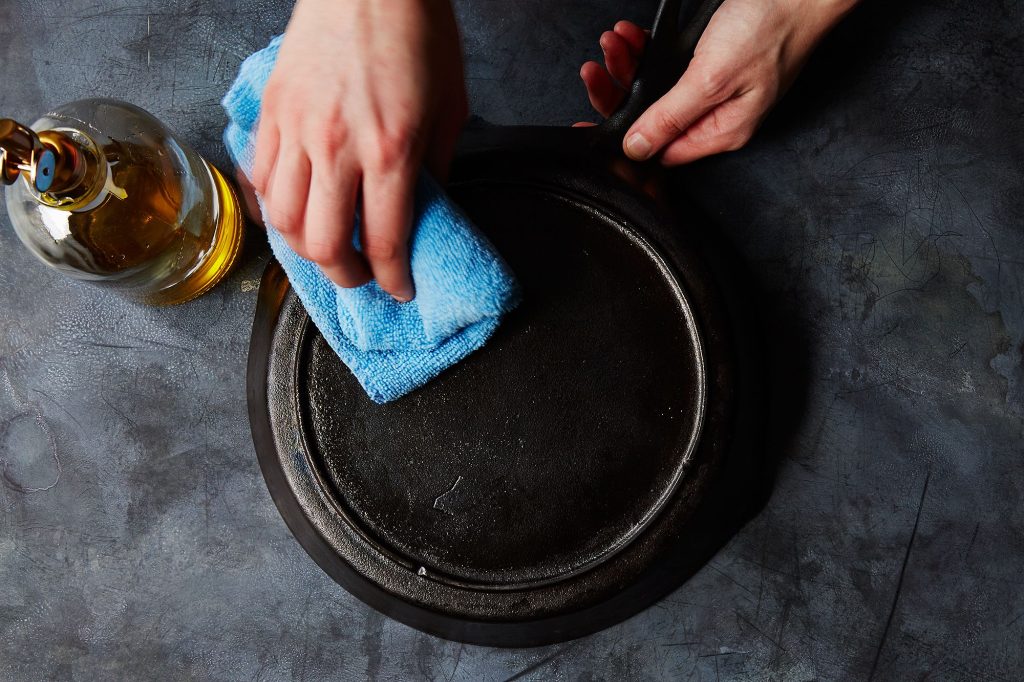
Removing rust from cast iron cookware involves simple steps. Scrub the rusty area with steel wool or a stiff brush. Rinse and dry thoroughly, then apply a thin layer of vegetable oil. Bake in the oven to seal the surface and restore its non-stick quality.
Seasoning your cast iron cookware keeps it in top condition. It prevents rust and builds a natural non-stick layer. This process involves applying a thin layer of oil to the cookware. Then it is heated to bond the oil to the surface. Proper seasoning enhances the cookware’s durability and cooking performance.Choosing The Right Oil
Selecting the best oil is crucial for seasoning. Opt for oils with high smoke points. Vegetable oil, flaxseed oil, and canola oil are popular choices. They withstand high temperatures without burning. This ensures a smooth and effective seasoning process.Steps To Season Properly
Begin by cleaning the cookware with warm water and mild soap. Dry it thoroughly to prevent rust. Apply a small amount of oil to the cookware’s surface. Use a cloth or paper towel to spread the oil evenly. Ensure every part is coated, including the handle and exterior. Place the cookware upside down in the oven. Heat it to around 375°F (190°C) for about an hour. This allows the oil to bond with the iron. Once done, let it cool inside the oven. Repeat the process two to three times for a strong seasoning layer.Preventing Future Rust
Properly drying cast iron cookware after cleaning helps prevent future rust. Apply a thin coat of vegetable oil to the surface and store in a dry place. Regular maintenance ensures lasting durability and rust-free cookware.
Preventing Future Rust One of the biggest concerns for cast iron cookware enthusiasts is rust. It can transform your prized skillet into a stubborn eyesore. Fortunately, with some practical tips, you can keep your cast iron in pristine condition. Prevention is key, and it’s simpler than you think.Regular Maintenance Tips
Consistent care is the cornerstone of preventing rust. Always dry your cookware thoroughly after washing. A quick wipe with a towel might not be enough; consider placing it on a warm stove for a few minutes to evaporate residual moisture. Seasoning your cast iron regularly is vital. It forms a protective layer that acts as a barrier against moisture. Use a thin layer of vegetable oil and bake it in the oven for an hour. This simple ritual can extend the life of your cookware significantly. Remember, soap isn’t always the enemy. While minimal use is okay, avoid soaking your cast iron in soapy water. Instead, opt for hot water and a stiff brush to remove food particles.Storage Recommendations
How you store your cast iron can make all the difference. Ensure it’s completely dry before putting it away. Any lingering moisture can invite rust to settle in. Consider using paper towels to line your cookware. They absorb any excess moisture and provide a buffer against humidity. If you stack your cast iron, place a paper towel between each piece to minimize friction and potential damage. Think about your kitchen environment. Is it particularly humid? If so, store your cookware in a dry, airy space. Some enthusiasts even place a small bag of silica gel in their cabinets to combat humidity. Are you willing to take these simple steps to protect your beloved cast iron? Each action is a small investment in a lifetime of enjoyable cooking experiences.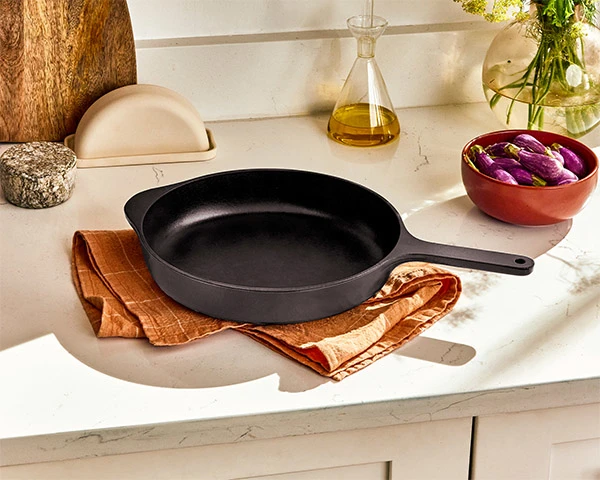
Credit: www.carawayhome.com
Common Mistakes To Avoid
Cleaning rust off cast iron cookware can seem easy. But many make mistakes that can damage the cookware. Understanding these mistakes helps in maintaining the cookware’s quality and longevity. Below are some common mistakes to avoid while cleaning rust from cast iron.
Using Abrasive Tools
Many people use steel wool or metal brushes on cast iron. These tools can scratch and damage the surface. Instead, use a soft scrub pad or sponge. This will clean the rust without harming the cookware.
Applying Harsh Chemicals
Avoid using strong chemicals like bleach or oven cleaners. These can strip the seasoning off the cast iron. Opt for natural solutions like vinegar or baking soda. They are effective and safe for your cookware.
Skipping The Drying Process
Drying cast iron completely is crucial. Moisture causes rust to form again. After cleaning, wipe it dry with a towel. Then, heat it on the stove to ensure all moisture evaporates.
Neglecting To Reseason
Reseasoning is vital after removing rust. It protects the cookware and creates a non-stick surface. After cleaning, apply a thin layer of oil. Bake it in the oven for a smooth finish.
Overusing Water
Water is the enemy of cast iron. Avoid soaking it in water for long periods. Quick rinses are enough. Prolonged contact with water encourages rust formation.
Frequently Asked Questions
How Do I Remove Rust From Cast Iron?
To remove rust from cast iron, scrub it with steel wool. Rinse thoroughly, then dry completely. Apply a thin layer of vegetable oil and bake at 350°F for an hour. This process helps restore the protective layer and prevents future rust.
Can Vinegar Remove Rust From Cast Iron?
Yes, vinegar can effectively remove rust from cast iron. Soak the cookware in a 50/50 vinegar and water solution. Leave it for about an hour. Scrub away the rust with a brush, rinse, and dry thoroughly. Remember to re-season the cookware after cleaning.
Is Baking Soda Effective For Cast Iron Rust?
Baking soda is effective for removing rust from cast iron. Create a paste with water and baking soda. Apply to the rusty area and scrub gently. Rinse thoroughly and dry completely. Re-season the cookware to restore its protective layer.
What Is The Best Oil For Seasoning Cast Iron?
The best oils for seasoning cast iron are vegetable, flaxseed, and canola oils. They have high smoke points and create a durable non-stick layer. Apply a thin layer of oil and bake the cookware at 350°F for an hour to enhance seasoning.
Conclusion
Restoring your cast iron cookware is simpler than it seems. Clean the rust, season it well, and maintain regularly. These steps ensure your cookware lasts long and performs well. Remember, proper care prevents rust from forming again. Embrace these easy steps to keep your cookware in top shape.
Enjoy cooking with your rust-free cast iron. It enhances your culinary experience. Keep it clean and seasoned for the best results. Your meals will taste better, and your cookware will last longer. Happy cooking!